So, youre ready to dive into the world of juicing but looking to skip the usual fruit overload? Good call. While fruits often steal the spotlight, vegetables for juicing are where the real magic happens. Theyre packed with micronutrients, low in sugar, and bring some serious variety taste and health-wise to your glass.
Let me tell you right off the bat: these veggies dont just taste good; they work wonders inside your body. Whether youre chasing that extra boost of energy, want to give your digestion a gentle reset, or simply want a tasty way to sneak more nutrients into your day, choosing the right vegetables for juicing is the game changer.
Ready to meet your new juice heroes? Lets get into the best juicing vegetables you might have overlooked and some fun ideas to mix things up in your juicing routine. Trust me, after this, your blender is going to feel like a VIP lounge for your tastebuds and your health.
Why Juice Vegetables?
First things first, why bother with vegetables instead of just going for the sweet stuff? Well, fruits are fantastic but often come with a sugar surge thats not ideal if youre watching your blood sugar or just want to keep things balanced. Juicing vegetables offers you a way to get all those incredible vegetable juice benefitsthink vitamins, antioxidants, and mineralswithout the sugar crash.
But hey, juicing isnt magic. It's about smart choices. For example, some veggies might not play well if you consume them heavily, like those high in oxalates (looking at you, spinach!). Also, juicing strips out fiber, which our bodies love for digestion. So its a dance between enjoying nutrient-packed juices and still getting enough fiber elsewhere.
Balance is everything. Juicing should complement your whole eating habits, not replace them. Think of vegetable juice as a nutrient-powered shot, a little boost to your day, rather than the whole meal.
1. Carrots
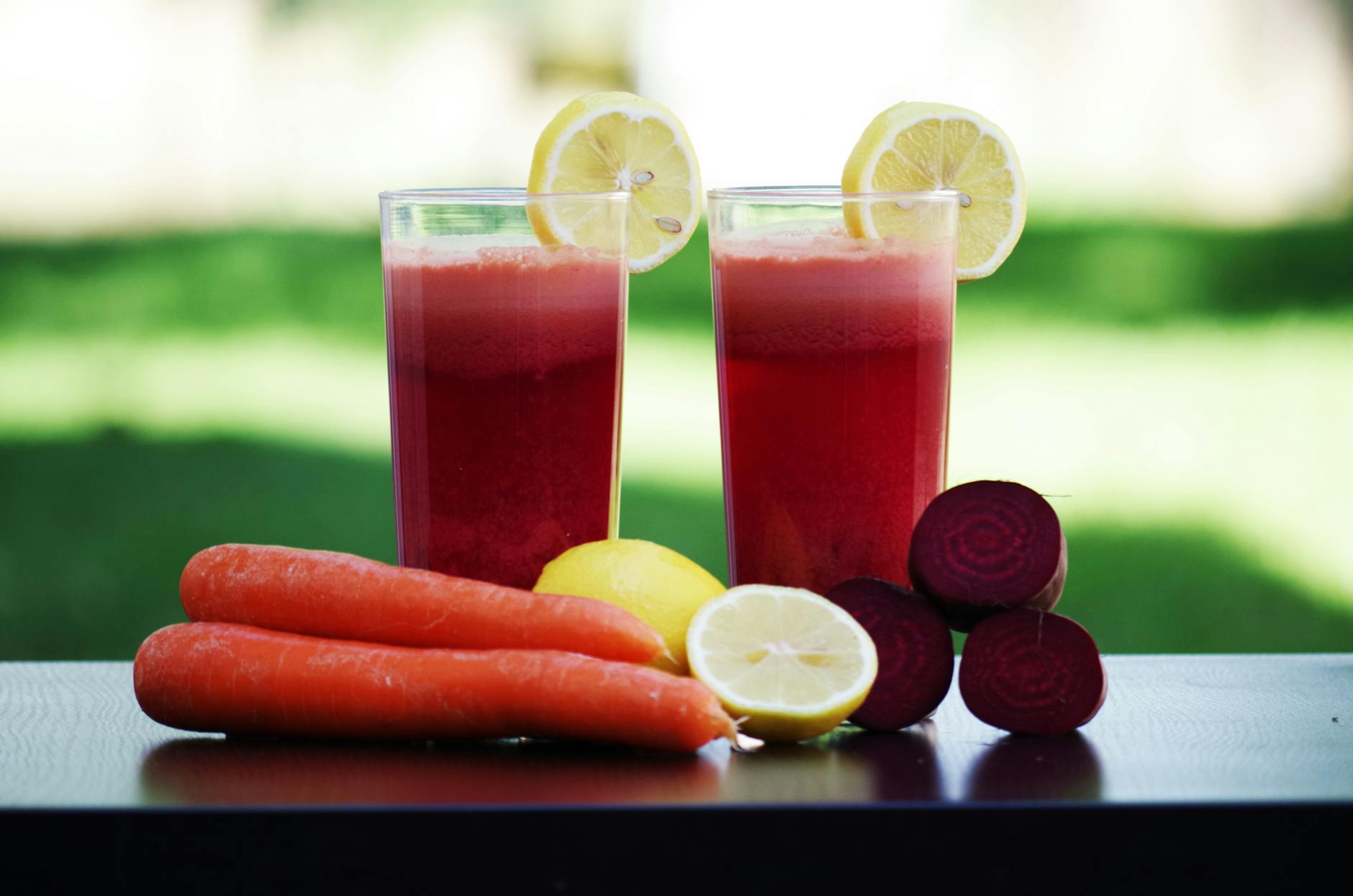
Carrots are the poster child for juicing vegetables. They bring that perfect sweet, earthy vibe that blends effortlessly with almost every other veggie (or fruit, if you want a splash of sweetness). But dont let their mild flavor fool you carrots are loaded with beta-carotene, which your body converts to vitamin A, essential for eye health and immune support.
Juicing carrots is pretty straightforward just wash, peel if you want (though I usually just scrub em), and juice away. The result? A vibrant, naturally sweet juice that feels like a hug in a glass.
Fun fact: Carrot juice can be a gentle glow booster thanks to antioxidants. So if youre after that skin radiance from the inside out, its a solid pick.
2. Beets
If you havent tried juicing beets yet, youre in for a treat (and a slightly messy kitchen moment beets do stain!). They bring a beautifully deep, earthy flavor and a bold red color thats almost hypnotic.
Beyond looks, beets are rich in nitrates, which research shows may help improve blood flow and lower blood pressure. Theyre great if youre looking for a little natural support for your heart and stamina.
Pro tip: Peel the beets before juicing if you want a cleaner taste, and balance the earthiness by pairing them with something lighter cucumber or apple work beautifully here.
3. Cucumber
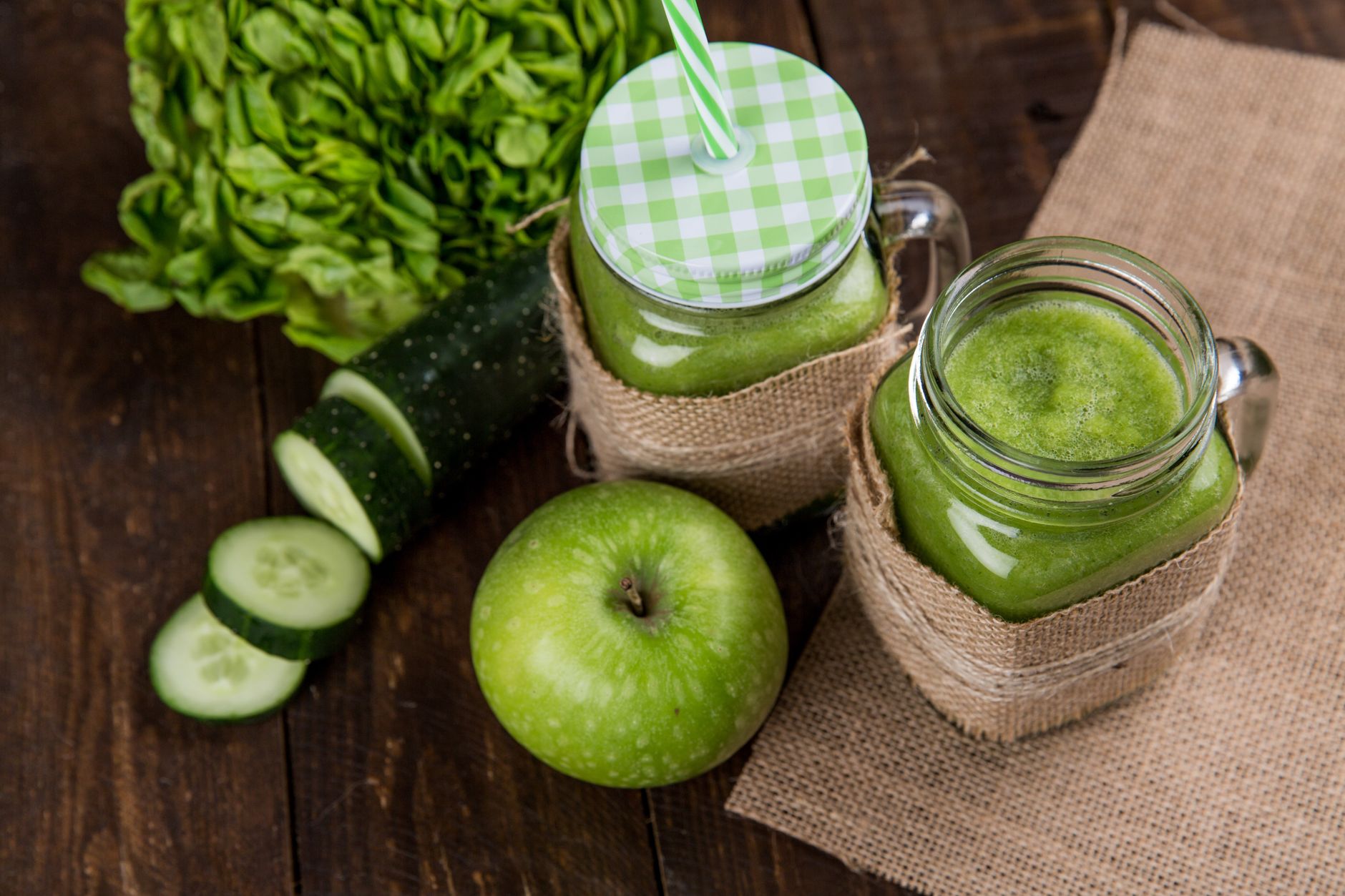
Ah, cucumber the ultimate hydrating buddy! Its like a splash of water in your juice, gently mellowing stronger flavors while adding a fresh crispness and a healthy dose of vitamin K.
If youve ever struggled with bitter greens or overpowering beet juice, cucumber is a fantastic counterbalance. Plus, its incredibly easy on the digestion, so its a great base to build your healthy juicing recipes around.
4. Green Leafy Vegetables
Spinach, kale, Swiss chard these leafy greens are juicing royalty for a reason. Theyre nutrient-packed, delivering iron, calcium, magnesium, and tons of antioxidants.
Heads up: they can be a bit bitter or grassy, so blending them with sweeter vegetables like carrots or celery is a good hack. Also, be mindful of quantity if you have kidney issues because of the oxalate content.
Most people ask, How do I keep my green juices tasty? My trick: add a squeeze of lemon or a touch of ginger to brighten the flavor.
5. Celery
Celery juice has taken the health world by storm some swear its pure magic. While that might be a stretch, theres no denying celerys legit benefits: its anti-inflammatory, packed with vitamins and minerals, and super hydrating.
It has a strong, distinct flavor, so start with smaller amounts and combine it with milder veggies if youre new to juicing. And hey, if youre curious about foods that support blood sugar control, celery-based juices can pair well with other diet tips kind of like those best foods for diabetics.
6. Sweet Potato
Sweet potatoes? In juicing? Yep! It sounds surprising but sweet potato juice adds a beautifully rich, creamy texture and a subtle sweetness no sugar needed.
Theyre loaded with complex carbs and beta-carotene but juicing sweet potato is a bit different from blendingit usually requires peeling and chopping into small pieces, then juicing slowly. If you want a heartier juice that feels like a mini meal, sweet potato is your guy.
7. Cabbage
Cabbage isnt the first thing you grab at the farmers market for juicing, but it really deserves a spot in your veggie lineup. Its full of sulfur compounds that help with detoxification and gut health, plus plenty of vitamin C.
Green and red cabbage each bring their own flavor profile and nutritional edge, so mixing them up keeps your juices interesting both visually and taste-wise.
8. Fennel
Heres a little wild card fennel. It adds a delicate licorice note that spices up your juice without overpowering it, and its fantastic for digestion thanks to its fiber and antioxidants.
Try cutting down the stalks and bulb thinly before juicing, and combine fennel with sweeter or milder vegetables to keep the flavors balanced.
9. Broccoli
Broccoli juice? Dont cringe just yet. This veggie is a powerhouse, packed with sulforaphane a compound noted for its cancer-fighting properties along with vitamins C and K.
It can be bitter, so pair it with cucumber or carrot juice to mellow things out. Plus, a little broccoli goes a long way here.
Juicing Vegetable Ideas and Healthy Recipes
Now that youve got the basics, lets talk combos. Mixing the right vegetables can totally elevate the taste and nutritional punch. Here are some simple blends to get you going:
| Recipe | Main Veggies | Benefits |
|---|---|---|
| Morning Glow | Carrot, apple, ginger, lemon | Immune support and energy boost |
| Detox Delight | Beet, cucumber, celery, fennel | Blood pressure support and detoxification |
| Green Power | Kale, spinach, cucumber, lemon | Rich in antioxidants and vitamins |
| Sweet & Savory | Sweet potato, carrot, celery, apple | Balanced energy and hydration |
And remember, the best recipes come with a bit of experimentation. Dont be afraid to play with different combos sometimes the weirdest mixes end up as favorites! If youre interested, there are also plenty of healthy foods to gain weight to complement your juicy journey, especially if you want a nutrient-dense boost that fits your goals.
Maximizing Nutrients & Staying Safe
Juicing is quick and tasty, but how you juice matters a lot. First, always use fresh, organic if possible, vegetables quality is king. Second, drink your juice shortly after preparing it for maximum nutrient retention. The longer it sits, the more nutrients can degrade.
Also, try not to overdo it. Drinking large quantities of certain vegetable juices every day can lead to unwanted effects think oxalates or excess vitamin K messing with your body if youre on blood thinners. Moderation and variety are your allies.
Different juicers have different effects too: masticating juicers preserve more nutrients but take longer, while centrifugal ones are quicker but hotter which can degrade some sensitive compounds.
My final nugget of advice? Use juicing as a complement to whole foods, not a substitute. Including plenty of fiber-rich veggies, nuts, seeds, and whole grains will keep your diet balanced and keep you feeling your best.

Final Thoughts
So, there you have it nine fantastic vegetables for juicing that can make your new habit something you actually look forward to every day. Its not just about nutritional benefits (though those are huge!), but the joy of crafting something fresh, tasty, and totally your own.
Remember, juicing is all about what works for you. Feel free to experiment, tweak, and listen to your body. And hey, if youve got a killer juice mix or a question about juicing, why not share it? Im all ears and so is the community.
Heres to your health and those delicious, vibrant glasses of green, red, and orange goodness. Cheers!
FAQs
What are the best vegetables for juicing beginners?
Carrots, cucumbers, and celery are excellent choices for beginners due to their mild flavors and easy juicing process.
Can juicing vegetables help with blood pressure?
Yes, vegetables like beets and celery are known to support healthy blood pressure levels due to their nitrate and anti-inflammatory properties.
Is it better to juice or blend vegetables for nutrition?
Juicing extracts vitamins and minerals but removes fiber. Blending retains fiber, so combining both methods can maximize benefits.
Are green leafy vegetables good for juicing every day?
Leafy greens are nutrient-dense but can be high in oxalates, so moderation is advised, especially for those with kidney issues.
How should I store vegetable juice for maximum freshness?
Drink freshly made juice within a few hours and store it in an airtight container in the refrigerator to preserve nutrients and flavor.