Thinking about your heart can feel overwhelmingso many rules, so many miracle foods and fad diets shouting for attention. But what if I told you that eating for a healthier heart doesn't have to be complicated or joyless? Lets walk through delicious, science-backed heart healthy foods that are simple to add to your daily life. Ill share practical swaps, friendly tips, and a few tasty ways Ive actually enjoyed these foods myself. Sound good?
Why Eat Heart Healthy?
Your heart is not just an organ that quietly does its thing; its the engine of your life. Foods rich in fiber, healthy fats, vitamins, minerals, and antioxidants can help lower blood pressure, reduce inflammation, and cut down bad cholesterolsmall changes add up to huge benefits. And the best part? Many heart-healthy ingredients are flavorful, satisfying, and family-friendly.
Top Heart Healthy Foods
Heres a friendly roundup of foods that consistently show up in research as great for heart health. Think of these as your culinary alliesingredients you can mix and match to build tasty meals.
Fatty Fish
Salmon, mackerel, sardines, and trout are loaded with omega-3 fatty acids, which help reduce inflammation and lower triglycerides. Aim for two portions a week. Not a seafood fan? No worriesthere are plant alternatives and supplements that can help, too.
Nuts and Seeds
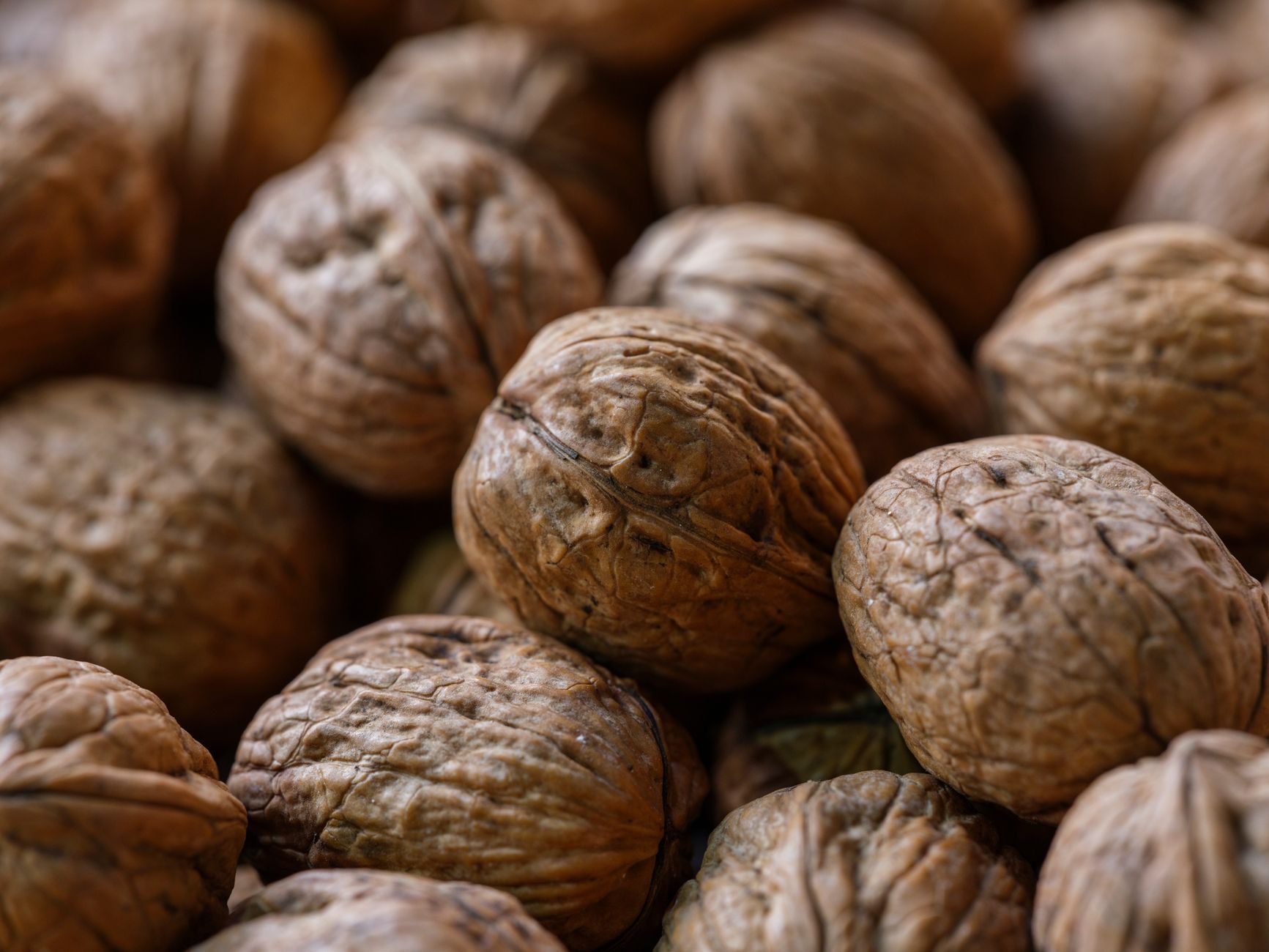
Almonds, walnuts, chia seeds, and flaxseeds are small but mighty. They bring healthy fats, fiber, and plant protein. A small handful most days can improve cholesterol levels. I often sprinkle walnuts over yogurt or toss chia into smoothiessimple, crunchy comfort.
Whole Grains
Oats, quinoa, barley, and whole-wheat products support healthy blood pressure and cholesterol. Oats are a personal favorite for breakfastI love savory oats with greens and a soft-poached egg when I want something cozy and nourishing.
Fruits and Berries
Berries, apples, oranges, and pears are full of fiber and antioxidants. Berries, in particular, deliver polyphenols that protect blood vessels. Theyre perfect stirred into yogurt, oatmeal, or just eaten straight from the bowl.
Leafy Greens and Colorful Veggies
Spinach, kale, broccoli, and sweet potatoes provide potassium, magnesium, and vitamins that support blood pressure and vascular health. Ill be honest: tossing greens into a blended soup or hiding shredded carrots in bolognese has saved many meals from being boring.
Legumes and Beans
Beans, lentils, and chickpeas pack fiber and protein without the saturated fat found in some animal proteins. They help lower cholesterol and keep you full. From hearty stews to creamy hummus, legumes are a go-to for convenience and nourishment.
Olive Oil
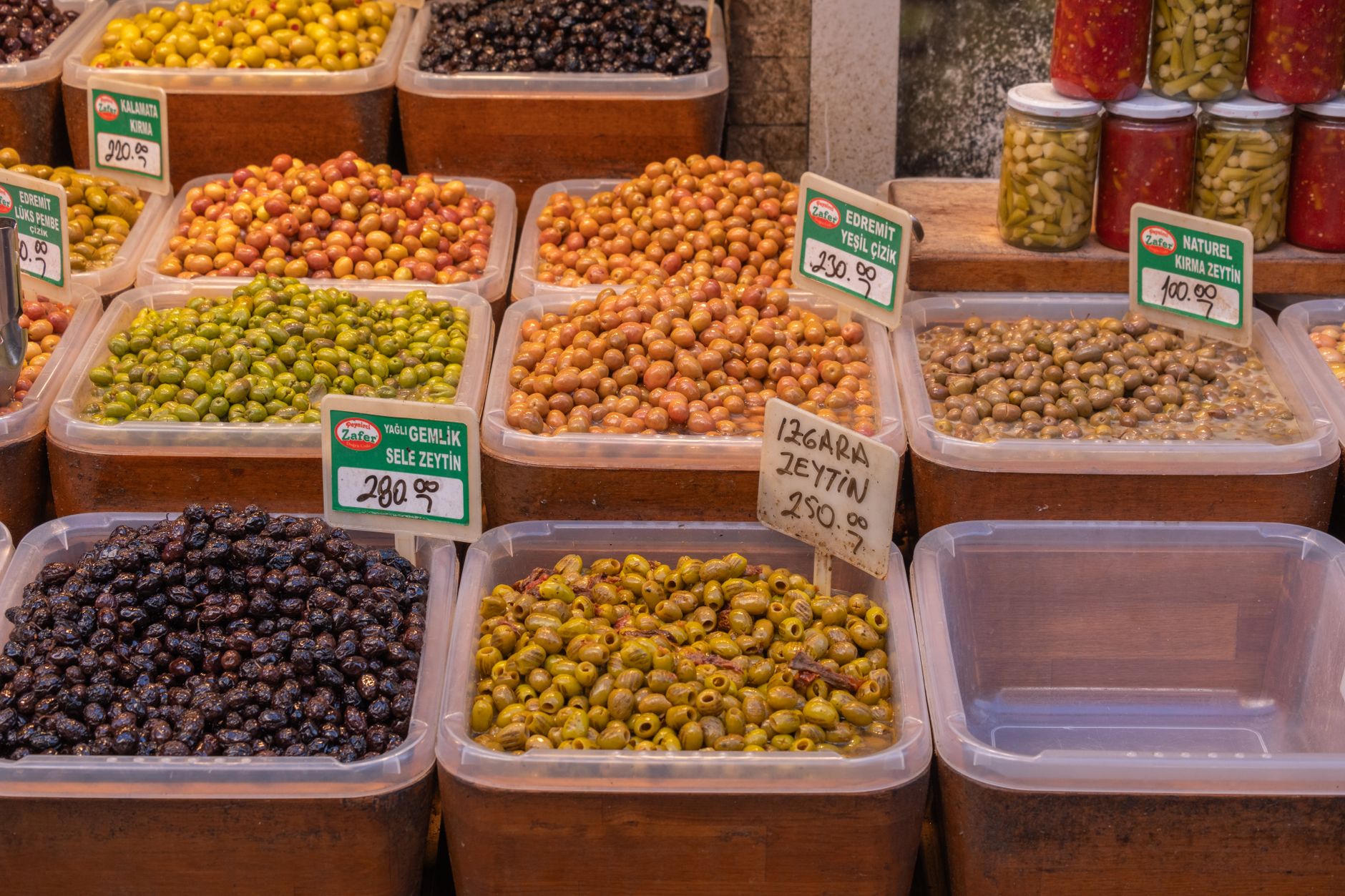
Extra virgin olive oil shines as a primary fat in a heart-healthy diet. Its full of monounsaturated fats and antioxidants. Drizzle it on salads, use it for low-heat cooking, or dip a crusty slice of whole-grain bread for pure comfort.
Dark Chocolate (in Moderation)
Yes, really. A small amount of dark chocolate (70% cocoa or higher) offers flavonoids that can benefit your heart. Its a lovely, guilt-minimal treat when savored slowlythink quality over quantity.
Smart Swaps That Add Up
Changing eating habits doesnt have to be dramatic. Small swaps throughout your week make a big difference over time. Here are easy substitutions that you can try without feeling deprived.
- Swap butter for olive oil in cooking and baking where possible.
- Choose whole-grain bread and pasta instead of refined versions.
- Replace sugary snacks with fruit or a small handful of nuts.
- Opt for grilled or baked fish instead of fried seafood dishes.
- Use Greek yogurt instead of sour cream for a creamy boost with more protein.
Combining Flavors for Real Meals
Its one thing to know the ingredients; its another to make them taste amazing. Here are a few combinations I love that are easy, nourishing, and practical for busy weeks.
- Breakfast: Oatmeal topped with berries, chopped walnuts, and a drizzle of honey.
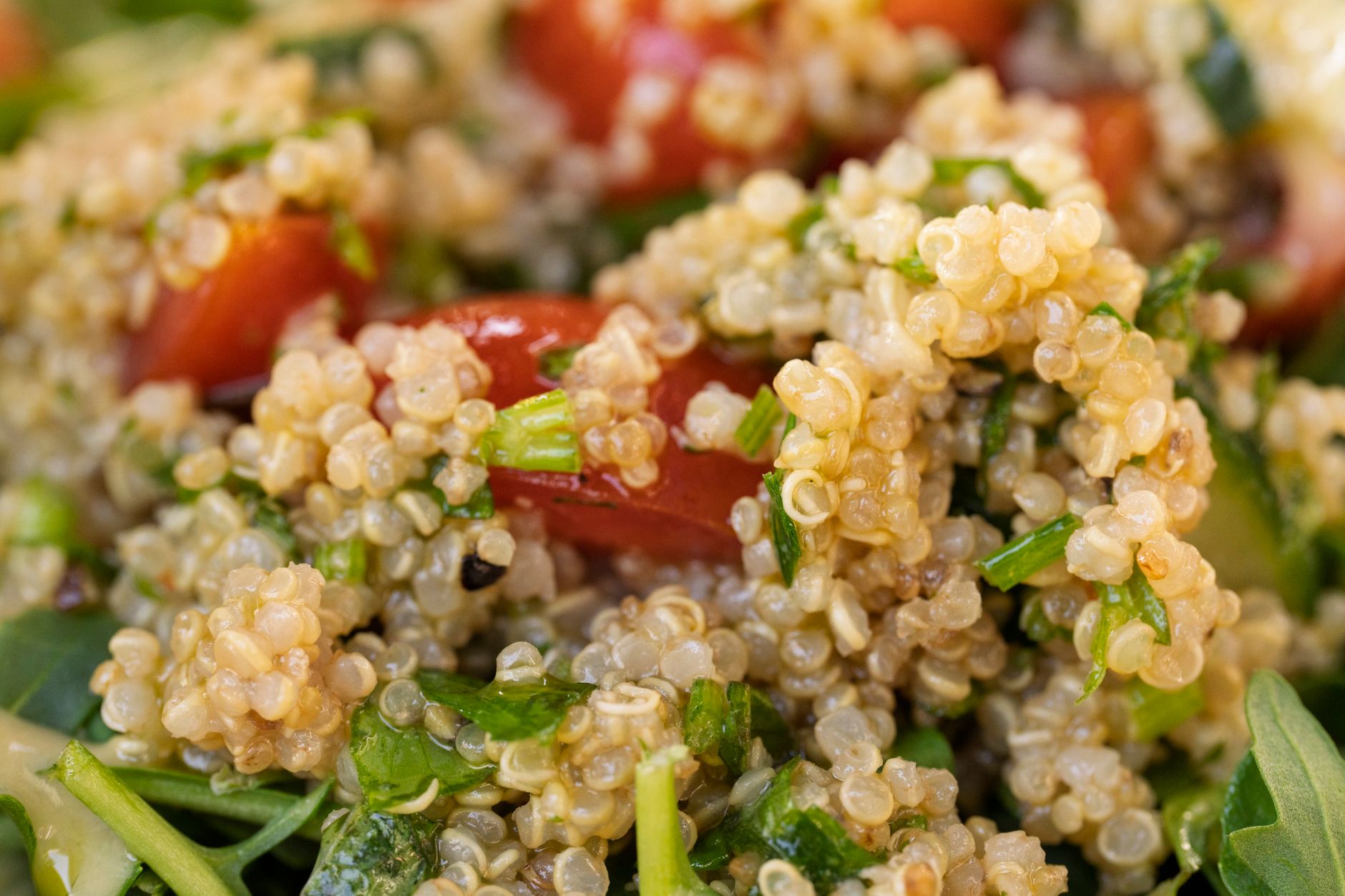
- Lunch: Quinoa salad with chickpeas, chopped veggies, lemon-olive oil dressing, and a sprinkle of feta.
- Dinner: Baked salmon with a side of sauted spinach and roasted sweet potato.
- Snack: Apple slices with almond butter or a small handful of mixed nuts.
Protein and Heart Health: Balanced Choices
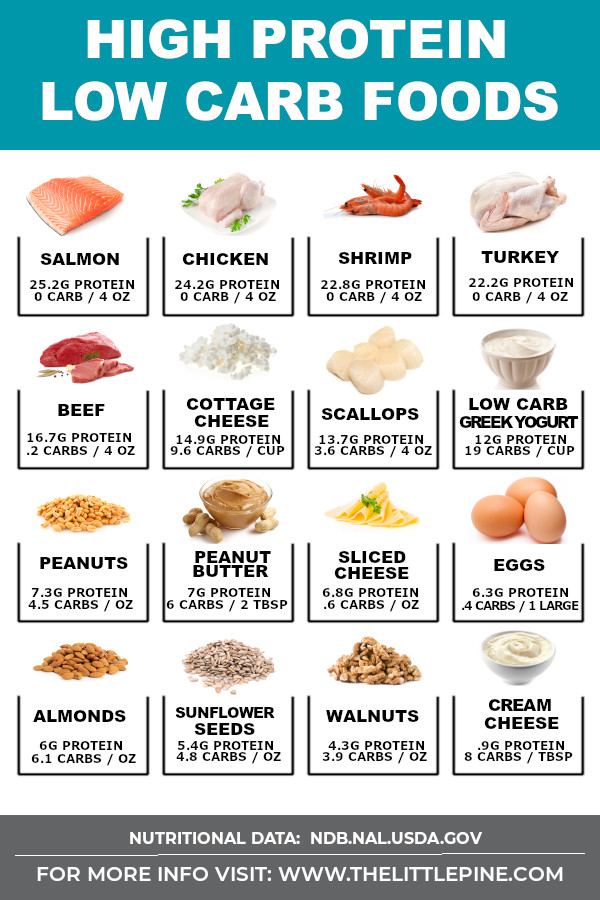
Protein supports muscles and satiety, but the source matters for heart health. Lean proteins like skinless poultry, fish, legumes, and low-fat dairy are generally better for the heart than processed meats. If youre curious about a variety of protein choiceswhether vegetarian, budget-friendly, or low-fatthis guide on Healthy foods high in protein can offer helpful ideas to complement your heart-healthy eating.
How Much and How Often?
Theres no single perfect plate, but balance is key. Aim to fill half your plate with veggies and fruits, one-quarter with lean protein, and one-quarter with whole grains or starchy vegetables. Healthy fats should be included, but in moderation. Also, listening to hunger and fullness cues matterseating for pleasure and nourishment, not perfection.
Cooking Tips That Make a Difference
Here are practical kitchen tips that keep meals tasty without sabotaging heart goals:
- Flavor with herbs, citrus, spices, and garlic instead of salt.
- Batch-cook grains and legumes on weekends for quick weekday meals.
- Use steaming, roasting, grilling, or poaching instead of frying.
- Read labels: beware of hidden sodium in canned soups and processed foods.
Heart Healthy Foods for Different Lifestyles
No matter your dietary preferencesplant-based, vegetarian, or omnivorethere are heart-friendly choices for you. If youre exploring more plant-based options for protein or variety, you might enjoy reading about Plant based foods high in protein. Theyre great for mixing into salads, stews, or grain bowls.
Common Concerns and Realistic Tips
Worried about cost, taste, or cooking skills? Youre not alone. Healthy eating can be affordablesimple staples like oats, beans, frozen vegetables, and canned fish are budget-friendly and last long. If taste is a concern, experiment with different herbs and acid (like lemon or vinegar) to brighten flavors. And if you arent a confident cook, start with one new recipe a week. Little wins matter.
When to Talk to a Professional
Food is powerful, but its not a substitute for medical advice. If you have high blood pressure, high cholesterol, diabetes, or a family history of heart disease, its wise to consult your healthcare provider or a registered dietitian for personalized guidance. They can help tailor portion sizes and food choices to your needs.
Staying Motivated Without Perfection
One of the hardest parts of changing eating habits is staying consistent without falling into all or nothing thinking. Aim for progress, not perfection. Celebrate when you add an extra vegetable to your plate or swap in a whole-grain option. Over time, these small choices become habits that truly support your heart.
Final Thoughts: Small Changes, Big Heart
Your heart doesnt ask for extremesjust steady, kind choices. Bringing heart healthy foods into your routine means choosing flavorful, satisfying ingredients that also help protect you over the long run. Think of this as a lifelong friendship with your body: steady, nourishing, and occasionally indulgent (yes, that includes a bit of dark chocolate).
If any of this sparked a recipe idea or you want more practical meal plans, Id love to hear what youre curious about next. What heart-healthy swap will you try this week?
FAQs
What are heart healthy foods?
Heart healthy foods are those rich in fiber, healthy fats, vitamins, minerals, and antioxidants that support heart function and help protect against cardiovascular disease.
How much fatty fish should I eat for heart health?
Two portions per week of fatty fish like salmon, mackerel, sardines, or trout provide omega-3s that help reduce inflammation and triglycerides.
Are nuts and seeds good for the heart?
Yes. Almonds, walnuts, chia seeds, and flaxseeds offer healthy fats, fiber, and plant protein; a small daily handful can improve cholesterol levels.
Can a plant-based diet support heart health?
Absolutely. Legumes, whole grains, fruits, vegetables, and nuts provide fiber and nutrients with less saturated fat than many animal proteins.
What is a simple heart-healthy swap I can start today?
Swap butter for olive oil, choose whole-grain options, and opt for baked or grilled fish instead of fried varieties to boost heart health with everyday choices.