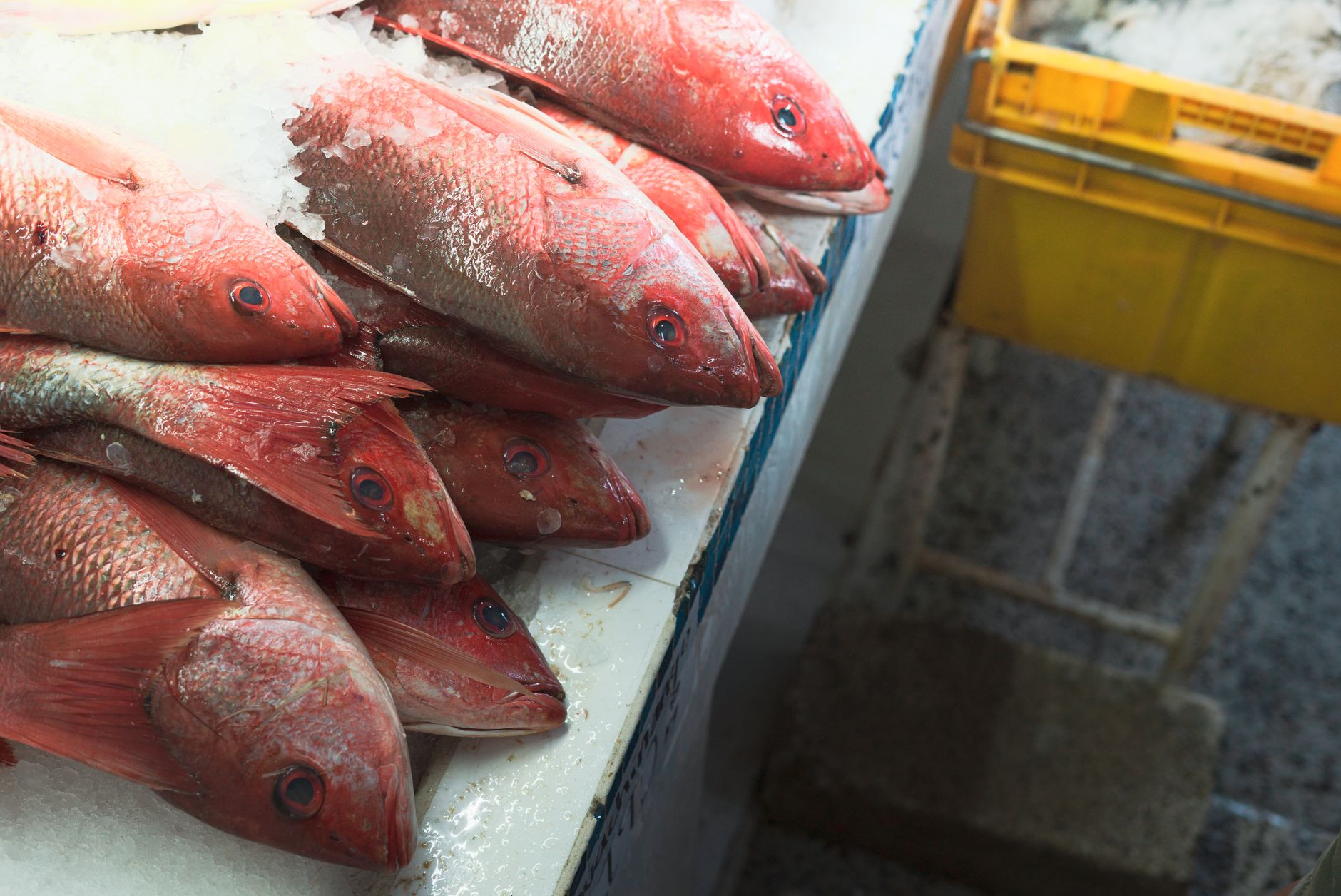
Cooking frozen fish can be trickyget it wrong, and you end up with a mushy, unappetizing plate. But with the right techniques, cooking frozen fish yields tender, flaky, and flavorful results just like fresh fish. Whether you thaw it first or cook it straight from the freezer, mastering the texture means avoiding common mistakes. Lets explore how to cook frozen fish perfectly every time.
Why Does Frozen Fish Mush?
What Happens to Fish When Its Frozen?
Freezing fish preserves its freshness but also changes its texture. When fish freezes, water inside its cells turns into ice crystals. These crystals grow and can puncture the delicate cell walls. This rupture causes moisture to escape when cooking, leading to the dreaded mushy texture as the flesh loses its firmness.
This process is why some frozen seafood can feel watery or soft after cooking. According to food science studies on fish freezing, the size of ice crystals is influenced by freezing speedthe faster the freeze, the smaller the crystals, and the better the texture upon cooking.
How Thawing Affects Texture
One major culprit for mushy fish is improper thawing. Thawing too quickly or unevenly causes excess moisture to leak out. If the fish is allowed to sit at room temperature, bacteria can multiply, which is unsafe and damages texture.
Cooking fish directly from frozen is possible, but you need to account for longer cooking times and moisture release adjustments. Anecdotally, many cooks find thawing in the refrigerator overnight yields the best balance of texture and safety.
Thawing Frozen Fish Safely
Should You Always Thaw Frozen Fish?
The short answer: usually yes, but not always. Thawing first helps the fish cook evenly and retain texture. However, some cooking methods, like baking or pan-searing, allow fish to be cooked from frozen without texture loss if done properly.
For halal-conscious consumers, it‘s crucial to thaw fish safely to avoid bacterial growth, which can compromise food safety. Thawing in the refrigerator between 1C and 5C keeps fish safe according to food safety standards endorsed by many certification bodies such as JAKIM.
Recommended Thawing Methods
- Refrigerator Thawing: Place frozen fish in a sealed container or wrap. Thaw in the fridge for 812 hours, depending on fish thickness.
- Cold Water Bath: Seal fish airtight, submerge in cold water, changing water every 30 minutes. Takes 12 hours for fillets.
- Avoid: Microwave thawing and room temperature thawingthey dry out fish and cause uneven defrosting.
Thawing Tips: Timing and Testing Readiness
Smaller fillets thaw fastertypically 6 to 8 hours refrigerated. Whole fish or thicker cuts need 12 to 24 hours. Gently press the fishif its still icy beneath the surface, it needs more time. Avoid cutting to test, as this releases moisture prematurely.

Best Cooking Methods for Frozen Fish
Top Methods for Thawed and Frozen Fish
Baking, pan-searing, and grilling each bring out excellent flavor without sogginess. High heat quickly cooks fish, sealing moisture inside the flesh for a firm bite. Steaming or slow poaching often leads to mushiness due to excess moisture exposure and lower temperatures.
For thawed fish, aim for medium-high heat. Pan-searing on medium heat for 8 minutes4 minutes per side for 1-inch-thick filletsis ideal. Baking works well at 200C (400F) for 1215 minutes depending on thickness.
Cooking Frozen Fish Without Thawing
When cooking fish straight from the freezer, adjust cooking times by increasing them approximately 50%. For example, pan-sear frozen fillets for 6 minutes on the first side, then flip and cook for another 67 minutes.
Firm, lean fish like cod, tilapia, or haddock are perfect candidates for this. Avoid oily fish like salmon or trout for direct frozen cooking as they benefit from gentler handling.
Remember to pat the frozen fish dry and season with salt and spices immediately after removing excess frost to enhance the final flavor layer.
Common Mistakes That Cause Mushiness
- Overcookingfish cooks fast, so check for doneness early.
- Excessive liquid or marinadestoo much moisture dilutes texture.
- Skipping surface drying before cookingwet fish steams instead of sears.
Cooking Frozen Seafood Variations
Differences in Cooking Shrimp and Shellfish
Unlike fish, shrimp and shellfish have less fat and firmer texture post-freezing. They cook faster and require less thawing time. Cooking frozen shrimp directly in boiling water or sauting yields excellent results, but always watch cooking times to avoid rubberiness.
General Tips for Frozen Seafood
- Thaw shellfish quickly in cold water to maintain texture.
- Use minimal liquid cooking methods for a firm bite.
- Marinate briefly to avoid overpowering delicate flavors.
Storage and Preparation Tips
Freezing and Storing for Quality
Purchasing Halal-certified frozen fish ensures traceability and ethical handling, often found under JAKIM or IFANCA labels. Store frozen fish at -18C or below to preserve quality for 36 months. Avoid freezer burn by wrapping fish tightly in vacuum-sealed or freezer-grade bags.
Signs of freezer burn include dry patches and off-colors, which negatively affect taste and texture.
Preparing Frozen Fish for Cooking
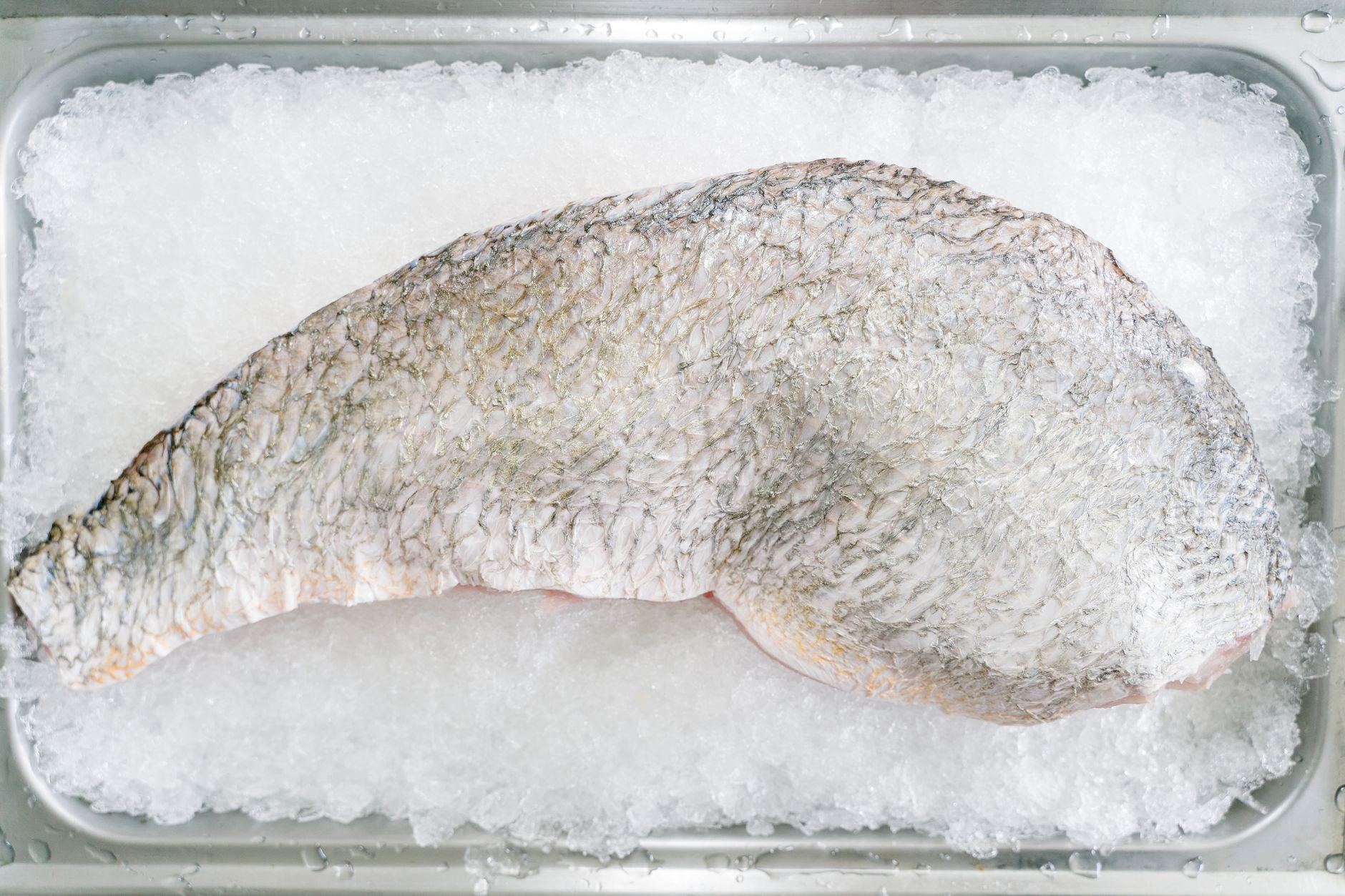
Before cooking, remove excess ice crystals by patting the fish dry with paper towels. Seasoning frozen fish right after drying helps flavors adhere better. Avoid marinating for more than 15 minutes as frozen fish is more delicate.
Foods to Eat After Wisdom Teeth Removal
If you or a loved one is recovering from dental surgery, softer foods like well-cooked fish are ideal choices. For more ideas, check out our guide on Foods to eat after wisdom teeth removal.
Donut Peaches: A Sweet Treat
For something sweet but gentle on the palate after thawing fish meals, consider trying seasonal fruits like Donut peaches.
When Is the Best Time to Eat Cooked Fish?
Fish is best served immediately after cooking while the flavor and texture are fresh. Consume cooked fish within 2 hours at room temperature or store it in the fridge to enjoy within 12 days, ensuring it stays safe and moist.
Is Frozen Fish Actually HalalWhat Should I Check?
Frozen fish can be Halal, but check for certification logos from recognized bodies like JAKIM, HMC, or IFANCA on the packaging. Confirm that freezing and handling processes meet Halal standards for cross-contamination and cleanliness.
Can I Cook Frozen Fish in the Microwave?
Microwave thawing is not recommended as it causes uneven cooking and texture issues. Slow, controlled thawing methods produce a better final dish and safer results.
How Long Does It Take to Cook Frozen Fish?
Cooking times vary by thickness and method. As a rule, add 50% more cooking time for frozen versus thawed fish. For example, bake thawed fillets for 12 minutes at 200C, so cook frozen ones for about 18 minutes.
How to Avoid Overcooking Fish?
Use a timer and check doneness by flaky texture and opaque color. Pull fish from heat just as it becomes opaque; it will finish cooking with residual heat, keeping it tender.
Is It Better to Remove Skin Before Cooking Frozen Fish?
Skin-on fillets help retain moisture and flavor during cooking. Keep skin on for pan-searing or grilling and crisp it up for texture contrast. Skin removal is mainly personal preference or recipe-specific.
What Spices Work Best With Frozen Fish?
Mild spices like garlic, lemon, dill, and paprika enhance flavor without overpowering the natural taste. Use salt judiciously as over-salting can draw moisture and affect texture.
Pro Tips for Perfect Frozen Fish
- Pat fish thoroughly dry before seasoning to avoid steaming instead of searing.
- Use a hot pan or oven to create a quick crust that locks moisture in.
- If thawing in cold water, ensure the fish is in an airtight bag to avoid contamination.
Remember, inexpensive frozen fish often lacks quality control and may have larger ice crystals causing softer textures. Invest in Halal-certified, high-grade frozen fish for the best experience.
More You Might Like
Looking for gentle foods while healing? Our Foods to eat after wisdom teeth removal article has tasty, soft suggestions.
When you want a sweet refreshment, try exploring the delicate flavor of Donut peachesa great way to end a balanced meal.
Conclusion
Cooking frozen fish well comes down to proper thawing, drying, and choosing the right cooking method. Avoiding mushiness is easier than you think with these practical tips and attention to detail. Next time you explore frozen fish options, try these expert tricks and enjoy a delicious, Halal-certified meal that tastes fresh every time. Wed love to hear about your experiences or questions in the comments below.
FAQs
When is the best time to eat or drink cook frozen fish?
Cooked frozen fish is best served immediately after cooking to enjoy its fresh flavor and texture. If not eaten right away, store it in the refrigerator and consume within 1-2 days to maintain safety and quality.
Is cook frozen fish actually Halal — what should I check on the label?
Frozen fish can be Halal if certified by recognized bodies like JAKIM, HMC, or IFANCA. Check the packaging for these certification logos and verify the handling meets Halal standards to avoid cross-contamination.
How long does cooked frozen fish stay fresh after opening?
Once cooked, frozen fish should be eaten within 1-2 days if refrigerated. Keep it in an airtight container and consume promptly to avoid spoilage and maintain its texture and flavor.
What is the difference between cooking frozen fish and fresh fish?
Frozen fish requires longer cooking times—about 50% more—than fresh fish. Proper thawing and drying are key to avoid mushiness, while fresh fish cooks more evenly and quickly with a firmer texture.
Where can I buy high-quality halal frozen fish?
Look for halal-certified frozen fish at specialty halal grocery stores, reputable supermarkets, or online retailers. Verify certification labels like JAKIM or IFANCA to ensure authenticity and quality.