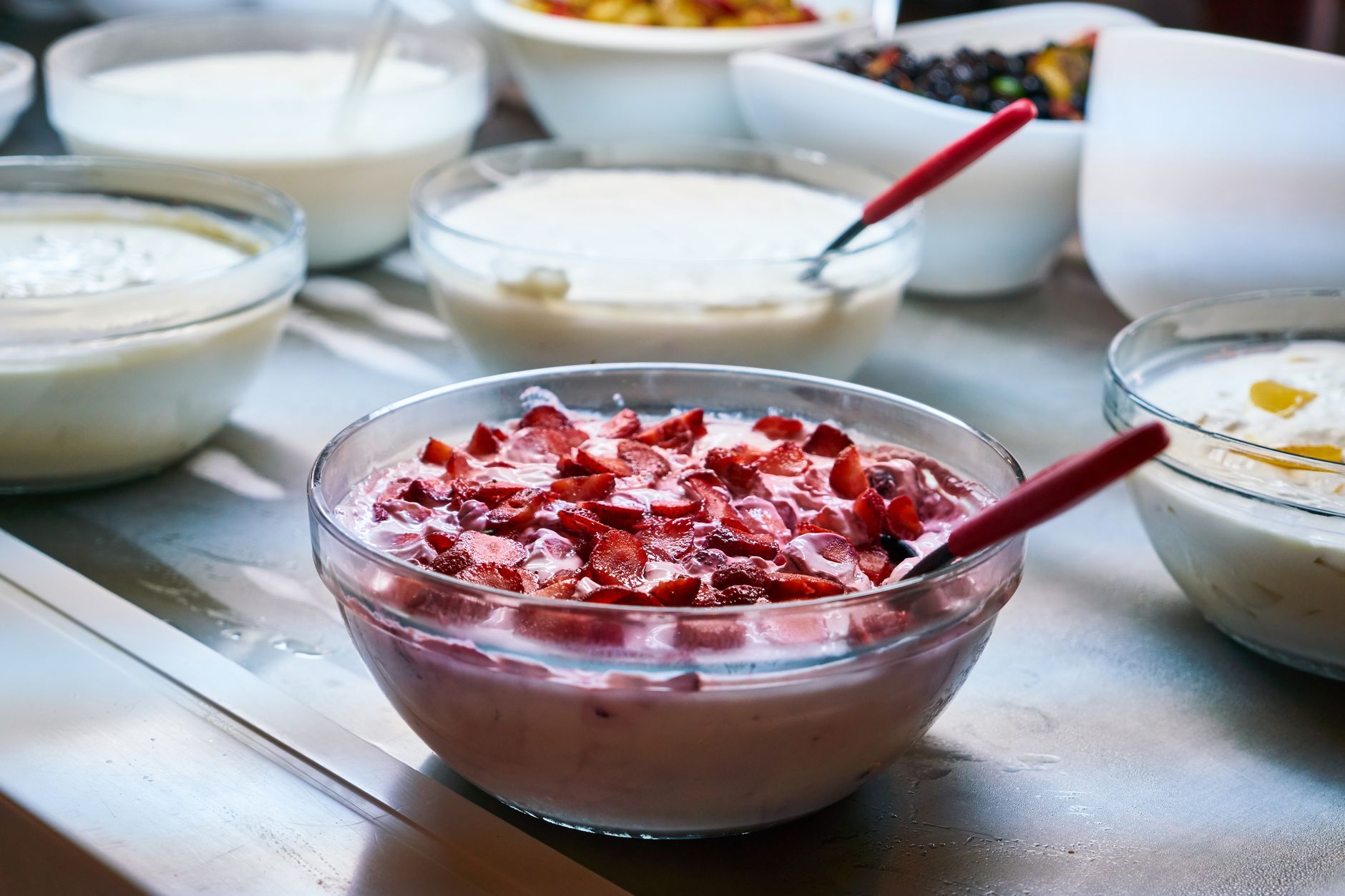
Finding the right high protein yogurt can seem overwhelming with so many options on grocery shelves. Whether you‘re building muscle, managing hunger, or seeking a nutritious snack, not all yogurts labeled high protein truly offer what your body needs. This guide helps you sort the facts from marketing hype, understand labels, and choose the best halal-certified products that deliver quality and taste.
Why Choose High-Protein Yogurt?
What Makes High Protein Yogurt Different?
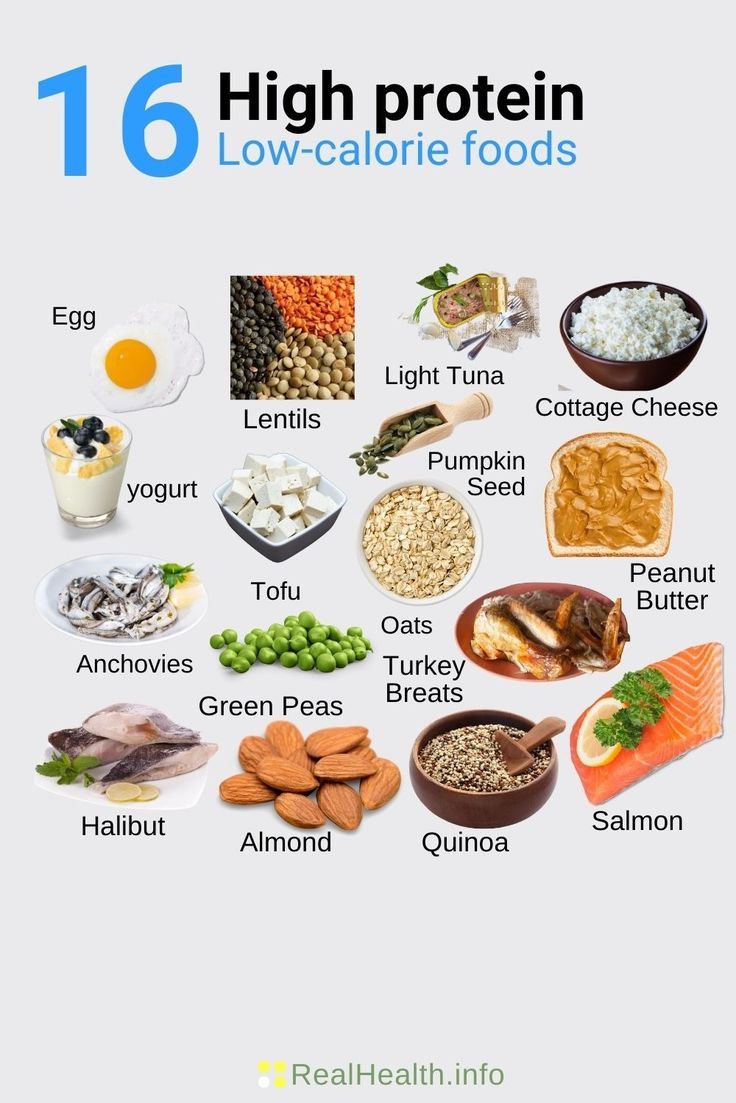
High protein yogurt stands apart from regular yogurt mainly due to its elevated protein content, typically ranging from 10 to 20 grams per serving. In contrast, traditional yogurts often have only 5 grams or less. The key proteins in these yogurts are usually whey and casein both high-quality complete proteins that contain all essential amino acids your body needs for repair and growth.
This increase in protein comes from using milk with adjusted protein-to-fat ratios or straining processes that concentrate protein, such as in Greek or Icelandic yogurts. According to the USDA FoodData Central database, typical Greek yogurt contains about 17 grams of protein per 170-gram serving, doubling the protein of regular plain yogurt.
How Can High Protein Yogurt Support Muscle Growth?
Protein plays a critical role in muscle recovery and synthesis. After exercise, consuming high-quality protein like that in yogurt helps repair microscopic muscle fibers, encouraging growth and strength. Active individuals and athletes often include high protein yogurt as a quick, convenient source of muscle-building nutrition.
For many, yogurt also provides a slow-digesting protein (casein) that can sustain muscle repair overnight when eaten before bed. Its probiotics and calcium add benefits for gut health and bone strength, supporting overall wellbeing in a balanced diet.
Are There Downsides to Eating Too Much Protein Yogurt?
While beneficial, consuming excessive protein yogurt might cause digestive discomfort for some people, such as bloating or gas, especially if lactose intolerant. Some brands also contain added sugars or artificial ingredients that can offset health benefits. Moderation is key, and choosing products with clean labels and controlled sugar levels is advisable.
Moreover, relying solely on yogurt for protein without variety might limit nutritional diversity. Balancing it with other protein sources and fiber-rich foods ensures overall diet quality.
Top Benefits & Possible Risks of High Protein Yogurt
- Benefits: Supports muscle growth, improves satiety, rich in calcium and probiotics.
- Risks: Possible digestive issues if lactose intolerant, some products high in added sugar.
How to Identify the Best Protein Yogurt
What to Look for on the Nutrition Label
When shopping, check the protein content first aim for at least 10 grams per serving to qualify as high protein. Pay close attention to sugar levels; 5 grams or less per serving is ideal, though some flavored yogurts tend to be higher.
Ingredients listed near the top should reflect whole milk, milk protein concentrate, or whey protein avoid brands with unpronounceable additives or artificial sweeteners. For those seeking Halal assurance, look for certification logos from bodies like JAKIM, HMC, or IFANCA on the packaging. These confirm compliance with Islamic dietary laws, ensuring trustworthy sourcing and processing.
Dairy vs. Non-Dairy High Protein Yogurts
Dairy-based high protein yogurts generally provide more complete protein profiles compared to most plant-based alternatives. However, innovations in plant protein blendscombining pea, soy, and almond proteinsare narrowing this gap, offering Halal-friendly options for those avoiding dairy. One trade-off lies in texture and taste; dairy yogurts tend to be creamier and tangier, while plant-based varieties may vary widely.
To explore more about plant-based options, check out this Plant based food guide.
Are All High Protein Labels Trustworthy?
Unfortunately, not always. Marketing can inflate claims a yogurt might be protein-enriched but still low in actual protein per serving. Beware of misleading terms like source of protein that do not meet high protein criteria. Authentic high protein yogurts clearly state grams of protein on the front or nutrition panel, backed by transparent ingredient lists.
Some brands add isolated protein powders but skimp on nutritional quality or taste. Choosing brands with clear sourcing policies and visible Halal certifications helps ensure product integrity.
Protein Yogurt Comparison Table
| Certification | Price Range | Common Formats | Shelf Life | Key Allergens |
|---|---|---|---|---|
| JAKIM Halal, HMC | $1.50$3.00 per serving | Greek cup, drinkable, tubs | 3045 days unopened | Milk, sometimes nuts (in flavored) |
| IFANCA Halal | $2.00$3.50 per serving | Organic varieties, plain/flavored | 30 days unopened | Milk |
| Halal-certified plant-based | $2.50$4.00 per serving | Almond, soy, pea protein yogurts | 2030 days unopened | Soy, tree nuts |
Best Protein Yogurt Brands You Can Trust
What Makes These Brands Stand Out?
Top brands distinguish themselves through transparent sourcing, quality protein content, and strict Halal certification. They often prioritize clean, simple ingredient lists without hidden sugars or fillers. These brands maintain rigorous quality control and openly share nutritional data, building confidence for consumers who care about both health and religious compliance.
Top 5 Protein Yogurt Brands
- Fage Total Greek Yogurt: Rich in protein (17g/170g), low sugar, and widely Halal-certified.
- Siggis Icelandic Skyr: Thick texture, 1517g protein, clean ingredients, with recognized Halal seals.
- Chobani Greek Yogurt: High protein, available in multiple Halal-certified lines, no artificial sweeteners.
- Al Safa Plant-Based Yogurt: Pea protein-based, Halal-certified, perfect for dairy-free diets.
- Almarai Greek Yogurt: Popular in Middle East markets, certified Halal, good protein content and clean labels.
Personal Experiences and Reviews
Fitness enthusiasts often praise Greek and Icelandic yogurts for their creamy texture and ability to keep hunger at bay during long gym sessions. Nutritionists recommend them as convenient protein boosts, especially for those with active lifestyles. Users appreciate brands that balance taste with authentic Halal assurance, avoiding concerns over hidden ingredients.
Where to Buy These Brands
Most can be found at well-stocked grocery stores, specialty Halal markets, and online halal food retailers. Availability depends on your region, but many brands ship globally or have local halal distributors. Keeping an eye on shelf expiration and refrigeration conditions guarantees freshness.
How to Incorporate High Protein Yogurt Into Your Diet
Simple Recipe Ideas
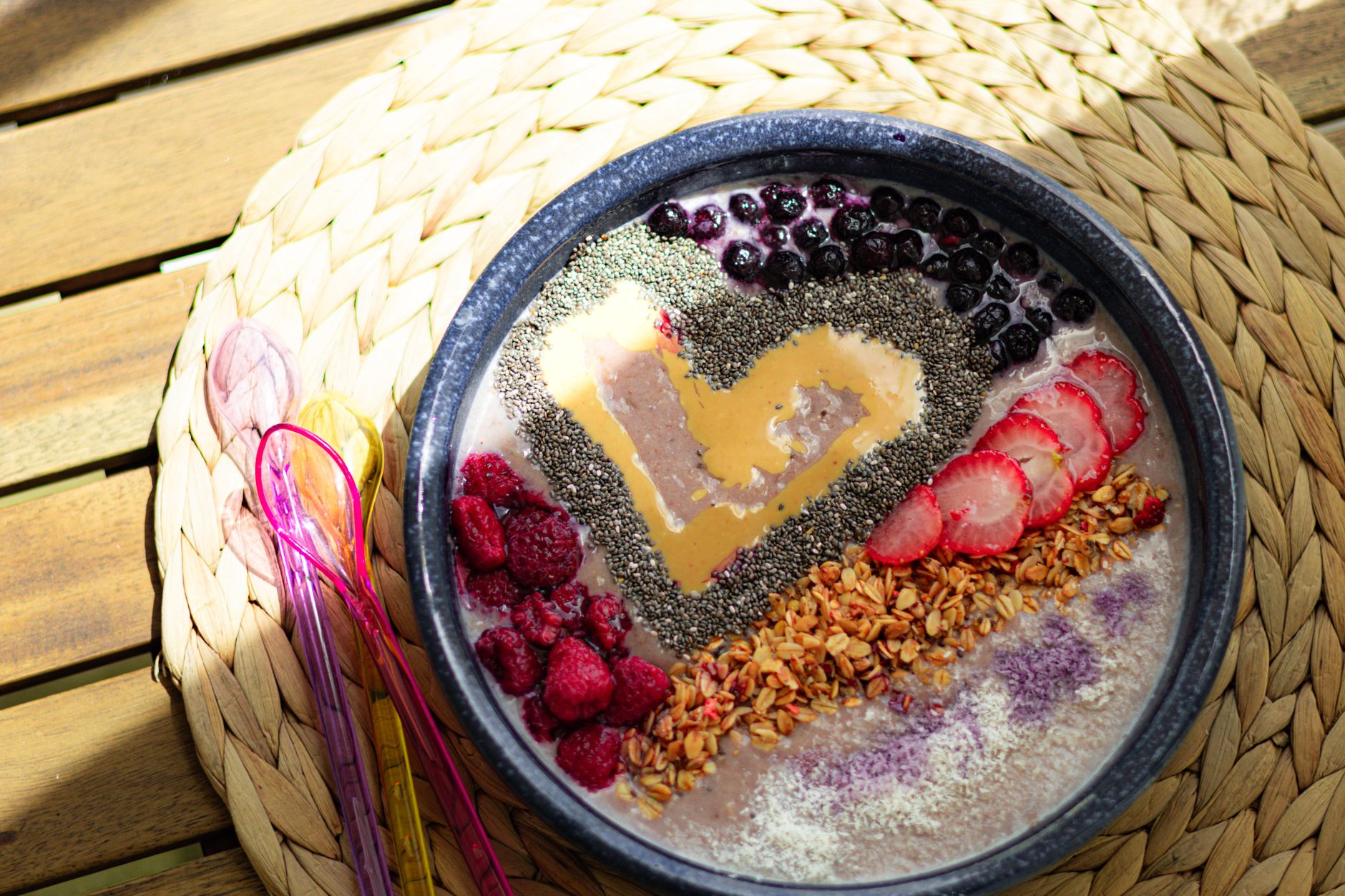
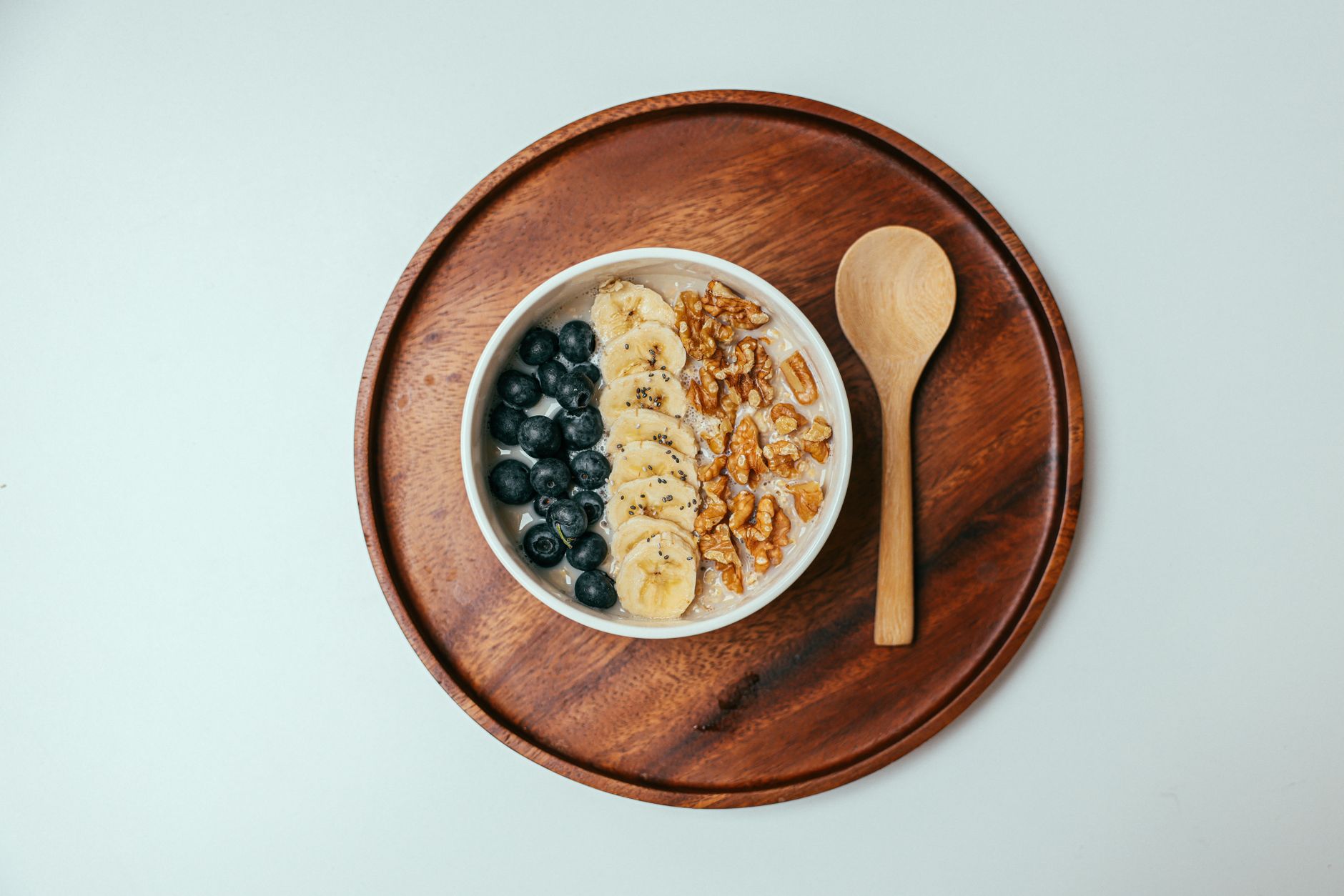
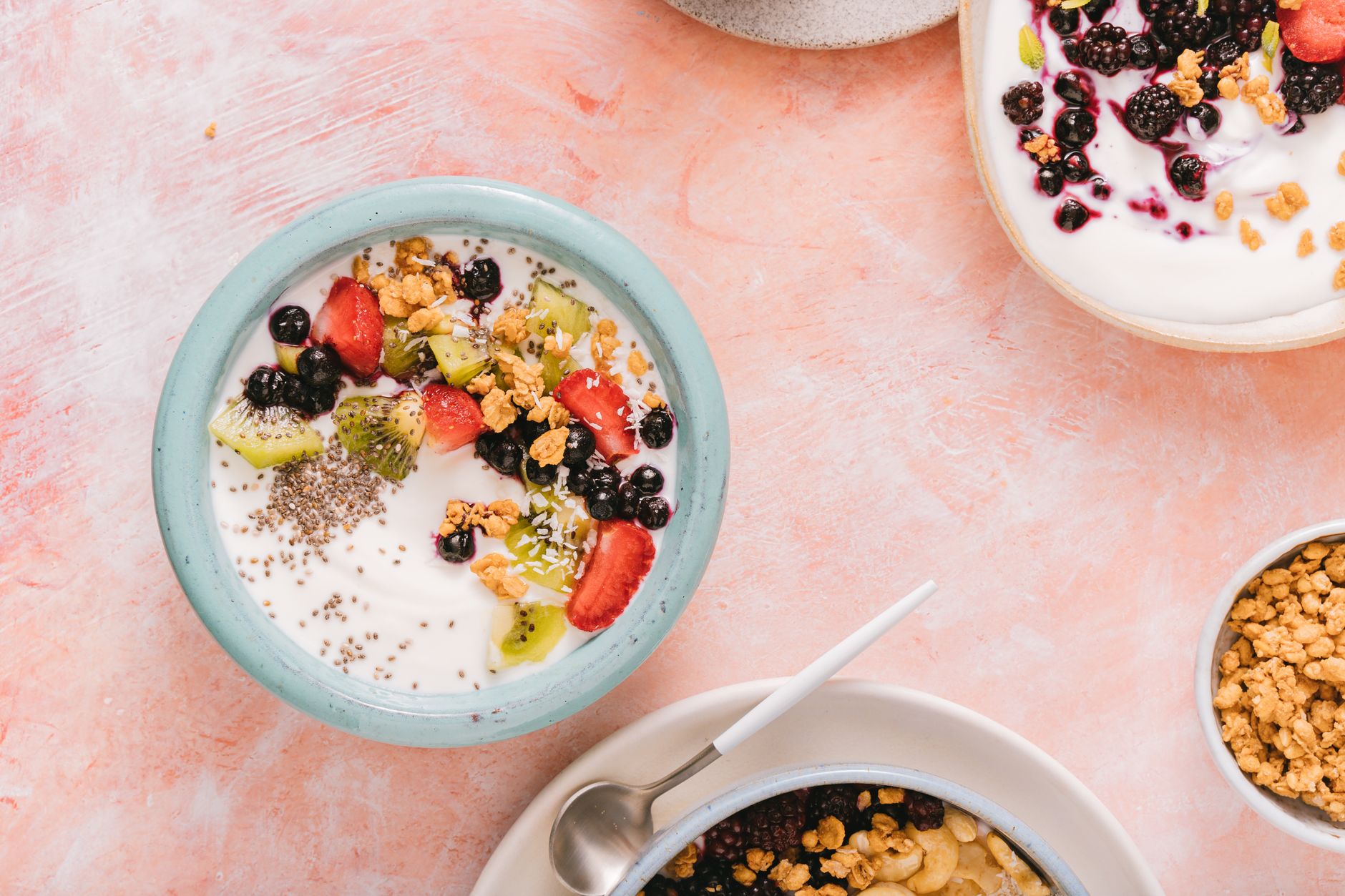
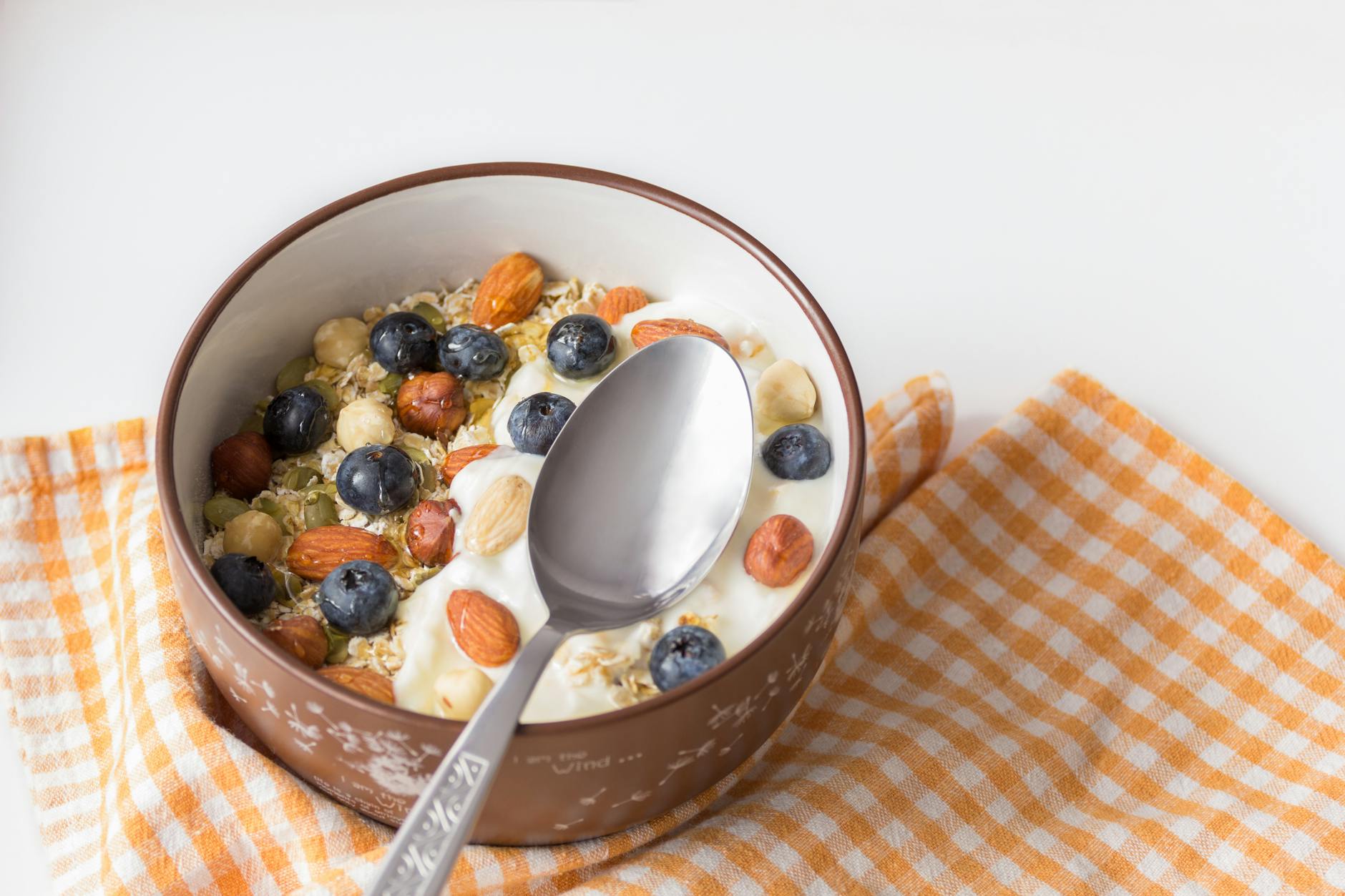
Start your day with a bowl of high protein yogurt topped with fresh berries, honey, and a sprinkle of toasted nuts. Post-workout, add a scoop of oats and chia seeds for a nutrient-rich recovery snack. For a quick dessert, mix yogurt with chopped dates and a pinch of cinnamon.
Combining With Other Healthy Foods
Pair it with fiber-rich fruits like bananas or apples to encourage digestion. Adding seeds such as flax or pumpkin boosts healthy fats and minerals. Granola can add crunch but watch sugar content. These combinations keep meals balanced and satisfying.
Meal Timing and Portioning
Consume high protein yogurt within 30 minutes after exercise to maximize muscle repair. Portion sizes between 150200 grams provide sufficient protein without overindulging. Incorporate yogurts as snacks or meal components rather than sole protein sources.
Is High Protein Yogurt Actually Halal What Should I Check?
To ensure your yogurt is truly halal, look for certified logos from recognized bodies such as JAKIM, HMC, or IFANCA printed on packaging. These certifications confirm that all ingredients, including cultures and processing agents, comply with Islamic dietary laws. Avoid brands lacking clear halal claims or from unverified sources.
When Is the Best Time to Eat High Protein Yogurt?
The best times are post-workout for muscle recovery, breakfast to boost satiety, or as a healthy snack between meals. Consuming it before bed also supports overnight muscle repair, thanks to its casein content.
Can Non-Dairy Yogurts Provide Enough Protein?
Plant-based yogurts are improving, but many still have lower protein than dairy versions. Look for fortified options with added pea or soy protein to meet your needs. Confirm halal certification and ensure the yogurt fits your dietary preferences.
How Long Does High Protein Yogurt Last After Opening?
Store opened yogurt in the refrigerator at or below 4C (39F). It typically lasts 57 days if kept in a sealed container. Always check for off smells or mold before consuming.
Is High Protein Yogurt Suitable for Weight Loss?
Yes, its high protein content helps increase satiety and preserve muscle during calorie deficits. Choose low-sugar, plain versions to avoid excess calories. Pairing with fiber-rich foods further supports healthy weight management.
Can High Protein Yogurt Help With Digestive Health?
Many yogurts contain live probiotic cultures that support gut microbiome balance. This can aid digestion and immunity. However, if you experience flare-ups with dairy, explore tolerated options like certain plant-based yogurts or probiotics from other sources. For those with digestive concerns, this guide on Best foods to eat during colitis flare-up may provide more help.
What Is the Most Common Mistake When Buying High Protein Yogurt?
Many consumers choose based on flavor or price alone, overlooking protein content and ingredient quality. Cheaper yogurts often contain fillers, low protein, or high sugars that undermine health goals. Always read the label carefully and prioritize trusted halal-certified brands.
Why Do Cheap Versions Often Disappoint?
Lower-cost yogurts might skimp on protein concentration or use artificial thickeners that affect texture and nutritional value. They may also add excess sweeteners to mask blandness, creating a less satisfying experience and unbalanced nutrition.
Expert Buying Tip for Choosing High Protein Yogurt
Look for yogurts that specify protein per serving rather than just source claims. Opt for plain or lightly flavored varieties to control sugar intake. Confirm halal certifications and check ingredient simplicity fewer additives often mean higher quality and better digestion.
More You Might Like
- Looking for nutritious options to soothe your digestive system? Check our guide on Best foods to eat during colitis flare-up for gentle diet ideas.
- If you‘re interested in reducing dairy, explore wholesome alternatives in our Plant based food article featuring halalimplied options.
Conclusion
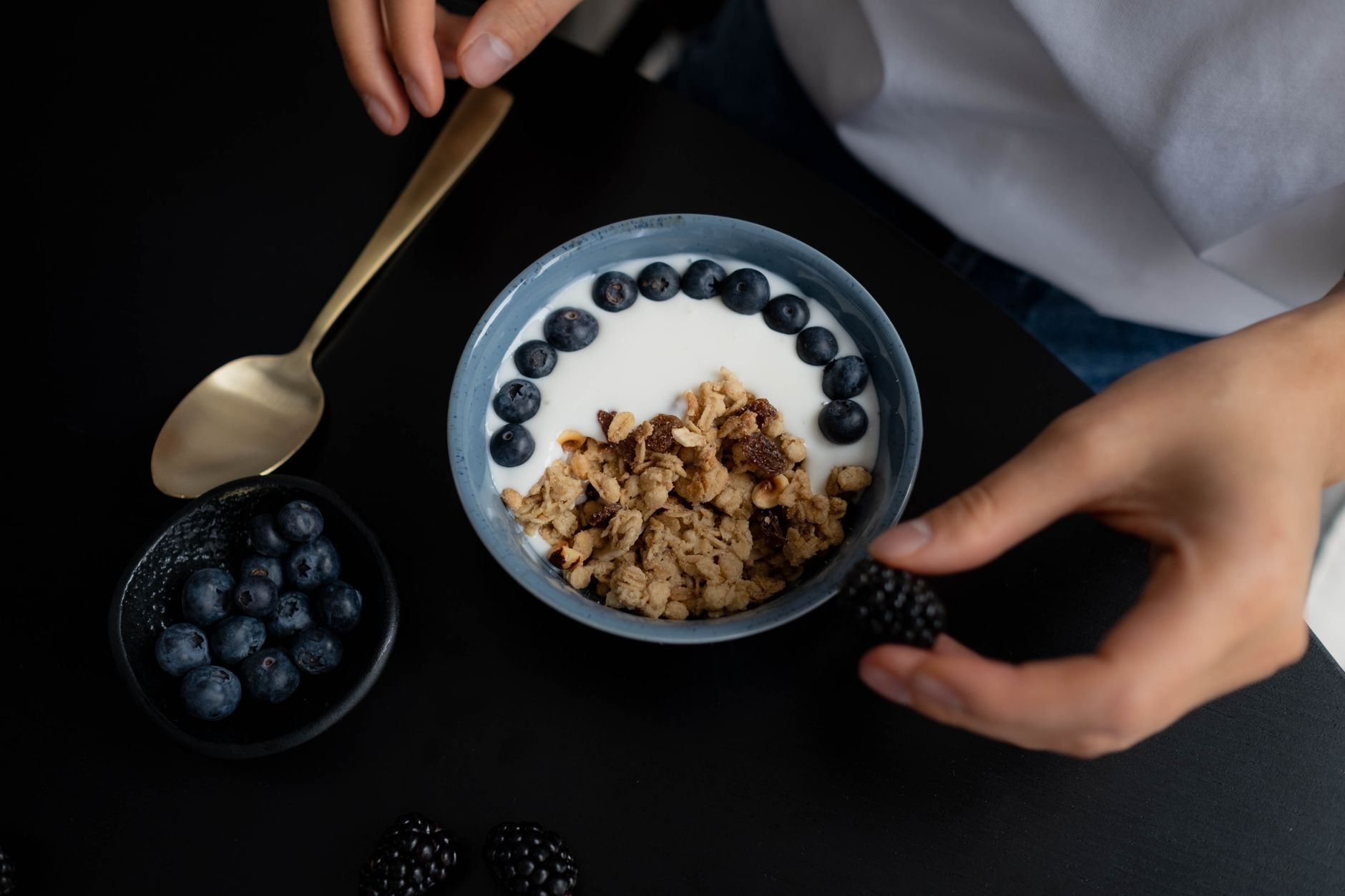
Choosing the best high protein yogurt requires more than just trusting labels; it means looking closely at protein content, sugar levels, and halal certification. When you shop with this knowledge, you find tasty, nutritious options that support muscle growth and overall health. Next time you visit the store, take a moment to check the label carefully your body and palate will thank you. Feel free to share your favorite halal-certified yogurt brands or recipes in the comments below.
FAQs
Is high protein yogurt actually Halal — what should I check on the label?
To ensure high protein yogurt is truly halal, look for certification logos from recognized bodies such as JAKIM, HMC, or IFANCA on the packaging. These certifications confirm that all ingredients and processing methods comply with Islamic dietary laws, guaranteeing trustworthy halal sourcing and production.
How long does high protein yogurt last after opening?
Once opened, store high protein yogurt in the refrigerator at or below 4°C (39°F). It typically remains safe for 5 to 7 days if kept sealed properly. Always check for off smells, mold, or changes in texture before consuming.
What is the difference between high protein yogurt and regular yogurt?
High protein yogurt contains significantly more protein, usually 10 to 20 grams per serving, compared to regular yogurts that often have 5 grams or less. This is often achieved through straining or added protein to support muscle growth and improved satiety.
Is it safe to eat high protein yogurt every day?
Eating high protein yogurt daily is generally safe and beneficial for muscle repair and overall nutrition, especially if you select low-sugar, clean-label products. However, moderation is advised to avoid digestive discomfort, especially if you are lactose intolerant or sensitive to dairy.
Where can I buy trusted halal-certified high protein yogurt brands?
Trusted halal-certified high protein yogurts can be found at well-stocked grocery stores, specialty halal markets, and online halal food retailers. Availability may vary by region, so look for verified halal logos and shop from reputable sellers.