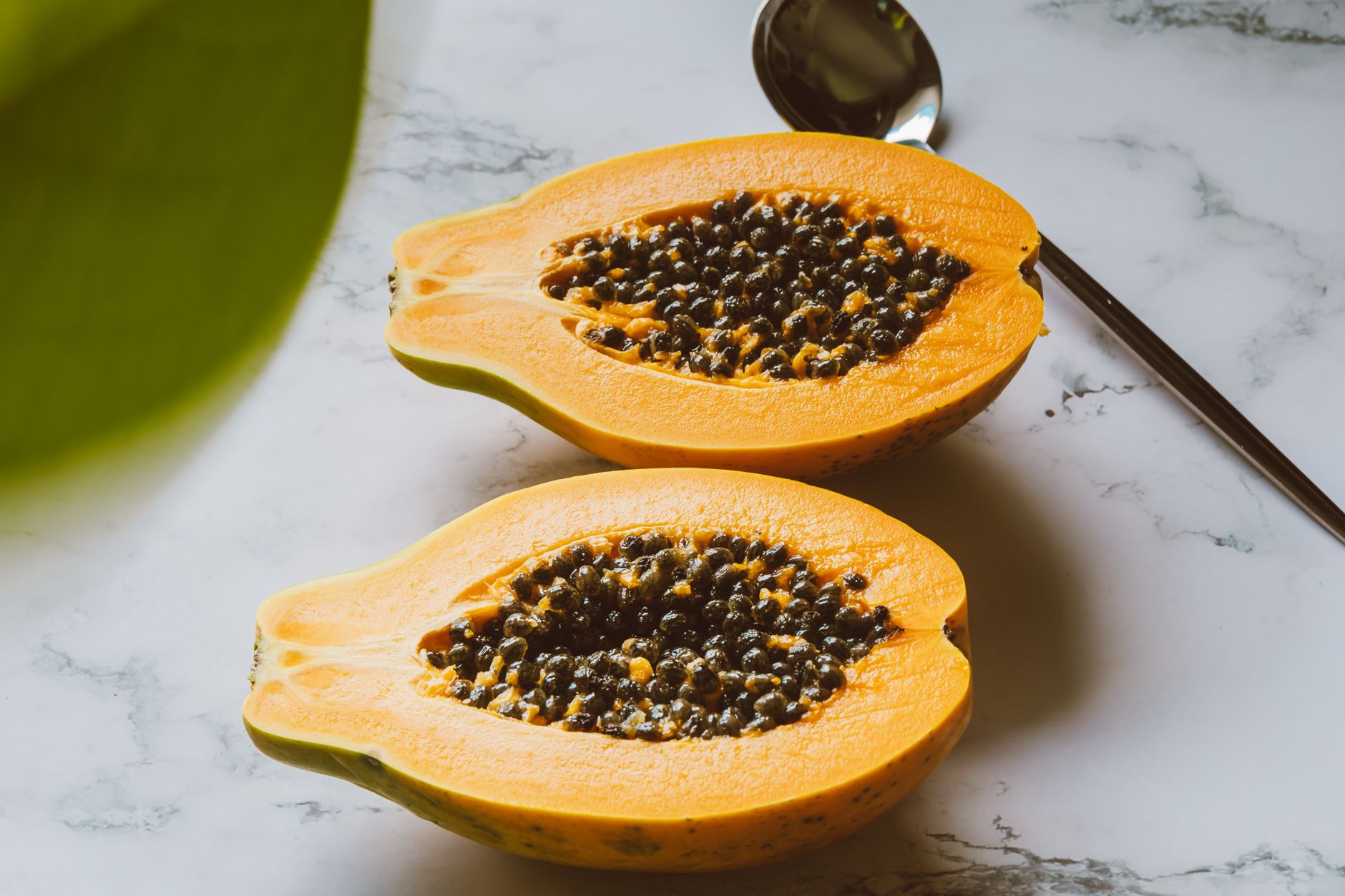
Picking a ripe papaya can be tricky if you dont know what to look for. Choosing ripe papaya ensures a sweet, tender fruit bursting with flavor and nutrients every time you buy it. With just a few simple tips on colors, texture, and smell, youll avoid disappointment and enjoy papayas at their best. Lets explore how you can quickly choose ripe papaya with confidenceno guesswork needed.
Signs of Ripeness
How to Pick Papaya Thats Ripe and Ready to Eat
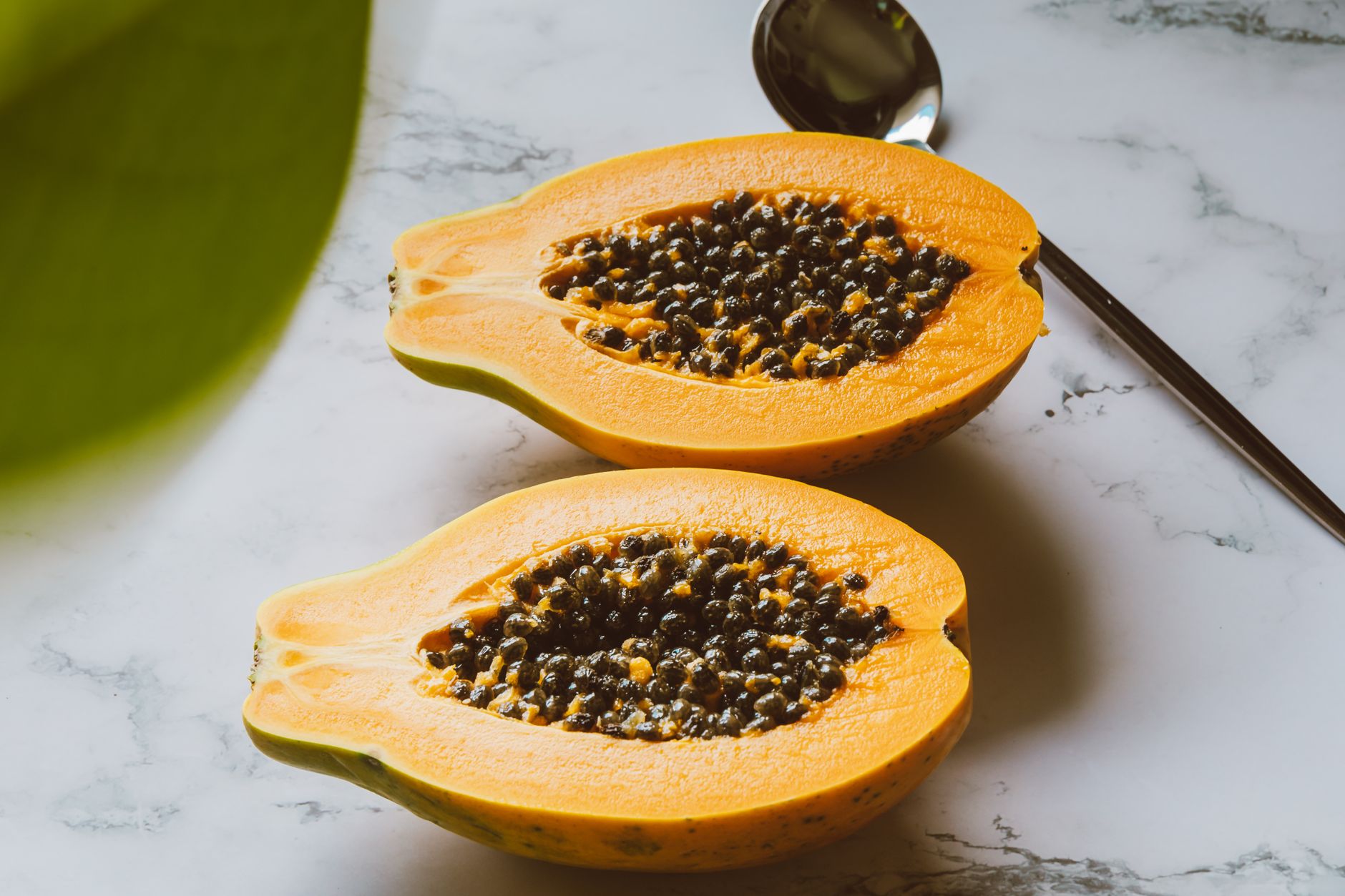
When learning how to choose ripe papaya, the first thing to check is the color. A ripe papaya typically shows a mostly yellow or orange skin, sometimes with small patches of green still lingering. If your papaya is mostly green, its likely unripe and wont taste sweet yet.
Next, feel the fruit gently. A ripe papaya should be slightly soft to the touchthink of the texture of a ripe avocado or peach. It shouldnt feel mushy or overly squishy. Too firm means its unripe, while too soft may indicate overripeness.
Dont forget the smell test near the stem end. A ripe papaya emits a fragrant, sweet, fruity aroma. If you detect no scent, it likely needs more ripening. This simple sniff can save you from picking fruit that tastes bland.
Finally, choose papayas that feel heavy for their size. Heavier papayas often have juicier flesh inside, making them more enjoyable to eat.

Ripe Papaya TipsCommon Mistakes to Avoid
Avoid picking papayas that are overly soft or have dark, sunken spots, which usually indicate bruising or overripeness. While small freckles or natural spots are normal and safe to eat, large bruises can affect the fruits taste and texture.
Be careful not to rely on color alone. Some green papayas have started ripening internally, but generally, green skin means underripe fruit. Using your hands for a gentle squeeze and your nose for aroma is essential.
Papaya Selection Guide
Step 1: Visual Inspection for Ripe Papaya
Start your selection by closely examining the skin color. Look for a papaya that is mostly yellow-orange with perhaps some green patchesnot entirely green or dull. Avoid fruits with mold, cracks, or big blemishes on the skin; these are signs of spoilage or poor handling.
Step 2: The Feel and Smell Method
Hold the papaya in one hand and gently press your thumb against the surface. It should give just slightly, indicating the fruit is ready to eat but not mushy. Then, bring the papaya close to your nose and inhale near the stem. A sweet, tropical aroma usually means its perfectly ripe.
Quick Comparison Table: Ripe vs Unripe Papaya Characteristics
| Criteria | Ripe Papaya | Unripe Papaya |
|---|---|---|
| Color | Mostly yellow/orange | Mostly green |
| Texture | Slightly soft, yielding | Firm, hard |
| Aroma | Sweet, fruity smell | Little to no smell |
| Weight | Heavier for size | Lighter |
Benefits and Risks
Health Benefits of Eating Ripe Papaya
Ripe papaya is a nutritional powerhouse. It contains papain, a natural enzyme that aids digestion by breaking down proteins. Papaya is also rich in vitamins A and C, which support immune function and skin health. According to the USDA FoodData Central, a cup of ripe papaya offers over 100% of the daily vitamin C value, making it excellent for boosting your antioxidant intake.
Risks of Eating Unripe or Overripe Papaya
Eating unripe papaya, which is firm and green, can sometimes cause mild digestive discomfort due to higher latex concentrations that may irritate sensitive stomachs. On the other hand, overripe papayas may ferment quickly, leading to unpleasant taste and texture, along with potential food safety risks if spoiled.
Choosing your fruit carefully and storing it properly reduces these risks significantly and ensures you enjoy the freshest, safest papaya.

Expert Tips and Tricks
Insider Advice from Produce Experts
Experts advise adjusting your approach depending on where you buy papaya. At markets, look closely for papayas that are strong in aroma and slightly soft, since they may not be pre-ripened like in supermarkets. In supermarkets, many papayas are ripened artificially with ethylene gas, so they might look yellow but still be firm inside.
If you buy an unripe papaya, place it in a brown paper bag at room temperature. Adding an apple or banana in the bag speeds ripening by releasing ethylene gas naturally. Usually, papayas ripen this way within 23 days.
Store ripe papaya in the refrigerator to keep it fresh for 34 days. If you cut it, store the pieces in an airtight container and consume within 2 days for the best taste and safety.
When selecting Halal-certified fruit products that may include papaya, such as juices or dried snacks, look for certification logos from trusted bodies like JAKIM, HMC, or IFANCA to ensure compliance with your dietary requirements.
Personal Anecdote
One customer shared how she used to buy papayas that always ended up hard or sour. After following simple tipschecking color, aroma, and feelshe now enjoys sweet, juicy papayas almost every time without waste. Sometimes a small change in how you select fruit makes a big difference!

Certification | Price Range | Common Formats | Shelf Life | Key Allergens
| Certification | Look for JAKIM, IFANCA, HMC logos (for processed papaya products) |
|---|---|
| Price Range | $1.50 - $4.00 per fruit (varies by size and region) |
| Common Formats | Whole fresh fruit, dried slices, juices, frozen cubes |
| Shelf Life | 3-7 days refrigerated; 1-2 days cut and stored tightly |
| Key Allergens | Generally allergen-free; watch for cross-contamination in processed products |
Is choose ripe papaya actually Halal what should I check?
Fresh papaya is naturally Halal as it is a fruit. When purchasing Halal-certified processed papaya products like juices or dried varieties, verify the certification via recognized bodies such as JAKIM, HMC, or IFANCA. These logos assure no non-Halal additives or cross-contamination. Always check packaging and certification claims carefully.
When is the best time to eat ripe papaya?
The best time to enjoy ripe papaya is shortly after the fruit has softened and developed a sweet aroma, ideally within 13 days of ripening. Eating it in the morning or as a refreshing afternoon snack maximizes its digestive benefits. Avoid letting it overripen or spoil for the best taste and health effects.
Does refrigeration affect papaya ripeness?
Refrigeration slows papaya ripening. Store unripe papaya at room temperature to ripen, then refrigerate once ripe to keep fresh for 34 days. Cut papaya must always be refrigerated and consumed within 2 days for safety and optimal flavor.
Can unripe papaya be used in cooking?
Yes, unripe green papaya is common in cooking, especially in Asian salads like Som Tam. It has a firm texture and mild flavor ideal for savory dishes but is not sweet like ripe papaya. If you want sweet fruit to eat fresh, always choose ripe papaya.
How do I know if papaya is overripe?
Overripe papaya has very soft or mushy spots, sometimes dark bruises and a fermented or sour smell. The flesh may leak juice or appear overly watery. Avoid buying fruit with these signs unless you plan to use it immediately in smoothies or cooked dishes.
What are the nutritional highlights of ripe papaya?
According to the USDA FoodData Central, ripe papaya is high in vitamin C (over 100% daily value per cup), vitamin A, dietary fiber, and papain enzyme, supporting digestion and immune health. It is low in calories and fat, making it a healthy addition to a balanced diet.
How can I speed up papaya ripening at home?
Place unripe papaya in a paper bag with bananas or apples; the natural ethylene gas speeds ripening within 23 days. Keep the bag at room temperature, away from direct sunlight to avoid overheating the fruit.
Pro Tips for Choosing Ripe Papaya
A common mistake is rushing to buy green papayas hoping theyll ripen quickly, but they often spoil unevenly. Also, avoid overly cheap fruit that may be underripe or stored too long. Expert tip: Always check the stem end for extra softness and aromaits the sweetest spot to help judge ripeness.
When buying from a market stall, engage the vendorexperienced sellers often know exactly which fruit is best ready to eat. And remember to store ripe papayas in the fridge to slow spoilage and extend shelf life.
You might also find it helpful to explore Foods to eat for balanced healthy meals featuring seasonal fruits like papaya. Or avoid digestive issues by learning about the Worst foods to eat with diarrhea, which provides smart tips on gentle diets.
Conclusion
Choosing ripe papaya comes down to checking its color, texture, smell, and weight. With just a little practice, youll quickly spot sweet, tender fruit perfect for snacking or recipes. Next time you shop, try these tips and enjoy papayas at their peak freshness and flavor. Feel free to share your experience or ask questionstheres always more to discover about eating well!
FAQs
Is choose ripe papaya actually Halal — what should I check on the label?
Fresh papaya is naturally Halal as a fruit. For processed papaya products like juices or dried snacks, check for certification logos from recognized bodies such as JAKIM, HMC, or IFANCA. Ensure the packaging clearly states Halal certification to avoid non-Halal additives or cross-contamination.
What is the best way to store ripe papaya and how long does it last?
Store ripe papaya in the refrigerator to keep it fresh for 3 to 4 days. Once cut, place the pieces in an airtight container and consume within 1 to 2 days for the best taste and safety.
How does ripe papaya differ from unripe papaya in taste and use?
Ripe papaya has sweet, tender flesh and a fruity aroma, ideal for eating fresh. Unripe papaya is firm, green, and less sweet, often used in savory dishes like salads rather than raw snacking.
Can eating unripe papaya cause any health issues?
Eating unripe papaya may cause mild digestive discomfort due to higher latex content, which can irritate sensitive stomachs. It’s best to eat ripe papaya for easy digestion and optimal nutritional benefits.
Where is the best place to buy ripe papaya for guaranteed freshness?
Markets with experienced vendors often have freshly harvested, naturally ripened papayas. Supermarkets may carry artificially ripened fruit, so check color, aroma, and texture carefully wherever you shop.