You bite into a piece of chocolate and instantly know something is different. The texture is smoother, the flavor deeper, and the sweetness feels natural. That is often what happens when you try true European chocolate. Whether you are shopping for a gift or satisfying a craving, knowing which brands deliver real quality matters. This guide walks you through 20 trusted European chocolate brands, explains what to look for on the label, and helps you make smarter choices for your next purchase.
Why European Chocolate Brands Stand Out
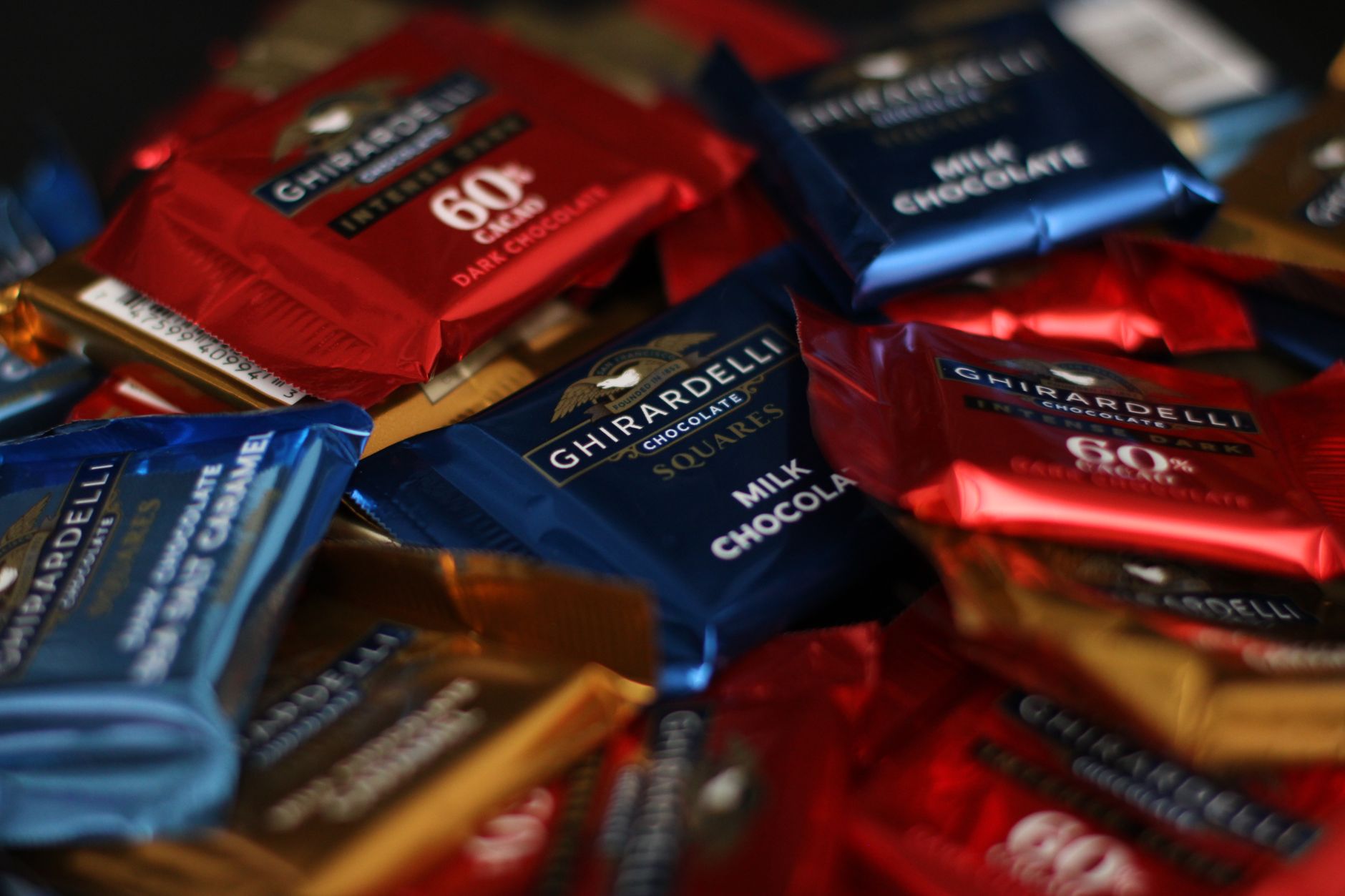
European chocolates have earned their reputation through centuries of craftsmanship. Makers use higher cocoa butter content, finer grinding techniques, and strict sourcing standards. Many brands follow regulations that prohibit vegetable fats replacing cocoa butter (common in cheaper versions). This results in a cleaner melt and richer taste. For Halal-conscious buyers, European brands also tend to offer clearer ingredient lists and certifications.
What Sets European Chocolates Apart from Others?
European chocolates often use single-origin cocoa beans and traditional conching processes that can last up to 72 hours. This reduces acidity and develops smooth, complex flavors. Many brands also avoid artificial preservatives, relying instead on natural emulsifiers like sunflower lecithin. When you see a label from Switzerland, Belgium, or Italy, the product likely meets stricter quality benchmarks.
Health Benefits and Risks of Indulging in European Chocolates
Dark European chocolate with 70% or more cocoa provides antioxidants called flavonoids, which support heart health according to the USDA FoodData Central. However, these chocolates also contain sugar and saturated fat. A 30-gram serving of dark chocolate typically has 1218 grams of sugar and 170200 calories. Moderation is key. Check for Halal certification logos from bodies like JAKIM or IFANCA to ensure no alcohol-based additives or non-Halal emulsifiers are used.
The 20 Best European Chocolate Brands To Know
We have selected brands that are widely available, represent different countries, and maintain strong Halal compliance in their core products. Always verify certification on the package because some seasonal or flavored items may differ.
Ritter Sport (Germany)
Ritter Sport is famous for its square-shaped bars and colorful packaging. They offer flavors like whole hazelnut, marzipan, and dark chocolate with almond. The brand uses sustainable cocoa certified by Rainforest Alliance. Most of their classic milk and dark varieties are Halal-friendly, but always check the label for any alcohol-based flavorings.
Merci (Germany)
Merci produces individually wrapped chocolates in elegant boxes, perfect for gifting. Their assorted packs include praline, nougat, and dark chocolate. The ingredients avoid pork-derived gelatin, making them suitable for Halal consumers. One tip: avoid the "Mocca" and "Coffee" varieties as they may contain trace alcohol from flavor extracts.
Milka (Switzerland/Germany)
Milka is known for its Alpine milk chocolate with a creamy, melt-in-your-mouth texture. Their standard bars and seasonal products are generally Halal. However, some limited-edition flavors (like Daim or Oreo) contain non-Halal emulsifiers. Read the ingredient list carefully.
Toblerone (Switzerland)
The triangular shape of Toblerone makes it instantly recognizable. It combines milk chocolate with honey and almond nougat. Toblerone has confirmed that its classic varieties are Halal-certified in many markets. Always check the packaging for a Halal logo, as production lines vary by country.
Ferrero Rocher (Italy)
This brand uses a whole hazelnut wrapped in wafer, milk chocolate, and chopped hazelnuts. Ferrero Rocher is widely recognized as Halal-friendly, though it contains alcohol-based flavoring in tiny amounts that fall below the threshold of most certification bodies. For strict Halal consumers, check the IFANCA or JAKIM logo on the box.
Cadbury (UK)
Cadbury Dairy Milk is a British icon. Many Cadbury products are Halal-certified in the UK and exported globally. However, some formulations differ by region. Look for the "Suitable for Halal" statement on the wrapper. Avoid Cadbury products that contain alcohol or pork enzymes in certain chocolate centers.
Neuhaus (Belgium)
Neuhaus invented the Belgian praline in 1912. Their chocolate shells are thin and filled with ganache, caramel, or nut pastes. Most Neuhaus chocolates are Halal-friendly, but ask the boutique about specific fillings that might contain liqueur. They offer alcohol-free collections for those who prefer no alcohol.
Leonidas (Belgium)
Leonidas produces fresh pralines with a shorter shelf life, emphasizing quality. Their classic assortment uses natural ingredients and no synthetic preservatives. Many Leonidas shops display Halal certificates for their core range. The chocolate is made with pure cocoa butter and no pork-derived additives.
Venchi (Italy)
Venchi is an artisan Italian brand known for its "Chocolate Extra Dark" and Gianduja blends. They source cocoa from ethical farms and avoid palm oil in most recipes. Venchi‘s chocolate bars and cremini are generally Halal. Their gelato and ice cream products require separate verification for Halal status.
Cartwright & Butler (UK)
This brand offers premium chocolate gift sets paired with biscuits, preserves, and tea. Their products are Halal-certified in the UK, with no pork gelatin or alcohol. Cartwright & Butler also highlights sustainable packaging and traceable ingredients.
Additional Notable Brands
- Choceur (Germany) Affordable, clean-label chocolate bars, often Halal-certified in Europe.
- Schogetten (Germany) Breakable chocolate blocks with simple ingredients; check for gelatin in some varieties.
- Kinder (Italy) Popular with kids; most Kinder products are Halal-friendly except those with alcohol-based fillings.
- Friis Holm (Denmark) Bean-to-bar craft chocolate with single-origin cocoa; Halal information available on request.
- Maxims de Paris (France) Luxury chocolate boxes often free from alcohol; always verify.
- Riesen (Germany) Chocolate-covered caramel chews; Halal-certified versions exist.
- Duffys (UK) Handmade chocolates with Halal certification on many lines.

How to Choose the Right European Chocolate Brand for You
Understanding Your Chocolate Preferences
Start with cocoa percentage. Dark chocolate lovers should aim for 6085% cocoa. Milk chocolate fans prefer 3045% cocoa with creamy mouthfeel. Praline enthusiasts look for nut-based fillings. If you avoid dairy, choose dark chocolate from brands like Venchi or Friis Holm that use pure cocoa mass and no milk powder.
Considering Ethical and Sustainability Factors
Look for Fairtrade, Rainforest Alliance, or UTZ certified labels. Many European brands are now transparent about their supply chains. For Halal consumers, ethical farming often aligns with clean sourcing, making it easier to find products free from non-Halal additives.
Budget vs. Premium: What You Should Expect
Mass-market brands like Milka and Ritter Sport cost $3$6 per 100g. Premium craft chocolates (Neuhaus, Venchi) run $8$15 per 100g. You pay for higher cocoa butter content, single-origin beans, and artisan production. If you want the best value for quality, choose a mid-range European brand like Choceur or Leonidas.
Tips for Tasting and Storing European Chocolates
Keep chocolate at 1618C (6065F) away from direct sunlight. Wrap it tightly to prevent moisture absorption. Tasting involves three steps: look at the gloss (no white streaks), break it (clean snap), let it melt on your tongue (smooth, no graininess).
Where to Buy Authentic European Chocolates
Online Retailers with Verified European Stock
Websites like ChocoMe, The Chocolate Box, and Halal-direct specialty stores ship European brands globally. Always request Halal certificates before ordering if they are not shown online.
Local Specialty Stores and Duty-Free Shops in Europe
Airport duty-free shops in Zurich, Brussels, and Milan carry a wide selection. Local confiseries in Belgium or Germany often have fresh, unexpired stock with clear Halal labeling.
How to Identify Genuine European Brand Packaging and Avoid Fakes
Check the barcode: Swiss chocolates start with 76, Belgium with 54, and Italy with 80. Look for the brands official website address on the package. Fake brands often have blurry logos, missing certification seals, and ingredient lists with unfamiliar preservatives.
Buyer‘s Checklist: Quick Reference Table
| Certification | Price Range (per 100g) | Common Formats | Shelf Life | Key Allergens |
|---|---|---|---|---|
| Halal (JAKIM, IFANCA, HMC) | $3 $15 | Bars, pralines, gift boxes, tablets | 612 months unopened | Milk, soy, nuts (hazelnut, almond, peanut), barley malt |
| Rainforest Alliance / Fairtrade | $4 $12 | Bars, single-origin squares | 814 months unopened | Dairy, tree nuts, sesame |
| Organic (EU organic leaf) | $5 $18 | Dark chocolate bars, cacao nibs | 812 months unopened | May contain traces of gluten from shared equipment |
Pro Tips for Buying European Chocolate
Most overlooked mistake: Assuming all "Belgian chocolate" is made in Belgium. Many brands license the name but manufacture elsewhere. Look for "Product of Belgium" on the back, not just "Belgian recipe".
Why cheap versions disappoint: They replace cocoa butter with palm oil or shea oil, which causes a waxy mouthfeel and a dull finish. Real European chocolate snaps cleanly and melts at body temperature.
One expert tip: If you want a Halal-friendly, alcohol-free praline, check the ingredient list for "ethyl alcohol" or "spirit". Instead, choose brands like Leonidas or Neuhaus that offer dedicated alcohol-free collections. Ask the staff directly when buying in-store.
Is European chocolate actually Halal what should I check?
Most mainstream European chocolate brands use plant-based emulsifiers and no pork-derived gelatin. However, you must check for alcohol-based flavorings (like vanilla extract) or liqueur fillings. Look for a recognized Halal logo: JAKIM (Malaysia), IFANCA (USA), HMC (UK), or ESMA (UAE). If no logo is present, contact the manufacturer‘s customer service. Avoid products that list "spirit," "rum," or "liqueur" in the ingredients.
Which European chocolate brand is best for gifting?
Merci and Neuhaus offer elegant packaging and wide assortments. Merci boxes contain a variety of flavors, while Neuhaus has custom gift boxes. Both brands provide Halal options in their core ranges. For a more playful gift, consider Ritter Sport‘s square variety packs.
How long can I store European chocolate?
Unopened chocolate keeps 612 months if stored at 1618C away from sunlight. Opened chocolate lasts 35 weeks in a sealed container. Do not refrigerate, as moisture causes sugar bloom (white spots). If you must store in hot climates, wrap tightly and place in the coolest part of your pantry.
What does "bloom" on chocolate mean?
Bloom appears as white or gray streaks on the surface. Sugar bloom happens when moisture dissolves sugar and recrystallizes. Fat bloom occurs when cocoa butter melts and separates. Both changes affect appearance but are safe to eat. Quality European chocolates are less prone to bloom due to proper tempering.
Are there any European chocolate brands that use palm oil?
Some mass-market brands like certain Milka and Ferrero varieties use palm oil in fillings or as a cocoa butter substitute. Check the ingredient list for "palm oil," "vegetable fat," or "shea oil." Premium brands like Venchi, Neuhaus, and Friis Holm avoid palm oil entirely. If you prefer palm oil-free products, choose dark chocolate variants from these brands.
Can I buy European chocolate online from outside Europe?
Yes. Many Halal-friendly online stores ship worldwide. Look for websites that list Halal certifications clearly. Expect shipping costs of $10$20 and delivery times of 714 days. Avoid buying from third-party sellers on general e-commerce platforms unless they provide photos of the Halal logo and expiration date.
What is the best way to taste European chocolate?
Break a small piece and let it melt on your tongue without chewing. Breathe through your nose to capture the aroma. Note the initial sweetness, the slow release of cocoa flavor, and the aftertaste. Good European chocolate should finish cleanly without a greasy film. Pair it with a neutral drink like room temperature water.
More You Might Like
If you enjoy discovering European treats, also read about Wine gums candy alcohol-free chewy sweets that pair well with chocolate. Or explore Doberge cake, a layered New Orleans classic that complements European chocolate as a dessert centerpiece.
Conclusion
European chocolate brands offer a world of taste, tradition, and quality that is hard to beat. From the creamy bars of Milka to the artisanal pralines of Neuhaus, there is a brand for every preference and budget. Whether you are a dark chocolate purist or a milk chocolate fan, start by checking the label for Halal certification and clean ingredients. Next time you shop for chocolate, pick one of these 20 European chocolate brands and see the difference yourself.
FAQs
Is European chocolate brands actually Halal — what should I check on the label?
Most mainstream European chocolate brands use plant-based emulsifiers and no pork-derived gelatin. However, check for alcohol-based flavorings like vanilla extract or liqueur fillings. Look for a recognized Halal logo such as JAKIM, IFANCA, HMC, or ESMA. If no logo is present, contact the manufacturer. Avoid products listing "spirit," "rum," or "liqueur" in ingredients. Always verify certification on the package as seasonal or flavored items may differ.
How long can I store European chocolate after opening?
Once opened, European chocolate can be stored for 3 to 5 weeks in a sealed container at 16–18°C (60–65°F) away from sunlight. Do not refrigerate, as moisture causes sugar bloom (white spots). If you must store in hot climates, wrap tightly and place in the coolest part of your pantry. Unopened chocolate keeps 6–12 months under proper conditions.
What is the difference between European chocolate and regular chocolate?
European chocolate typically contains higher cocoa butter content and no vegetable fats like palm oil, which are common in cheaper alternatives. It undergoes longer conching (up to 72 hours) for a smoother texture and deeper flavor. European brands also follow stricter regulations, often using natural emulsifiers and avoiding artificial preservatives. This results in a cleaner melt, richer taste, and a characteristic snap when broken.
How much European dark chocolate can I eat daily?
A 30-gram serving of dark European chocolate with 70% or more cocoa provides antioxidants like flavonoids that support heart health. However, it also contains 12–18 grams of sugar and 170–200 calories. Moderation is key — one or two small squares per day is a reasonable amount. Always consider your total sugar and calorie intake. For Halal-conscious buyers, ensure the chocolate is certified.
Where can I buy authentic European chocolate online?
You can buy from websites like ChocoMe, The Chocolate Box, and Halal-direct specialty stores that ship globally. Always request Halal certificates if not shown online. Avoid third-party sellers on general e-commerce platforms unless they provide photos of the Halal logo and expiration date. Look for barcodes starting with 76 (Switzerland), 54 (Belgium), or 80 (Italy) to verify origin.