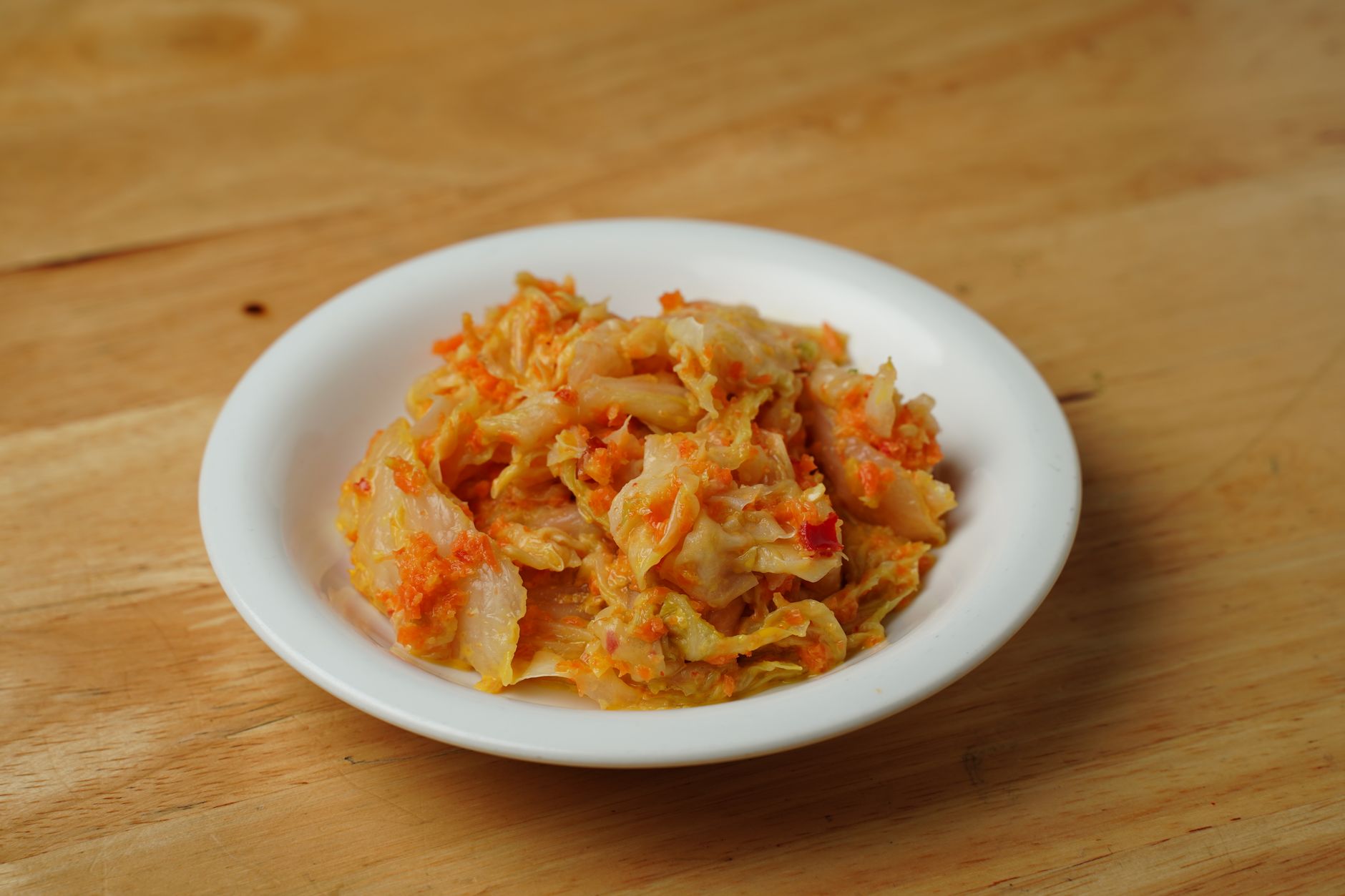
Kimchi expiration safety is a common question for anyone who loves this flavorful Korean staple. While kimchi is famous for its long shelf life thanks to natural fermentation, knowing when its truly safe to eat matters. Can you eat kimchi after the date on the jar? What spoil signs should you watch for? Lets explore how kimchi changes over time and how you can enjoy it safely without risking health or flavor.
Understanding Expiration Safety
Fermented foods like kimchi dont follow the same expiration rules as fresh produce or dairy. The expiration date on kimchi packaging often indicates peak freshness and flavor, not a strict safety deadline. That‘s because fermentation itself is a natural preservation process, where beneficial bacteria produce lactic acid that inhibits harmful microbes.
The USDA explains that fermentation creates an acidic environment, which slows spoilage and gives kimchi its tangy, complex taste. This means kimchi can often remain edible weeks or even months after the printed expiration dateif stored properly.
How Is Kimchi Different From Other Perishable Foods?
The lactic acid bacteria in kimchi are the star players in its shelf life. Unlike vegetables that spoil due to mold or enzyme activity, kimchis acidity keeps harmful bacteria at bay. This makes kimchi more similar to other fermented foods like sauerkraut or yogurt, which also have extended safe consumption windows.
However, the shelf life varies. For example, yogurt typically lasts 13 weeks refrigerated, while kimchi can last 36 months unopened due to its salt and fermentation level.
What Influences Kimchis Shelf Life?
Several factors shape how long kimchi stays safe and tasty. Key elements include:
- Ingredients: High salt content slows microbial growth, while cabbage condition influences fermentation.
- Fermentation Level: More fermented kimchi is more acidic but can continue to evolve in flavor.
- Storage Conditions: Refrigeration at temperatures below 5C (41F) greatly prolongs shelf life.
- Homemade vs. Commercial: Homemade kimchi may lack preservatives or consistent salt levels, so it usually lasts less time than store-bought versions.
Store-bought kimchi sealed properly can often last past its labeled date if chilled steadily, but homemade varieties are best consumed within 12 months for optimal safety and flavor.
Identifying Spoil Signs
How to Spot If Your Kimchi Has Gone Bad
Recognizing spoiled kimchi is easier if you look for specific signs. Not every change means its unsafe, but some do:
- Visual Indicators: Look out for fuzzy mold growth (white, grey, or black spots) on the surface. A small amount of harmless white film called kahm yeast can form, but mold is a red flag.
- Discoloration: Brown or black spots on napa cabbage leaves usually indicate spoilage.
- Excessive Slime: Slight slime from fermentation is normal, but thick, sticky, or off-puttingly slimy textures suggest bacterial overgrowth.
- Smell Test: Healthy kimchi smells pungently sour, tangy, or peppery. Rotten kimchi smells sharply rancid, putrid, or ammonia-like.
- Texture Changes: Mushy, slimy, or overly soft texture beyond normal fermentation means decay.
Carefully taste only if other signs seem normal and you have a strong tolerance for sour, sharp flavors.
Spoiled vs. Over-Fermented Kimchi: Whats Okay and Whats Not?
Over-fermented kimchi can taste very sour, bubbly, and softer than usualits not harmful but may cause indigestion in some people. Spoiled kimchi, however, involves mold, foul odors, and sliminess. When in doubt, tossing is safer than risking foodborne illness.
Health Risks of Eating Spoiled Kimchi
Eating spoiled kimchi may cause food poisoning symptoms such as nausea, vomiting, stomach cramps, or diarrhea. However, normal fermentation bacteria are generally safe. Serious contamination is rare if kimchi is stored correctly.
People with sensitive digestive systems or compromised immunity should avoid questionable kimchi. According to food safety experts, if you notice mold or bad smell, discard immediately to prevent bacterial or mycotoxin exposure.
Safe Kimchi Storage
Best Practices for Storing Kimchi
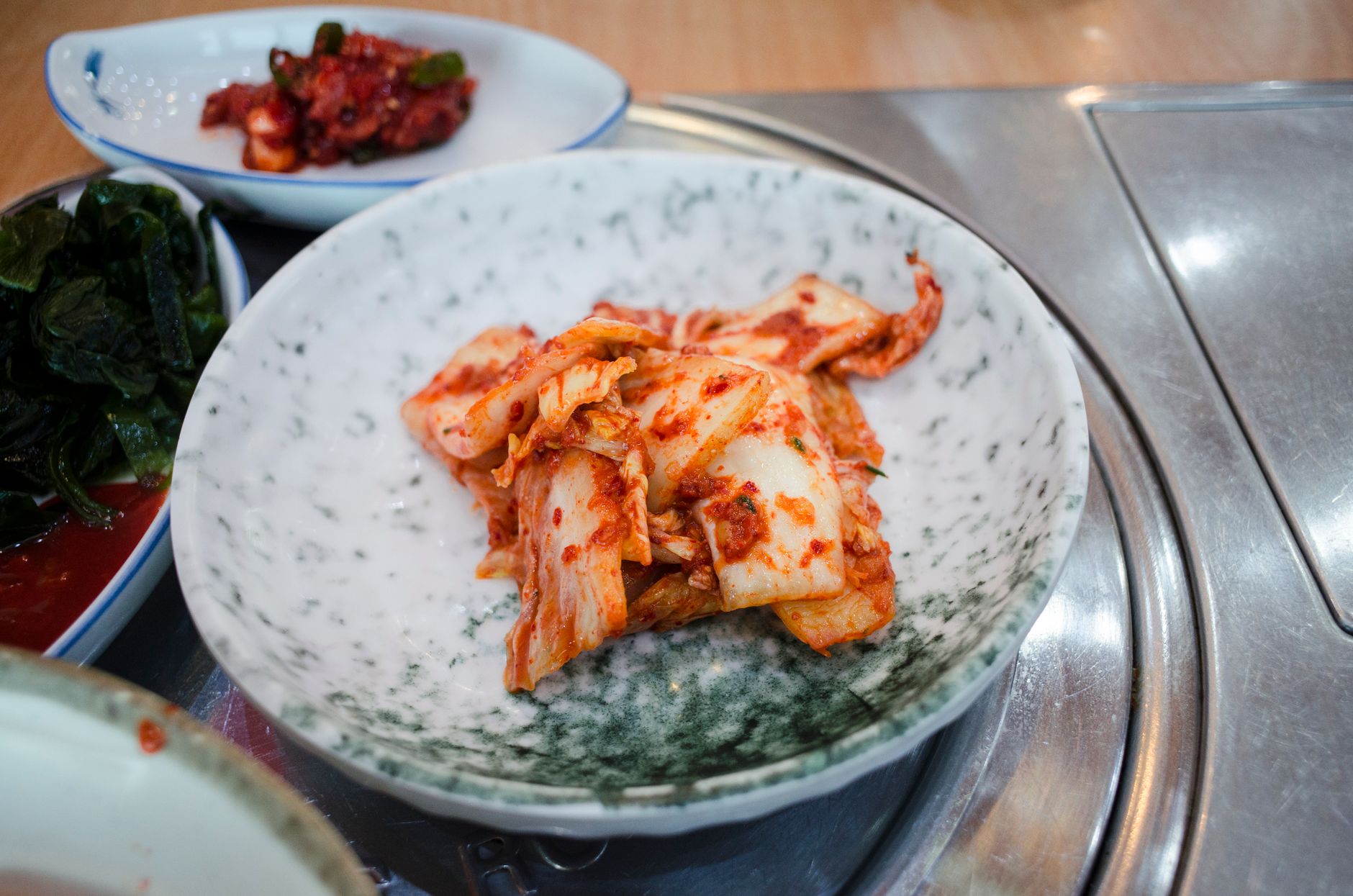
Proper storage is the key to extending kimchi‘s freshness and ensuring safety:
- Temperature: Store kimchi in the refrigerator at 14C (3439F). Avoid room temperature storage unless actively fermenting in a sealed pot for a short period.
- Container: Use airtight glass or food-grade plastic containers to reduce oxygen exposure and contamination risk.
- Minimize Air Exposure: Press down kimchi under its brine during storage to keep it submerged, limiting mold growth.
- Separate Utensils: Always use clean spoons to avoid introducing bacteria.
Typically, opened kimchi keeps well for 36 months refrigerated, with flavor evolving but safety intact. Homemade kimchi generally lasts closer to 12 months after opening.
Storage Mistakes That Speed Spoiling
Here are common errors to avoid:
- Opening kimchi jars too frequently or leaving wide open for extended periods.
- Storing kimchi on door shelves with fluctuating temperatures.
- Ignoring salt content or using low salt in homemade recipes.
- Allowing water drainage or brine mix imbalance, which promotes spoilage microbes.

Expert Insights and Experiences
Food microbiologist Dr. Hana Kim highlights: Kimchis lactic acid bacteria create a hostile environment for pathogens, making it quite safe for weeks or months after its labeled date if kept cold. Meanwhile, fermentation expert Soo-Jung Park points out that home fermentation varies greatly; salt and hygiene are crucial to avoid spoilage.
Chef Min Ji says she often recommends eating kimchi within 3 months of purchase for best flavor, but notes some customers enjoy very aged kimchi for its intense sourness, as long as they see no visible mold.
One kimchi enthusiast shared a story about finding a jar 2 months past expiry that smelled very sour but still tasted fine after rinsing and mixing in fresh vegetables. This shows how personal preference and caution are key when handling fermented foods.
For those looking to eat cleaner, Halal-certified fermented foods deserve attention. Look for logos from recognized bodies like JAKIM, HMC, or IFANCA to ensure ingredients and processes comply with Halal standards and food safety.
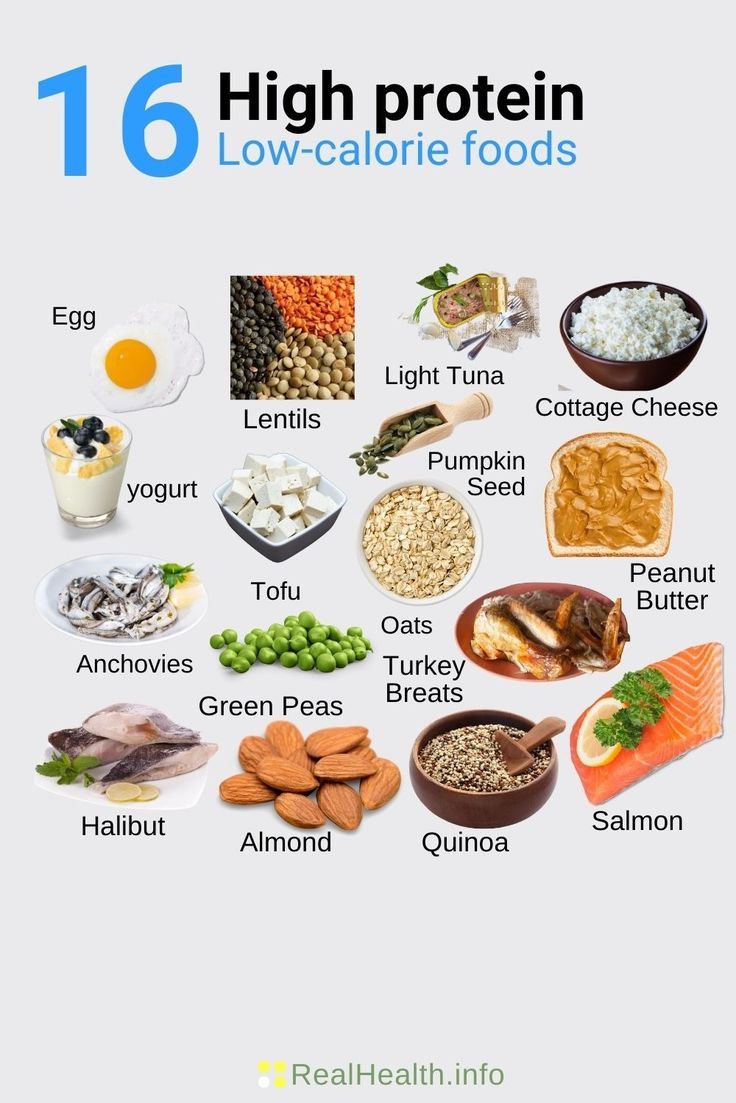
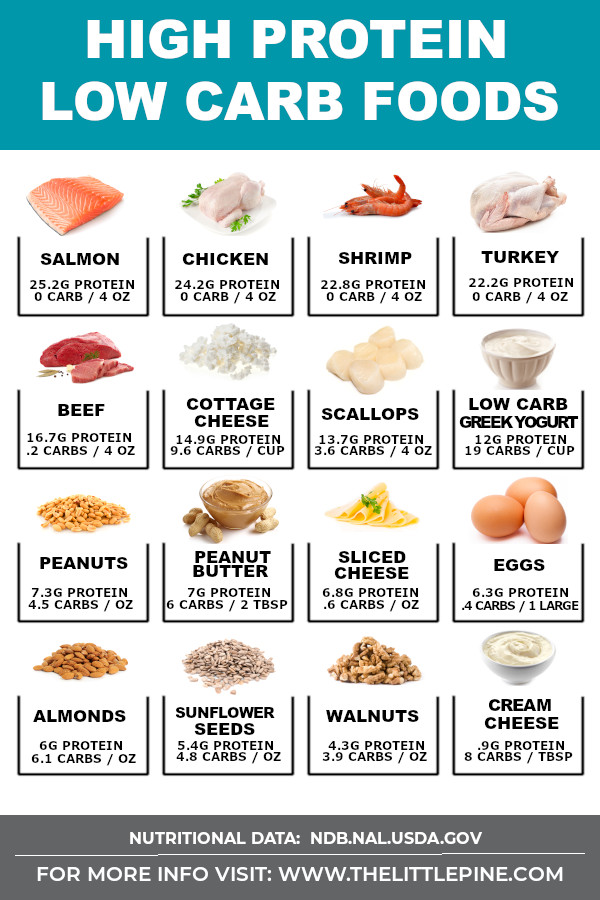
Expanding your fermented food diet? Check out our guide on Healthy foods to eat everyday and the Foods high protein low calorie list for balanced eating.
Can You Eat Kimchi Past Its Expiration Date?
Yes. Many people consume kimchi several weeks or even months after the expiration date safely. The date reflects optimal flavor, not instant spoilage. Use your senses to decidelook for mold, odd smells, or sliminess to know when to discard.
Is It Safe to Eat Kimchi That Smells Very Sour?
Yes, pungent sourness alone often signals advanced fermentation, not spoilage. However, if sourness comes with off-putting odors like ammonia or rot, avoid eating it.
How Long Does Homemade Kimchi Last Compared to Store-Bought?
Homemade kimchi usually lasts 12 months refrigerated after fermentation begins, while store-bought kimchi sealed and refrigerated can last 36 months or longer. Homemade batches vary based on salt level and hygiene.
Does Refrigeration Stop Fermentation Completely?
No. Refrigeration slows fermentation dramatically but doesnt halt it. Kimchi continues to develop flavor and acidity slowly in the fridge.
Can Kimchi Cause Food Poisoning?
Kimchi rarely causes food poisoning if prepared and stored properly. Spoiled kimchi with mold or bacterial contamination can lead to stomach upset, so always inspect before eating.
What Is the Safe Temperature for Kimchi Storage?
Keep kimchi refrigerated between 1C and 4C (34F - 39F). Temperatures above 10C (50F) can speed spoilage and off-flavors.
How Does Salt Content Affect Kimchi Expiration?
Salt acts as a natural preservative. Too low salt leads to faster spoilage by unwanted microbes, while ideal salt (around 23% by weight) creates the right environment for beneficial fermentation.
Pro Tips for Kimchi Safety
- When buying kimchi, check for a clean label with recognizable Halal certification logos such as JAKIM or IFANCA to ensure compliance with halal standards and high-quality processes.
- Avoid cheap kimchi brands with excessive preservatives or unclear ingredient listsnatural fermentation and proper salt are the gold standards.
- If making homemade kimchi, be precise with salt measurements and fermentation timestoo short or too salty fermentation changes shelf life dramatically.
- Store opened kimchi toward the back of the fridge on a bottom shelf where temperature is most stable.
- Use a clean, airtight container and press down kimchi so brine covers all vegetables to slow mold growth.
More You Might Like
Explore our Healthy foods to eat everyday guide for nutritious sharing options that complement kimchis bold flavors.
Discover the best Foods high protein low calorie list to balance your meals with lean nutrition alongside your kimchi dishes.

Kimchi is a delicious, healthful addition to many meals. While kimchi expiration safety depends on several factors, you can enjoy your jar longer by watching for spoil signs and storing it correctly. Next time you shop, note the label carefully, trust your senses, and savor your kimchi confidently. Feel free to share your own kimchi experiences or questions below!
FAQs
Is kimchi expiration safety actually Halal — what should I check on the label?
Kimchi can be Halal if produced following Islamic dietary laws. Look for recognizable Halal certification logos such as JAKIM, IFANCA, or HMC on the label to ensure compliance with halal standards and safe, high-quality production.
How long does kimchi last after opening before it’s no longer safe to eat?
Opened store-bought kimchi can remain safe for up to 36 months if refrigerated properly. Homemade kimchi is best consumed within 12 months. Always check for spoilage signs like mold, bad odor, or sliminess before eating.
How is kimchi expiration safety different from other fermented foods?
Kimchi’s natural fermentation creates an acidic environment that inhibits harmful bacteria, extending its safe consumption well beyond typical expiration dates. This makes it similar to sauerkraut or yogurt but longer-lasting due to salt content and fermentation level.
Is it safe to eat kimchi every day regarding expiration and health?
Yes, eating kimchi daily is generally safe and beneficial when stored properly. It provides probiotics and nutrients, but always ensure it has no mold or off smells before consuming to avoid health risks.
Where can I buy halal-certified kimchi with good expiration safety standards?
Halal-certified kimchi can be found in specialty Asian markets, halal grocery stores, and some online retailers. Check packaging labels for certification logos like JAKIM or IFANCA to confirm halal compliance and food safety standards.