Hey if youve ever wondered whether switching to plant based food will be worth it, youre in the right place. I get it: the idea of changing whats on your plate can feel exciting, confusing, and a little intimidating all at once. Lets walk through this together, in a friendly, no-pressure way, and explore why so many people are loving plant-based meals right now.
Why try?
First off, why consider plant based food at all? Well, its not just a trend. For lots of people, its a way to improve energy, support overall health, and eat more whole foods without sacrificing flavor. Think vibrant salads, savory grain bowls, creamy nut-based sauces, and surprisingly hearty meat-free dishes. You dont have to be perfect even adding a few plant-forward meals each week can make a real difference.
Health benefits
If youre curious about the science behind it, heres the short, friendly version: a well-planned plant-based diet tends to be rich in fiber, vitamins, minerals, and antioxidants. That can help with digestion, heart health, weight management, and steady energy levels. Studies often show lower risks of high blood pressure, type 2 diabetes, and certain heart conditions when people favor whole grains, legumes, fruits, vegetables, nuts, and seeds.
But a quick caveat: plant based doesnt automatically mean ultra-healthy. Highly processed snacks labeled as vegan or plant-based can still be low in nutrients. The secret sauce is focusing on whole or minimally processed foods most of the time, and enjoying treats mindfully.
Easy swaps
Want practical ideas you can actually use tonight? Here are some gentle swaps that make a big difference without drama:
- Replace dairy milk with oat or almond milk in coffee and cereal.
- Use mashed beans or lentils instead of ground meat in tacos or shepherds pie.
- Try tofu or tempeh marinated and pan-seared as a protein in bowls.
- Snack on mixed nuts, hummus and veggies, or fruit with a dollop of nut butter.
- Make a big pot of versatile grains (quinoa, brown rice) to mix with roasted veggies during the week.
These swaps are simple, budget-friendly, and keep your meals satisfying which is the real trick to sticking with anything new.
Tasty staples
I like to think of building a plant-based pantry like collecting reliable friends: each one shows up and makes things taste better. Here are pantry staples that open up a world of possibilities:
- Legumes: lentils, chickpeas, black beans
- Whole grains: quinoa, farro, brown rice
- Nuts & seeds: almonds, walnuts, chia, hemp
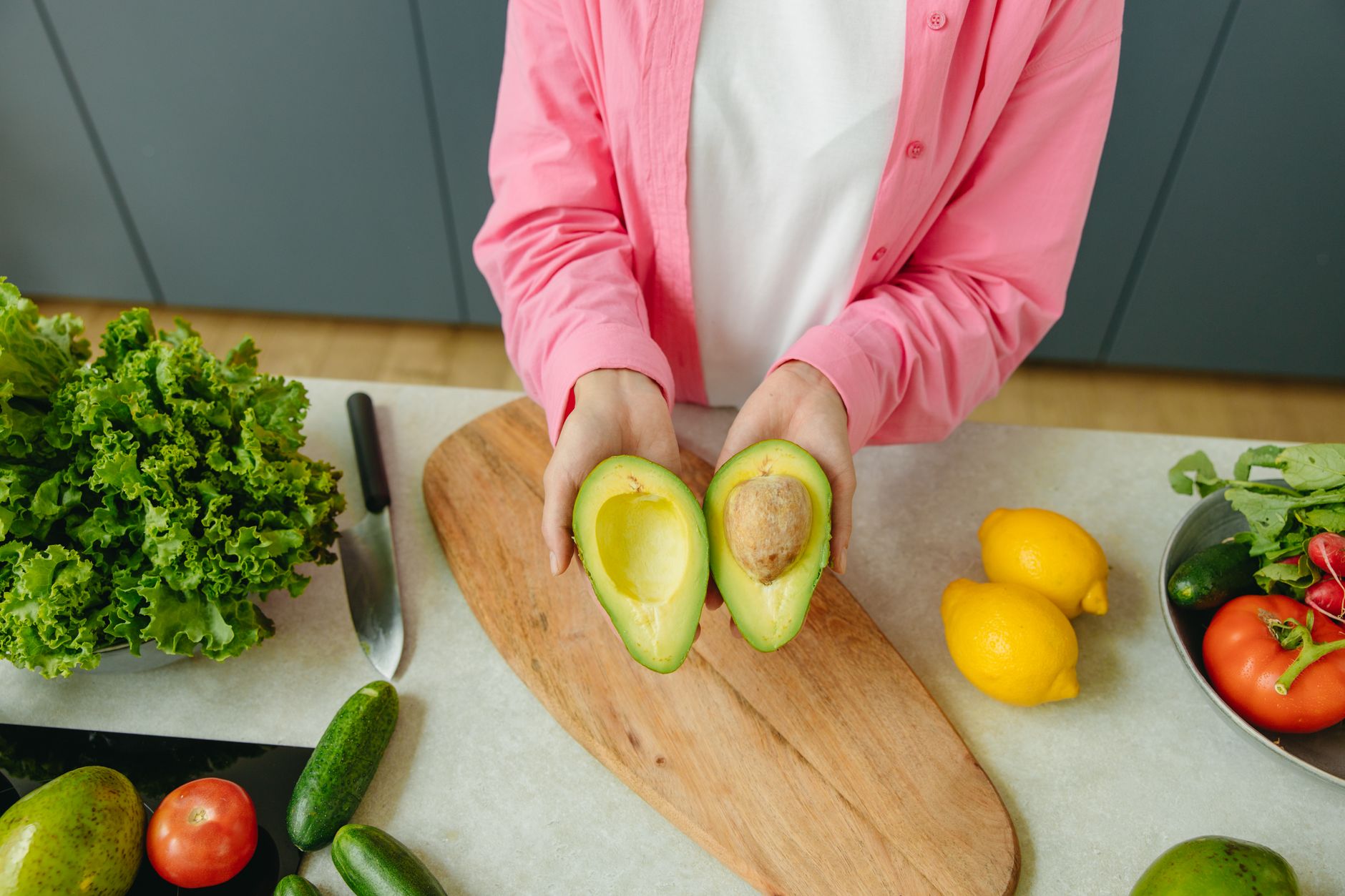
- Healthy fats: olive oil, avocado
- Flavor builders: nutritional yeast, miso, tahini, soy sauce
- Fresh produce: seasonal vegetables and fruit
With these on hand, you can whip up grain bowls, stews, paste-like sauces (hello tahini dressing!), and satisfying breakfasts that keep you full until lunch.
Meal ideas
Alright, lets make this real with some meal ideas that I actually cook and love:
- Hearty lentil bolognese over pasta rich, savory, and cozy.
- BBQ jackfruit sandwiches with tangy slaw surprisingly meaty texture and a fun weekend project.
- Roasted vegetable grain bowl with lemon-tahini dressing bright, balanced, and great for leftovers.
- Chickpea & spinach curry with coconut milk comforting and simple, especially with warm naan or rice.
- Overnight oats topped with fresh fruit and a spoonful of almond butter breakfast that feels like a hug.
These dishes are practical, flavorful, and designed to show you that plant based food can be both nourishing and exciting.
Getting protein
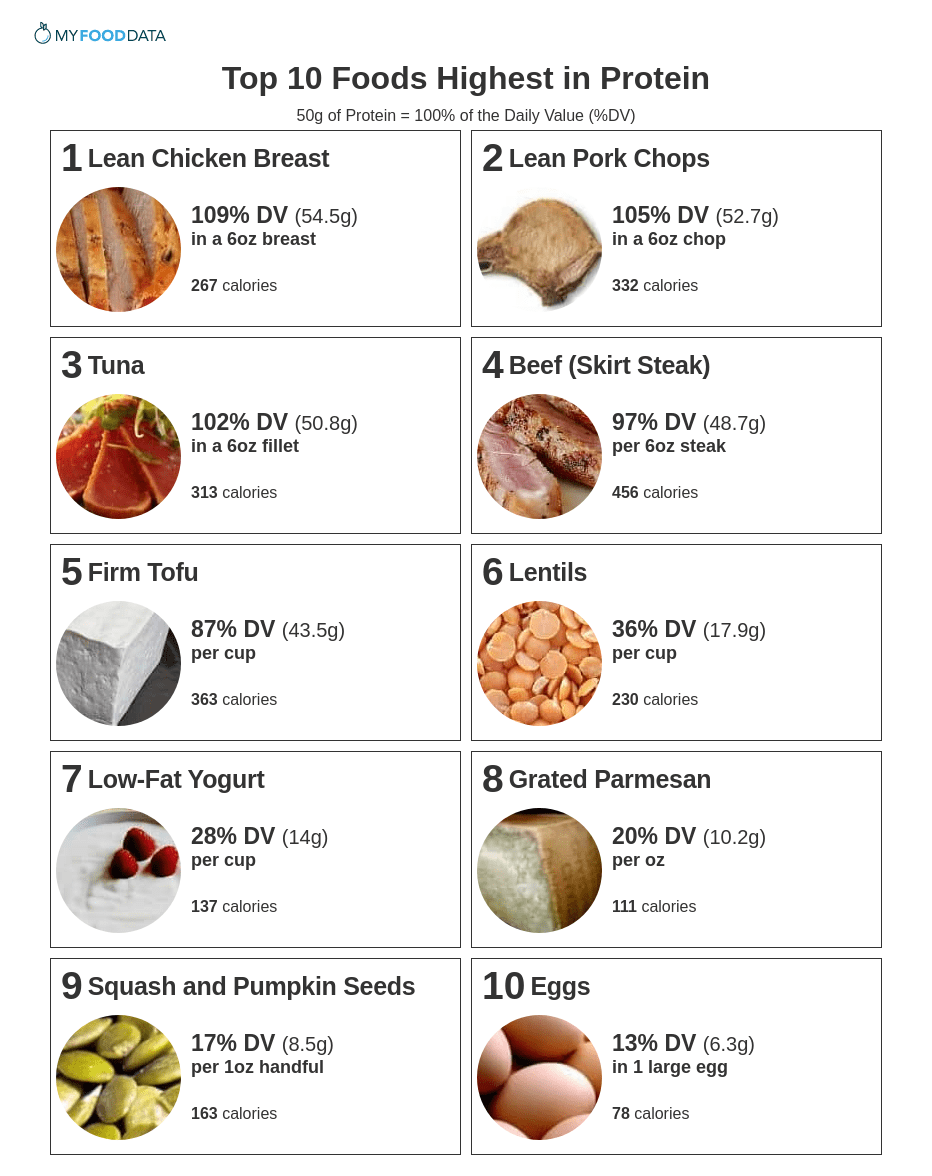
One question I hear almost every time: Will I get enough protein? Short answer: yes. You can easily meet protein needs from plants if you include a variety of staples like beans, lentils, tempeh, tofu, nuts, seeds, and whole grains. For example, a cup of cooked lentils has about 18 grams of protein comparable to some meat servings.
If youre active or recovering from illness, you might want to pay attention to portion sizes and spread protein across meals. And if youre unsure about your personal needs, a quick chat with a dietitian can be reassuring and precise.
Flavor tips
Great food is all about layers of flavor. Here are a few tricks I use to keep plant-based dishes exciting:
- Salt early and taste often it makes everything pop.
- Acid brightens flavors: squeeze lemon or sprinkle a vinegar at the end.
- Use umami boosters like mushrooms, tomato paste, soy sauce, or nutritional yeast.
- Dont shy away from herbs and spices they transform simple ingredients.
- Play with textures: crisp roasted veggies plus creamy dressings feel indulgent.
These small moves turn humble ingredients into memorable meals.
Budget-friendly tips
Worried plant based food will break the bank? Ive been there. Thankfully, many plant-based staples are surprisingly affordable. Bulk beans, lentils, and grains are budget heroes. Frozen vegetables are nutritious, cheap, and reduce waste. Planning a loose weekly menu and cooking in batches saves both time and money.
Heres a simple plan: pick one grain, one bean, two vegetables, and a flavor base (like garlic, onion, and tomato). Rotate spices and sauces, and suddenly youve got diverse meals that dont cost much.
Dining out & social life
Social situations can feel tricky when youre shifting to plant based food. But most restaurants now offer tasty options, and hosts are often happy to accommodate if you ask kindly. If youre heading to a potluck, bring something crowd-pleasing like a big salad with roasted chickpeas or a savory vegan lasagna people rarely complain.
And remember: you dont have to explain or justify your food choices to everyone. A simple Im eating more plants lately often does the trick and keeps things light.
Common concerns
Lets address a few worries honestly:
- Time: Yes, some plant-based recipes take time, but many are quick. Keep a few five-ingredient go-tos for busy nights.
- Nutrients: Pay attention to B12 (a supplement is common for folks avoiding animal products), iron, calcium, and omega-3s. You can get these from food, fortified products, or supplements as needed.
- Taste: If you miss certain flavors, seek creative alternatives smoked paprika, liquid smoke, or miso for savory depth.
These are manageable puzzles, not dealbreakers. A little planning goes a long way.
How to start
Ready to give it a try but not sure where to begin? Start small. Try Meatless Monday, or pick two or three plant-based dinners each week. Make one big batch-cooked dish on Sunday for easy lunches. Experiment with one new ingredient a week jackfruit, tempeh, or nutritional yeast and see what you like.
And dont be afraid to fail. Burned tofu? Over-salted soup? Thats part of the process. Tastes change, youll learn, and every meal is a step forward.
Final thoughts
Plant based food is more than a label its an invitation to explore new tastes, prioritize health, and reduce your environmental footprint without giving up joy at the table. Whether you want to fully adopt a plant-forward lifestyle or simply add more veggies to your week, theres room for experimentation and personal preference.
If you want, Id love to hear where youre starting from. Are you curious about breakfast ideas, quick dinners, or meal planning? Share what feels hard and what sounds fun we can brainstorm recipes and small steps that actually fit your life. Lets make eating well feel doable and delicious.
What do you think ready to try a plant-based dinner this week? If you need a recipe to get started, ask and Ill share one of my favorites.
FAQs
What is plant based food?
Plant based food focuses on foods primarily from plants—vegetables, fruits, whole grains, legumes, nuts, and seeds—while minimizing or excluding animal products.
Can I get enough protein from plant based food?
Yes. Combining legumes, tofu/tempeh, whole grains, nuts, and seeds across meals easily meets protein needs for most people.
Is plant based eating more expensive?
Not necessarily. Staples like beans, lentils, rice, and frozen vegetables are budget-friendly; planning and batch cooking reduce costs further.
What nutrients should I watch on a plant-based diet?
Pay attention to vitamin B12, iron, calcium, and omega-3s; use fortified foods or supplements if needed and vary your food choices.
How do I start switching to plant based food?
Start small: try Meatless Monday, swap milk for plant milk, batch-cook grains and beans, and experiment with one new ingredient each week.