Trying to gain weight in a healthy way can feel like navigating a maze. Maybe you've been told to "just eat more," but that advice often misses the mark. You want to add weight without compromising your health building muscle, feeling energized, and enjoying your meals. Thats exactly what this guide is for. Ill walk you through sensible, tasty, and practical options for healthy foods to gain weight, along with easy ways to include them in your day. Think of this as a friendly nudge toward nourishing your body the right way.
Why Choose Healthy Foods?
Before we dive into specific foods, lets be honest: not all calories are created equal. You can pack on pounds fast with junk food, but that often brings inflammation, fatigue, and cravings. Choosing nutrient-dense, calorie-rich foods lets you gain weight while supporting muscle growth, immune function, and overall wellness. In short youre investing in a stronger, healthier you.
Core Principles
Here are a few down-to-earth rules to keep in mind as you plan meals:
- Focus on whole foods: Whole grains, nuts, seeds, dairy (if tolerated), lean meats, and legumes deliver more nutrition than empty-calorie snacks.
- Prioritize protein: To build muscle, aim for high-quality protein at each meal. If you're curious about inexpensive options, check out this helpful resource on Cheap foods high in protein.
- Add healthy fats: Fats are calorie-dense and help you gain weight without needing to overhaul meal size. Think nut butter, olive oil, and avocado.
- Eat regularly: Frequent meals and snacks keep calories steady. Try to include a combo of protein, carbs, and fats in each eating occasion.
- Choose caloric liquids wisely: Smoothies, milk, and 100% fruit juices can boost calories without making you feel overly full.
Best Foods to Gain Weight
Now for the fun part real foods that help you gain weight the healthy way. These are my top picks, along with simple ideas for how to use them.
Nuts and Nut Butters
Nuts are tiny powerhouses: high in calories, healthy fats, protein, and micronutrients. A handful of almonds, walnuts, or cashews adds a quick caloric boost. Nut butters are especially versatile spread on toast, stirred into oatmeal, or added to smoothies for a creamy, calorie-rich lift.
Whole Grains
Brown rice, quinoa, oats, and whole-wheat pasta give you sustained energy and bulk up meals without relying on empty calories. Mixing in seeds, olive oil, or cheese can bump the calorie content pleasantly. If you want broader ideas around balanced options, this Foods to eat page has a variety of thoughtful suggestions.
Full-Fat Dairy or Alternatives
Full-fat yogurt, whole milk, and rich cheeses are calorie-dense and protein-rich. If you're plant-based, aim for fortified, calorie-dense alternatives (like soy or oat-based options) and consider adding nut butters or seeds to boost calories.
Healthy Oils
Olive oil, avocado oil, and coconut oil are easy ways to add extra calories. Drizzle olive oil over roasted veggies, blend avocado oil into dressings, or add coconut oil to smoothies for a subtle tropical note and a caloric bump.
Avocado
Avocados are delightful: creamy, satisfying, and loaded with healthy fats, fiber, and calories. Mash on toast, add to smoothies, or scoop onto grain bowls.
Starchy Vegetables and Tubers
Sweet potatoes, potatoes, squash, and corn are nutrient-rich carbohydrates that add bulk and calories. Pair them with protein and fats to make meals balanced and satisfying.
Protein-Rich Foods
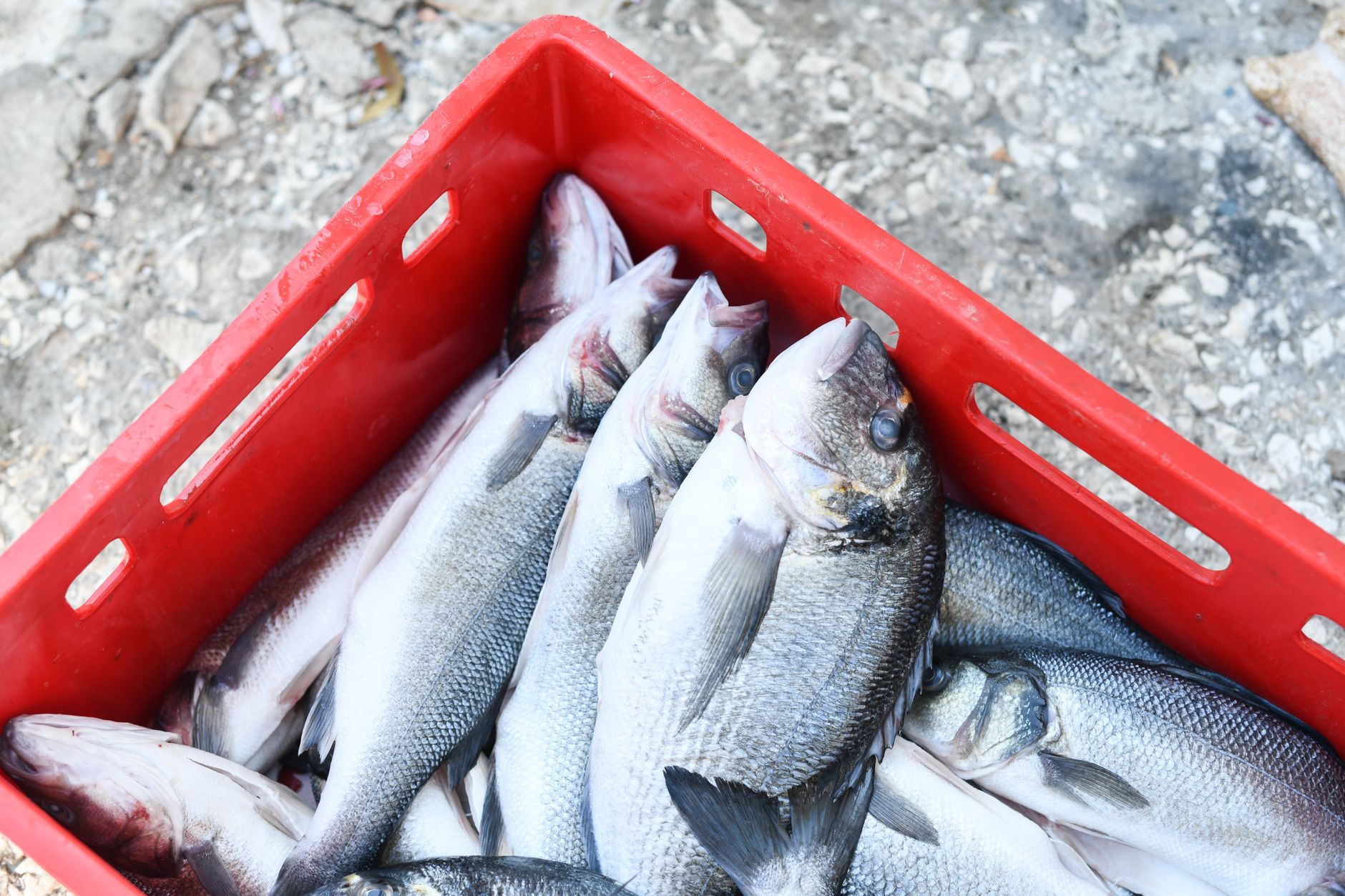
Protein helps you build muscle rather than just fat. Lean meats, eggs, fish, and plant-based proteins (like legumes and tofu) are all winners. If youre exploring plant-based options or protein-focused plans, this Plant based food resource might inspire you with more ideas.
Calorie-Dense Snacks
Think trail mix, granola, yogurt parfaits with nuts and honey, or whole-grain crackers with cheese. Pack a few of these for quick, frequent calories between meals.
High-Calorie Smoothies
Sometimes solid food feels like too much. Smoothies are lifesavers: blend milk (or dairy-free alternative), protein powder, nut butter, oats, and fruit. You can sip your calories, making it easier to meet higher daily targets without discomfort.
Meal and Snack Ideas
Heres a small collection of tasty combos you can start with right away:
- Greek yogurt + granola + honey + banana + almond butter
- Oats cooked in whole milk + peanut butter + dried fruit
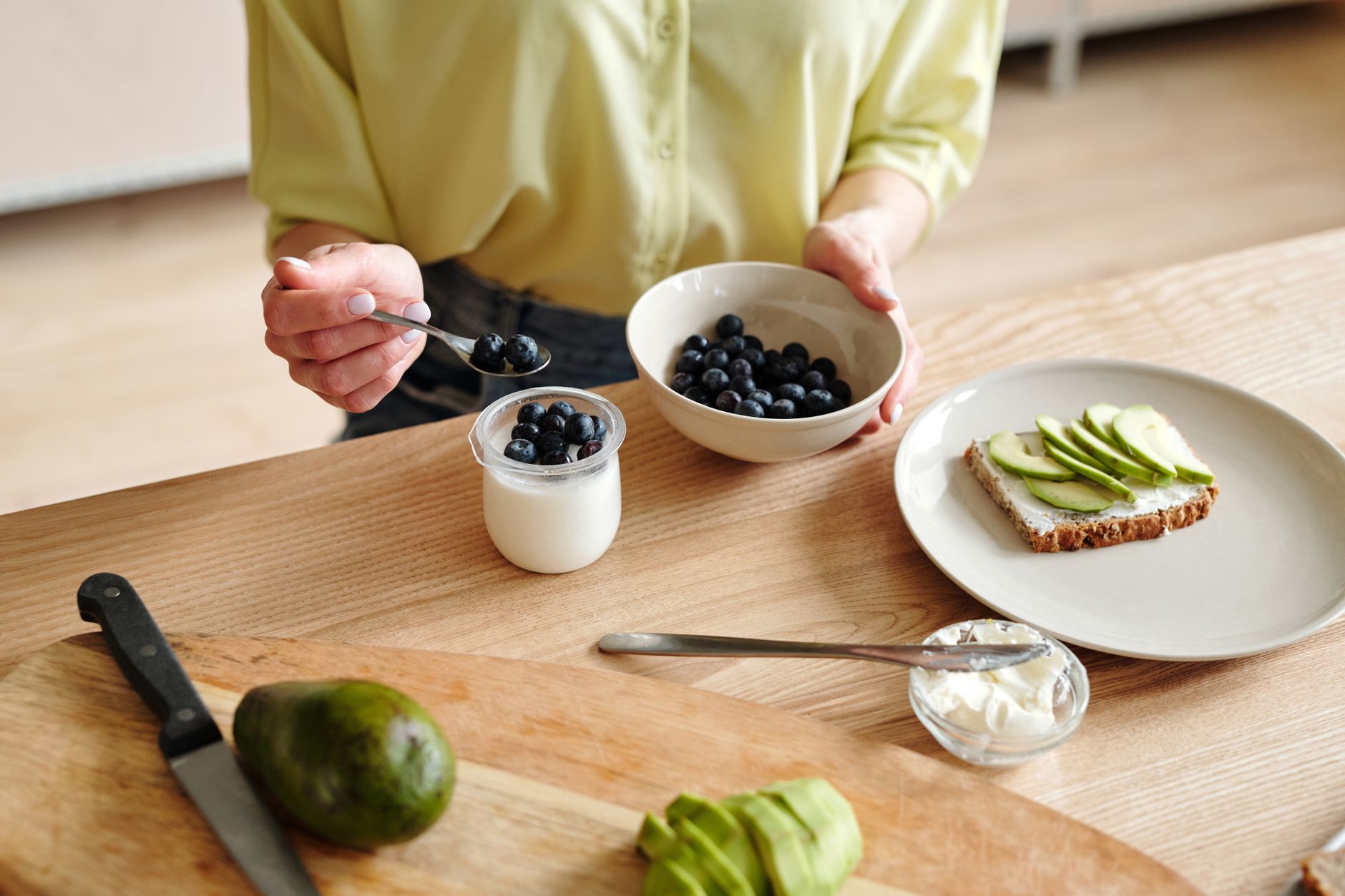
- Whole-grain toast + avocado + boiled eggs + olive oil drizzle
- Rice bowl with roasted sweet potato, black beans, avocado, and tahini
- Smoothie: milk, whey or plant protein, spinach, frozen berries, oats, and peanut butter
- Snack: trail mix with nuts, seeds, and dark chocolate
Timing and Portion Tips
If eating large meals makes you feel too full, try smaller, more frequent meals and snacks. Aim to eat every 23 hours when possible. Pre-bedtime snacks like a glass of milk and a banana, or a small bowl of cottage cheese can help with overnight muscle repair and add extra calories.
Exercise Matters
Gaining weight in a healthy way ideally means gaining muscle. Strength training 24 times a week gives your body a reason to use those extra calories productively. Compound moves (squats, deadlifts, presses) are particularly effective. And yes rest and recovery are part of the plan too.
Common Pitfalls and How to Avoid Them
Lets clear up a few mistakes people often make:
- Relying on junk food: It may work short-term, but it compromises health and can leave you feeling sluggish.
- Skipping protein: Without adequate protein, weight gain may skew toward fat rather than muscle.
- Ignoring digestion: If your meals make you feel bloated, adjust portion sizes or frequency. Sometimes simpler meals digest better.
- Not tracking intake: You dont need to obsess, but tracking for a week helps you see if youre actually eating enough.
Personalizing Your Plan
Everyones metabolism and appetite are different. Start by estimating your calorie needs and adding 300500 kcal daily to promote steady weight gain. Notice how your body responds and tweak as needed. If you need more ideas for protein combinations, take a look at this curated Healthy foods high in protein page its full of approachable, real-food choices.
Special Diets and Considerations
Plant-based? No problem. Legumes, tofu, tempeh, seitan, nuts, and protein-fortified plant milks can build a robust, calorie-rich plan. Want to keep carbs lower while still packing protein? Check out options that balance high-protein with carb control here: Foods high in protein and low in carbs.
How to Monitor Progress
Track weight weekly under similar conditions (same time of day, similar clothing). Also monitor strength gains, energy levels, and how your clothes fit. These qualitative markers often matter more than the scale alone.
When to Seek Professional Help
If youve been trying for several months with little change, or if you have underlying health concerns, consult a registered dietitian or healthcare provider. They can tailor a plan to your needs and check for any medical issues that might affect weight.
Final Thoughts A Gentle Pep Talk
Gaining weight in a healthy, sustainable way is absolutely possible and you dont have to do it alone. Start small: add a handful of nuts to your day, swap skim milk for whole, or blend one extra smoothie a day. The little habits compound into visible change. Be patient and kind to yourself; your body is adapting and learning.
What sounds doable right now? Maybe its a buttered slice of whole-grain toast with banana, or a late-night bowl of Greek yogurt and honey. Try one small step this week and notice how you feel. And if you want more inspiration for high-protein choices or plant-based swaps, you might enjoy browsing the Plant based foods high in protein article for more ideas.
If youd like, tell me one thing you usually eat in a day and Ill suggest a few easy swaps to boost your calories and nutrients no judgment, just help. Ready when you are!
FAQs
What are calorie-dense, healthy foods for weight gain?
Choose nutrient-dense options like nuts, seeds, dairy, whole grains, avocado, and olive oil to add calories without sacrificing nutrition.
How much protein should I aim for daily to build muscle?
A common target is about 0.7–1.0 grams of protein per pound of body weight daily, spread across meals.
Is it possible to gain weight on a plant-based diet?
Yes. Include legumes, tofu, tempeh, whole grains, nuts, seeds, and protein-fortified products to meet needs.
What are quick high-calorie snack ideas?
Trail mix, yogurt with honey and nuts, cheese on whole-grain crackers, peanut butter on fruit, or smoothies with protein and oats.
How can I track progress effectively?
Weigh weekly at the same time, monitor strength gains, energy, and how clothes fit; adjust portions as needed.