Your morning coffee can be a ritual or a rush, but the secret to a truly great cup lies in one simple step: how you grind coffee beans. The difference between a dull, bitter brew and a rich, aromatic cup often comes down to the coarseness and consistency of your grind. Whether you own a budget-friendly blade grinder or a precision burr grinder, mastering this process transforms your daily coffee into something special. Let‘s skip the fluff and get straight to the practical advice that will upgrade your morning routine.
Why Grinding Coffee Beans Matters
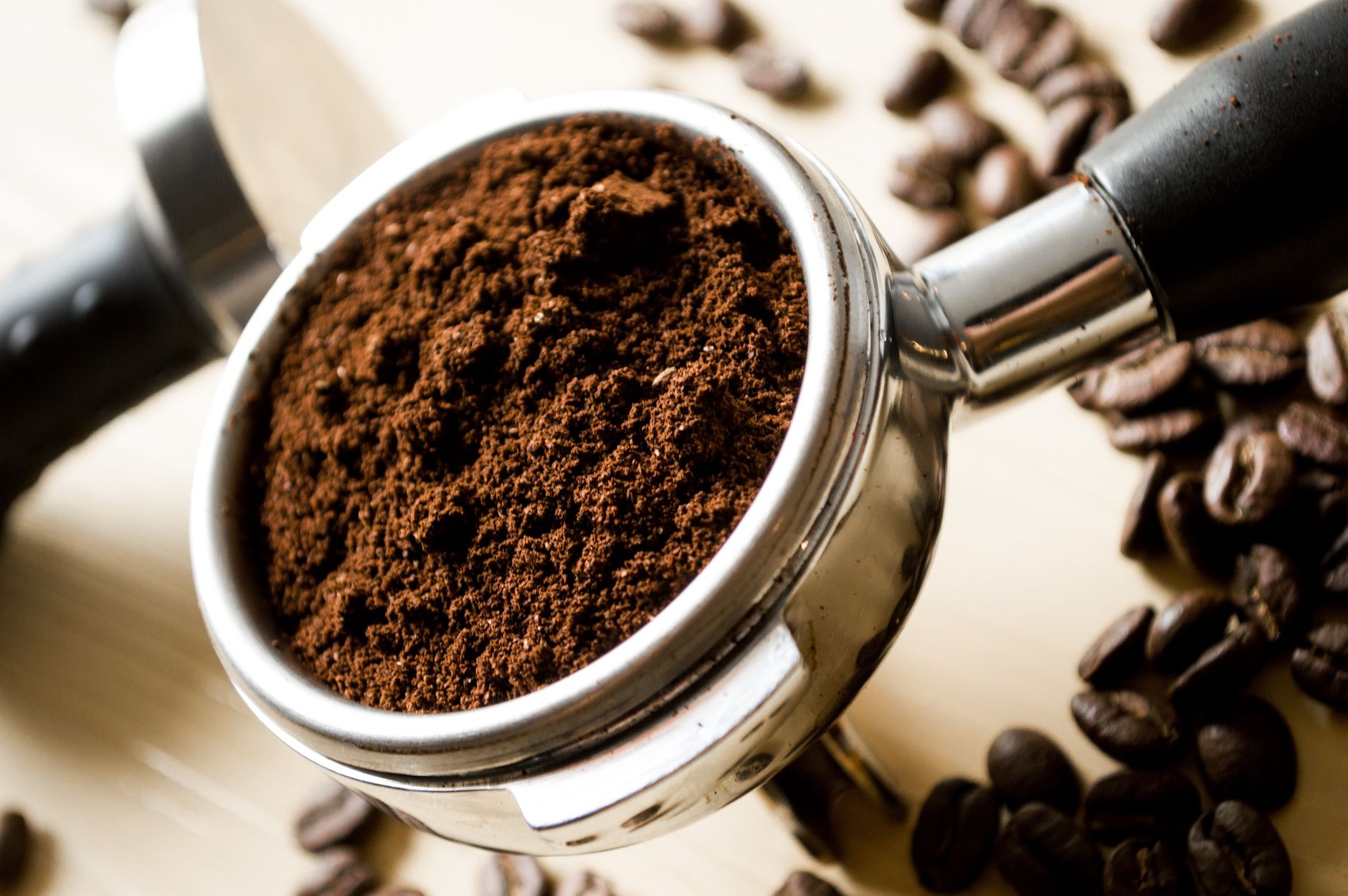
Grind size directly controls extraction during brewing. Too fine, and your coffee turns bitter and over-extracted. Too coarse, and it comes out weak and sour. The goal is a balanced extraction that releases the bean‘s natural oils and sugars, creating a velvety mouthfeel and clean finish. Consistency is equally important: uneven particles extract at different rates, leading to muddled flavors. According to the Specialty Coffee Association, uniform grind particles are the foundation of a repeatable, high-quality brew.
How Grind Size Affects Your Brew Method
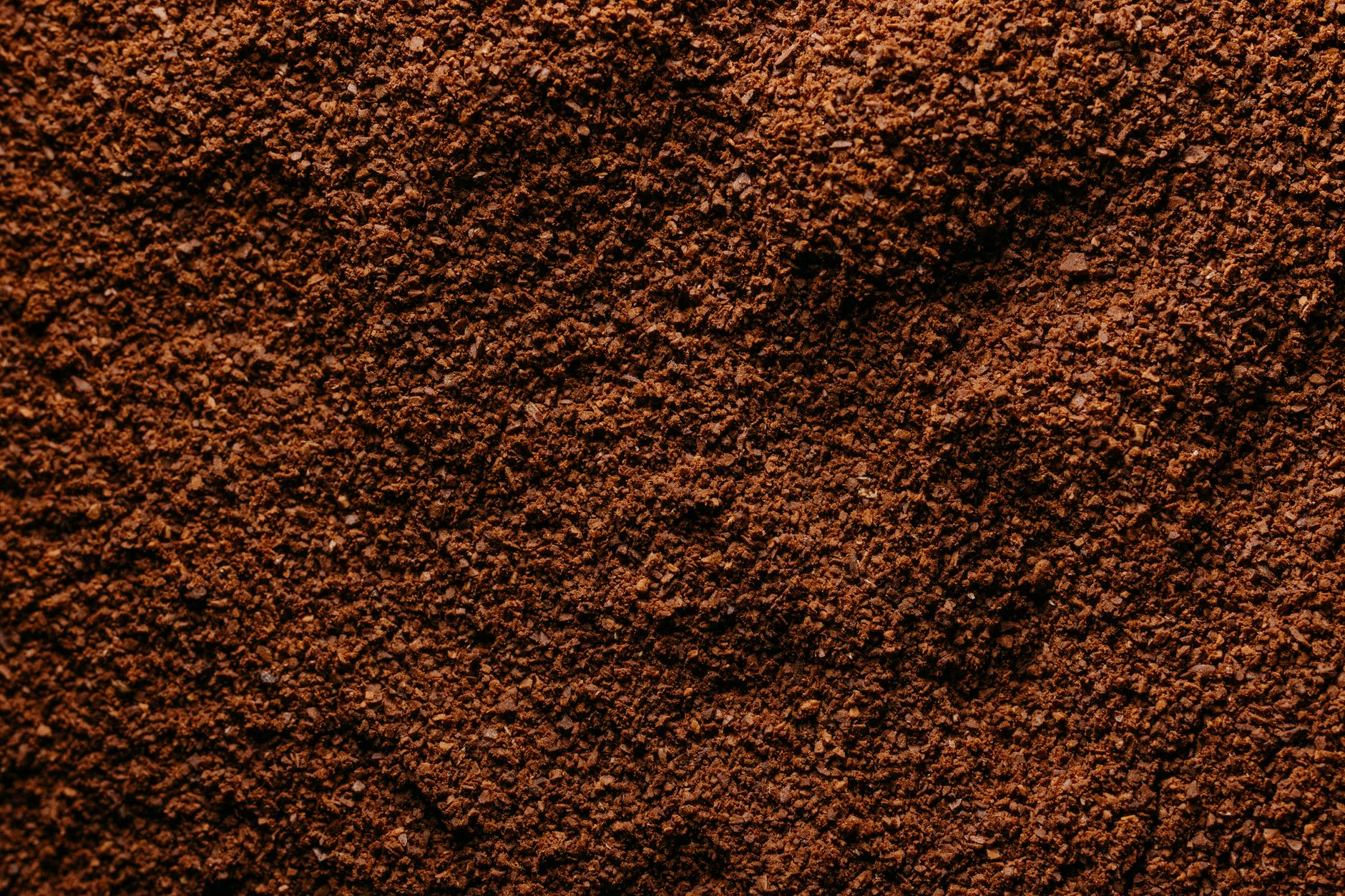
Each brewing method demands a specific grind range. For espresso, you need a fine, powdery grind that resembles table salt. Drip coffee works best with a medium grind, similar to sand. French press calls for a coarse grind with visible chunks. Pour-over methods like Chemex sit between medium and fine. Cold brew requires an extra-coarse grind to avoid bitterness during the long steep. Match your grind to your equipment, and you will unlock flavors you never knew existed in the same beans.
Blade Grinder vs Burr Grinder: Which Should You Choose?
The two main types of home coffee grinders produce very different results. Understanding their strengths helps you make the right purchase for your budget and taste expectations.
Blade Grinders: Affordable but Inconsistent
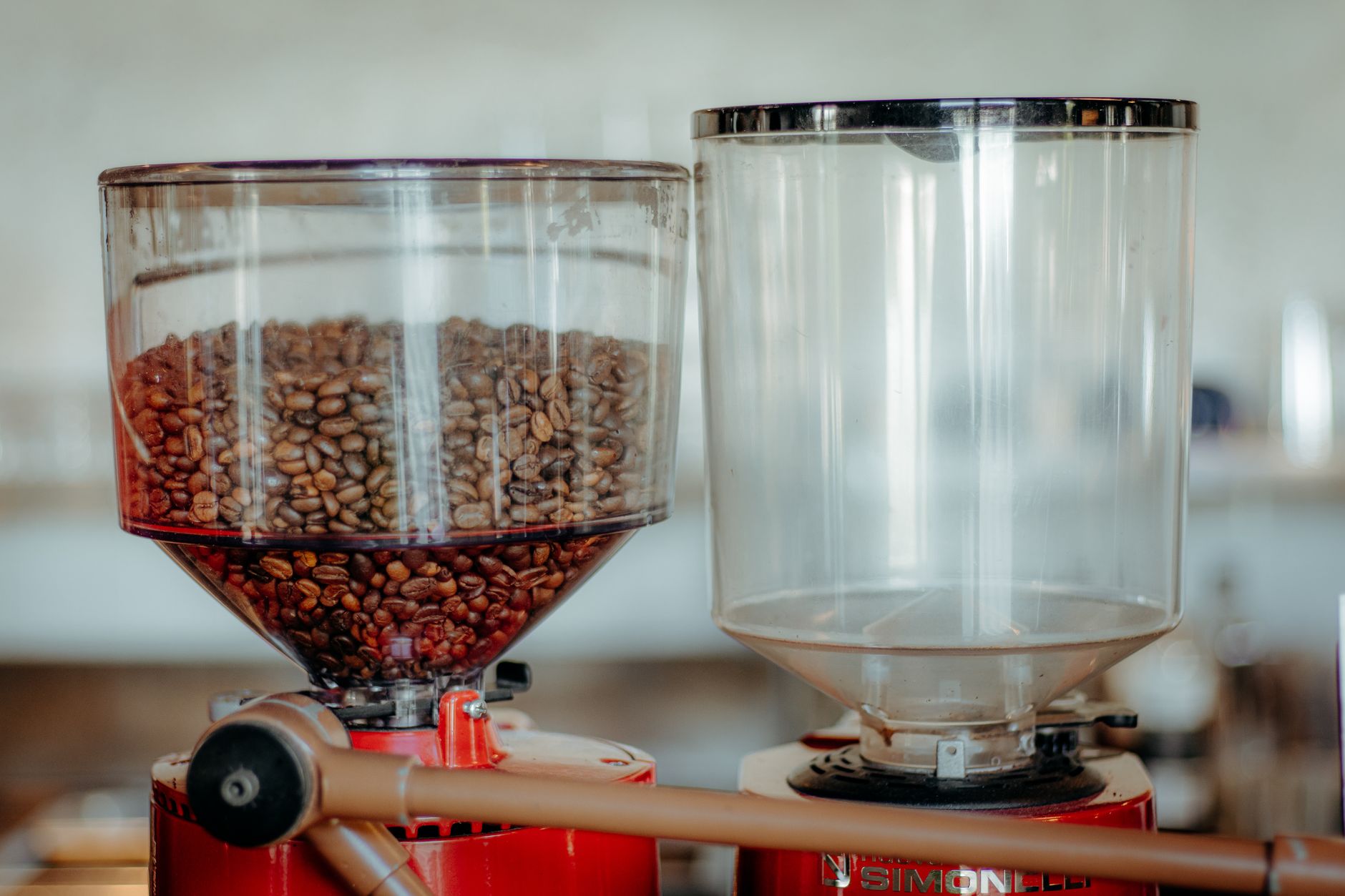
A blade grinder uses spinning metal blades to chop coffee beans into bits. It works like a mini food processor. These models cost between $15 and $40, making them accessible. However, the grind is notoriously uneven. Some particles turn to dust while others remain whole. This inconsistency leads to unpredictable extraction and a less refined cup. If you use a blade grinder, pulse in short bursts (23 seconds each) and shake the grinder gently between pulses to redistribute the beans. This simple trick improves consistency dramatically.
Burr Grinders: Precision for the Serious Brewer
Burr grinders crush beans between two revolving abrasive surfaces (burrs). They produce a uniform particle size, which is essential for repeatable brewing. Conical burr grinders are common for home use, while flat burrs are often found in commercial cafes. Prices start around $80 for entry-level models and go well above $300 for professional units. The investment pays off in flavor clarity and control. If you drink coffee daily, a burr grinder is the single best upgrade you can make to your kitchen setup.
Quick Comparison Table: Blade vs Burr Grinder
| Feature | Blade Grinder | Burr Grinder |
|---|---|---|
| Grinding mechanism | Spinning blades chop beans | Beans crushed between burrs |
| Grind consistency | Uneven | Uniform |
| Price range | $15 $40 | $80 $300+ |
| Best for | Casual, quick grinding | Precision, serious brewers |
Coffee Grind Size Guide: Match Grind to Your Brewing Method
Getting the right texture is easier when you have a visual and tactile reference. Here is a breakdown from coarse to extra fine, along with the methods they suit best.
- Coarse Looks like rough sea salt. Ideal for French press and cold brew.
- Medium-Coarse Feels like gritty sand. Works well with Chemex and some pour-over cones.
- Medium Resembles regular sand. Perfect for drip coffee makers and flat-bottom pour-overs.
- Medium-Fine Slightly finer than table salt. Suits cone-shaped pour-overs and AeroPress (23 minute brew).
- Fine Similar to caster sugar. Required for espresso machines and some AeroPress recipes.
- Extra Fine Almost powdery. Used for Turkish coffee.
How To Adjust Grind Size On Your Grinder
On a burr grinder, simply turn the dial or adjust the ring to the desired setting. Always start on the recommended setting for your brewing method, then taste and adjust. If the coffee tastes sour (under-extracted), grind finer. If it tastes harsh or bitter (over-extracted), grind coarser. For blade grinders, the only way to approximate a size is by pulsing more for finer or fewer pulses for coarser. Let the grinder come to a complete stop between pulses to avoid overheating the beans.
Best Coffee Grinding Methods: Tips for Perfect Results Every Time
Grinding coffee beans just before brewing is the single most important rule. Oxygen, light, and moisture degrade ground coffee within minutes. Always measure your beans before grinding 1820 grams per cup is a good starting point. Pour the beans into the grinder slowly to prevent bridging (when beans get stuck). After grinding, tap the grinder gently to release any retained grounds.
Common Mistakes When Grinding Coffee Beans (And How To Avoid Them)
- Overgrinding Running the grinder too long creates excessive fines (dust) that clog filters and cause bitterness. For burr grinders, stick to the recommended time per batch. For blade grinders, limit pulses to 56 seconds total.
- Undergrinding Leaving large chunks in your basket leads to weak, watery coffee. Check that no visible bean fragments remain.
- Using the wrong grind for your method This is the most common mistake. Refer to the size guide above and adjust based on taste.
- Neglecting grinder maintenance Oils and leftover particles go rancid quickly. Clean your grinder every two weeks with a dry brush or grain-safe rice.
Real-World Example: How Tweaking My Grind Changed My Morning Brew
I used to own a cheap blade grinder and always wondered why my pour-over tasted dull. One week I tried pulsing only three times instead of five. The grind came out noticeably coarser, and my brew turned bright and clean with distinct fruity notes. Then I read about burr grinders and invested in a mid-range conical model. The first cup was a revelation every sip was balanced, with no muddy aftertaste. That single change convinced me that grind coffee beans correctly is not just a chore; it is the gateway to caf-quality mornings at home.
Expert Hacks and Advanced Tips for Grinding Coffee Beans
- Weigh your beans Use a digital scale (accurate to 0.1g) instead of volume. Coffee density varies by roast level, so weight gives you consistent dosing.
- Store ground coffee properly If you must grind ahead, seal it in an airtight container and use within 48 hours. For long-term storage, freeze whole beans and grind immediately after thawing.
- Replace burrs regularly With heavy use, burrs wear down after 5001000 pounds of coffee. Dull burrs produce more fines and less uniform particles. Check the manufacturers recommendation.
Pro Tips for the Best Home Grinding Experience
The most overlooked mistake is buying pre-ground coffee. Pre-ground loses 60% of its aromatic compounds within 15 minutes of grinding. Always buy whole beans and grind coffee beans yourself. Another common error is using a grinder that is too cheap for your brewing method. If you own an espresso machine, a blade grinder will never produce fine enough particles. Invest in a burr grinder with at least 30 settings. One expert upgrade is to spritz the beans with a few drops of water before grinding this reduces static cling and prevents grounds from sticking to the grinder lid, a trick used by specialty coffee shops.
Frequently Asked Questions About Grinding Coffee Beans
What is the best grinder for a beginner?
If you drink drip coffee or French press, start with a manual burr grinder like the Hario Skerton or a budget electric burr grinder under $100. They offer consistent grind without a huge investment. Avoid blade grinders if you value flavor consistency.
How long does it take to grind coffee beans?
For a blade grinder, about 1015 seconds of pulsing. For a burr grinder, 2040 seconds depending on the grind size and quantity. Finer grinds take longer because the beans pass through a narrower gap.
Can I grind coffee beans in a blender or food processor?
Yes, but results are similar to a blade grinder uneven and dusty. Blenders are designed for liquids, not dry grinding. If you must, use short pulses and shake the container. A dedicated grinder is far more effective.
Should I wash my coffee grinder with water?
No. Water damages the motor and promotes rust. Instead, use a dry pastry brush to sweep out grounds. For burr grinders, run a small amount of uncooked white rice through it to absorb oils, then discard the rice.
Does grind size affect caffeine content?
Indirectly, yes. Finer grinds extract more caffeine because they increase surface area. However, the difference is small (510%). The bigger impact is on flavor. For consistent caffeine, stick to weight-based dosing.
What is the difference between a steel burr and a ceramic burr?
Steel burrs are more durable and cheaper but can get hot during heavy use. Ceramic burrs stay cooler and produce less static, but they are brittle and cost more to replace. Both produce excellent consistency when maintained well.
How do I know if my grind is too fine or too coarse?
Taste is the best indicator. Sour, acidic coffee means you are grinding too coarse (under-extraction). Bitter, astringent coffee means too fine (over-extraction). Adjust by one notch or one pulse at a time until the flavor balances.
More You Might Like
If you enjoyed this guide, you may appreciate our take on Celebrity tequila rankings a fun look at how star-backed spirits compare to traditional options. Also, check our roundup of the Best ginger ale for a refreshing non-coffee alternative that complements a crisp morning.
Conclusion
Grinding your own beans is the most impactful step you can take toward a better cup of coffee. Whether you choose a blade or burr grinder, matching the grind size to your brewing method and keeping your gear clean will reward you with richer, cleaner flavors every morning. Next time you reach for your bag of beans, remember the way you grind coffee beans determines everything that follows. Experiment, taste, and enjoy the journey. Have questions about your specific grinder? Drop a comment below we love hearing your coffee stories.
FAQs
Is grind coffee beans actually Halal — what should I check on the label?
Plain roasted coffee beans are naturally halal. However, flavored or pre-ground coffee may contain non-halal additives such as alcohol-based flavorings or propylene glycol. Always check the ingredient list for ethanol, natural flavors derived from non-halal sources, or any alcohol. Look for a halal certification logo on the packaging. Also ensure your grinder hasn't been used for non-halal products to avoid cross-contamination.
What is the difference between a blade grinder and a burr grinder?
A blade grinder uses spinning metal blades to chop beans unevenly, producing inconsistent particle sizes. A burr grinder crushes beans between two revolving abrasive surfaces, yielding uniform grounds. Burr grinders offer precise grind control and better flavor extraction, making them ideal for serious coffee lovers. Blade grinders are cheaper but result in muddled flavors due to uneven extraction.
How long can ground coffee be stored after grinding?
Ground coffee loses up to 60% of its aromatic compounds within 15 minutes. For best flavor, brew immediately after grinding. If you must store grounds, seal them in an airtight container and use within 48 hours. For longer storage, keep whole beans in a freezer-safe bag and grind only what you need after thawing. Never refrigerate ground coffee as moisture degrades quality.
How do I know if my grind is too fine or too coarse?
Taste is the best indicator. Sour, acidic coffee means the grind is too coarse (under-extraction). Bitter, astringent coffee means it's too fine (over-extraction). Adjust your grinder setting by one notch or pulse count, then rebrew. For burr grinders, go finer if sour, coarser if bitter. With blade grinders, pulse fewer times for coarser, more for finer—always shake the grinder between pulses.
Where should I buy the best coffee beans and grinder?
For fresh beans, buy from local roasters or reputable online shops that list roast dates. For grinders, invest in a burr model from brands like Baratza, Hario, or Breville for consistent results. Blade grinders are available at most supermarkets but deliver poorer quality. Read customer reviews focusing on durability and grind consistency before purchasing. Consider a manual burr grinder for budget-friendly precision.