If youve ever stood in the cooking oil aisle wondering whether canola oil or vegetable oil is better for your kitchen, youre not alone. Both are common choices, but while canola oil boasts lower saturated fat, vegetable oil still plays a versatile role in many households. Understanding the differences helps you pick the healthier option for your meals and lifestyle.
What Are These Oils?
What is Canola Oil?
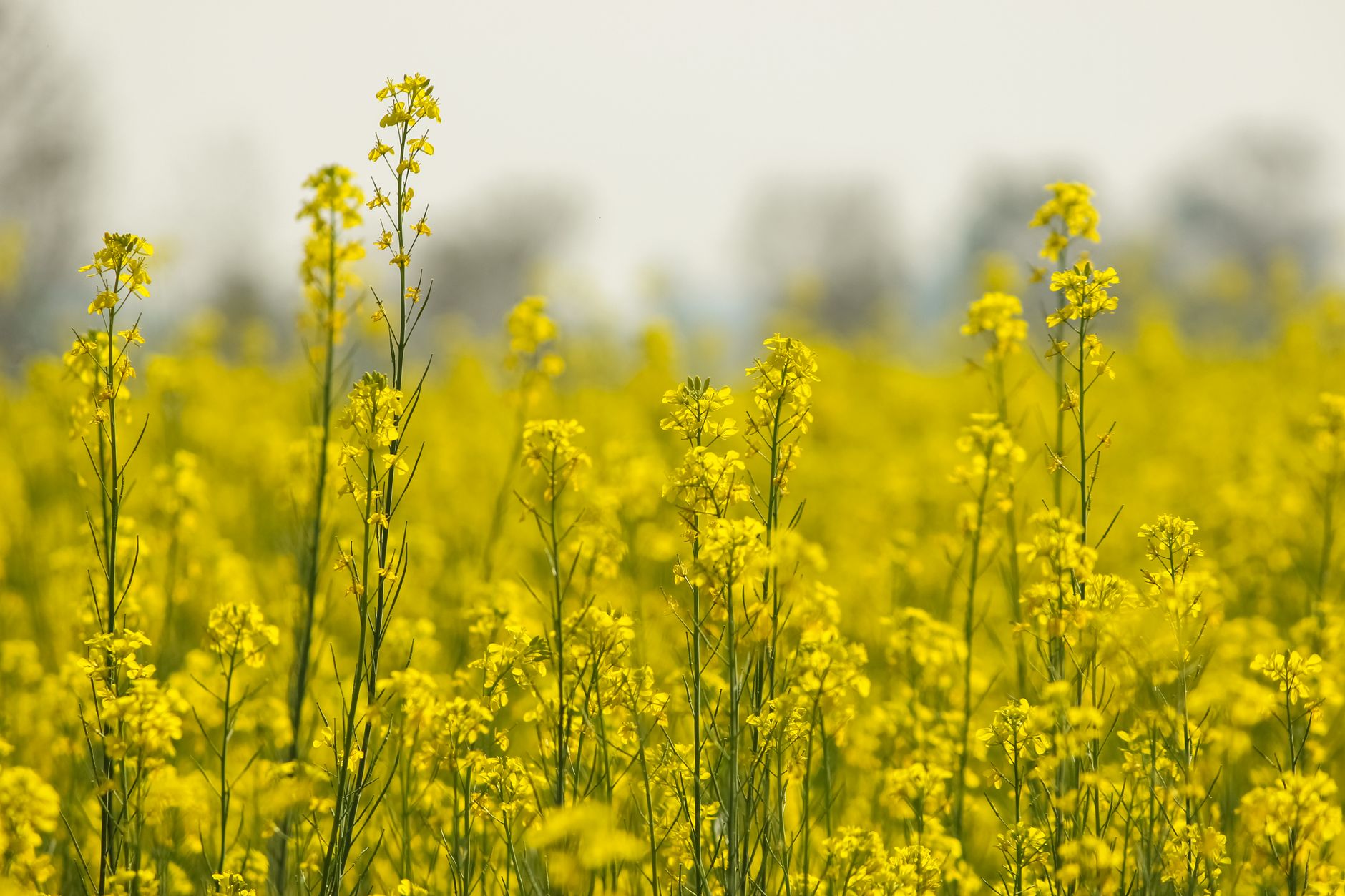
Canola oil is extracted from the seeds of the canola plant, a variety of rapeseed selectively bred for edible use. Known for its light texture and mild flavor, canola oil contains relatively low saturated fatabout 7%and higher amounts of heart-friendly unsaturated fats, including omega-3 fatty acids. According to the USDA FoodData Central, canola oil contains approximately 9% omega-3 fats, which are valuable for cardiovascular health.
This oil is widely used because of its clean taste and versatility, making it suitable for salad dressings, sauting, and baking. Halal certification for canola oil is common, with assurance from bodies like JAKIM or HMC that it meets strict ingredients and processing guidelines.
What is Vegetable Oil?
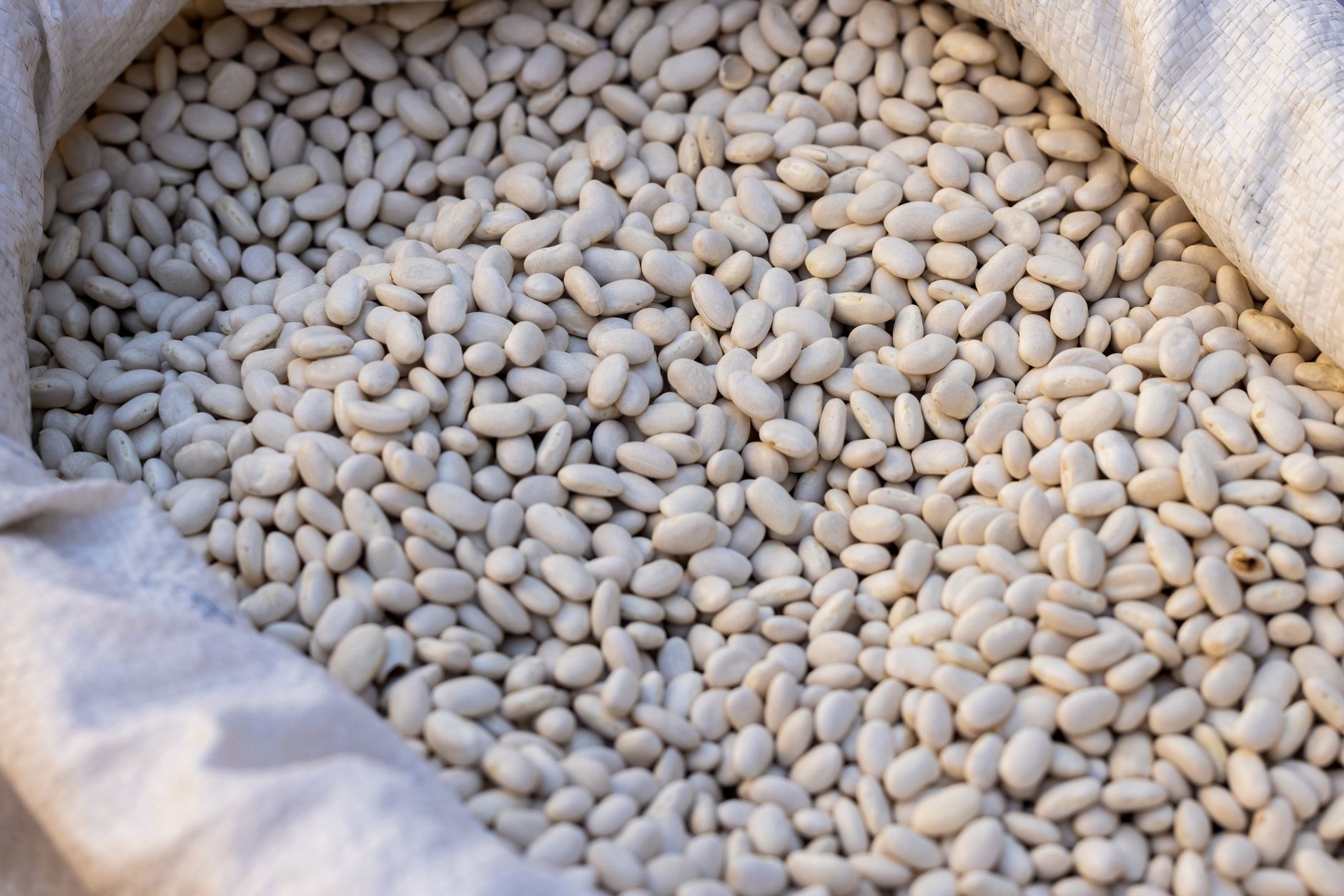
Vegetable oil is a broad term describing oils pressed from a blend of various plant sources, typically including soybeans, corn, sunflower, safflower, or cottonseed. Because its a blend, the nutritional profile varies depending on the mix and brand. Saturated fat can range from 10% to 15%, with polyunsaturated fats like omega-6 dominating.
The versatility of vegetable oil makes it a staple for frying, baking, and general cooking. However, some blends may have higher omega-6 fatty acids, which in excess may contribute to inflammation if not balanced with omega-3 intake. When buying, look for trusted Halal certification logos like IFANCA to ensure compliance with dietary standards.
Quick Comparison Table
| Feature | Canola Oil | Vegetable Oil |
|---|---|---|
| Saturated Fat | ~7% | 1015% |
| Polyunsaturated Fat | ~28% | 3060% (varies) |
| Omega-3 Content | ~9% | Low (varies by blend) |
| Smoke Point | 400F (204C) | 400450F (204232C) |
| Flavor Profile | Neutral, mild | Neutral to light |
Health Considerations
Why Lower Saturated Fat Matters
Lower saturated fat intake is linked to better heart health by helping to manage cholesterol levels. Canola oils saturated fat content of about 7% is significantly lower than many vegetable oils, according to the American Heart Associations recommendations. Keeping saturated fats below 10% of daily calories supports healthy arteries and reduces heart disease risk over time.
Nutrient Differences Affecting Health
Canola oil contains omega-3 fatty acids, which support brain health and reduce inflammation. Vegetable oils often have more omega-6 fats, essential but needing balance with omega-3s to avoid promoting inflammation. Overconsuming omega-6-rich oils without enough omega-3 may increase risks of chronic conditions like arthritis.
Switching between different cooking oils can help balance these fats. For example, incorporating moderate canola oil alongside other oils and foods rich in omega-3 (e.g., fatty fish) supports this harmony.
Who Benefits Most From Canola Oil?
People monitoring heart health, cholesterol, or inflammation tend to benefit from canola oils profile. Dietitians often recommend it as a better alternative to oils high in saturated fat or overly processed blends. Chefs appreciate canola oils neutral flavor that doesnt overpower dishes, particularly in delicate sauces or baked goods.
You might find it helpful to explore cheap foods high in protein for building balanced meals that combine healthy fats with essential nutrients.
Cooking Uses and Practical Tips
Smoke Points and Cookware Suitability
Both canola and vegetable oils have high smoke pointsabout 400F (204C) for canola and up to 450F (232C) depending on the vegetable oil blend. This means they are great choices for frying, roasting, and sauting without breaking down and producing harmful compounds. However, slightly higher smoke points of some vegetable oils make them more suited for deep-frying at very high temperatures.
Flavor and Recipe Fit
Canola oils neutral and mild flavor blends seamlessly into recipes, especially when you want the other ingredients to shine. Vegetable oil also offers a clean taste but may vary slightly depending on its mix of sources, sometimes adding a subtle nutty or corn-like aroma.
Both oils work well in baked breads, muffins, and pastries. For recipes where oil flavor is integrallike salad dressings or marinadescanolas light taste keeps flavors crisp and fresh.
Healthy Cooking Oil Tips
- Store oils in a cool, dark place to avoid ranciditycanola oil lasts 612 months unopened.
- After opening, use within 36 months for best quality.
- Avoid overheating oils past their smoke points to prevent formation of free radicals and off-flavors.
Choosing the Right Oil for Daily Use
When to Choose Canola
Opt for canola oil if you want to reduce saturated fat and boost omega-3 intake. It suits heart-conscious individuals and those following Halal diets seeking certified, traceable products. Its also budget-friendly and widely available.
When Vegetable Oil is Suitable
Vegetable oil is a good option if you need a cost-effective, high smoke point oil for deep-frying or bulk cooking. Some blends may be richer in polyunsaturated fats, which can be healthy when balanced with omega-3 sources. However, pay close attention to labels for Halal certification and oil source transparency.
Guidance From Health Experts
Authorities like the American Heart Association endorse oils low in saturated fat and rich in unsaturated fatscriteria that both canola and many quality vegetable oils meet. The key is moderation and variety, rotating oils and focusing on overall diet quality. Halal-certified oils from reputable bodiesJAKIM, IFANCA, or HMCassure compliance with dietary practices and food safety.

Is Canola vs Vegetable Oil Actually Halal What Should I Check?
Both canola and vegetable oils can be Halal if processed according to Islamic standards. Look for Halal certification logos from trusted bodies like JAKIM, IFANCA, or Halal Monitoring Committee (HMC). Verify that no non-Halal additives or processing agents are involved. Certified oils also often display traceability codes and ingredient transparency.
Does Canola Oil Contain Allergens?
Pure canola oil is generally free of common allergens. However, some vegetable oils, especially blends, may include soybean or peanut oils which can trigger allergies. Always read the labels carefully to avoid cross-contamination or undeclared allergens.
Which Oil Has a Longer Shelf Life?
Unopened canola and vegetable oils typically last 612 months when stored in a cool, dark place. Once opened, they should be used within 36 months to maintain freshness and prevent rancidity. Refrigeration can extend shelf life but may cause cloudiness, which clears when returned to room temperature.
Can Using These Oils Affect Weight Management?
Both oils are calorie-dense, providing about 120 calories per tablespoon. Using oils in moderation supports weight control, especially when replacing saturated fats or trans fats. Combining healthy fats with high-protein foods is a smart strategy; for ideas, check out foods high protein low calorie per 100g.
What Are The Best Cooking Uses For Each Oil?
Canola oil excels in baking, sauting, and light frying due to its mild taste and balanced fats. Vegetable oil, with a slightly higher smoke point in some blends, is great for deep-frying and high-temperature cooking. Both oils perform well for salad dressings and marinades.
Are There Risks In Using Vegetable Oil Regularly?
Excessive intake of omega-6 fatty acids prevalent in some vegetable oils can promote inflammation if not balanced with omega-3 intake. Choosing a variety of oils and incorporating foods rich in omega-3 helps maintain proper fatty acid balance.
How Can I Tell If Oil Has Gone Bad?
Rancid oil smells sharp, bitter, or off. It may also have a dark color or cloudy appearance. Using rancid oil can affect flavor and potentially cause digestive discomfort. Always check smell and taste before cooking, especially if the oil has been open for several months.
Pro Tips for Choosing Cooking Oils
- Most Overlooked Mistake: Buying generic blends without clear labeling risks consuming unbalanced or lower-quality oils. Choose brands with transparent ingredient lists and certification logos.
- Why Cheap Oils Disappoint: Lower-priced vegetable oil blends may contain cheaper ingredients or undergo heavy processing, which can strip beneficial nutrients and impact flavor.
- Expert Tip: Rotate oils in your pantry to enjoy balanced fatty acids and varied flavors. Store oils away from heat and light to maintain freshness longer.

More You Might Like
Looking to boost your meals with wholesome protein? Discover cheap foods high in protein that fit your budget and lifestyle.
Or explore our guide on foods high protein low calorie per 100g to find lean, nutritious options perfect for any diet plan.
Conclusion
Canola vs vegetable oil boils down to your health goals and cooking needs. Canola oils lower saturated fat and omega-3 content usually offer a heart-healthier choice, while vegetable oil remains a versatile, budget-friendly option depending on the blend. Next time you shop, check for Halal certification and nutritional balance. Experiment with both oils in your kitchen and see which enhances your dishes and wellness better. Share your experience and thoughts below wed love to hear!
FAQs
Is canola vs vegetable oil actually Halal — what should I check on the label?
Both canola and vegetable oils can be Halal if processed under Islamic dietary standards. Look for certification logos from bodies like JAKIM, IFANCA, or HMC, and verify that no non-Halal additives or processing aids were used. Check for transparent ingredient lists and traceability codes for added assurance.
How long do canola and vegetable oils last after opening?
When stored in a cool, dark place, unopened canola or vegetable oils last 6 to 12 months. After opening, use them within 3 to 6 months to maintain freshness and avoid rancidity. Refrigeration can prolong shelf life but may cause cloudiness that clears at room temperature.
What is the main difference between canola oil and vegetable oil?
Canola oil comes from a specific rapeseed variety and is lower in saturated fat with higher omega-3 fatty acids. Vegetable oil is usually a blend of oils from various plants, with variable fat content and often higher omega-6 fats. This affects their nutritional profiles and cooking uses.
Are canola and vegetable oils safe for daily consumption?
Yes, both oils are safe when used in moderation. Canola oil’s lower saturated fat and omega-3 content support heart health, while vegetable oils offer versatility. Balancing omega-6 intake from vegetable oils with omega-3 sources is important to reduce inflammation risks.
Where can I buy quality Halal-certified canola and vegetable oils?
You can find Halal-certified cooking oils at supermarkets, specialty Halal stores, and reputable online retailers. Always check for certification logos from trusted bodies like JAKIM, IFANCA, or HMC on packaging to ensure compliance and quality.