Hey there if you or someone you love is navigating life with diabetes, first of all: youre not alone. Managing blood sugar feels like a daily balancing act, and food is one of the most powerful tools we have. The good news? Small, thoughtful food choices can make a big difference. Ive gathered friendly, practical guidance on the best foods for diabetics thats easy to use, grounded in solid nutrition principles, and I hope a bit encouraging.
Why food matters
Think of food as fuel and medicine at the same time. The right foods help stabilize blood sugar, protect your heart, and keep you energized throughout the day. They also support weight management and reduce the risk of complications. Thats a lot of responsibility for what's on your plate, but don't worry you dont have to be perfect. You just need a few habits and go-to foods that consistently help you feel your best.
Smart carb choices
Carbohydrates have the biggest immediate impact on blood sugar, but carbs arent the enemy. Its the type and timing that matter. Aim for unprocessed, fiber-rich carbs that digest slowly and wont cause rapid spikes.
- Whole grains: Think steel-cut oats, barley, quinoa, and brown rice. These contain fiber that slows sugar absorption.
- Legumes: Beans, lentils, and chickpeas are low-glycemic, protein-rich, and super filling.
- Non-starchy vegetables: Leafy greens, broccoli, peppers, and zucchini add vitamins and fiber with minimal carbs.
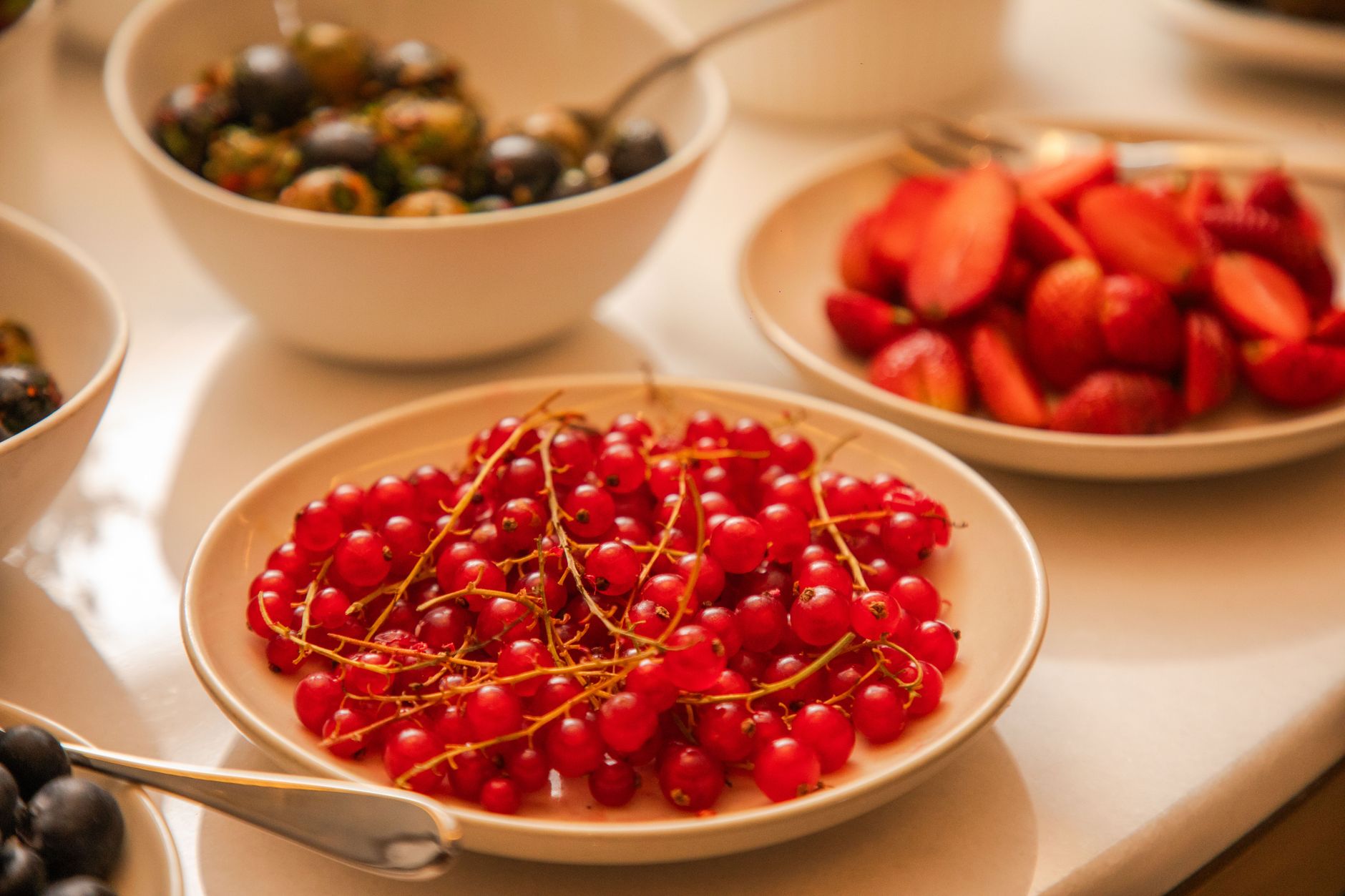
- Fruit (in moderation): Berries, apples, and pears are usually better choices because theyre higher in fiber and lower in sugar than tropical fruits.
Want a quick reference? I often pick steel-cut oats for breakfast and pair them with a handful of berries and a spoonful of nut butter its a simple combo that steadies blood sugar until lunch.
Protein: your stabilizing friend
Protein helps stabilize blood sugar and keeps you full. Including protein with every meal can cut down on mid-afternoon crashes and overeating. There are lots of ways to get protein animal and plant-based so you can pick what fits your taste and values.
- Fish and seafood: Fatty fish like salmon and mackerel offer heart-healthy omega-3s and protein.
- Lean poultry: Skinless chicken or turkey are easy, versatile options.
- Eggs: Affordable and nutrient-dense; an egg breakfast is hard to beat.
- Dairy or dairy alternatives: Greek yogurt and cottage cheese provide protein and calcium. Choose unsweetened varieties.
- Plant proteins: Tofu, tempeh, edamame, and seitan are excellent choices. If you're exploring plant-based diets, check out this helpful guide to Plant based food.
If youre curious about compact protein choices that pair well with diabetes-friendly meals, theres a great resource listing Foods high protein low calorie that I find handy when meal planning.
Healthy fats: dont be afraid
Fat slows digestion and helps with satiety and certain fats are protective for your heart, which is especially important with diabetes. Focus on unsaturated fats and limit trans fats and excessive saturated fats.
- Olive oil and avocado oil: Great for dressings and low-heat cooking.
- Avocados: Creamy, satisfying, and packed with monounsaturated fats.
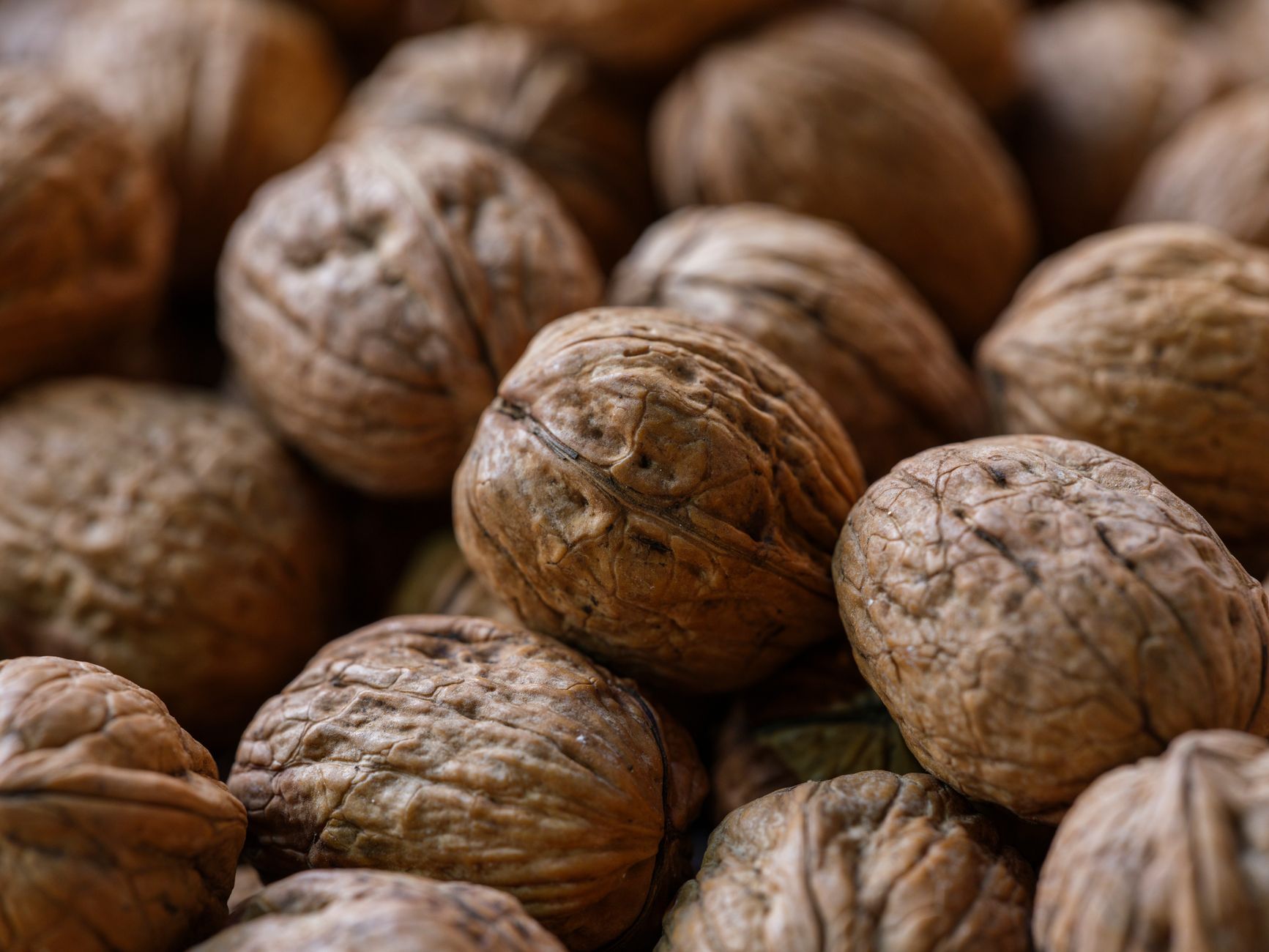
- Nuts and seeds: Almonds, walnuts, chia, and flax add crunch, omega-3s, and fiber.
- Fatty fish: As mentioned above, theyre a two-for-one win (protein and healthy fat).
A small handful of nuts between meals can stop hunger without spiking glucose just watch portions, since fats are calorie-dense.
Favorite diabetes-friendly meals
Okay, onto practical, tasty ideas. Here are some meal templates I actually use or recommend. Theyre simple, balanced, and built around whole foods.
- Breakfast: Greek yogurt with chia seeds, a few berries, and a sprinkle of chopped walnuts.
- Lunch: Quinoa salad with chickpeas, cherry tomatoes, cucumber, chopped spinach, and a lemon-olive oil dressing.
- Snack: Apple slices with almond butter or a small handful of roasted almonds.
- Dinner: Baked salmon, roasted Brussels sprouts, and a side of mashed cauliflower.
- Quick option: A veggie omelet with mushrooms, peppers, and a side salad dressed with vinaigrette.
Want more protein-focused suggestions? You might enjoy this list: List of foods high in protein. It helps when youre building balanced plates.
Snacking wisely
Snacking can be your friend if you choose wisely. Aim for snacks that combine protein, fiber, and a little healthy fat. That combo slows digestion and keeps blood sugar steady.
- Hummus with veggie sticks
- Cottage cheese with sliced cucumber and pepper
- Hard-boiled eggs and a piece of fruit
- Roasted chickpeas or a small portion of mixed nuts
For portable, whole-food snack ideas, consider checking out resources about Whole foods high protein low calorie snacks. Theyre great when youre on-the-go.
Meals to be cautious with
Its easier to say yes to good foods than no to all the tempting ones, but some foods are particularly likely to cause trouble:
- Refined carbs: White bread, sugary cereals, pastries, and many commercial baked goods.
- Sugary drinks: Soda, sweetened teas, and fruit drinks deliver a fast sugar hit.
- Large portions of starchy sides: Too much pasta, white rice, or mashed potatoes can spike glucose.
- Processed snacks: Chips, candy bars, and many packaged snacks can be high in sugar and unhealthy fats.
That said, occasional treats are part of life. The trick is planning pairing desserts with protein, choosing smaller portions, and not making them a daily habit.
Meal timing and portion control
When and how much you eat matters almost as much as what you eat. Regular meals and mindful portions help prevent large blood sugar swings.
- Try to eat at consistent times each day to help your body anticipate glucose management.
- Use your plate as a guide: half non-starchy veggies, a quarter lean protein, and a quarter whole grains or starchy vegetables.
- Listen to hunger cues eat when youre hungry, not out of boredom and stop when you feel satisfied, not stuffed.
Drinks that help (and ones to limit)
Hydration is simple but powerful. Choose beverages that dont add unnecessary sugar.
- Best: Water, sparkling water, unsweetened tea, and black coffee in moderation.
- Limit: Sugary drinks and store-bought smoothies loaded with fruit juice and sugar.
If you enjoy coffee or tea with a splash of milk, opt for unsweetened milk or a small amount of unsweetened plant milk. Little swaps add up.
Putting it into practice: simple swaps
Sometimes tiny swaps are the most sustainable. Here are a few that are easy to try:
- Swap white bread for whole-grain or sprouted bread.
- Swap sweetened yogurt for plain Greek yogurt and add fresh fruit.
- Swap sugary cereal for steel-cut oats or a high-fiber cold cereal.
- Swap fries for roasted sweet potato wedges or a side salad.
One small habit I adopted years ago was keeping a bag of mixed nuts in my bag. When hunger hits, I reach for nuts instead of a vending machine snack its a minor change that made my afternoons so much calmer.
Special diets and individual needs
No single diabetes diet fits everyone. Personal preferences, medications, activity levels, and health goals shape whats best for you. If youre considering low-carb, Mediterranean, plant-based, or another approach, its often helpful to work with a registered dietitian who can tailor a plan. If youre exploring plant options, this article about Plant based food gives practical ideas that align well with blood sugar control.
Monitoring and adapting
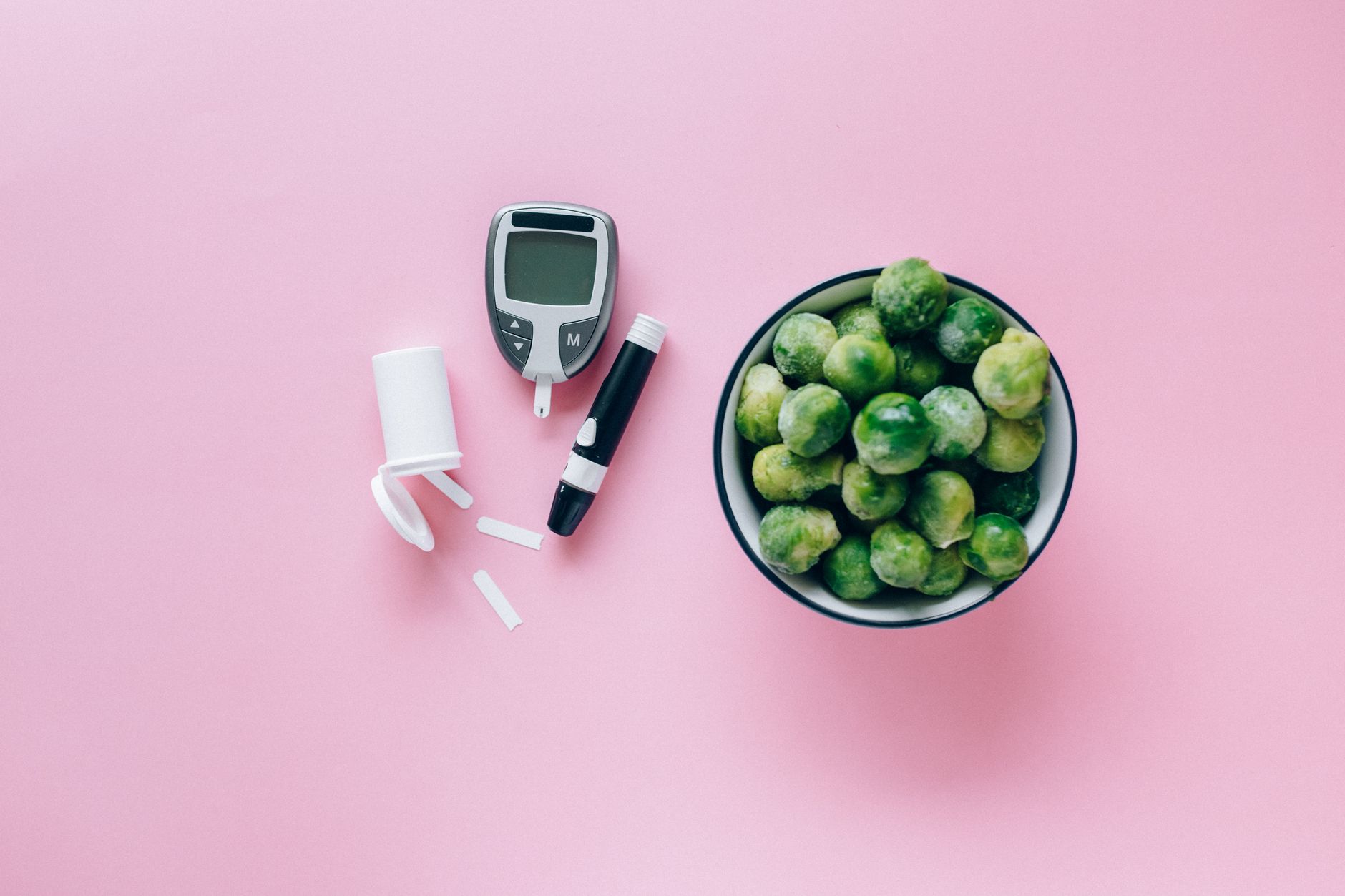
Knowledge beats guesswork. If youre comfortable using a glucose monitor, track how different meals affect your numbers. You might be surprised the same meal can affect people differently. Use that information to fine-tune meals and timing.
Also, celebrate wins. Did your post-meal blood sugar stay steady? Great! Did you choose a balanced snack instead of a sugary one? Win. These small victories build lasting habits.
Where to learn more and build variety
If you want more protein-packed ideas or want to explore plant-based proteins, there are excellent resources to help you diversify your meals. For example, if youre hunting for high-protein, low-calorie options, take a look at this comprehensive Foods high in protein low in calories guide. And if youre curious about the protein-carb balance for breakfast, check out Foods high in protein low in carbsbreakfast foods high in protein for inspiration.
Final thoughts youve got this
Managing diabetes through food isnt about perfection. Its about choices that support steady energy, heart health, and overall well-being. Start with a few favorite, reliable foods and build from there. Keep exploring, be gentle with yourself, and celebrate the small steps.
Whats one small change you might try this week swapping your usual snack, adding a serving of beans to a meal, or trying a new veggie? Share it with a friend, or jot it down somewhere visible. If you want more ideas or meal templates, Im happy to help just ask. You dont have to navigate this alone.
FAQs
What are the best foods for diabetics?
Balanced meals centered on fiber-rich carbs, lean protein, and healthy fats help steady blood sugar.
How can I balance carbohydrates?
Choose unprocessed, high-fiber carbs and pair them with protein or fat to slow sugar spikes.
What snacks work well for diabetes?
Snacks combining protein, fiber, and a little healthy fat—like yogurt with berries or hummus with veggies—work best.
Should I monitor meals with a glucose meter?
Yes. Tracking post-meal numbers helps tailor portions and timing for stability.
Are there plant-based options for diabetes?
Absolutely. Legumes, whole grains, vegetables, and plant proteins can support blood sugar control.