You reach for a bottle of oil every time you fry an egg, sear a chicken breast, or bake a cake. But have you ever stopped to think about what makes one oil different from another? Many recipes call for a neutral oil without explaining why. In simple terms, a neutral oil has a mild flavor and high smoke point, so it doesn‘t compete with the taste of your food. Think of it as the quiet, reliable workhorse of your kitchen.
This guide walks you through everything you need to know: what neutral oils are, which ones to buy, when to use them, and how to store them properly. Whether you are a home cook or a busy parent, understanding neutral oils helps you cook better, save money, and avoid kitchen disasters.
What Exactly Is Neutral Oil?
Definition and Characteristics of Neutral Oil
A neutral oil is any cooking oil that has very little flavor, aroma, or color of its own. This is usually achieved through heavy refining, which strips away the natural taste and smell of the original seed, nut, or fruit. The result is a nearly transparent liquid that can withstand high heat without smoking or burning.
Most neutral oils have a smoke point between 400F and 450F (204C to 232C). That makes them ideal for frying, roasting, and sauting. Because they do not add their own taste, they let the natural flavor of your ingredients shine through. Think of them as a blank canvas for your seasoning and marinades.
Common Types of Neutral Oil
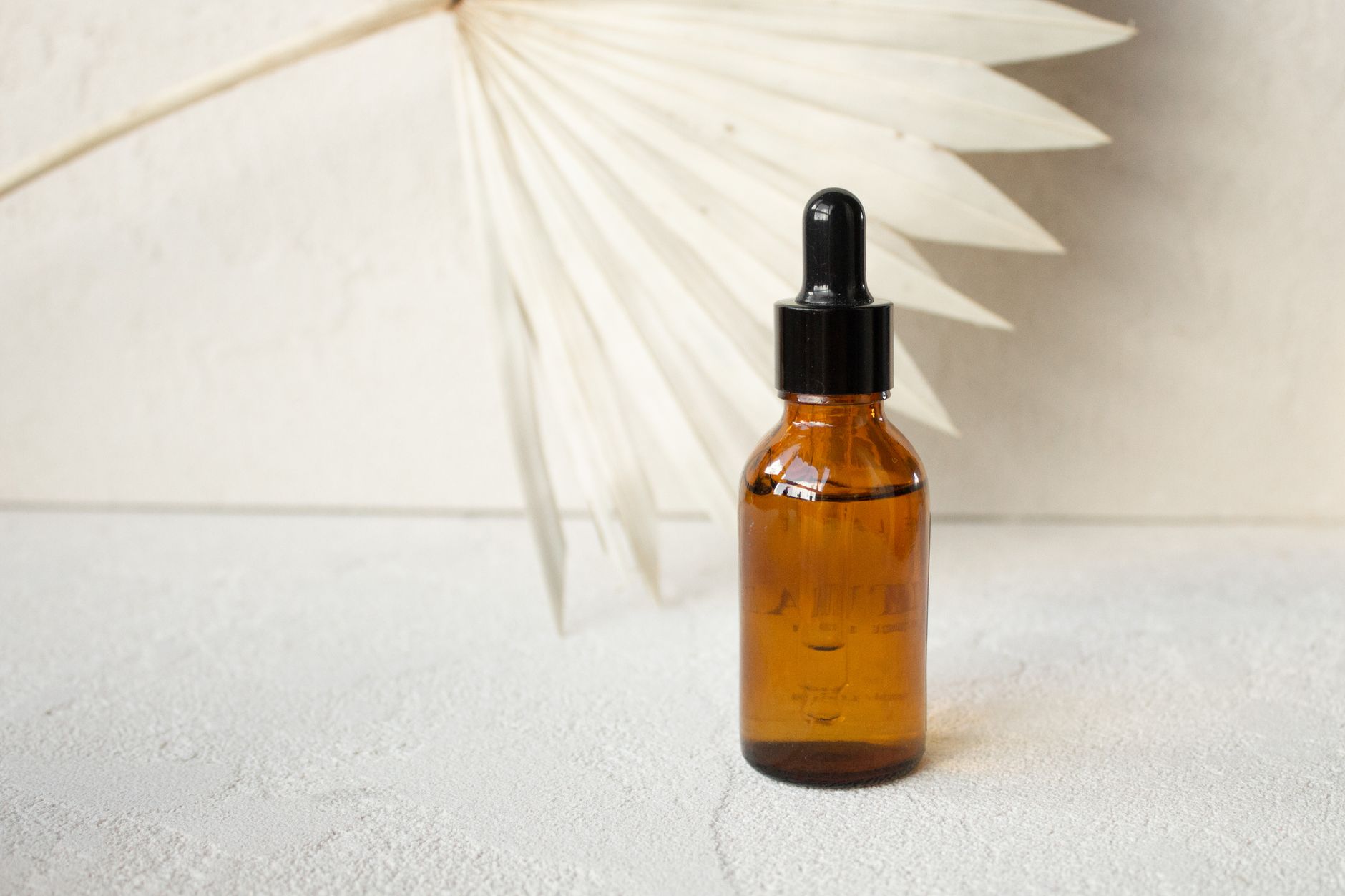
Not all oils labeled "vegetable" are the same. Here are the most popular neutral oils you will find at the grocery store, along with their smoke points and best uses.
| Oil | Smoke Point (F) | Flavor Profile | Best Uses |
|---|---|---|---|
| Canola Oil | 400425 | Very mild, slightly nutty when refined | Frying, baking, salad dressings |
| Vegetable Oil (blend) | 400450 | Neutral, no distinct flavor | Deep frying, stir-frying, roasting |
| Sunflower Oil | 440450 | Light, clean taste | Mayonnaise, sauting, grilling |
| Grapeseed Oil | 420460 | Very mild, almost tasteless | High-heat cooking, vinaigrettes |
| Refined Olive Oil (light) | 390470 | Mild, less fruity than extra virgin | Roasting, pan-frying, baking |
| Avocado Oil (refined) | 480520 | Buttery but neutral | Grilling, searing, high-heat frying |
Why Should You Use Neutral Oil?
Cooking with Neutral Oil: Versatility and Benefits
Neutral oil shines in recipes where you want the main ingredients to be the star. For example, a delicate pan-seared fish needs a clean oil that does not mask its natural sweetness. The same goes for homemade mayonnaise: a mild oil like sunflower or grapeseed gives a smooth, creamy base without an aftertaste.
Another key benefit is heat tolerance. Because neutral oils have high smoke points, they are less likely to break down and produce harmful compounds during cooking. This makes them safer for high-temperature methods like deep frying and oven roasting. According to the USDA FoodData Central, canola oil contains about 7 grams of saturated fat per tablespoon, which is lower than butter or coconut oil.
Neutral Oil Benefits Beyond Cooking
Some neutral oils also offer nutritional advantages. Sunflower oil is rich in vitamin E, a powerful antioxidant. Grapeseed oil contains polyunsaturated fats that support heart health when used in moderation. However, remember that all oils are calorie-dense about 120 calories per tablespoon so portion control matters.
Surprisingly, neutral oil has uses outside the kitchen. Many people use refined coconut or grapeseed oil as a gentle makeup remover or for oil pulling to support oral hygiene. Always choose a high-quality, food-grade oil and test on a small area first to avoid reactions.
When Not to Use Neutral Oil
There are times when a flavored oil is the better choice. Extra virgin olive oil adds a peppery, fruity kick to salads and dips. Sesame oil delivers a nutty aroma that is essential in stir-fries and marinades. If you want a specific taste, reach for those instead.
Also, avoid using neutral oils in recipes that call for a browned butter or nutty flavor, like some cookies or sauces. The whole point of neutral oil is to be invisible if you need flavor, switch to butter or a specialty oil.
How to Choose the Best Neutral Oil for Your Kitchen
Factors to Consider When Buying Neutral Oil
Start by checking the label. Look for "100% pure" and the specific plant source not just "vegetable oil," which can be a mix of unknown oils. If you follow a Halal diet, ensure the oil carries a certification from a recognized body such as JAKIM, IFANCA, or HMC. Most seed oils are naturally Halal, but some blends may include questionable additives.
Price matters. Budget-friendly canola and vegetable oils work fine for everyday frying. For raw applications like salad dressing, spend a little more on cold-pressed or expeller-pressed varieties that retain more nutrients.
Storage Tips to Maintain Quality and Freshness
Heat, light, and air are the enemies of oil. Store your neutral oil in a cool, dark pantry away from the stove. Once opened, most oils stay fresh for about 6 to 12 months. If you buy in bulk, transfer some to a smaller bottle and keep the rest sealed. Rancid oil smells like old paint or crayons toss it immediately if you notice that odor.
For extra longevity, you can refrigerate oils like grapeseed or sunflower. They may turn cloudy but will clear up at room temperature without losing quality.
Conclusion
Neutral oil is a kitchen staple because it works quietly in the background, letting your cooking skills shine. Now that you know what a neutral oil is and how to pick the right one, you can cook with confidence. Next time you shop, check the label for purity and Halal certification, and store your oil properly to keep it fresh. Have a favorite neutral oil for your go-to recipes? Drop a comment below we would love to hear your tips.
Is neutral oil actually Halal what should I check?
Most neutral oils derived from seeds, vegetables, or fruits are Halal by nature. However, always look for a Halal certification logo from JAKIM, IFANCA, or HMC on the bottle. Avoid oils labeled as "mixed vegetable oil" that might contain non-Halal animal fats or alcohol-based extraction residues. Check the ingredient list for any questionable additives.
What is the best neutral oil for deep frying?
For deep frying, choose oils with a smoke point above 425F. Refined avocado oil, sunflower oil, and peanut oil are excellent options. Canola oil works too but has a slightly lower smoke point. Avoid using extra virgin olive oil for deep frying it burns quickly and creates off-flavors.
Can I use neutral oil for baking?
Yes, absolutely. Neutral oils like canola, vegetable, and sunflower are perfect for cakes, muffins, and quick breads. They keep the crumb moist and tender without adding a greasy taste. Substitute one cup of neutral oil for one cup of butter in most baking recipes.
How do I know if my neutral oil has gone bad?
Rancid oil develops a distinct smell like old nuts, crayons, or paint. The oil may also look darker or thicker than when you bought it. If you notice any off aroma, do not use it. A simple sniff test before cooking can save you from ruining a meal.
Is grapeseed oil considered a neutral oil?
Yes. Grapeseed oil is one of the most neutral oils available. It has a very mild flavor and a high smoke point around 420F. It is excellent for vinaigrettes, mayonnaise, and shallow frying. Look for expeller-pressed grapeseed oil to avoid chemical extraction residues.
What is the healthiest neutral oil to cook with?
No single oil is perfect, but avocado oil (refined) stands out for its high monounsaturated fat content and very high smoke point. Canola oil is also heart-friendly due to its low saturated fat. For everyday cooking, rotate between three or four neutral oils to get a variety of fatty acids.
Can I mix flavored oil with neutral oil?
Yes, mixing is a great way to control intensity. For example, blend one part toasted sesame oil with three parts neutral oil for a milder aroma in stir-fries. This technique saves money and prevents a dish from being overpowered. Just use the mixture within a few weeks for best freshness.
Pro Tips for Using Neutral Oil
One common mistake is buying the cheapest blend without checking the label. Many generic "vegetable oils" are a mix of soybean, cottonseed, and palm oil some of which may be partially hydrogenated (trans fats). Always choose a single-source oil like canola or sunflower to know exactly what you are getting.
Another expert tip: use a neutral oil when making homemade mayonnaise or aioli. The oil must be flavorless to let the lemon, garlic, or herbs stand out. Refined grapeseed oil gives the smoothest, most stable emulsion. Chill the whisking bowl and drizzle the oil slowly for perfect mayo every time.
Finally, if you often order groceries online, look for deals on bulk containers of neutral oil. Store the large bottle in a cool pantry and decant a small amount for daily use. This reduces oxidation and saves trips to the store.
More You Might Like
How to Open a Can Without Opener Spoon Hack: Need to open a can of cooking oil or broth in a pinch? Learn this clever kitchen trick to open can without opener using only a spoon. It works surprisingly well and saves time.
Halal Cooking Oil Guide: Wondering which oils are certified Halal and how to read labels correctly? Check out our full guide on choosing Halal-friendly cooking oils for your pantry.
Best Oils for Salad Dressings: Not every neutral oil is right for raw dishes. Discover which oils create the best texture and flavor for homemade vinaigrettes.

FAQs
Is neutral oil actually Halal — what should I check on the label?
Most neutral oils from seeds, vegetables, or fruits are naturally Halal. Always look for a Halal certification logo from JAKIM, IFANCA, or HMC on the bottle. Avoid oils labeled as "mixed vegetable oil" that may contain non-Halal animal fats or alcohol-based extraction residues. Check the ingredient list for any questionable additives.
How do I know if my neutral oil has gone bad?
Rancid oil develops a distinct smell like old nuts, crayons, or paint. It may also look darker or thicker than when new. If you notice any off aroma, do not use it. A simple sniff test before cooking can save you from ruining a meal. Store oil in a cool, dark place to extend freshness.
When should I use flavored oil instead of neutral oil?
Use flavored oils like extra virgin olive oil or sesame oil when you want their distinct taste to enhance a dish. They are ideal for salads, dips, and stir-fries where the oil’s flavor is part of the recipe. Neutral oil is best when you need a clean, invisible base that lets other ingredients shine.
What is the healthiest neutral oil to cook with?
Refined avocado oil stands out for its high monounsaturated fat content and very high smoke point. Canola oil is also heart-friendly due to its low saturated fat. For everyday cooking, rotate between three or four neutral oils to get a variety of fatty acids. Moderation is key as all oils are calorie-dense.
What should I look for when buying neutral oil online?
Check for “100% pure” and a single source like canola or sunflower. Look for a Halal certification from a recognized body. Budget-friendly options work for frying, but for raw uses choose cold-pressed or expeller-pressed varieties. Buying in bulk saves money—store the large bottle in a cool pantry and decant small amounts for daily use.