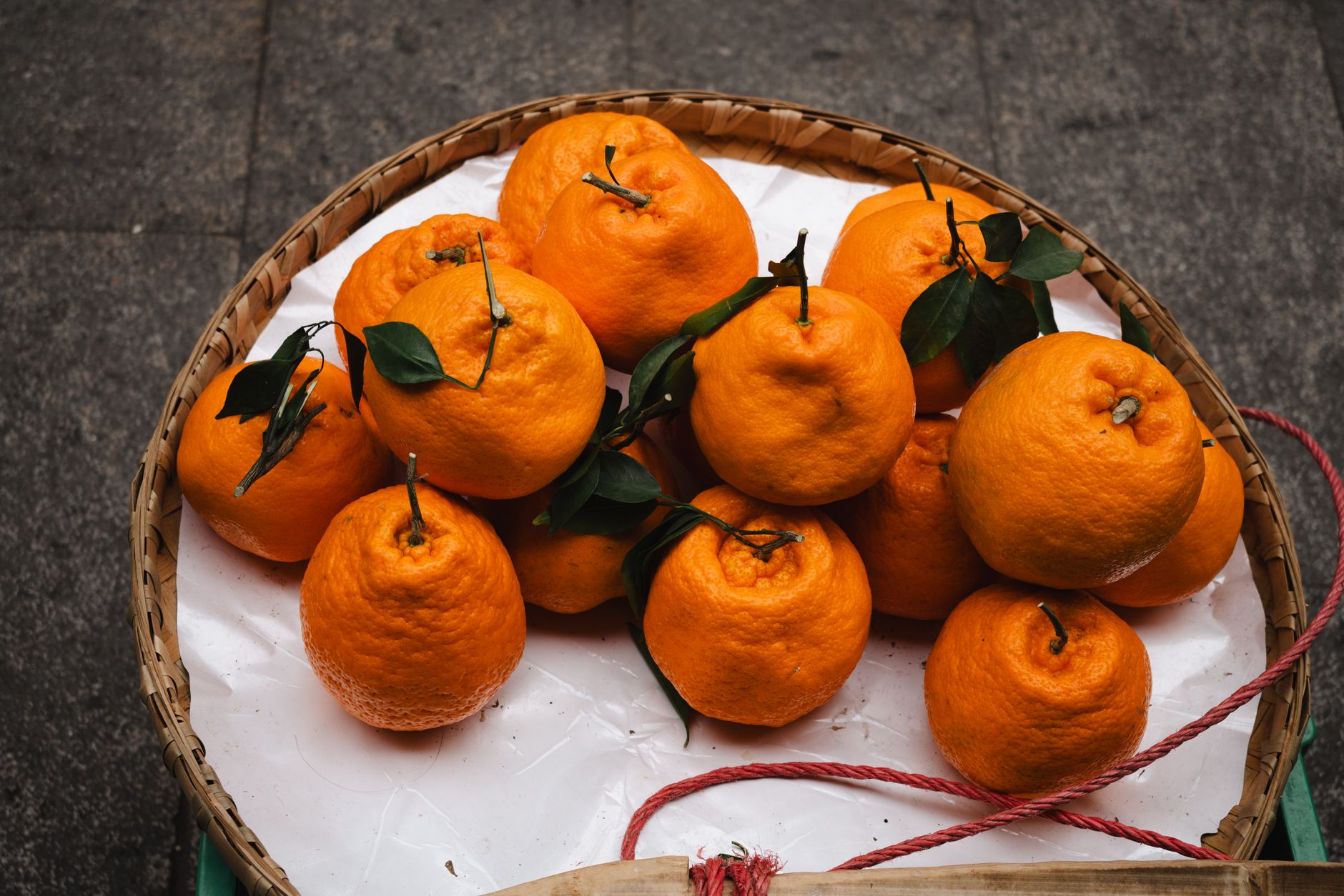
If you ever come across a large, bright orange fruit with a bumpy, loose skin that practically peels itself, you‘re holding a Sumo Citrus. This fruit has been winning hearts due to its uniquely sweet flavor and almost effortless peeling. Whether you want a delicious snack or a healthy addition to your diet, learning about Sumo Citrus is a treat in itself.
Unique Features
Origin and Background of Sumo Citrus
Sumo Citrus is a trademarked name for a special hybrid of the Japanese fruit called Shiranui or Dekopon. It originated in Japan in the 1970s but has become popular in California and other regions with similar climates. Developed through careful breeding, this fruit combines the best traits of mandarins and oranges, boasting sweetness without acidity and a size larger than typical mandarins.
This fruit is grown under specific climate conditions that encourage its thick peel to loosen, making it easy to remove. Growers must also meet strict quality standards to market the fruit under the Sumo Citrus name, ensuring consistency and authenticity.
Appearance and Texture
Sumo Citrus stands out for its large sizeoften double that of a regular mandarin. It has a distinctive bumpy, thick outer skin that feels soft and loose. This peel separates easily from the flesh, much like a tangerine, but without the mess or fuss.
The fruits shape is round but slightly bulbous at the top with a characteristic top knot, hence the name Sumo, inspired by the helmet shapes of Japanese wrestlers.

Sumo Citrus Flavor Profile
Sumo Citrus flavor is famously sweet, juicy, and mildly tangya perfect balance that satisfies without overwhelming sourness. Its flesh is tender and bursting with juice, much like a high-quality mandarin but with a richer sweetness reminiscent of honey.
Experts often describe its taste as clean and refreshing with subtle tropical undertones. This makes it a beloved choice for both kids and adults, especially those seeking a natural sweet fruit option.
Health Benefits
Sumo Citrus Nutrition Facts
Sumo Citrus offers a rich source of vitamins and minerals, notably vitamin C, which supports the immune system. According to the USDA FoodData Central, one medium-sized Sumo Citrus contains approximately 70 calories, 2 grams of fiber, and delivers over 50% of the recommended daily intake of vitamin C.
It is low in fat, sodium, and cholesterol, making it a heart-healthy snack.
Potential Health Benefits
The antioxidants in Sumo Citrus, including flavonoids and vitamin C, help reduce oxidative stress and inflammation. These compounds promote healthy skin and can enhance immune defenses.
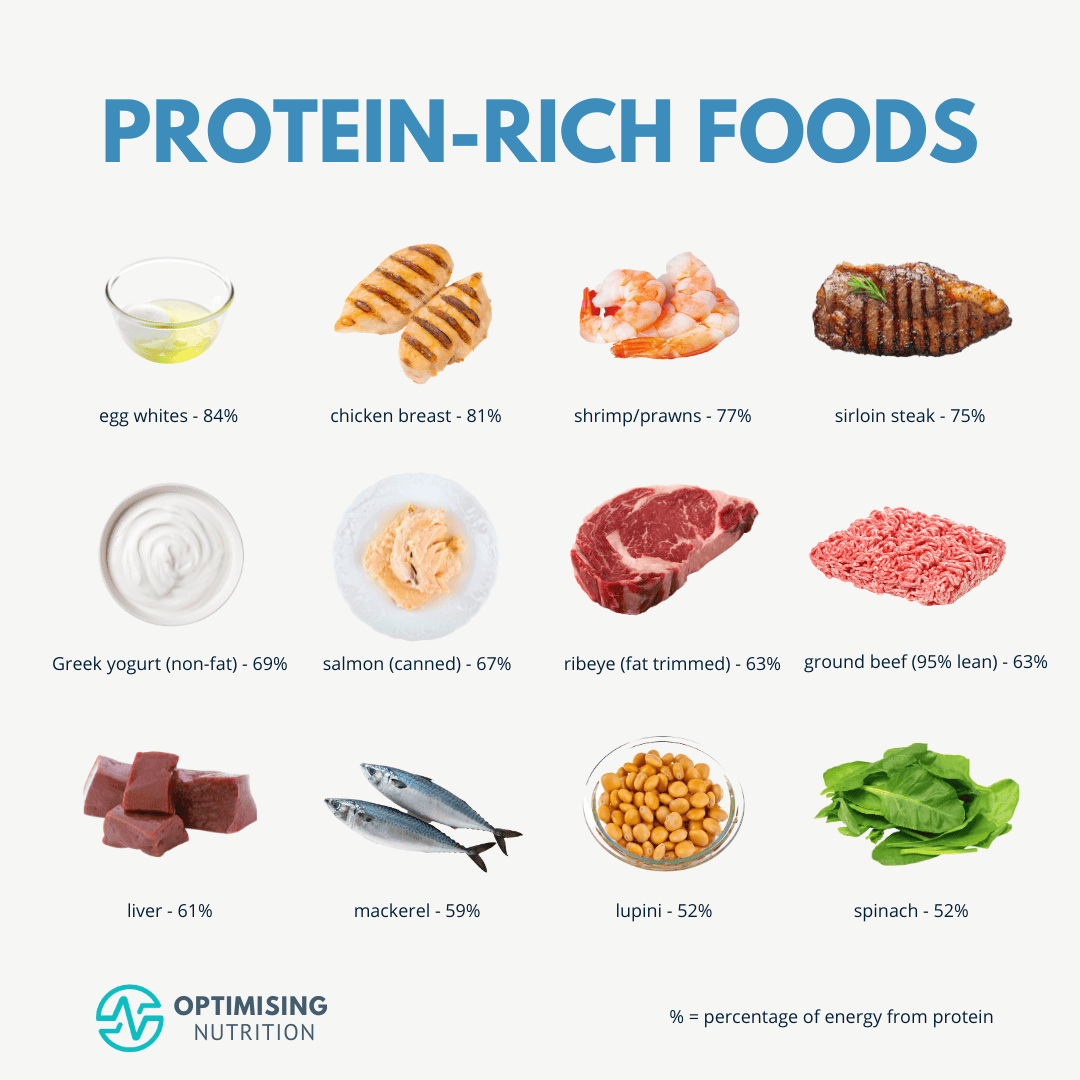
Its high water and fiber content aid hydration and digestion, which are vital for overall wellness. Nutritionists often recommend incorporating fruits like Sumo Citrus into a balanced diet along with foods high in protein and low in fat for a complete nutritional approach.
Considerations and Possible Risks
While Sumo Citrus is generally safe for most people, those with citrus allergies should avoid it. Its natural sugars are moderate but can add up if consumed in excess, so diabetic individuals may want to monitor their intake.
As with any fruit, eating Sumo Citrus in reasonable portions is key to enjoying its benefits without drawbacks.
Buying Guide
Seasonal Availability
Sumo Citrus is typically in season from January through April. Buying it during these months increases your chances of finding fresh, ripe fruit with optimal sweetness.
Where to Buy
You can find Sumo Citrus in many upscale grocery stores, specialty fruit markets, and farmers markets during the season. Some online retailers also carry it for direct delivery, but fresh local options tend to have the best texture and flavor.
Look for fruit with bright color and no punctures or bruises. The peel should feel slightly loose but not shriveled a sign of freshness.
Cost and Price Range
Expect to pay slightly more for Sumo Citrus than regular mandarins or oranges due to its rarity and quality standards. Prices usually range from $2 to $4 per fruit or about $5 to $8 per pound, depending on location and season.
Its premium price reflects its unique qualities and picking requirements.
| Certification | Price Range | Common Formats | Shelf Life | Key Allergens |
|---|---|---|---|---|
| Halal Certified (look for JAKIM, HMC logos) | $2 - $4 per fruit | Whole fruit, pre-packaged boxes | Keeps 12 weeks refrigerated | None (natural citrus) |
Sumo Citrus Compared to Other Citrus Fruits
| Attribute | Sumo Citrus | Mandarin | Orange |
|---|---|---|---|
| Ease of Peeling | Very easy, loose skin | Easy | Moderate |
| Taste | Very sweet, juicy | Sweet to tangy | Sweet to acidic |
| Size | Large | Small-medium | Medium-large |
| Nutrition (Vitamin C) | High | Moderate | High |
| Price | Premium | Affordable | Affordable |
How to Enjoy
Simple Serving Suggestions
Peeling Sumo Citrus is a joy on its own just crack the loose skin and pull apart sections like you would a mandarin. Its perfect as a quick snack or lunchbox addition.
Try tossing peeled sections into a fresh salad to add vibrant sweetness and juiciness. A few mint leaves and a drizzle of honey amplify the natural flavors nicely.
Cooking and Drink Ideas
Sumo Citrus works wonderfully in both sweet and savory dishes. Use the juice and zest in dressings, baked goods, or marinades for poultry and fish. Its gentle sweetness pairs well with tangy or spicy flavors.
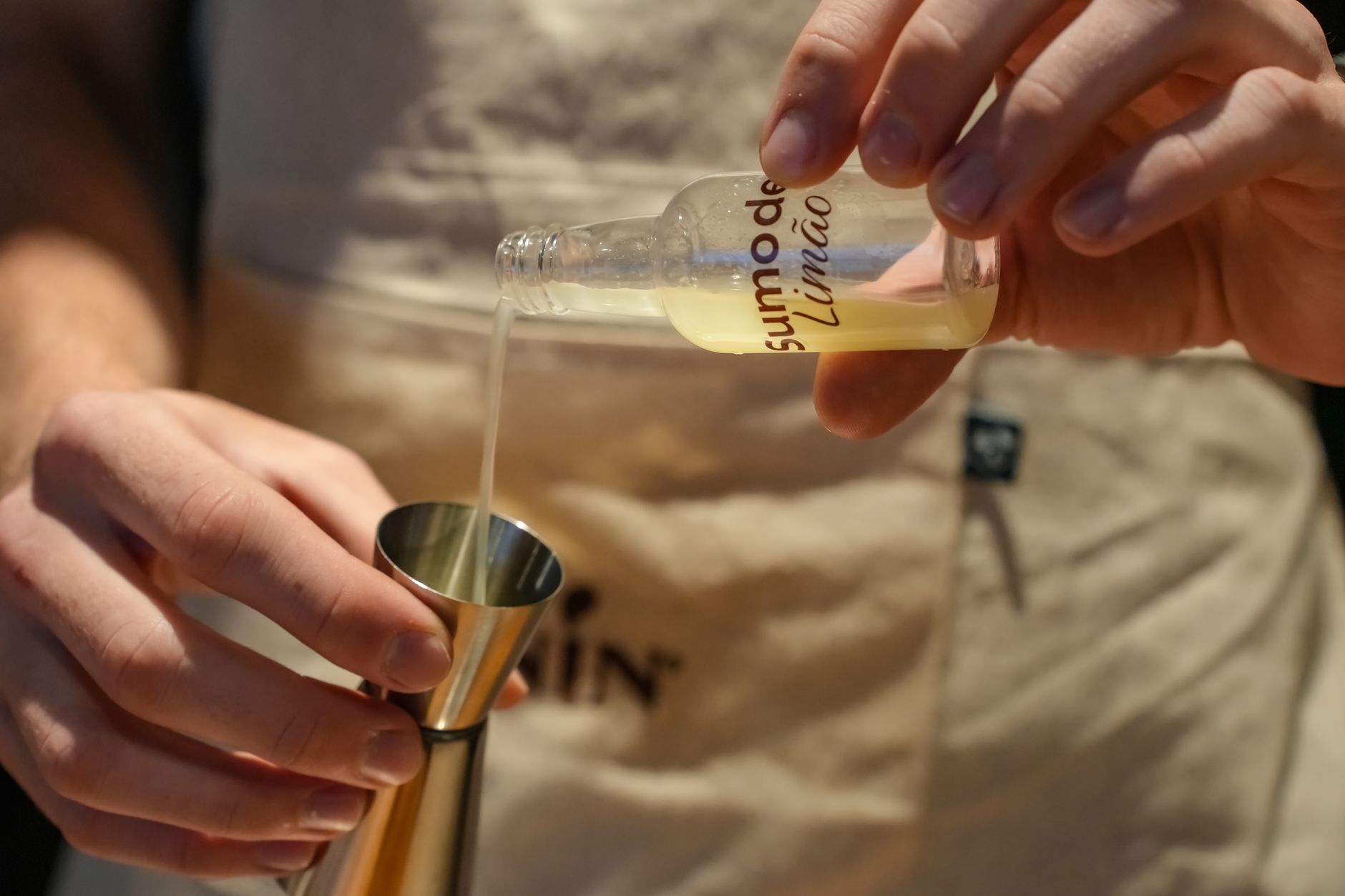
Create refreshing beverages by mixing fresh Sumo Citrus juice with sparkling water or incorporating it into cocktails and mocktails. For a protein-rich snack combo, try serving it alongside pan fry frozen salmon for a balanced plate.
Storage Tips
Keep unpeeled Sumo Citrus in the refrigerator crisper for up to 2 weeks. Once peeled, store segments in an airtight container and consume within 3 days for best flavor.
Label Reading Advice
What to Look for on a Label
Since Sumo Citrus is often sold loose or in minimal packaging, the label may simply show the brand or farm name. For Halal certification, look for logos such as JAKIM, HMC, or IFANCA, ensuring it meets your dietary requirements.
Some packaged boxes include handling and storage instructions. Check for freshness dates and avoid any fruit that appears shriveled or bruised.
Misleading Claims to Avoid
Avoid fruit marketed as "Sumo" without the proper certification, as these may not meet quality or taste standards associated with the official branding.
Buying Tips
Most Overlooked Mistake
Many buyers assume bigger Sumo Citrus means juicier fruit. However, size can vary, and sometimes smaller fruits have better flavor. Dont hesitate to ask the seller for a sample or check firmness and aroma yourself.
Why Cheap Versions Disappoint
Lower-priced Sumo Citrus may be underripe or overripe, lacking sweetness or texture. Remember, premium flavor and easy peeling reflect careful growing, harvesting, and handling.
Expert Tip
Store Sumo Citrus at room temperature for a few days if you want the peel to loosen further, then refrigerate to preserve freshness. This trick helps release the sweet juices and maximizes ease of peeling.
Is Sumo Citrus actually Halal what should I check?
Sumo Citrus itself is naturally halal as a fruit. However, if you buy packaged or processed Sumo Citrus products, look for Halal certification symbols from bodies like JAKIM or HMC on labels to confirm compliance. This guarantees no cross-contamination with non-halal ingredients or handling methods.
When is the best time to eat/drink Sumo Citrus?
This fruit is best eaten fresh during its peak season between January and April when sweetness and juiciness reach their maximum. Early morning or post-workout snacks are ideal times to enjoy its refreshing energy boost.
How can I tell if a Sumo Citrus is ripe?
A ripe Sumo Citrus has bright orange skin with minimal green patches and feels slightly soft but firm. Loose skin at the top knot area is also a good sign. Avoid fruit with blemishes or hard, green skin.
Can Sumo Citrus be used in halal recipes?
Absolutely. Its natural, halal-friendly profile fits perfectly in many recipes from salads and desserts to drinks without compromising dietary requirements.
Does Sumo Citrus contain allergens?
Sumo Citrus contains no common allergens, but those allergic to citrus fruits should avoid it. Always check packaged products for added ingredients that may introduce allergens.
How long does Sumo Citrus last after purchase?
Unpeeled Sumo Citrus keeps well for 12 weeks refrigerated. Peeled segments should be eaten within 3 days stored in an airtight container to maintain freshness.
What are common ways to eat Sumo Citrus?
People enjoy the fruit fresh, peeled into segments, added to salads, blended into smoothies, or used as a flavor enhancer in dressings and sauces.
More You Might Like
Discover more about foods high in protein and low in fat to support a healthy diet. Pair your fresh fruits with wholesome proteins for balanced meals.
Learn how to pan fry frozen salmon quickly and maintain a nutritious dinner with minimal fussperfect alongside a citrusy side salad featuring Sumo Citrus.
Conclusion
Sumo Citrus is an exceptional fruit that combines sweetness, easy peeling, and valuable nutrition. When you next spot this vibrant fruit, check the label for freshness and certification, then savor its juicy segments. Its a delicious, halal-friendly choice that brings a sun-kissed touch to your healthy eating habits. Feel free to share your Sumo Citrus experiences or favorite ways to enjoy it below!
FAQs
Is Sumo Citrus actually Halal — what should I check on the label?
Sumo Citrus itself is naturally halal as it is a fruit. For packaged or processed products, look for Halal certification logos from trusted bodies like JAKIM or HMC to ensure no cross-contamination or non-halal handling.
How long does Sumo Citrus last after purchase?
Unpeeled Sumo Citrus will keep fresh for up to 12 weeks when refrigerated. Peeled segments should be stored in an airtight container and consumed within 3 days for the best quality.
What is the difference between Sumo Citrus and regular mandarins?
Sumo Citrus is larger with a thick, loose peel that is very easy to remove. It is sweeter and less acidic than mandarins and has a distinctive bumpy skin with a top knot, making it unique in flavor and appearance.
Can I eat Sumo Citrus daily and are there any safety concerns?
Eating Sumo Citrus daily is generally safe and beneficial, providing vitamin C and antioxidants. However, those with citrus allergies should avoid it, and diabetics should monitor their intake due to natural sugars.
Where can I buy fresh Sumo Citrus?
Sumo Citrus is available in upscale grocery stores, specialty fruit markets, farmers markets, and some online retailers during its season from January to April. Look for fruits with bright orange color and slightly loose skin.