Hey, so you just realized its almost dinner time and your salmon is still frozen solid? Yeah, Ive been there. The panic sets indo you start thawing? Pull out a complicated recipe? Nah, lets keep it real and simple: you can pan fry frozen salmon straight from the freezer, and actually get a delicious, juicy fillet on your plate in no time at all.
No waiting hours or fiddling with water baths, just the right technique to sear frozen fish perfectly and have a quick salmon dinner that feels gourmet without the fuss. Sound good? Stick with meIll walk you through everything you need to nail this fast frozen salmon recipe.
Why Pan Fry Frozen Salmon?
Lets start with the basics. Whats so great about pan frying frozen salmon, and are there any risks? Well, there are some pretty solid benefits. For one, going straight from freezer to pan saves a ton of time. You dont have to plan ahead or wait for hours to thaw your fish, which means a healthy, tasty meal is ready when you need it.
Pan frying also gives you that beautiful crispy skin that makes salmon singyes, even from frozen! Plus, it locks in moisture so the fish stays tender rather than drying out, which is a real win in my book.
That said, its important to know what could go sideways. Cooking frozen salmon wrong risks uneven cooking or leaving the center underdone. Nobody wants that... especially when were talking about raw fish.
Food safety is key herealways make sure your salmon reaches an internal temperature of 145F (63C), which kills harmful bacteria. This way, you can enjoy your pan-fried salmon with zero worries.
Aim for Flat and Flash Frozen When Possible
One critical tip to make pan frying frozen salmon a breeze is the type of frozen fillet you buy. Flat, flash-frozen salmon fillets work best. Why? Because the thin, even thickness allows heat to penetrate uniformly, cutting down cooking time and making sure you get a nice sear all over without the center being raw.
This means youre less likely to end up with that awkward mix of cooked edges and icy middle. So next time youre grabbing fish from the freezer aisle, seek out those neatly packed, evenly sized fillets.
If you cant find flat fillets, dont stressyou can still pan fry frozen salmon, just keep a closer eye on cooking times and heat to avoid overcooking the edges.
Tips for the Best Pan-Fried Salmon from Frozen
Ready for some real-deal tips to help your pan-fried salmon shine? Heres what Ive learned after a few kitchen mishaps and tasty wins:
What Pan Should You Use?
A heavy-bottomed skillet is your best friend here. Cast iron, stainless steel, or non-stick pans with decent weight help distribute heat evenly and keep that beautiful sear intact.
Oil or Butter? Whats the Best for Searing Frozen Fish?
Go with an oil that can handle high heat without burning. Avocado oil, grapeseed oil, or light olive oil are perfect choices. Butter adds great flavor but can burn quickly, so save it for adding near the end or use it mixed with oil at the start for a nice balance.
Seasoning Frozen Salmon: Before or After?
Salt draws out moisture, so sprinkling it on a frozen fillet right away can be a bit tricky. Pat the salmon dry first with a paper towel (yes, even frozen fillets sometimes sweat), then season with salt, pepper, and your favorite herbs or spices before hitting the pan.
Simple is best herelemon zest, garlic powder, or paprika work wonders without overpowering the fish's natural flavor.
If you like, check out some fun ideas for quick protein-packed meals like frozen breakfast sandwiches while youre meal-planning your day!
Step-by-Step: How to Pan Fry Frozen Salmon
Heres the no-nonsense method I swear by. Give this a whirl and let me know how it goes!
Step 1: Preheat Your Pan
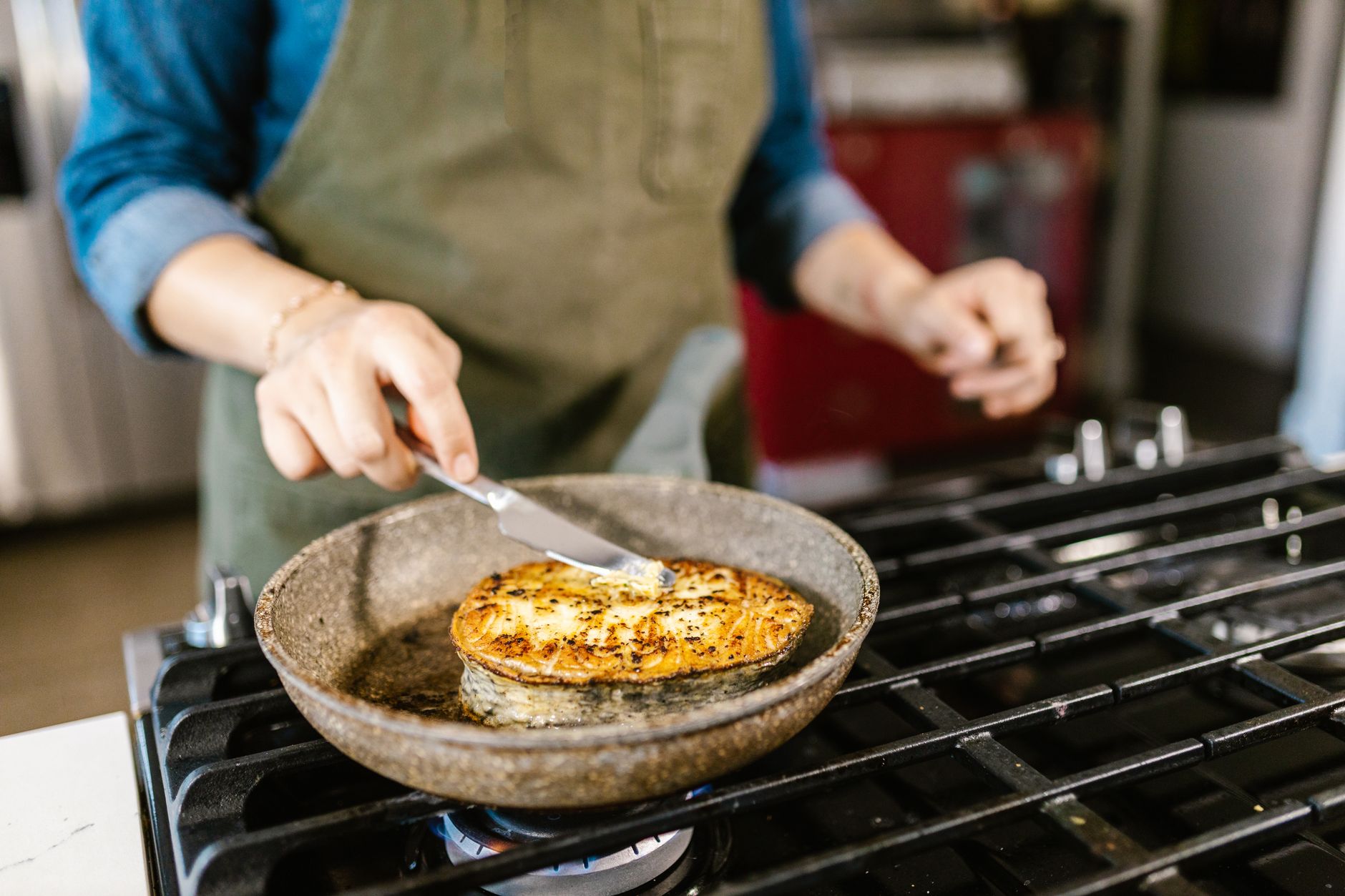
Heat your skillet on medium-high. You want it hot enough that when you add the fish, it sizzles loudlya sizzling sound is the sign youre about to get some serious crispy goodness.
Step 2: Add Oil
Pour just enough oil to coat the bottom. Wait a few seconds for it to shimmer but not smoke.
Step 3: Add Your Frozen Salmon Skin Side Down
Gently place the frozen salmon fillets in the pan. Since theyre frozen, they may initially release some waterdont panic! This will evaporate as it cooks.
Press down lightly so the skin makes full contact with the pan.
Step 4: Sear Without Disturbing
Leave the salmon alone for about 67 minutes. Resist the urge to flip too soon; this is where youre building that delicious crispy crust.
Step 5: Flip and Lower Heat
Flip carefully with a wide spatula. Now reduce the heat to medium or medium-low to let the salmon cook through without burning the outside.
Step 6: Finish Cooking
Cook for another 57 minutes, depending on thickness. You want a flesh color thats opaque and flakes easily with a fork.
Pro tip: Use a digital thermometer if you have one145F internal temp means youre good to go.

How to Get That Perfect Sear on Frozen Salmon
Achieving crispy skin on frozen salmon can feel like a mystery if youre new to searing frozen fish. Heres the trick: dry is your friend. After placing the fish in the pan, allow it to sweat off excess moisture before the skin crisps up. This means no flipping or poking around initially.
Also, make sure your pan is hot before adding the salmon. A cold pan will steam the fish rather than sear it, leading to soggy skin. And hey, dont overcrowd the pangive each fillet room to breathe and sizzle.
Seasoning right before cooking, plus a quick squeeze of fresh lemon when its done, elevates your quick salmon dinner into something youll want to brag about.
Frozen Salmon Recipe Ideas to Try Tonight
So, you nailed the pan fry frozen salmon techniquewhat now? Here are a few quick and tasty dinner ideas to try:
- Lemon Garlic Salmon Bowl: Serve your salmon on steamed quinoa or rice with sauted spinach and a drizzle of lemon-garlic sauce.
- Salmon Salad: Flake your seared salmon over a bed of mixed greens, cherry tomatoes, avocado, and a tangy vinaigrette.
- Quick Pasta Toss: Toss cooked pasta with olive oil, garlic, spinach, and flaked salmon for an effortless weeknight dish.
If youre curious about gentle foods for healing, you might also enjoy the article on foods to eat after wisdom teeth removal hey, salmon is a true star on those days too!

Troubleshooting Tips: When Things Go Sideways
Look, not every cooking adventure goes perfectly, especially when youre rushing. So, what if your salmon sticks, falls apart, or turns out dry?
Salmon Sticks to the Pan
This usually means your pan wasnt hot enough or lacked enough oil. Give the pan a good preheat and be generous with your cooking fat next time. Also, make sure not to move the fish too earlythe crust needs time to form.
Salmon Breaks Apart
Frozen fish is delicate. Use a thin, wide spatula, and be gentle when flipping. If it still crumbles, try cooking on slightly lower heat and extend the cooking time.
Salmon is Dry or Overcooked
To prevent dryness, lower your heat after searing and watch timing carefully. Remember, cooking frozen salmon needs a bit more patience once flipped to allow the inside to cook without burning the outside.

Wrapping It Up: Your Go-To Frozen Salmon Hack
Look, pan frying frozen salmon is a game changer for anyone juggling lifes chaos but still wanting to eat well. Its fast, flavorful, safe, and surprisingly easy when you know the ropes. With the right pan, heat, and a bit of patience, youll have crispy, juicy salmon ready in under 15 minutesno thawing, no stress.
The next time you stare down a frozen fish fillet that you forgot to thaw, remember this guide and trust yourself. Give it a shot and feel free to drop your thoughts or your own tips belowI love hearing your kitchen wins and challenges. Cheers to quick salmon dinners that taste like you had all day to make them!
FAQs
Can you pan fry salmon straight from frozen?
Yes, you can pan fry salmon directly from frozen by using the right technique to ensure even cooking and a crispy skin.
How long does it take to pan fry frozen salmon?
It usually takes about 12 to 15 minutes total, including searing and cooking through on medium to medium-low heat.
Should you season frozen salmon before cooking?
It’s best to pat the frozen salmon dry first, then season it with salt, pepper, and spices before pan frying.
What type of pan works best for frying frozen salmon?
A heavy-bottomed skillet, such as cast iron or stainless steel, is ideal for even heat and a good sear.
How do you know when frozen salmon is fully cooked?
The salmon is done when it flakes easily with a fork and reaches an internal temperature of 145°F (63°C).