When you reach for tomato paste, do you grab the familiar can or squeeze from a tube? Tomato paste differences go beyond packagingthey affect taste, texture, shelf life, and even how they fit into your recipes. Knowing these distinctions helps you choose the best type for your cooking style, whether youre simmering a rich stew or whipping up a quick pasta sauce.
Processing Methods Explained
What Ingredients and Preservatives Are Used?
Canned and tubed tomato pastes look similar but have distinct ingredient profiles shaped by their packaging and processing needs.
Canned tomato paste typically contains tomatoes and salt. To prevent spoilage, manufacturers often add preservatives like citric acid or calcium chloride. The paste is cooked down, sealed in metal cans, and sterilized to extend shelf life without refrigeration before opening. This traditional processing method keeps tomato paste shelf-stable for up to 1218 months.
In contrast, tubed tomato paste focuses on convenience and freshness. Tubes usually contain just tomatoes and a small pinch of saltpreservatives are minimal or absent because the tubes limit air exposure. The paste is packaged aseptically in squeezable tubes, meaning its sterilized and sealed in a low-oxygen environment to keep it fresh without a can‘s heavy heat processing.
This difference in preservatives impacts flavor and shelf life after opening: canned paste can develop metallic notes or bitterness if not refrigerated promptly, while tubed paste tends to keep a fresher, sweeter tomato flavor longer once opened.
How Does Processing Affect Nutrition?
Nutrition-wise, tomato paste is naturally rich in vitamin C, lycopene, and fiber. According to the USDA FoodData Central, the amounts remain largely consistent between canned and tubed types since the raw ingredient is the same concentrated tomato.
Where differences arise is sodium content and additives. Canned pastes often have higher sodium levelssometimes up to 420mg per 2 tablespoon servingdue to added salt and preservation. Tubed versions usually have less sodium, offering a cleaner label for health-conscious cooks.
Additionally, canned paste may have trace minerals from the metal can, though some prefer this tradeoff given the longer shelf life. The tube packaging avoids any metallic taste, preserving a more natural tomato profile.
Processing & Ingredients Comparison
| Feature | Canned Tomato Paste | Tubed Tomato Paste |
|---|---|---|
| Ingredients | Tomatoes, salt, often citric acid or calcium chloride | Tomatoes, minimal salt, usually no preservatives |
| Packaging | Metal can, airtight, sterilized | Plastic/aluminum tube, aseptically sealed |
| Shelf Life (unopened) | 1218 months at room temperature | 912 months, cooler storage prolongs life |
| Flavor | Robust but can have cooked, metallic notes | Fresher, slightly sweeter tomato taste |
| Sodium Content | Medium to high (varies by brand) | Lower, cleaner label preferred |
Cooking and Taste Differences
Does One Taste Better in Italian Cooking?
Many Italian chefs swear by canned tomato paste for authentic sauces. The cooking method concentrates and intensifies flavors, imparting a deep, slightly caramelized tomato taste that melds beautifully in long-simmered dishes. The salt and citric acid also help balance the acidity and enhance umami.
That said, tubed paste offers a cleaner, brighter tomato flavor that some prefer in lighter recipes or quick sauces. Its milder taste lets the freshness of other ingredients shine through without overpowering.
Choosing between the two often depends on the recipes cooking time. Rich ragu or slow-cooked stews benefit from canned pastes intensity. Fresh pasta sauces and quick sauts can gain vibrancy from tubed pastes pure tomato essence.
Specific Uses Favoring Each Type
- Canned Tomato Paste: Ideal for recipes requiring thickening, simmering, or baking. Think chili, lasagna, stews, and barbecue sauces.
- Tubed Tomato Paste: Perfect for small quantities, adding freshness to soups, salad dressings, marinades, or garnishing pizzettas.
For example, adding a teaspoon of tubed paste to your homemade vinaigrette provides a fresh tomato note that canned paste might overpower with its denser flavor.
Another tip: Tubed pastes squeeze function makes measuring small amounts easier and more precise. This helps control flavor intensity in delicate recipes.
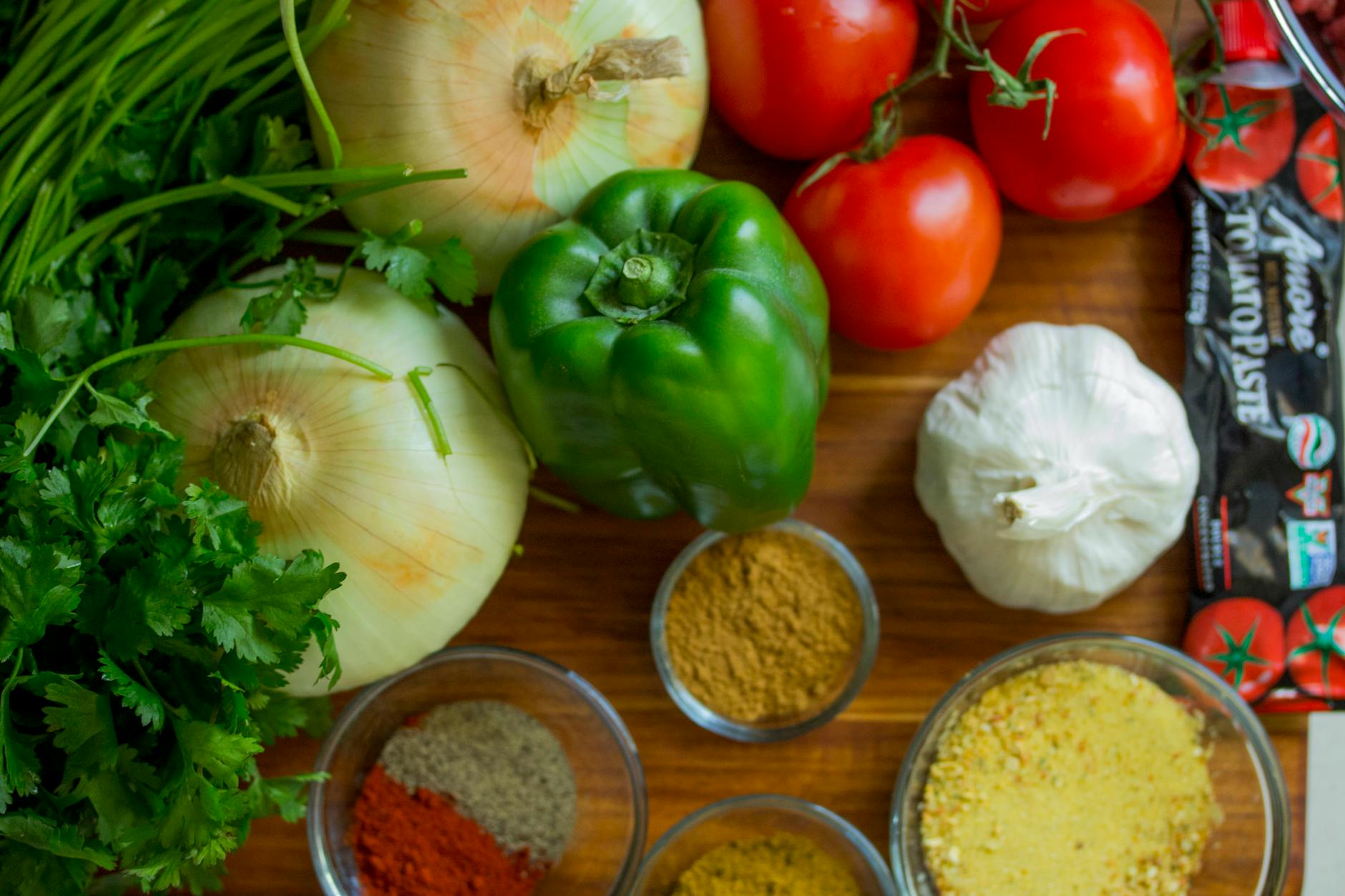
Storage and Convenience Insights
How Long After Opening Does Each Last?
Proper storage matters. Once opened, canned tomato paste should be transferred from the can to a glass or plastic airtight container to avoid metal taste and stored refrigerated. It lasts 57 days in the fridge before flavor and safety decline. You can also freeze leftover paste in tablespoon portions for up to 3 months.
Tubed paste stays usable longer once opened because the tube limits air exposure. Refrigerated, it keeps fresh for 23 weeks. Its resealable cap prevents drying out. This makes tubed paste excellent for occasional cooks or those who use small amounts.
Convenience for Small Portions
Tubed tomato paste shines in convenience. No need to waste half a can. You squeeze exactly how much you want. This reduces food waste and refrigerator clutter.
Cans can be bulky and messyonce opened, its best to use most of the contents quickly. However, canned paste is often less expensive per ounce, making it better for bulk cooking.
Storage Tips to Keep Tomato Paste Fresh
- Transfer canned paste to an airtight container after opening.
- Keep paste refrigerated at temperatures below 40F (4C).
- Freeze leftover paste in ice cube trays or small portions.
- Store tubed paste in the door or main shelf of the fridge, not near the freezer.
- Check for color changes or off smells before use.
Choosing the Right Tomato Paste
Advantages and Disadvantages of Canned Paste
- Pros: Longer shelf life unopened, rich and intense flavor, cost-effective in large quantities.
- Cons: Requires transfer after opening, potential metallic taste, less convenient for small amounts.
Advantages and Disadvantages of Tubed Paste
- Pros: Convenient and mess-free, longer refrigerated life after opening, fresher taste, easy portion control.
- Cons: Slightly higher price per ounce, shorter unopened shelf life, sometimes limited availability.
Pros and Cons Comparison
| Feature | Canned Tomato Paste | Tubed Tomato Paste |
|---|---|---|
| Shelf Life (Unopened) | 1218 months | 912 months |
| Shelf Life (After Opening) | 57 days refrigerated | 1421 days refrigerated |
| Flavor Intensity | Robust, slightly cooked | Fresh, bright |
| Convenience | Needs container transfer | Easy squeeze, portion control |
| Cost Efficiency | More cost-effective | Higher per ounce cost |
For cooks who value authenticity and long storage, canned paste is a reliable kitchen staple. If you prioritize quick use, minimal waste, and fresh flavor, tubed paste may be the better choice.
Whatever you choose, ensure the product is Halal-certifiedlook for trusted logos such as JAKIM, HMC, or IFANCA on the packaging. This guarantees the paste meets Halal food standards you trust.
Curious how tomato paste differences influence other kitchen ingredients? Check out our guide on Pearl onions cooking for more tips on perfect ingredient use.

Is canned tomato paste actually Halalwhat should I check?
Yes, canned tomato paste can be Halal. Check for certification logos from agencies like JAKIM (Malaysia), HMC (UK), or IFANCA (USA), visible on the label or packaging. Also, review ingredient lists for non-Halal additivestomato paste usually contains just tomatoes, salt, and preservatives, which are Halal-friendly.
When is the best time to use tomato paste?
Tomato paste works well at any stage where concentrated tomato flavor is needed. Add it early in slow-cooked recipes like stews and sauces to deepen flavor, or use at the end for a fresh punch. Tubed paste suits quick meals or small flavor boosts without cooking too long.
Can I use tubed tomato paste in baking?
Yes, tubed tomato paste works in baking recipes like savory breads or meat pies. Its fresher flavor won‘t affect texture, and it mixes conveniently without excess moisture from cans.
How do I avoid waste with tomato paste?
Buy tubed tomato paste if you use small amounts occasionally to avoid can leftovers. For canned paste, freeze unused portions in ice cube trays sealed in bags for up to 3 months.
Does the packaging affect tomato paste taste?
Yes, packaging impacts taste and freshness. Metal cans can impart a slight metallic note after opening, while tubed paste retains fresh, vibrant tomato flavor because it limits air exposure.
Are there special Halal certifications for tomato paste?
Tomato paste is generally Halal, but certification bodies like JAKIM, HMC, or IFANCA verify halal compliance in processing, additives, and packaging. Look for halal symbols to ensure authenticity.
How can I tell good quality tomato paste?
Good tomato paste has a deep red color, thick and smooth texture, and a balanced sweet-tart taste. Avoid pastes with overly salty or metallic flavors. Check ingredient lists for minimal additives and proper Halal certification.
Buying Tips for Tomato Paste
- Don‘t get fooled by price alone. Cheap canned paste can contain fillers or less ripe tomatoes, leading to weak flavors.
- Look for clear Halal certification. This ensures both ingredient and process compliance.
- Choose tubed tomato paste for versatility. Its perfect for adding fresh flavor or small amounts without waste.
- Transfer canned paste to airtight containers immediately after opening to preserve quality.
One expert tip: If your recipe benefits from a fresh tomato punch, add a small squeeze of tubed paste just before servingthis ups umami without overcooking.
Wondering about the forces behind popular sauces? Learn about the Subway sauce manufacturer for some fascinating insights.
More You Might Like
- Discover the essentials of Pearl onions cooking to elevate your side dishes with little effort.
- Explore the history and production secrets from the Subway sauce manufacturer behind popular sandwich flavors.
Conclusion
Tomato paste differences affect more than just how you open themthey impact flavor, convenience, and shelf life. Whether you choose canned or tubed tomato paste, understanding these differences lets you cook with confidence and enjoy richer meals. Next time you shop, take a moment to check the label and storage instructions, or experiment by trying both types in your favorite recipes. Feel free to share your tomato paste tips or questions below!
FAQs
Is tomato paste differences actually Halal — what should I check on the label?
Yes, tomato paste differences can be Halal. Look for certification logos from agencies like JAKIM, HMC, or IFANCA on the package. Also check ingredients for non-Halal additives. Typically, tomato paste contains just tomatoes, salt, and preservatives that are Halal-friendly.
How long does tomato paste last after opening?
Opened canned tomato paste lasts about 5 to 7 days refrigerated if transferred to an airtight container, or up to 3 months frozen. Tubed tomato paste can keep fresh for 2 to 3 weeks refrigerated due to limited air exposure and resealable caps.
What is the difference between canned and tubed tomato paste in cooking?
Canned paste offers a robust, cooked flavor ideal for long-simmered dishes, while tubed paste has a fresher, brighter taste perfect for quick sauces or recipes needing small amounts without overpowering.
Is tomato paste safe for daily use in terms of health?
Yes, tomato paste is generally safe and nutritious daily. Tubed types often have lower sodium and fewer preservatives, making them a healthier choice for regular use. Always check labels to avoid excess additives.
Where can I buy quality tomato paste with Halal certification?
Quality Halal-certified tomato paste can be found at specialty grocers, large supermarkets, or online stores. Look for trusted Halal certification marks like JAKIM, HMC, or IFANCA on packaging for assurance.