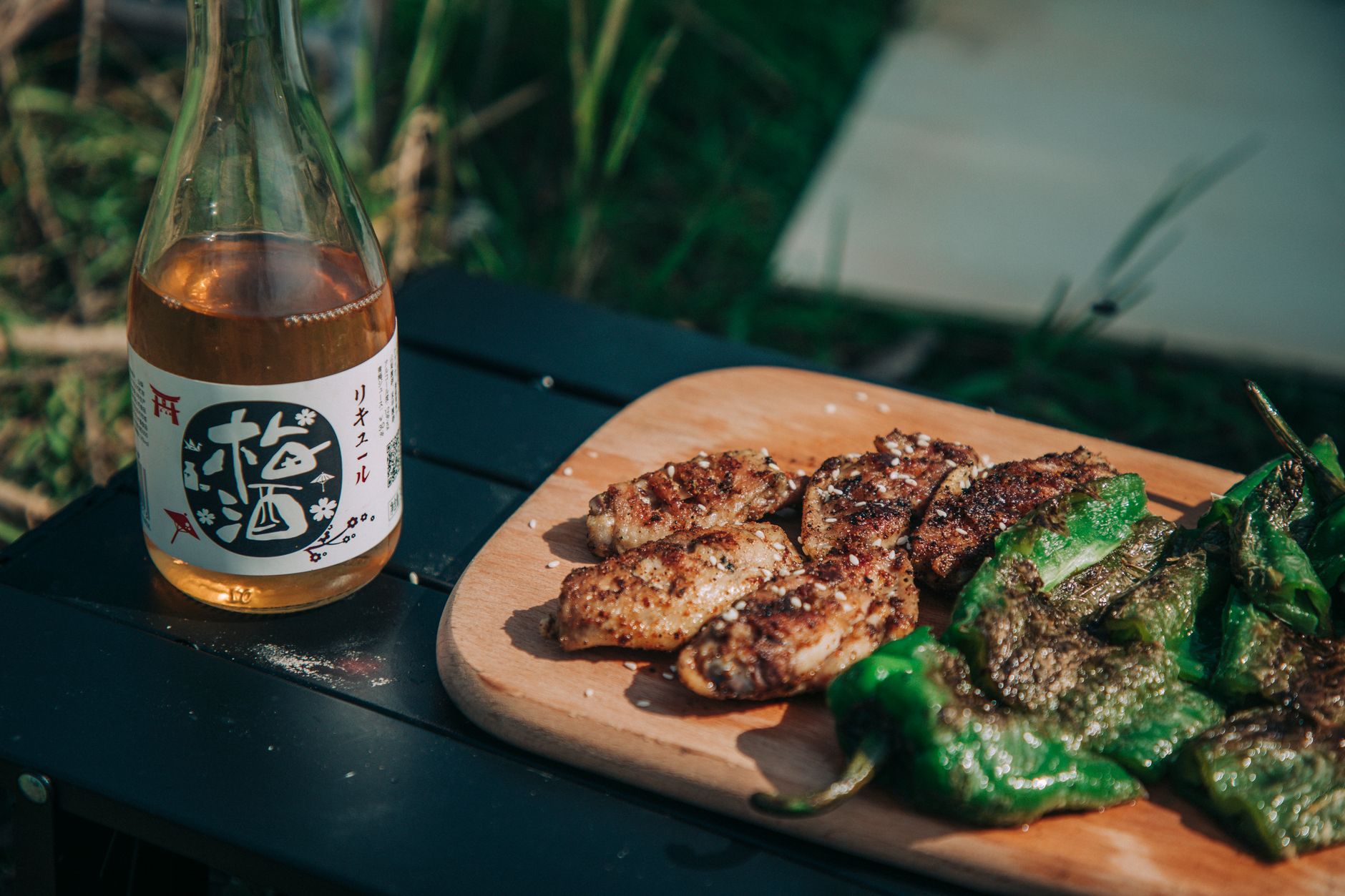
If youve ever thought Japanese barbecue sauce is just another sweet soy-based condiment, youre missing out on a rich world of flavor. Japanese barbecue sauce offers a unique umami-packed blend that elevates grilled meats and vegetables beautifully. Choosing the right sauce mattersmany available options can be overly sweet or artificial, masking true Japanese culinary balance. Lets explore what makes Japanese barbecue sauce special and how to find the authentic ones that bring dishes to life.
Authentic Sauce Basics
Key Ingredients Defining Authenticity
Japanese barbecue sauce balances sweet, savory, and tangy notes, often built from a blend of soy sauce, mirin (sweet rice wine), sake, sugar, garlic, sesame, and sometimes ginger. These ingredients create a velvety sauce with a subtle smokiness and deep umami character. Unlike Western barbecue sauces that lean on smoky tomato bases or heavy spices, Japanese versions focus on clean, harmonious flavors that enhance natural meat tastes.
Differences from Western Sauces
Western barbecue sauces usually rely on tomato, vinegar, and molasses, offering smoky, tangy, and sweet elements. Japanese barbecue sauce, sometimes called tare, is lighter yet richer in umami due to its soy sauce and sake foundation. Its sweetness is milder and less syrupy, making it perfect for frequent basting or dipping without overwhelming other dish components.
Flavor Balance Chart
| Sauce Type | Main Flavor | Key Ingredients | Common Use |
|---|---|---|---|
| Japanese Barbecue Sauce | Umami, Sweet, Mild Tang | Soy sauce, mirin, sugar, garlic, sesame | Grilling, dipping, marinating |
| Western Barbecue Sauce | Smoky, Tangy, Sweet | Tomato, vinegar, molasses, spices | Slow-cooked meats, glazing |
| Korean Barbecue Sauce | Spicy, Sweet, Umami | Soy sauce, garlic, gochujang, sugar | Marinating, grilling, stir-fry |
Japanese chefs often emphasize subtlety and balance in their barbecue sauces to complement rather than overpower the ingredients. This attention to taste is a hallmark of authentic Japanese cuisine.
Top Japanese Barbecue Sauce Brand
Brand Overview
Among many, one Japanese barbecue sauce brand consistently stands out for quality and flavor authenticity. This brand uses traditional fermentation processes and carefully sourced ingredients, resulting in a sauce with a clean label and rich, velvety texture. Its careful balance of sweet, savory, and tangy notes reflects traditional Japanese culinary principles.
Why It Excels
This brand is praised by home cooks and professional chefs alike for its consistent flavor profile neither too salty nor overly sweet. It contains no artificial preservatives or unnecessary additives, making it a great choice for health-conscious consumers. Many Halal consumers appreciate that this brand obtains verified Halal certification (look for logos such as JAKIM or HMC) ensuring it meets strict dietary standards.
Reviews and Testimonials
Users often highlight how conveniently versatile the sauce is, ideal for everything from classic yakiniku grilling to dipping yakitori skewers. Chefs endorse its seamless integration into marinades and stir-fries, voicing trust in its quality and authenticity.
Ingredient Transparency
Ingredients typically include water, soy sauce (water, soybeans, wheat, salt), sugar, mirin, sake, sesame seeds, garlic, and salt. Nutritionally, it usually contains around 420mg sodium per serving and moderate sugars (about 5g per tablespoon), which is something to watch if you are managing sodium or sugar intake.
Where to Buy
You can find this sauce in specialty Asian markets, select health-focused grocery outlets, and some Halal-certified stores. Many online retailers offer convenient purchase options allowing you to order groceries online for pickup. Packaging is usually a sturdy 250ml or 500ml bottle, sealed to preserve freshness. Once opened, the sauce keeps well for 57 weeks refrigerated, if tightly closed.
Creative Sauce Uses
Traditional Dishes
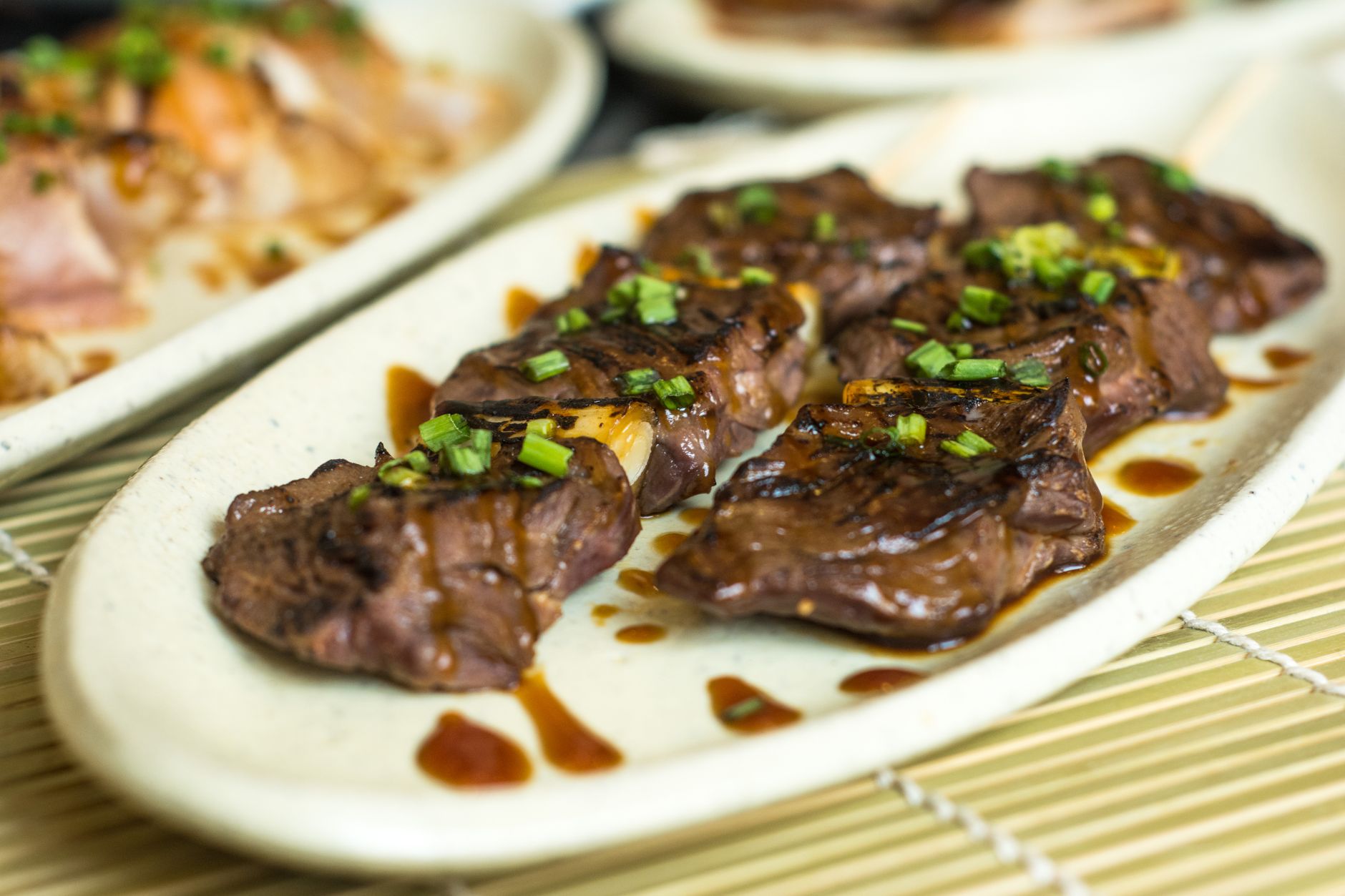
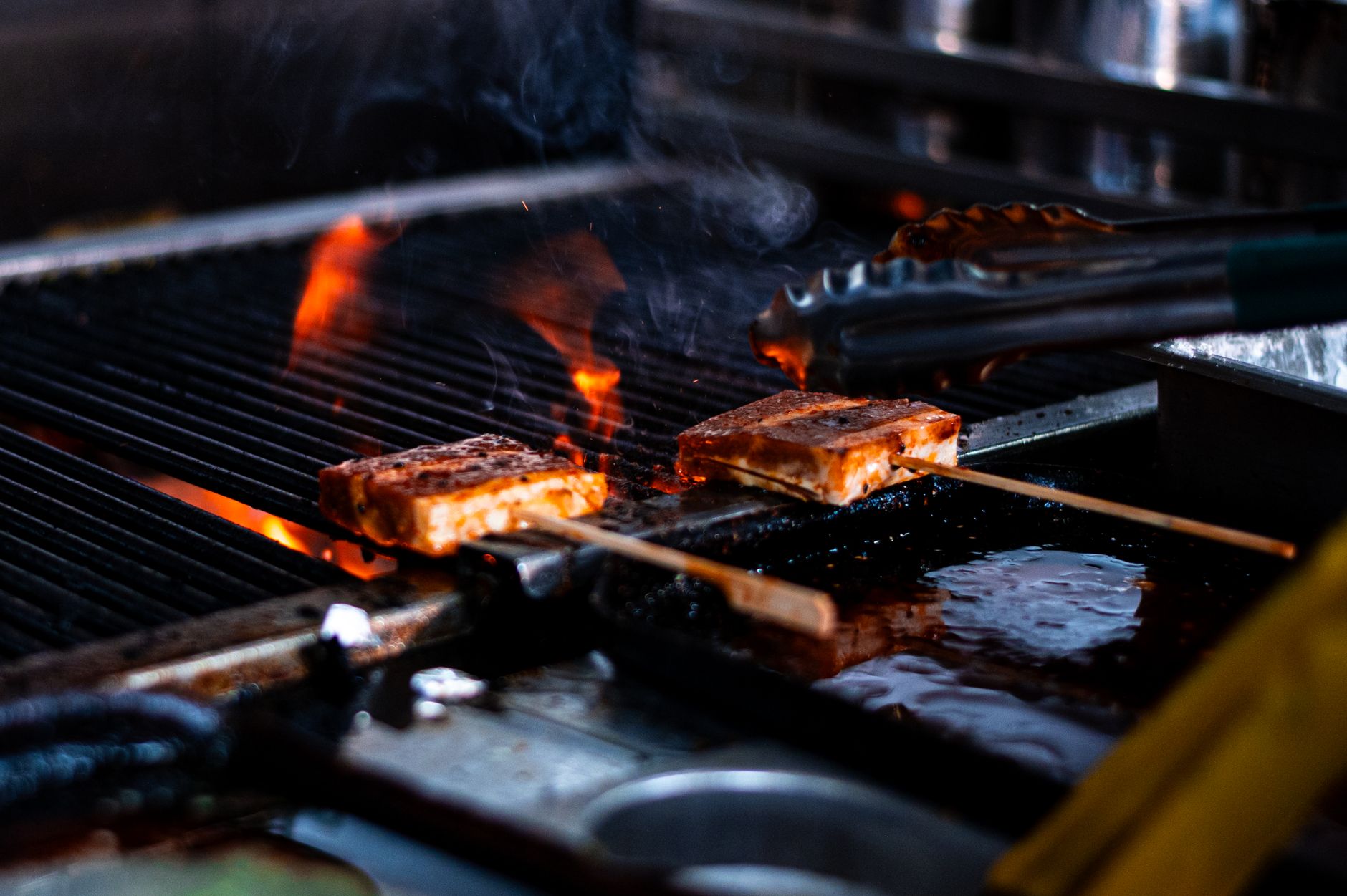
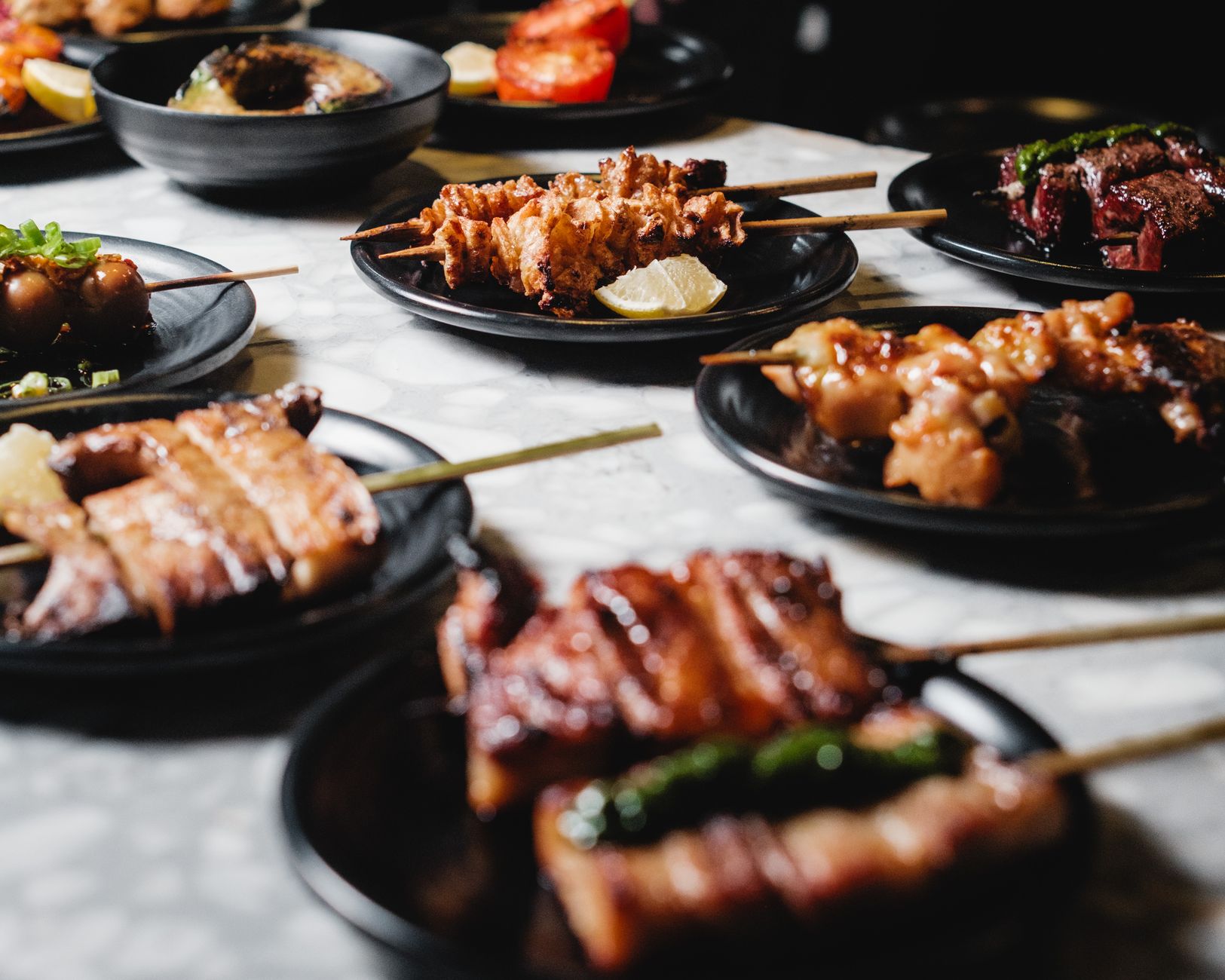
Japanese barbecue sauce shines when grilled over charcoal in dishes like yakiniku (grilled beef) and yakitori (chicken skewers). Brush it on meat pieces about 3 minutes before finishing to develop a shiny, flavorful glaze that locks in juiciness without burning.
Beyond Marinades
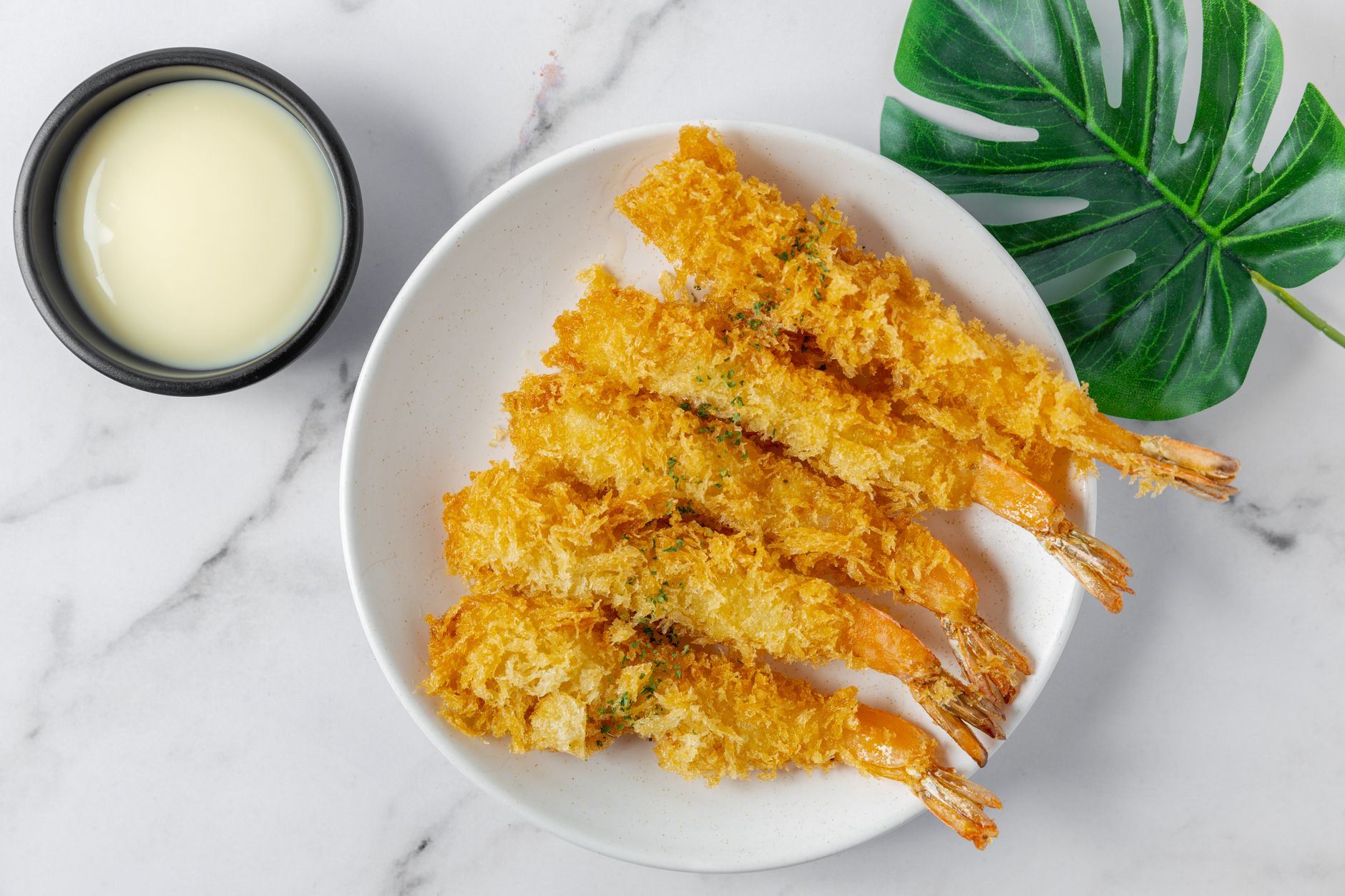
Try the sauce as a dipping condiment for tempura or fried tofu, or drizzle over steamed vegetables for an umami boost. For stir-fries, add 2 tablespoons of the sauce during the last 34 minutes of cooking to harmonize flavors without overpowering freshness.
Pairing Suggestions
Complement dishes with Japanese banchan sides like pickled cucumbers and steamed rice. The sauces mild sweetness cleanses the palate between bites and balances textures beautifully.
Simple Recipe Example
| Prep time | 10 minutes |
| Cook time | 12 minutes |
| Total time | 22 minutes |
| Servings | 4 |
| Calories | 250 per serving |
| Diet tags | Halal, Gluten-Free (check label), Dairy-Free |
Yakiniku Style Grilled Beef with Japanese Barbecue Sauce
- Thinly slice 500g halal-certified beef ribeye.
- Marinate beef in 3 tablespoons Japanese barbecue sauce for 10 minutes.
- Preheat grill or stovetop grill pan to medium-high.
- Grill beef slices for 2 minutes per side.
- Brush on 1 tablespoon sauce during the last 3 minutes of grilling, turning carefully.
- Serve immediately with steamed rice and pickled cucumber.
Pros and Cons
Benefits
- Authentic umami-rich flavor that enhances a variety of dishes.
- Clean label options suit health-conscious and Halal consumers.
- Convenient and versatile: marinades, dips, glazes, stir-fry sauces.
Potential Downsides
- Typically contains moderate sodium (~420mg per tablespoon), which may require portion control.
- Includes sugar roughly 5g per serving so people managing blood sugar should monitor intake.
- Flavor intensity might seem mild if you prefer strongly smoky or spicy sauces.
Balancing Tips
To adjust intensity or reduce saltiness, dilute the sauce with a splash of water or unsalted broth. Mix in fresh grated ginger or a pinch of chili for an extra kick. These tweaks help tailor the sauce to your meal without losing authenticity.
Alternative Japanese Barbecue Sauces
Brands to Consider
Besides the recommended brand, several notable Japanese barbecue sauces offer good alternatives. Look for those with recognized Halal certifications and clean, easy-to-read ingredient lists. Popular ones often contain traditional staples like soy, mirin, and sugar but may vary slightly in sweetness or thickness.
Choosing the Right Sauce
When exploring other brands, check for key signals such as:
- Halal certification from trusted bodies: JAKIM, HMC, IFANCA
- Minimal artificial preservatives or colorings
- Simple ingredient lists prioritizing natural fermentation
- Clear allergen information (gluten, soy presence)
| Certification | Price Range | Common Formats | Shelf Life | Key Allergens |
|---|---|---|---|---|
| JAKIM, HMC, IFANCA | $5$12 per 250-500ml bottle | Glass bottles, squeeze bottles | 12 months unopened; 57 weeks refrigerated after opening | Soy, wheat, sesame |
Choosing brands that meet these criteria helps ensure you get a safe, flavorful product that aligns with Halal and health-conscious lifestyle needs.
Expert Note
Japanese culinary experts caution against buying overly cheap versions that often sacrifice fermentation quality for cost. These can taste flat or overly sweet and contain unhealthy additives. Investing in trusted brands preserves the character and benefits of true Japanese barbecue sauce.
Is Japanese barbecue sauce actually Halal what should I check?
Many Japanese barbecue sauces are Halal, but certification varies by brand. Look for official Halal logos from JAKIM, HMC, or IFANCA on the label, which confirm compliance with Islamic dietary laws. Also, check ingredient lists carefully to avoid alcohol-containing mirin substitutes or non-Halal additives. Some sauces use sake in small amounts, so verification is key.
When is the best time to eat Japanese barbecue sauce?
Japanese barbecue sauce is best used fresh during or near mealtimeright before grilling or dippingto capture its vibrant umami flavor. Using it as a glaze in the last 23 minutes of cooking locks in taste without burning. It can also enhance leftovers by drizzling right before serving.
How should I store Japanese barbecue sauce?
Keep sauce sealed in the refrigerator after opening. Properly stored, it lasts 57 weeks, retaining flavor and safety. Avoid contamination by using clean utensils and tightly closing the cap after each use.
Are there gluten-free options available?
Yes, some Japanese barbecue sauces are made with tamari soy sauce or other gluten-free ingredients. Always check for a gluten-free certification or clearly marked labels if you have dietary restrictions.
Can I make Japanese barbecue sauce at home?
Definitely. Combining soy sauce, mirin, sugar, sake (or Halal substitute), garlic, and sesame oil can recreate the basic sauce. However, commercial brands often use traditional fermentation and refined proportions that are hard to duplicate perfectly.
Is Japanese barbecue sauce suitable for health-conscious diets?
Generally yes, but watch sodium and sugar content per serving. Choose brands with minimal additives and moderate nutrition values. Use sparingly to enjoy flavor without excess sugar or salt intake.
What dishes pair best with Japanese barbecue sauce?
Classic grilled beef (yakiniku), chicken skewers (yakitori), grilled seafood, vegetables, and tofu all pair beautifully. It also works well as a dipping sauce or marinade for stir-fries and fried snacks.
Buying Tips for Japanese Barbecue Sauce
- Check the certification. Always choose sauces with trusted Halal certification logos to match your dietary needs.
- Read the ingredient list carefully. Look for natural ingredients like soy sauce, mirin, and garlic first; avoid sauces with artificial colors or preservatives.
- Beware of overly cheap options. Inexpensive brands may contain fillers or excessive sugar that mask authentic flavor.
- Look for nutrition facts. Be mindful of sodium levels (keep below 500mg per serving if possible) and sugar content.
- Try small bottles first. Since sauces differ, sampling lets you find preferred sweetness and umami balance.
One expert tip: combine a Halal-certified Japanese barbecue sauce with fresh ginger, a squeeze of lemon, or chili flakes to boost complexity and freshness at home.
More You Might Like
Discover how to order groceries online for pickup to easily find Halal-certified sauces and other halal-friendly ingredients. For a flavor comparison, check our guide on Ancho vs pasilla chili peppers and how their profiles differ.
Final Thoughts
Next time you shop, take a moment to check the label of your Japanese barbecue sauce carefully. Opt for authentic, Halal-certified brands that offer balanced, umami-rich flavors with clean ingredients. Whether marinating meats, glazing skewers, or dipping crispy veggies, a good Japanese barbecue sauce can elevate your meals beautifully. Feel free to share your favorite sauces or recipe experiments in the comments belowour community loves hearing your kitchen success stories.
FAQs
Is Japanese barbecue sauce actually Halal — what should I check on the label?
Many Japanese barbecue sauces are Halal, but you should verify by looking for official Halal certifications such as JAKIM, HMC, or IFANCA on the label. Check the ingredient list carefully to avoid alcohol-based mirin substitutes or non-Halal additives, especially sake. Certification logos are key to confirming compliance with Islamic dietary laws.
What is the best time to eat Japanese barbecue sauce?
Japanese barbecue sauce is best used fresh during or just before grilling to capture its vibrant umami flavor. Brushing it on meat in the last 2–3 minutes of cooking creates a shiny glaze without burning. It is also excellent as a dipping sauce or drizzled over leftovers right before serving for maximum taste.
How long does Japanese barbecue sauce last after opening?
When properly refrigerated and tightly sealed, Japanese barbecue sauce can last up to 5 to 7 weeks after opening. Always use clean utensils to avoid contamination and ensure the cap is closed securely to maintain its freshness and flavor.
How does Japanese barbecue sauce differ from Western barbecue sauce?
Unlike Western barbecue sauces that rely heavily on tomato, vinegar, and molasses with smoky, tangy, and sweet flavors, Japanese barbecue sauce (tare) focuses on a lighter, soy sauce and sake-based umami profile with milder sweetness and subtle smokiness. It complements natural meat flavors without overpowering them.
Where can I buy authentic Japanese barbecue sauce?
You can find authentic Japanese barbecue sauce in specialty Asian grocery stores, health-focused supermarkets, and Halal-certified shops. Online retailers also offer convenient options for purchasing with home delivery or store pickup. Look for products with clear ingredient lists and trusted Halal certifications.