Hey friend if youre looking to treat your heart a little kinder (and enjoy what you eat while doing it), youre in the right place. This heart healthy foods list is designed to be practical, friendly, and full of foods that nourish your ticker and your taste buds. No rigid rules, no rabbit holes just smart choices that are easy to weave into everyday life.
Why it matters
Your heart isnt just an organ its the engine that keeps everything moving. Eating with your heart in mind can reduce inflammation, lower cholesterol, stabilize blood pressure, and boost energy. Think of food as daily maintenance: the better the fuel, the smoother the ride. And yes, small changes add up even one or two swaps a week can make a big difference over time.
Key principles
Before we jump into the specific foods, here are a few simple principles to keep in mind. Theyll help you choose wisely without becoming overwhelmed:
- Focus on whole, minimally processed foods.
- Choose healthy fats (like olive oil and nuts) over trans and saturated fats.
- Eat a variety of colorful fruits and vegetables daily.
- Prefer lean proteins and plant-based options when possible.
- Reduce added sugars and excess sodium.
Top heart-healthy foods
Heres a friendly roll-call of foods that consistently show up on cardiologists and nutritionists favorites lists. Mix and match these into meals and snacks to keep things interesting.
Fatty fish
Salmon, mackerel, sardines, and trout are rich in omega-3 fatty acids. These help lower triglycerides and can reduce inflammation. Aim for two servings a week if you can. Not a fish person? Ground flaxseed, chia seeds, and walnuts also provide heart-friendly omega-3s.
Whole grains
Swap refined grains for oats, brown rice, quinoa, barley, and whole-grain bread. Whole grains provide fiber that can help lower LDL (bad) cholesterol and keep blood sugar stable. Think cozy oatmeal in the morning, or a warm quinoa salad for lunch.
Leafy greens and colorful veggies
Spinach, kale, collards, broccoli, bell peppers, carrots these are packed with vitamins, minerals, and antioxidants. Potassium-rich veggies like sweet potatoes and spinach help balance sodium and support healthy blood pressure. Try to fill half your plate with veggies at meals.
Berries
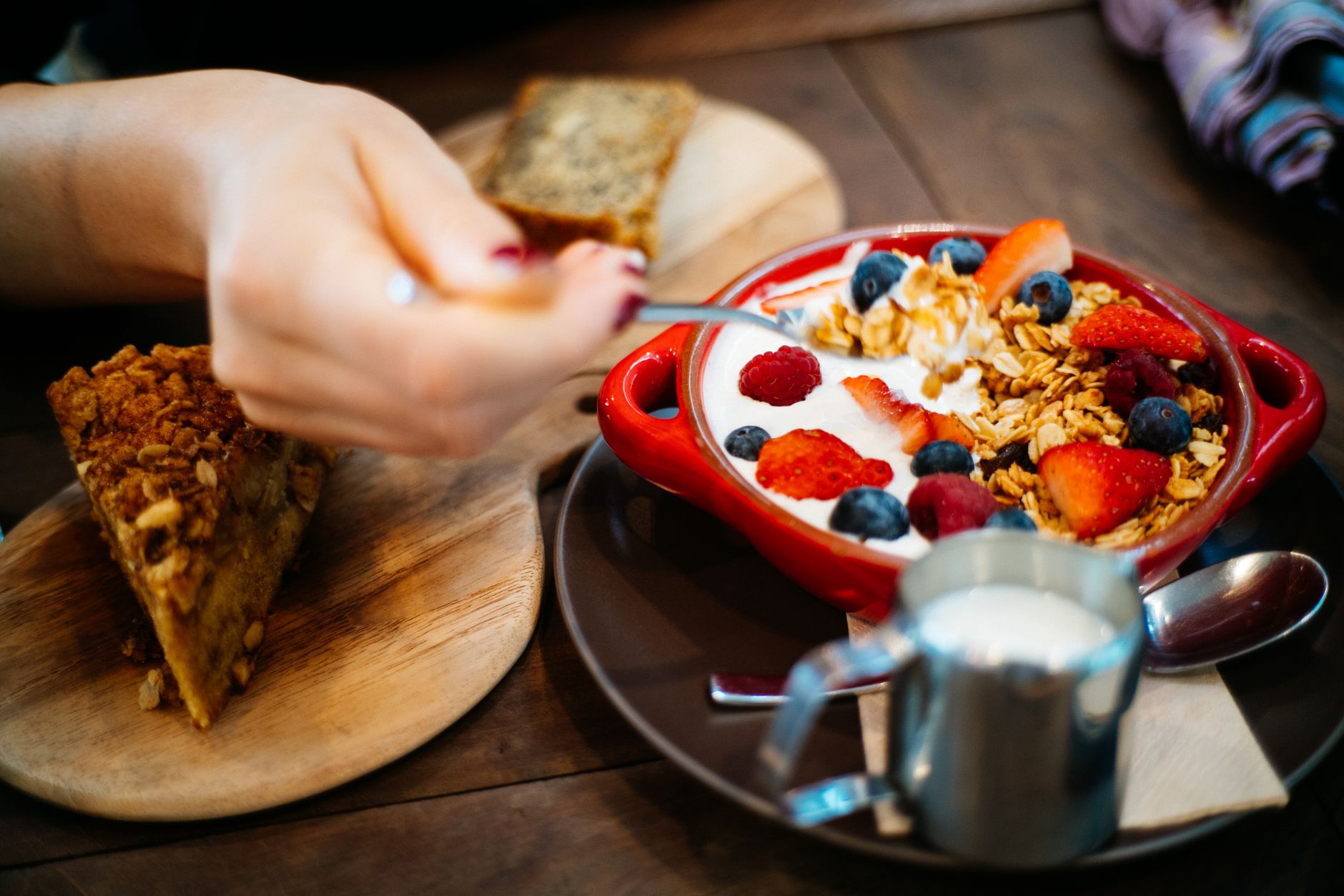
Strawberries, blueberries, raspberries these little wonders are full of antioxidants called flavonoids, which help protect blood vessels and lower inflammation. Theyre perfect in yogurt, salads, or simply by the handful.
Nuts and seeds
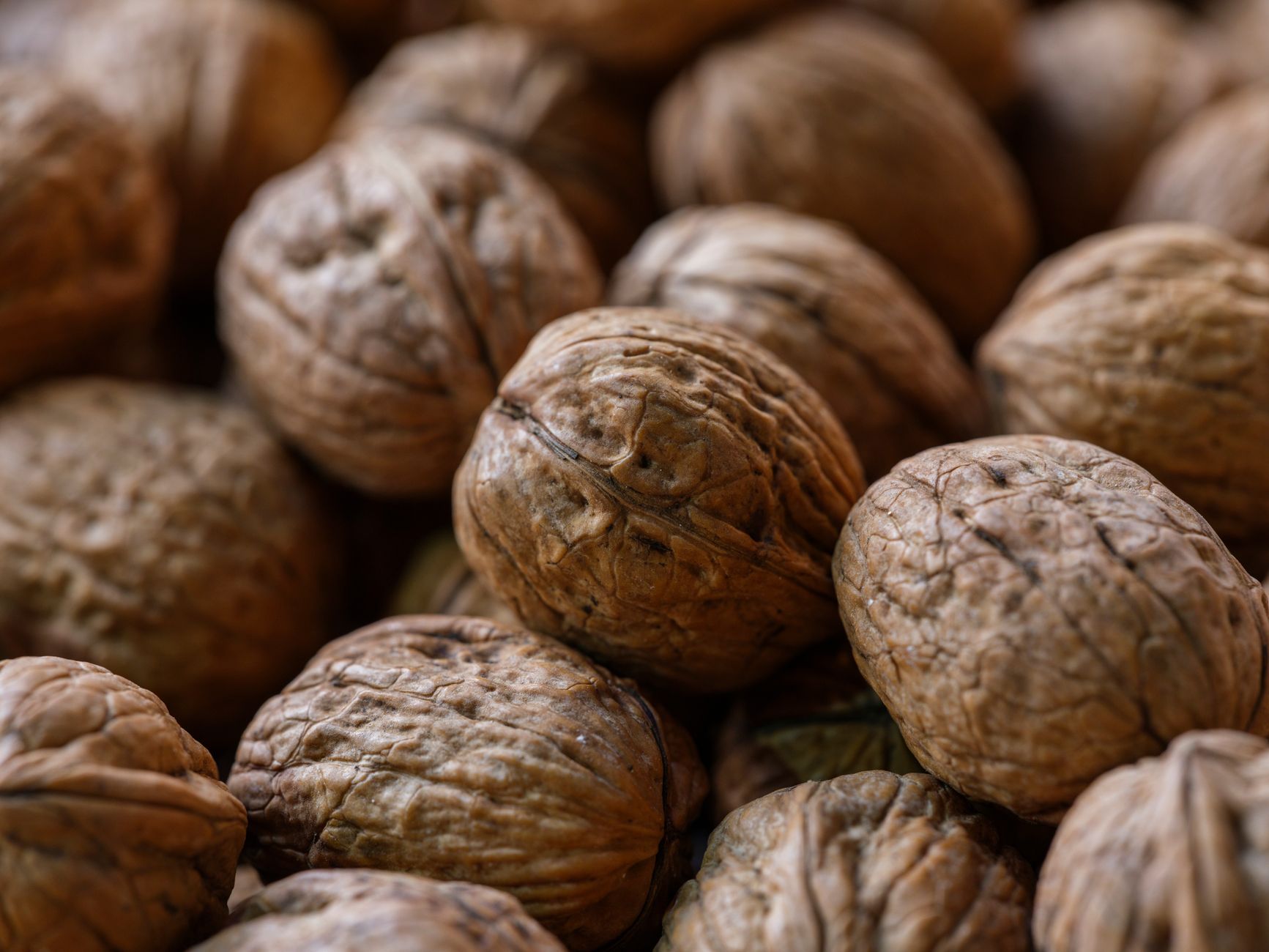
Almonds, walnuts, pistachios, chia, flax, and hemp seeds are sources of healthy fats, fiber, and plant protein. A small handful as a snack or sprinkled on yogurt or salads adds crunch and heart benefits. Just watch portions nuts are calorie-dense.
Legumes
Beans, lentils, chickpeas, and peas are fantastic for the heart. Theyre high in fiber and plant protein and low in saturated fat. Add them to soups, stews, salads, or make a cozy lentil curry for dinner.
Olive oil
Extra virgin olive oil is a cornerstone of heart-healthy diets. Its rich in monounsaturated fats and antioxidants. Use it for dressings, light sauts, or drizzling over roasted veggies instead of butter.
Avocado
Avocados deliver monounsaturated fats, fiber, and potassium. Whether smashed on toast, blended into a creamy sauce, or sliced into salads, theyre satisfying and heart-friendly.
Dark chocolate (in moderation)
A square or two of dark chocolate (70% cocoa or higher) can boost mood and provide antioxidants. Enjoy it occasionally consider it a small, delicious treat rather than a daily habit.
Garlic and herbs
Garlic, turmeric, ginger, rosemary, and other herbs and spices add flavor without extra salt. Garlic may help slightly lower blood pressure and cholesterol, while turmeric has anti-inflammatory properties. Flavor is health who knew?
Smart swaps to make today
Small swaps lead to lasting habits. Try these easy switches and notice how your meals transform:
- White rice brown rice or quinoa
- Butter extra virgin olive oil or mashed avocado
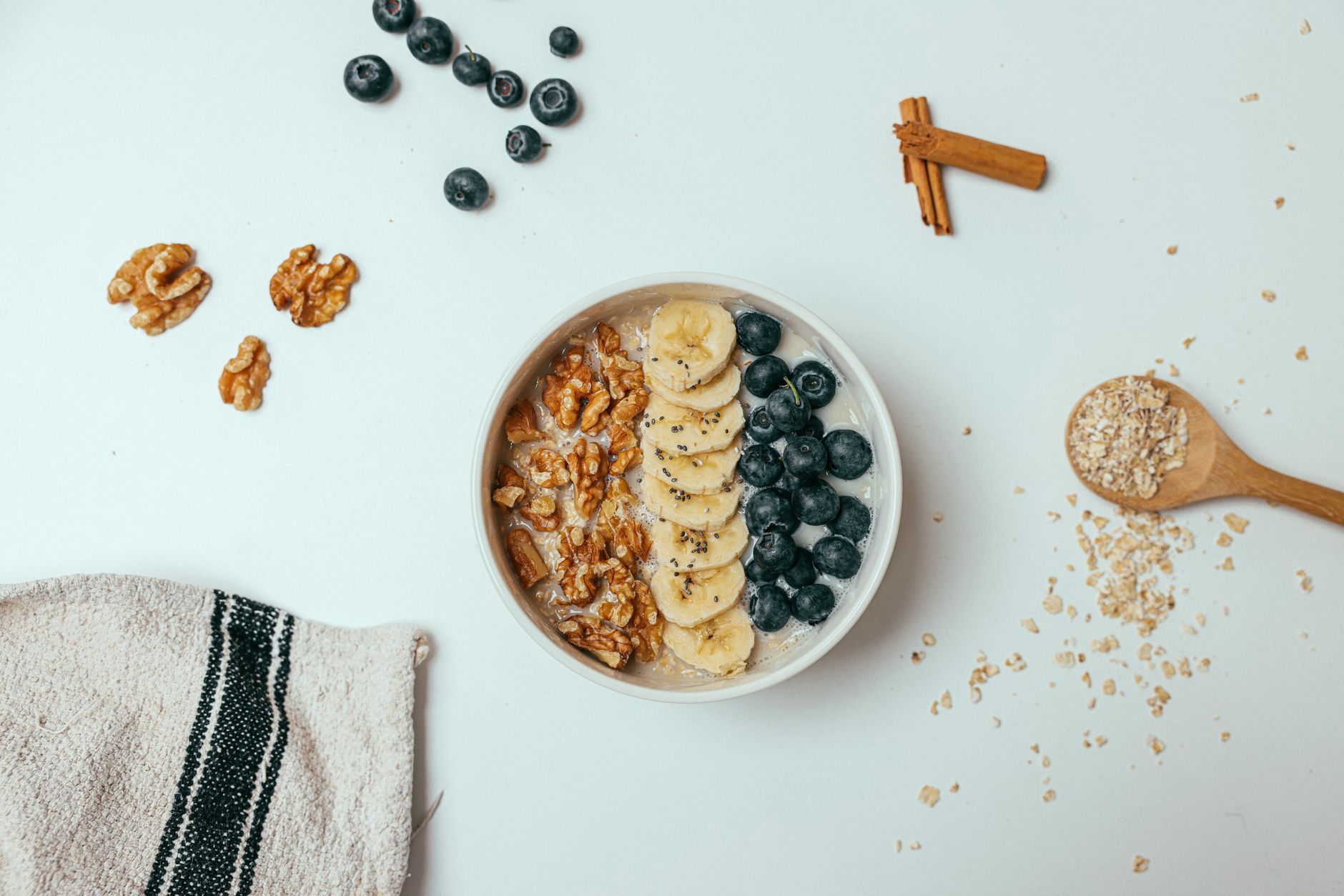
- Sugary cereal oats topped with berries and nuts
- Chips roasted chickpeas or air-popped popcorn
- Red meat (often) fatty fish or legumes
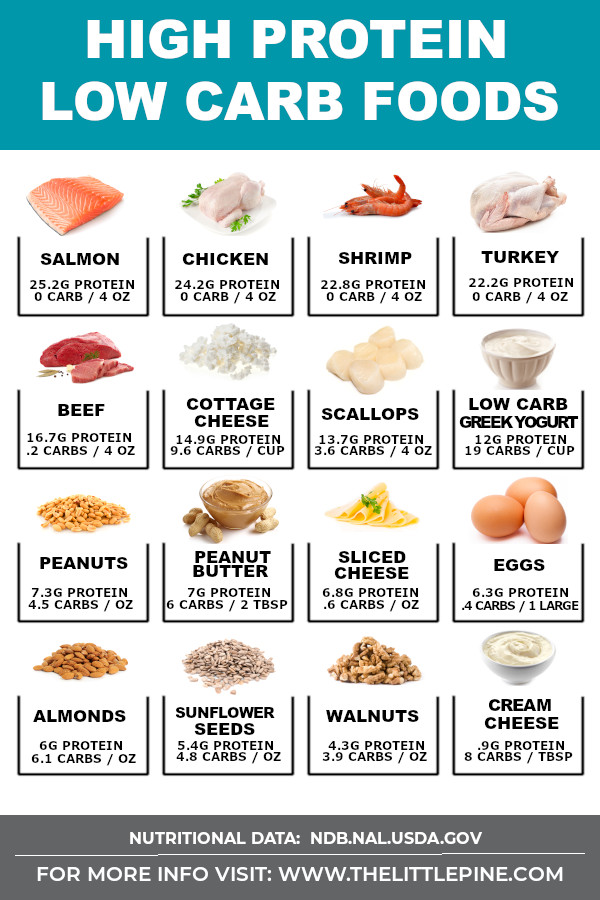
Want more ideas on protein options that fit a heart-healthy plan? Check out this guide to Healthy foods high in protein its a nice companion to the heart foods weve been talking about.
Meal ideas that actually feel doable
Healthy eating should be joyful, not a chore. Here are a few meal ideas that are tasty, simple, and heart-smart:
- Breakfast: Overnight oats with chia seeds, blueberries, and a dollop of almond butter.
- Lunch: Mixed greens with quinoa, roasted sweet potato, chickpeas, avocado, and a lemon-olive oil dressing.
- Snack: A small handful of walnuts and an apple.
- Dinner: Baked salmon with garlic and herbs, steamed broccoli, and brown rice.
- Comfort option: Lentil soup with lots of veggies and a slice of whole-grain toast.
How to read labels the easy way
Grocery labels can be confusing, but you dont need to be a nutrition detective. Heres a quick checklist:
- Less is more: Shorter ingredient lists usually mean less processing.
- Watch for hidden sugar: Words like syrup, maltose, dextrose, and anything ending in -ose can be added sugars.
- Limit sodium: Compare labels and aim for lower sodium per serving.
- Choose unsaturated fats: Look for oils like olive or canola; avoid hydrogenated oils (trans fats).
Meal prep tips that save time and stress
Lets be honest: life gets busy. A little prep can keep heart-healthy eating realistic.
- Batch cook grains and legumes on the weekend for quick bowls and salads during the week.
- Roast a tray of veggies and keep them in the fridge for easy sides and wraps.
- Portion nuts and seeds into small containers so you dont overdo it when snacking.
- Freeze single-serve smoothies or portioned soups for grab-and-go meals.
Special considerations
Everyones needs are a little different. If you have hypertension, diabetes, kidney disease, or a history of heart disease, its worth partnering with a healthcare professional to tailor this heart healthy foods list to your personal needs. Also, if you follow a vegetarian or vegan lifestyle, there are fantastic options beans, lentils, tofu, tempeh, and whole grains can all be staples. For a deeper dive into plant-based protein choices, take a peek at this Plant based foods high in protein article.
Common questions, answered
Curious about salt, eggs, or dairy? Heres a quick, friendly rundown:
- Salt: We all love flavor, but excess sodium can raise blood pressure. Season with herbs, lemon, garlic, and vinegar more often than salt.
- Eggs: Eggs are a great source of protein and nutrients. If you have high cholesterol or specific risks, check with your doctor about how many eggs per week make sense for you.
- Dairy: Choose low-fat or fermented options like yogurt when possible. They provide calcium and protein with less saturated fat.
Putting it all together
If you take one thing from this heart healthy foods list, let it be this: small consistent changes beat dramatic short-lived overhauls. Start with food you already like and swap in one or two heart-healthy items each week. Celebrate the wins (even tiny ones), and forgive the slip-ups they happen to everyone.
Now Id love to hear from you: which of these swaps feels easiest to try first? Or whats your go-to heart-happy meal? Share your thoughts, and if you want more protein-focused ideas that pair perfectly with heart-smart eating, check out this helpful resource on Vegan foods high in protein for plant-forward inspiration.
Take care of that heart its been keeping you going since day one. Small steps, warm meals, and enjoyable choices will get you far. If you want meal plans, shopping lists, or simple recipes to get started, Im here and happy to help!
FAQs
What makes a food heart healthy?
Foods that support heart health focus on unsaturated fats, fiber, lean proteins, and plenty of fruits and vegetables while limiting added sugars and sodium.
How often should I eat fatty fish for omega-3 benefits?
Aim for about two servings of fatty fish per week, or rely on plant-based omega-3 sources like flaxseeds, chia seeds, and walnuts if you don't eat fish.
What portion of nuts is recommended for heart health?
A small handful (about 1 ounce or 28 grams) most days provides healthy fats and fiber, without overdoing calories.
What are easy swaps to lower sodium and sugar?
Use herbs, lemon, garlic, and vinegar for flavor; choose unsalted nuts, oats with berries instead of sugary cereals, and swap refined grains for whole grains.
Can plant-based proteins support a heart-healthy plan?
Yes—beans, lentils, tofu, tempeh, and whole grains offer fiber and plant protein with less saturated fat than many animal products.