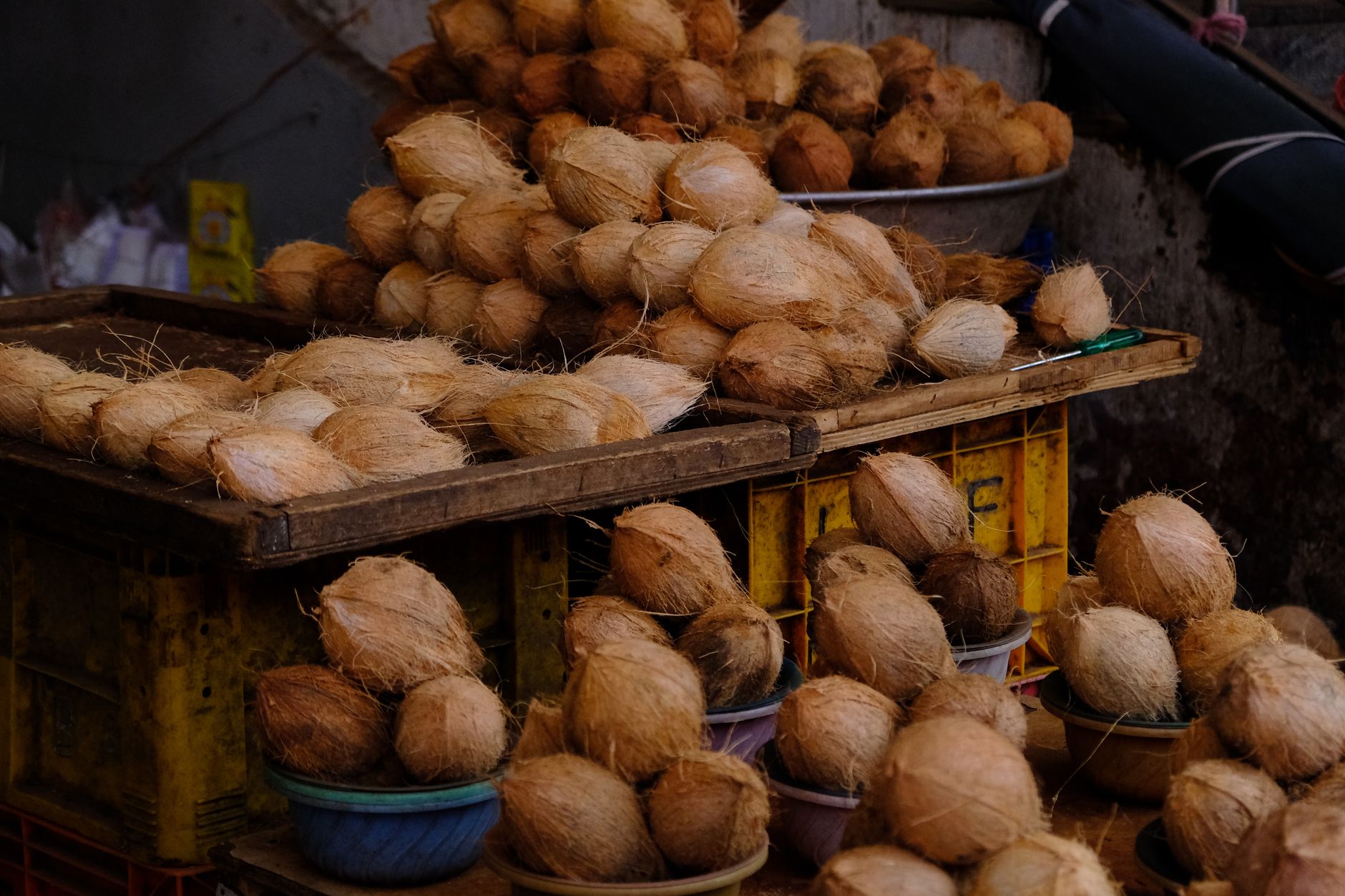
When you buy fresh coconut, you might wonder: should you wash fresh coconut before eating it? The short answer is yes, but washing depends a lot on where your coconut comes from and how mature it is. Washing removes dirt, dust, and any microbes that might be lingering on the hard shell. However, washing too aggressively or soaking for too long can affect the delicate flavor of the coconut meat inside. Lets unpack why washing matters, how to do it right, and tips to enjoy fresh coconut safely and deliciously.
Why Washing Matters
Fresh coconut has a rough, fibrous shell that can trap dust, soil, and other contaminants during harvesting, transportation, or storage. Washing fresh coconut is not just about hygiene it can also affect the taste and texture of the edible coconut meat you enjoy. Knowing when and how to wash your coconut helps you stay safe and get the best flavor.
What Contaminants Can Be on Fresh Coconuts Surface?
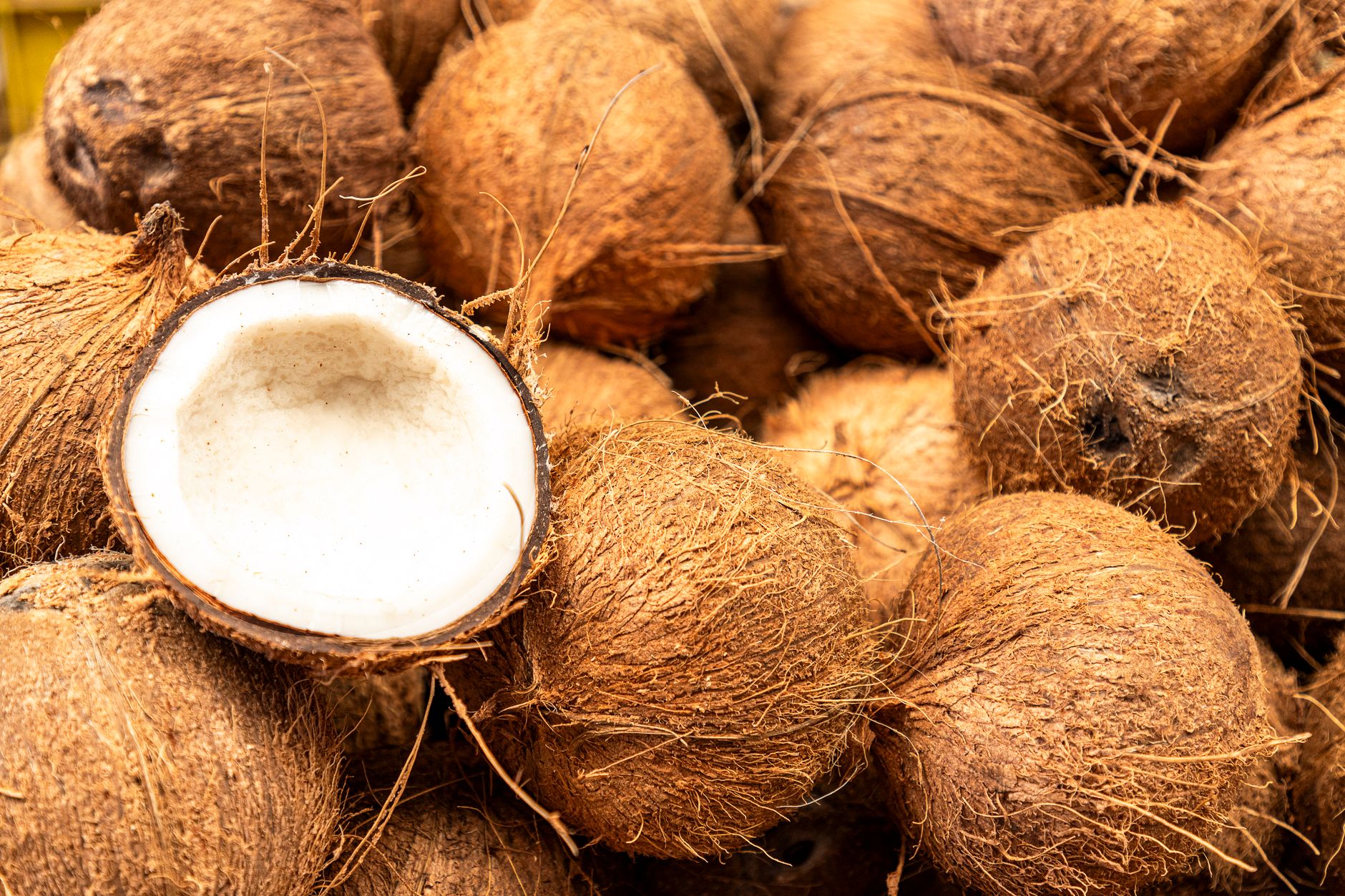
The surface of fresh coconut may carry dirt, dust, mold spores, pesticides, or even bacteria picked up along the chain from farm to market. In tropical farming regions, coconuts often fall directly onto the ground, picking up microbes and soil particles. According to food safety experts, washing fruit skins and tough shells reduces exposure to pathogens, even if you dont eat the shell itself.
Contaminants like pesticide residues may also linger on the shell if chemical sprays were used. While coconut meat inside is naturally protected by the shell, cracking the coconut can transfer surface bacteria onto the edible parts. Proper washing helps reduce this risk and keeps your food Halal and hygienic.
Can Washing Affect the Coconuts Flavor or Texture?
Its tempting to soak or scrub the coconut hard, but over-washing can damage the surface fibers and allow excess moisture to seep through small shell pores. This might slightly alter the coconuts fresh, tender texture and subtle sweetness. Experts recommend using clean, cold or lukewarm water and gentle scrubbing to preserve the coconuts natural flavors.
Washing just before cracking also helps maintain freshness. Storing washed coconuts for too long wet may encourage mold growth or spoilage. So wash smart and enjoy every bite as nature intended.
How to Properly Wash Fresh Coconut
Preparing Fresh Coconut for Washing
First, choose a good-quality coconut that feels heavy for its size, has no cracks or soft spots, and shows no mold. Brown, mature coconuts have harder shells and firmer meat, while young green coconuts are softer, with jelly-like meat inside.
The washing method slightly differs depending on maturity. Brown coconuts can handle a bit of scrubbing, while green coconuts need more gentle care to avoid damage.
Best Coconut Washing Tips
- Use cold or lukewarm filtered water to rinse the coconut shell.
- Employ a clean vegetable brush or a soft cloth to scrub away dirt and debris gently.
- Pay extra attention to the eyes of the coconut these three dark spots near one end often trap dirt.
- Limit washing time to under 2 minutes to avoid water seeping through cracks.
- After washing, dry the coconut with a clean towel or air dry before storing or cracking.
These simple steps help you avoid bacteria transfer without compromising the coconuts flavor.

Cleaning Coconut Before Eating A Quick Checklist
- Select fresh, firm coconut with no bruises.
- Rinse under clean, cool running water.
- Scrub gently with a vegetable brush or cloth.
- Focus on all parts, including eyes and crevices.
- Dry the coconut thoroughly before cracking.
- Use clean utensils for cracking and peeling.
Eating Fresh Coconut Safely
Is It Safe to Eat Coconut Without Washing?
Some people skip washing fresh coconut, especially if the shell looks clean. But unwashed coconuts may have bacteria or chemical residues that can transfer onto the coconut meat during cracking. This poses a small but avoidable health risk, especially if you consume raw coconut or use it in recipes where cooking is minimal.
Washing is a quick, simple barrier that adds food safety without taking away much convenience. While fresh coconut isnt usually linked to major foodborne illness, taking this precaution fits well with Halal and health-conscious practices.
Post-Washing Preparation for Eating Fresh Coconut
After washing and cracking, remove the coconut meat using a clean knife or scoop. You can rinse the meat briefly under water if needed, then dry it with a paper towel. Keep any leftover coconut meat refrigerated in an airtight container to maintain freshness for 5 to 7 days.
If you want to store the coconut water, strain it through a clean cloth or sieve and refrigerate in a sealed bottle. Consume within 24 hours for best taste and safety.
Maintaining Halal Standards
For Muslim consumers, ensuring that the coconut and any preparation process meet Halal certification standards is essential. Look for products with reliable Halal certification symbols such as JAKIM, HMC, or IFANCA on packaging wherever applicable. When washing and handling fresh coconuts at home, maintain hygienic utensils and clean water sources to comply with Halal dietary requirements.
Safe washing and handling help protect the purity of your food from farm to table.
Common Questions About Washing Fresh Coconut
Can I Wash Coconut with Soap or Detergent?
No, using soap or detergent to wash fresh coconut is not recommended. These chemicals can leave residues that are unsafe to ingest and can alter the coconuts natural flavor. Instead, stick to clean water with a gentle brush or cloth.
Does Washing Remove Nutrients from the Coconut?
Washing the outer shell does not affect the coconuts nutrients inside. The edible meat and water remain intact because they are protected by the shell. Washing simply cleans the surface, so you keep all the rich fats, vitamins, and minerals inside.
Should You Peel the Coconut Before or After Washing?
Wash the coconut shell before peeling or cracking it. This prevents dirt and bacteria from transferring onto your knife or the edible meat once the shell is broken open. After washing, dry the coconut before peeling to maintain a better grip and safety.
How Often Should I Wash Fresh Coconut Before Use?
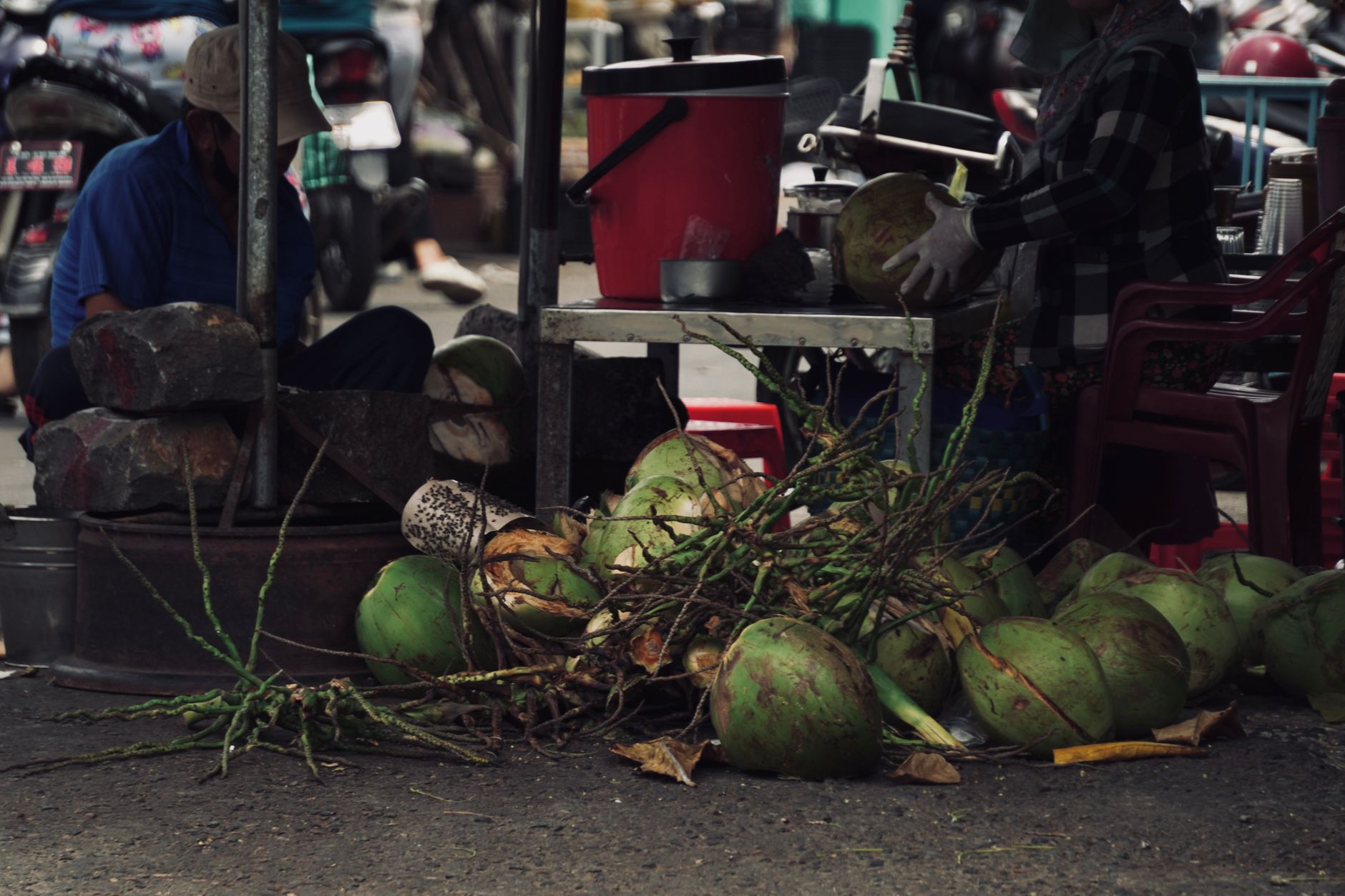
Washing is recommended every time before you crack open fresh coconut, especially if you bought it from an open market or an unsealed source. For pre-packaged or factory-cleaned coconuts, a light rinse may suffice.
Can I Use Tap Water for Washing Fresh Coconut?
If your tap water is clean and potable, its safe to use for washing fresh coconut. Filtered or bottled water is ideal if tap water quality is uncertain, to avoid introducing microbes or residues from the shell surface.
Does Washing Help Extend Fresh Coconuts Shelf Life?
Washing removes dirt but does not significantly extend shelf life. In fact, excess moisture from washing can encourage mold if the coconut is stored wet. Dry the coconut thoroughly after washing and store it in a cool, dry place to maximize freshness.
Can I Use Washed Coconut in Juices or Smoothies?
Yes, washed fresh coconut meat is excellent in juices and smoothies. Just be sure to handle it hygienically and store any leftovers in a sealed container in the refrigerator for up to 5 days. You can explore refreshing blends with other healthy ingredients like vegetables for juicing for a nutritious boost.
Pro Tips for Washing Fresh Coconut
- Dont soak the coconut: Soaking may make the shell brittle or spongy and affect taste.
- Use a brush designed for vegetables: Its stiff bristles reach crevices better than a cloth alone.
- Buy certified Halal coconuts: Certified coconuts ensure you start with safe, traceable products
- Handle tools hygienically: Use clean knives and utensils for cracking to avoid cross-contamination.
More You Might Like
Learn about healthy foods to eat everyday that complement fresh coconuts nutritional profile. Or discover flavorful blends combining coconut with various vegetables for juicing you can prepare at home for a refreshing boost.
Conclusion
Washing fresh coconut before eating it is a simple step that adds safety and ensures a clean, delicious experience. With careful scrubbing using clean water and gentle handling, you protect the coconut meat inside without sacrificing flavor. Next time you pick up fresh coconut, give it a proper wash following these tipsand enjoy natures sweet, tender treat safely. If youve got thoughts or tips on washing coconuts, feel free to share your experience in the comments below.
FAQs
Is wash fresh coconut actually Halal — what should I check on the label?
Wash fresh coconut is Halal as long as the product and processing meet Halal standards. Check for reliable certifications such as JAKIM, HMC, or IFANCA on packaging, and ensure hygienic handling during washing using clean water and utensils.
How long does fresh coconut last after washing and opening?
After washing, fresh coconut meat should be stored in an airtight container in the fridge and consumed within 5 to 7 days. Coconut water lasts best if strained and refrigerated, and should be drunk within 24 hours.
What is the difference between washing fresh coconut and pre-washed packaged coconut?
Washing fresh coconut yourself removes dirt and microbes picked up during handling, while pre-washed packaged coconuts have been cleaned professionally. Pre-washed coconuts may only require a light rinse before use.
Is it necessary to wash fresh coconut before eating daily?
Yes, washing fresh coconut before cracking is recommended every time to remove contaminants and reduce health risks, especially if bought from open markets or unsealed sources.
Where can I buy certified halal fresh coconuts safely?
Certified halal fresh coconuts are typically available at trusted halal grocery stores, specialty markets, and online halal food retailers that provide certification and quality assurance.