If youre curious about black beans protein and how it stacks up against other beans like pinto, youve found a solid place to learn. Black beans offer a rich source of plant-based protein to support healthy diets, especially for those seeking Halal-certified, wholesome ingredients. Understanding their protein content and nutritional profile helps you make smarter choices, whether for muscle building, sustained energy, or balanced meals.
Black Beans Protein Content
How Much Protein Do Black Beans Actually Have?
Black beans contain about 15 grams of protein per cooked cup (approximately 172 grams), according to the USDA FoodData Central. This amount makes them one of the more protein-dense legumes available. For comparison, pinto beans provide roughly 14 grams per cup, a close but slightly lower number.
The protein in black beans is high-quality plant protein, supplying essential amino acids necessary for your bodys functions. While they arent classified as complete proteins on their own, pairing them with grains like rice creates a complete amino acid profile. Black beans also offer fiber (about 15 grams per cup), several B vitamins, iron, magnesium, and antioxidants, making them a nutritious all-rounder.
Experts emphasize black beans‘ versatility in vegetarian and Halal diets due to their excellent protein-to-calorie ratio and accessible nutrient profile. Their rich protein content supports muscle repair and satiety, beneficial for those on a health-conscious regimen.
What Makes Black Beans a High Protein Bean?
Black beans impressive protein content stems from their dense seed structure and nutrient composition. They provide a blend of globulin and albumin proteins, typical in legumes, which include essential amino acids like lysine but are lower in methionine, an amino acid found more abundantly in grains.
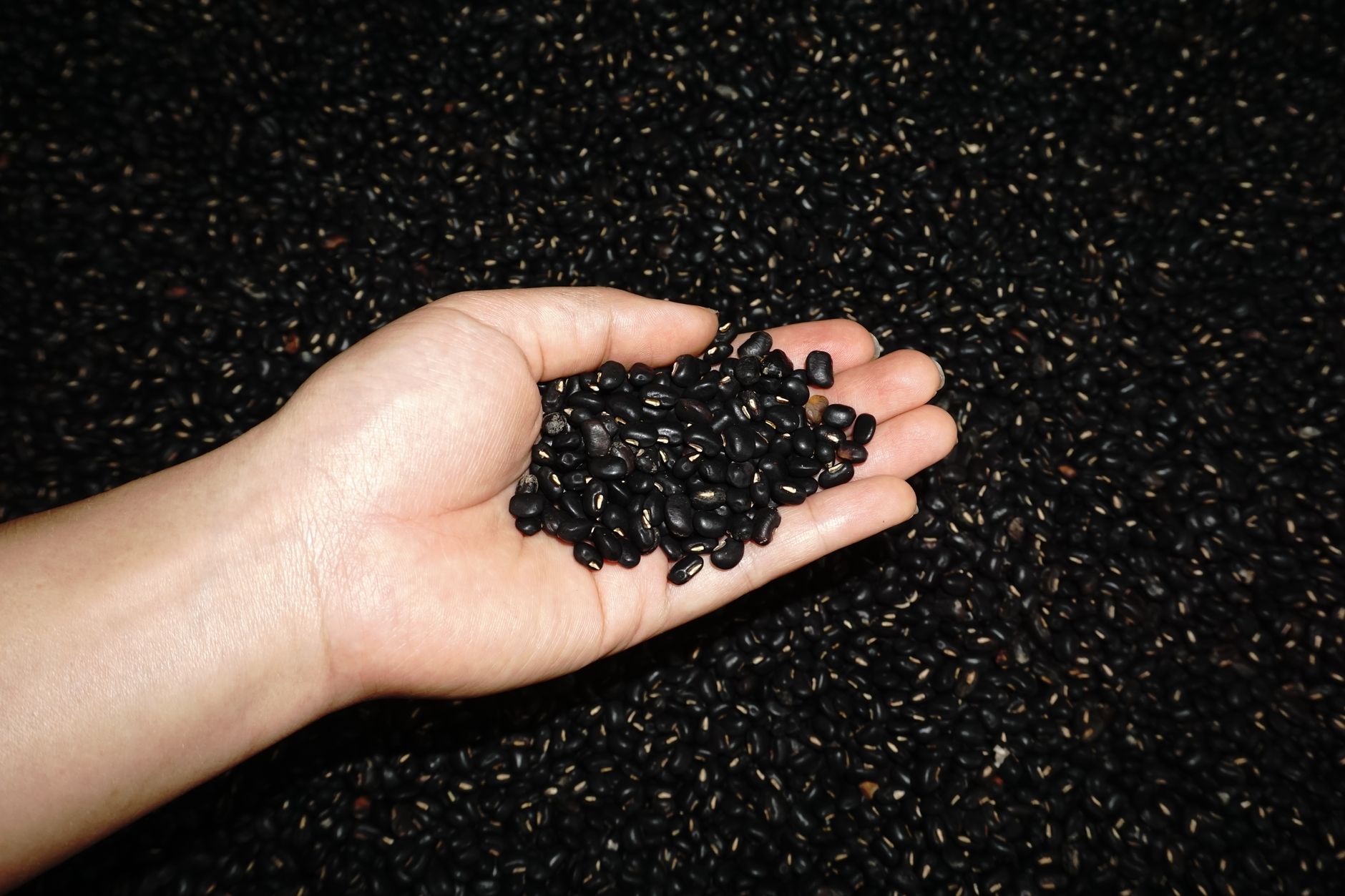
Besides protein, black beans are a good source of dietary fiber, iron, folate, and antioxidants such as anthocyaninspigments that give them their dark color and potential health benefits. This means black beans can support digestive health, boost immunity, and help regulate blood sugar alongside fulfilling your protein needs.
For meal ideas, try adding black beans to salads, stews, or bean dips. They complement grains and vegetables and carry flavors well, making them a practical yet nutrient-rich addition to any diet.
Pinto Beans Protein vs Black Beans Protein
Pinto Beans Protein Content in Comparison
When you compare pintos and black beans side by side, black beans edge out slightly in protein quantity: 15 grams vs. 14 grams per cup cooked. Both beans provide significant fiber (1215 grams) and other nutrients, but pintos have more carbohydrates by volume, which might impact blood sugar differently.
Micronutrient differences also affect how your body utilizes the protein. For instance, black beans contain higher levels of iron and magnesium, essential for energy metabolism and oxygen transport. Pinto beans provide more folate, important for cell growth and repair. These subtle nutrient shifts may influence your choice based on specific health goals.
Beans Protein Comparison Which Is Better for Your Diet?
Choosing between pinto and black beans for protein depends on your dietary needs and preferences. Black beans tend to be favored for their slightly higher protein content and antioxidant profile. Their darker hulls contain more polyphenols, which may support heart health.
Pinto beans, on the other hand, have a creamier texture and milder flavor, which can make them suitable for certain recipes or easier digestion for some individuals. Both varieties contain complex carbohydrates that release energy slowly, help control hunger, and support gut health.
For those aiming for muscle building or weight management, combining beans with whole grains can maximize the protein quality. Black beans may offer an edge due to their nutrient density but keeping variety in your diet ensures a broader spectrum of nutrients.
For quick meal inspiration combining beans with fresh veggies, you might enjoy some Fast food salads that incorporate vibrant, protein-packed beans.
Benefits and Risks of Black Beans Protein
Why Choose Black Beans for Protein?
Black beans provide steady, sustained energy thanks to their fiber and protein synergy. Their protein helps promote muscle repair and supports satiety, making them great for weight management. Additionally, they fit well into vegetarian, vegan, and Halal diets, especially when you look for trusted Halal certifications like JAKIM, HMC, or IFANCA on packaged products.
Athletes and active individuals often include black beans in meals because their protein supports muscle health without the saturated fats found in some animal proteins. Testimonials from vegetarians praise their versatility and how black beans keep hunger satisfied between meals.
Potential Downsides & How to Address Them
Some people experience digestive discomfort like gas or bloating from beans. This is due to oligosaccharides, complex sugars in beans that your gut bacteria ferment. Soaking beans overnight, rinsing canned beans thoroughly, or using digestive aids like ginger can reduce these effects.
Beans also contain anti-nutrients like phytic acid, which can reduce mineral absorption. Cooking beans wellboiling for at least 1015 minuteshelps deactivate these compounds, increasing the availability of iron, zinc, and protein.
Choosing well-sourced beans with clear labeling ensures traceability and better quality. Always inspect packaging for Halal logos and check expiration dates to ensure freshness.
Beans High in Protein
Other Beans with Notable Protein Content
Besides black and pinto beans, other legumes also provide excellent protein:
| Bean Type | Protein (grams per cooked cup) | Key Nutrients |
|---|---|---|
| Kidney Beans | 13.4 | Iron, fiber, folate |
| Navy Beans | 15.8 | Folate, manganese, fiber |
| Chickpeas | 14.5 | Iron, fiber, vitamin B6 |
| Lentils | 17.9 | Folate, iron, fiber |
Lentils top the list with nearly 18 grams of protein per cooked cup, making them an excellent alternative or complement to black beans. Including a variety of beans in your diet can help cover a wider range of amino acids and micronutrients.
Choosing Beans Protein for Your Goals
When selecting the best beans for protein, consider taste, texture, and your nutritional goals. If aiming for muscle gain or recovery, focus on beans with higher protein and pair them with grains for complete protein. If digestive comfort is a priority, try more processed or canned options with clear ingredient lists.
When shopping for beans, look for Halal certification labels such as JAKIM or IFANCA, especially if you want certified products from trusted suppliers. Proper storage in airtight containers keeps dry beans fresh for up to 12 months, and cooked beans safely last 57 days refrigerated.
Wondering about sweet ways to integrate healthy ingredients? Do explore Mcdonald‘s yogurt parfaits for inspiration on combining dairy and fruit with balanced nutrition.
Are Black Beans a Complete Protein Source?
Black beans are not complete proteins alone, meaning they lack sufficient levels of all the essential amino acids. However, combining beans with grains, nuts, or seeds throughout the day creates a complementary amino acid profile. Classic pairings like rice and black beans provide complete protein for those following Halal and vegetarian diets.
Can Black Beans Help with Muscle Building?
Yes, black beans support muscle building as a plant-based protein source. Their protein content helps repair and build muscle fibers after exercise. While animal proteins contain more of certain amino acids, beans contribute important nutrients and fiber that aid overall health and recovery.
How Much Black Beans Protein Should I Eat Daily?
Protein needs vary but average adults require about 4656 grams of protein daily. Including one to two cups of black beans spread over meals can provide around 1530 grams of plant protein, making a meaningful contribution to your goal. Combine with other protein sources for balance and variety.
Is Black Beans Protein Actually Halal What Should I Check?
Black beans themselves are naturally Halal, as they are plant-based. However, to ensure the products Halal status, especially canned or packaged varieties, check labels for certification from trusted bodies such as JAKIM, HMC, or IFANCA. Also, verify there is no cross-contamination risk with non-Halal ingredients during processing.
How Should I Cook Black Beans for Best Protein Absorption?
Use dry black beans soaked for 812 hours, then boil for at least 1015 minutes to neutralize anti-nutrients and improve absorption. Canned beans are pre-cooked but rinsing them reduces sodium and improves digestibility. Proper cooking enhances protein quality and overall nutrition.
Can Black Beans Be Included in a Weight Loss Diet?
Yes, black beans are excellent for weight management due to their high fiber and protein content, which increase fullness and reduce calorie intake. They also help stabilize blood sugar. Combining them with fresh vegetables creates filling, low-calorie meals that align with health goals.
Whats the Best Way to Store Cooked Black Beans?
Store cooked black beans in airtight containers in the refrigerator for 57 days. For longer storage, freeze in portioned containers for up to 3 months. Proper storage preserves flavor, texture, and nutrient quality, so you always have a ready protein source.
Are There Any Allergies Linked to Black Beans?
Black beans rarely cause allergies but can trigger reactions in people sensitive to legumes like peanuts or soy. If you have legume allergies, consult your doctor before including black beans in your diet. Otherwise, they are safe and nutritious for most consumers.
What Should I Look For on Black Beans Packaging?
Scan labels for whole, non-GMO beans with no added preservatives or artificial colors. For canned beans, check sodium contenthealthy options contain under 400 mg sodium per serving. Always verify Halal certification logos and expiration dates to ensure product integrity and compliance.
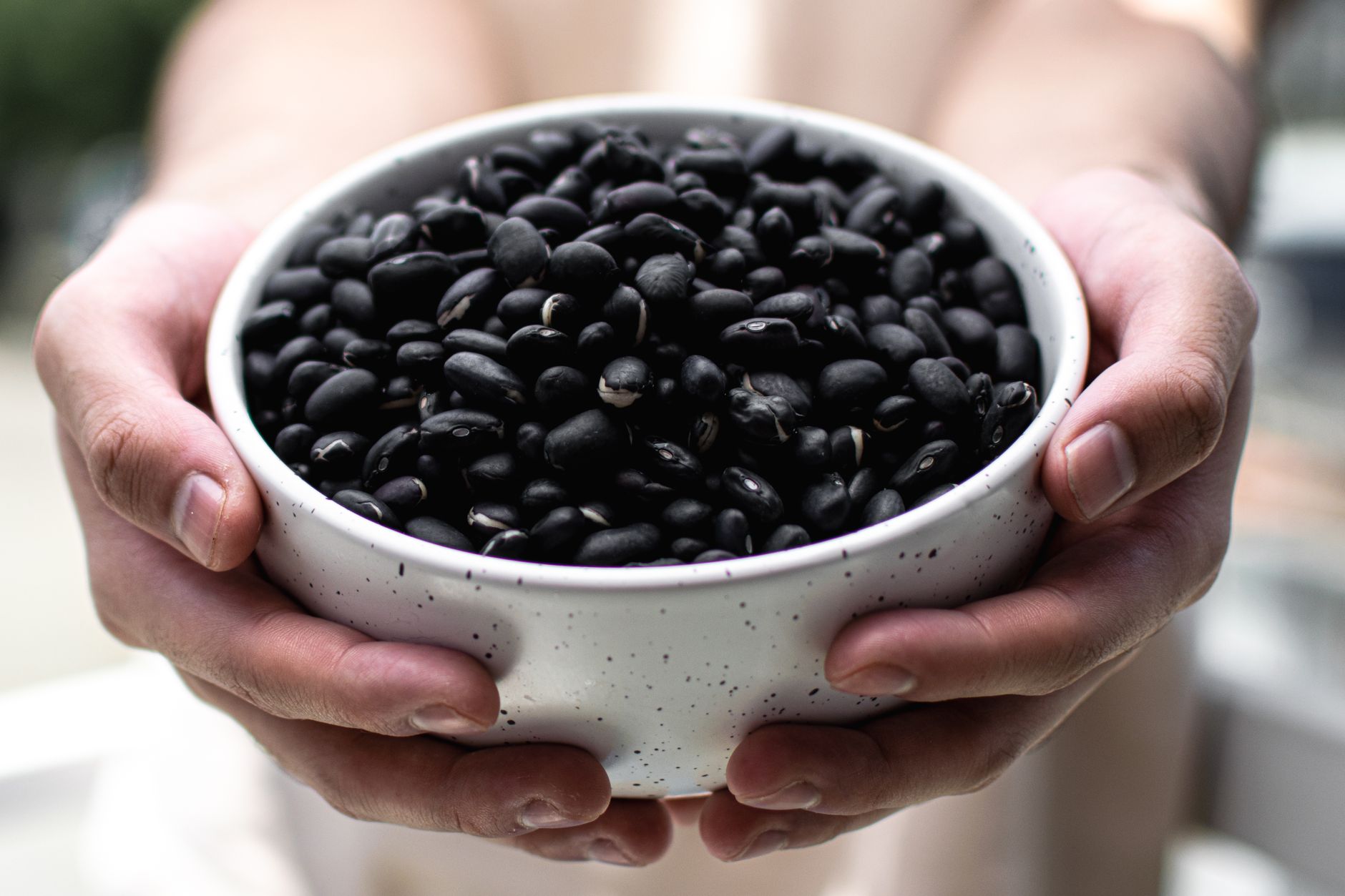
Most Overlooked Buying Mistake
Buying inexpensive canned beans without checking the label often leads to excess sodium intake and questionable Halal certification. Opting for trusted brands with clear labeling can save you from hidden additives and guarantee halal compliance.
Why Cheap Versions Disappoint
Low-cost black beans sometimes sacrifice flavor, texture, and nutrient quality due to poor sourcing or processing. They might contain fillers, added sugars, or lack proper certification, compromising your health and trust.
One Expert Buying Tip
Look for clear source information and Halal certification on the label. This ensures traceability and that the beans meet halal dietary guidelines, giving you peace of mind alongside nutritional benefits.
Conclusion
Black beans protein edges out pinto beans by a small margin, offering a rich, plant-based option that fits well in Halal and health-conscious diets. Knowing their protein content and how to prepare them safely helps you enjoy nutritious, delicious meals. Next time you shop, check product labels for trusted certifications and try adding black beans to your meals for a wholesome protein boost.
FAQs
Is black beans protein actually Halal — what should I check on the label?
Black beans themselves are naturally Halal as they are plant-based. To ensure Halal status, especially for canned or packaged beans, check for certification logos from trusted bodies like JAKIM, HMC, or IFANCA and verify there is no cross-contamination with non-Halal ingredients.
How long can cooked black beans be stored safely?
Cooked black beans should be stored in airtight containers in the refrigerator and used within 5 to 7 days. For longer storage, freeze them in portions for up to 3 months while preserving their flavor and nutrients.
What is the main difference between black beans protein and pinto beans protein?
Black beans have slightly higher protein content (15 grams vs. 14 grams per cooked cup) and contain more antioxidants like polyphenols. Pinto beans have a creamier texture and more folate, making both good but suited to different dietary preferences.
Are black beans safe to eat daily, and what are potential concerns?
Yes, black beans are safe for daily consumption and provide fiber and protein. However, some individuals may experience digestive discomfort from oligosaccharides, which can be minimized by soaking and proper cooking.
Where can I buy high-quality Halal-certified black beans?
You can find Halal-certified black beans at specialty grocery stores, online retailers, and Halal markets. Always check packaging for certification logos from recognized bodies like JAKIM, IFANCA, or HMC to ensure product authenticity and quality.