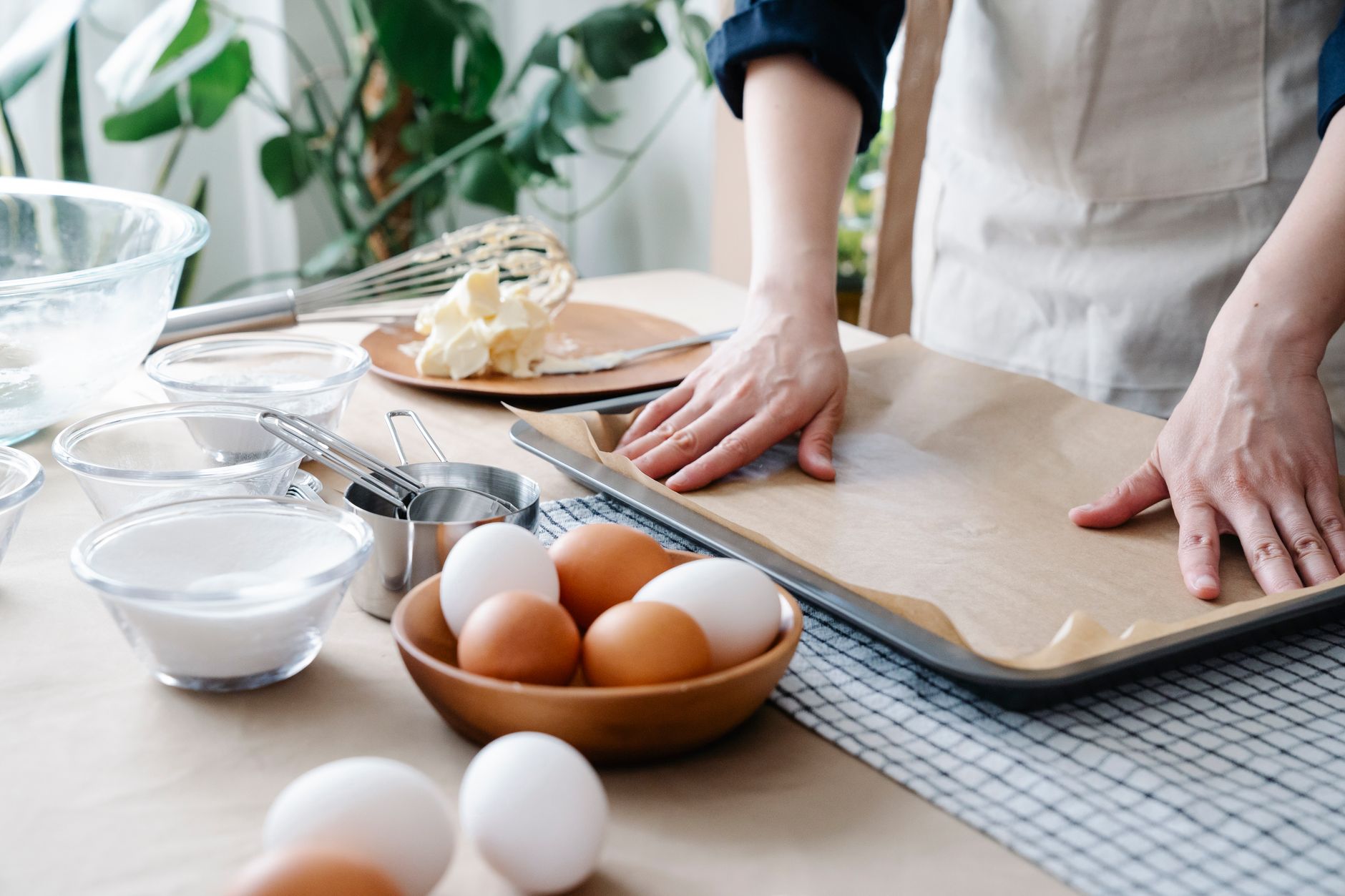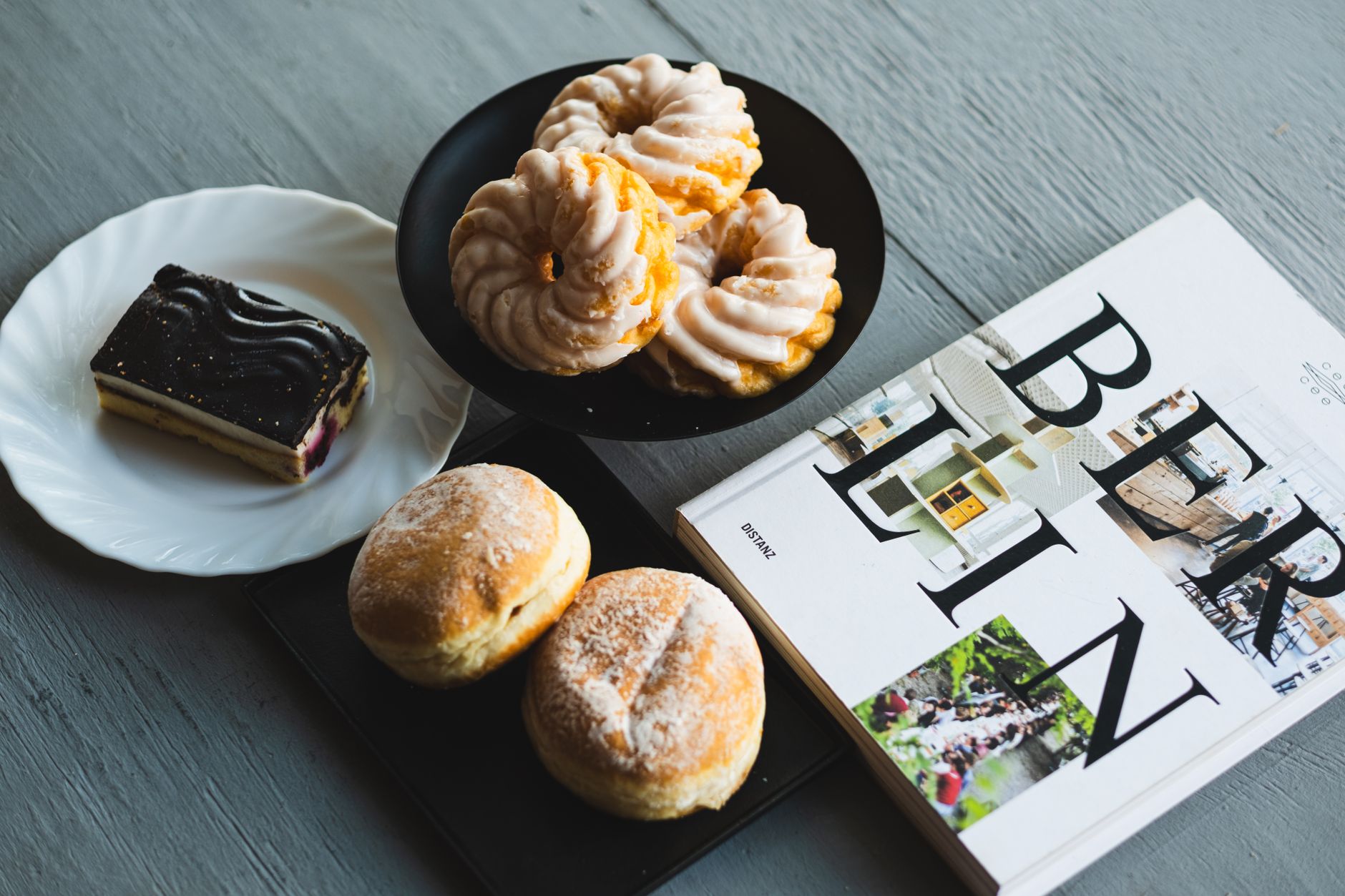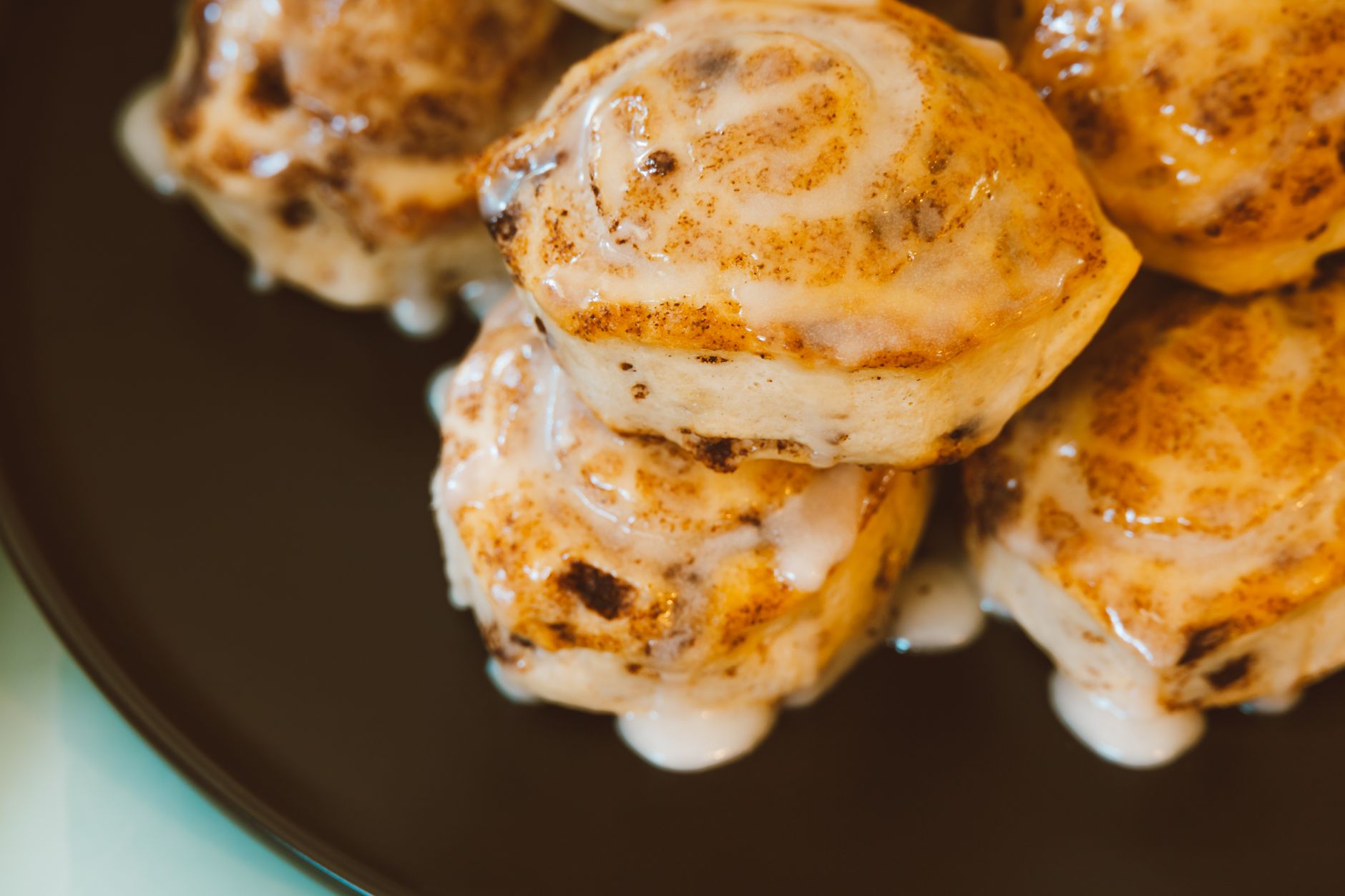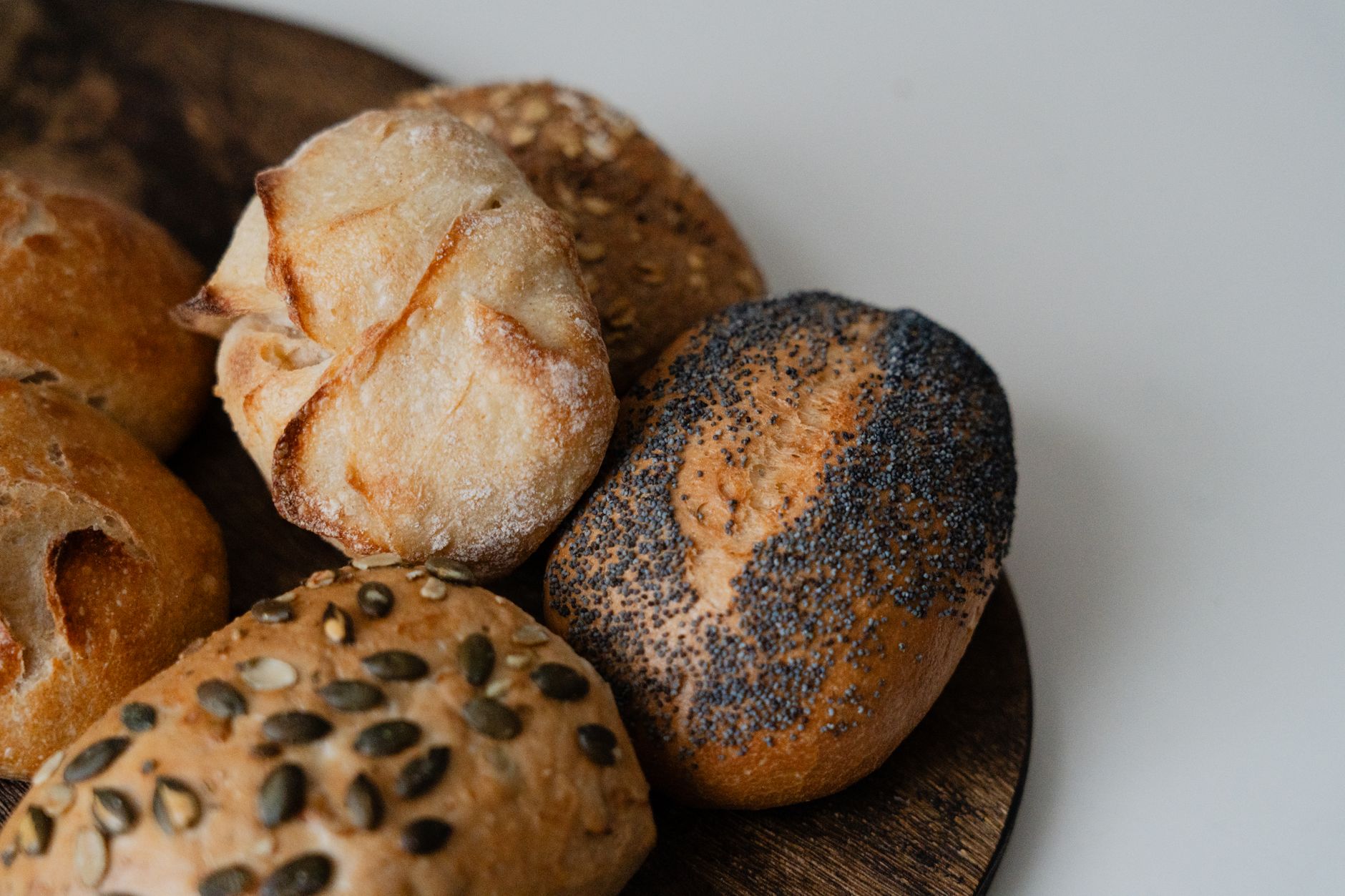
Bread comes in countless forms, each offering a different flavor, texture, and nutrition profile. Whether youre enjoying warm, crusty slices or soft, fluffy loaves, understanding the types of bread can help you make better choicesespecially if youre looking for Halal-certified or health-conscious options. From traditional French baguettes to nutrient-rich rye, this guide breaks down 25 popular bread types to satisfy your curiosity and complement your meals.
Bread Basics Explained
What makes one bread different from another? Bread types generally vary based on ingredients, leavening agents, and preparation methods. These factors influence texturefrom crusty and crunchy to soft and airyas well as taste and nutritional content.
What Makes Bread Types Unique?
The main ingredients shaping bread varieties include different flours (like wheat, rye, or multigrain), leavening agents such as yeast or sourdough starter, and additional elements like fats, sugar, or liquids. For example, sourdough uses natural fermentation, while Irish soda bread relies on baking soda for leavening. These variations create distinct flavors and textures, reflecting diverse cultures and baking traditions.
How Texture and Shape Vary
Texture ranges from dense and chewy to light and fluffy. A baguette boasts a hard crust and chewy crumb, whereas Japanese milk bread (Shokupan) is famously soft and pillowy. Shape also differsbaguettes are long and thin, while challah forms braided loaves. Each form suits different culinary uses, whether for sandwiches, dips, or standalone snacks.
25 Common Bread Types
1. Baguette
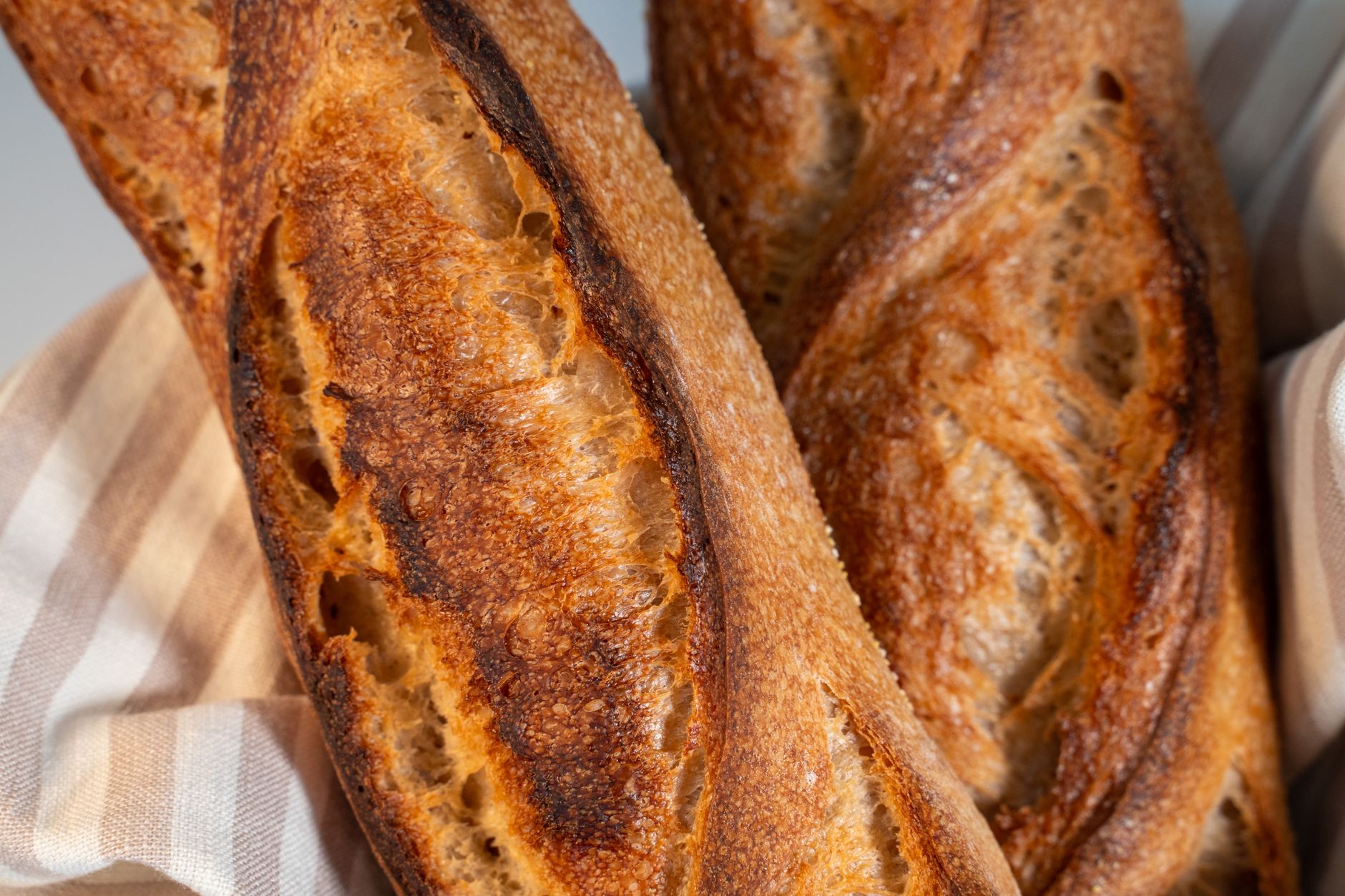
The iconic French baguette has a crispy crust with a slightly chewy interior. Made from basic wheat flour, water, yeast, and salt, its simple ingredients produce a loaf ideal for pairing with cheese or making sandwiches. Be mindful of industrial versions, which often add preservatives and lower-quality ingredients.
2. Focaccia
Hailing from Italy, focaccia is a flatbread infused with olive oil and herbs like rosemary or thyme. Its soft inside and slightly crispy top make it great for dipping or layering with meats and cheeses.
3. Brioche
Rich and buttery, brioche combines eggs, butter, and sugar, giving it a tender crumb and subtly sweet flavor. It works beautifully as breakfast toast or in desserts.
4. Ciabatta
This Italian white bread features an open, airy crumb with large holes, thanks to a high-hydration dough. Ciabattas slightly crispy crust makes it perfect for paninis and hearty sandwiches.
5. Japanese Milk Bread (Shokupan)
Renowned for its soft, fluffy texture and slight sweetness, this bread uses a tangzhong method, which helps retain moisture. Its a fantastic choice for toast lovers or sandwiches that need a gentle softness.
6. Sourdough Bread
Made through natural fermentation, sourdough has a distinctive tangy flavor and a chewy crust. Its fermentation process also breaks down some gluten, making it easier on digestion. According to USDA FoodData Central, sourdough offers better bioavailability of nutrients compared to conventional breads.
7. Rye Bread
Dense and often dark, rye bread uses rye flour and sometimes wheat flour. Its slightly sour taste is popular in Eastern Europe. Rye contains soluble fiber, beneficial for digestion and blood sugar control.
8. Pita
A Middle Eastern flatbread, pita inflates during baking to form a pocket perfect for stuffing meats, vegetables, or dips.
9. Naan
This leavened South Asian flatbread is soft and buttery, often cooked in a tandoor oven. It goes well with curries and grilled meats.
10. Irish Soda Bread
A quick bread made without yeast, it uses baking soda as a leavening agent. Its dense texture and mildly tangy flavor come from buttermilk usually added to the dough.
11. Hawaiian Rolls
Sweet, soft dinner rolls that are tender and slightly buttery, Hawaiian rolls make delicious sliders or festive dinner accompaniments.
12. English Muffins
These yeast-leavened breads have a characteristic flat shape with nooks and crannies. Toasted, theyre excellent with butter, jam, or eggs.
13. Boule
This French round loaf sports a thick crust with a chewy crumb. Its a versatile bread often served alongside soups and stews.
14. Cornbread
Made from cornmeal, this quick bread can be sweet or savory. Its crumbly texture makes it a Southern comfort food staple in the US.
15. Potato Bread
Mashed potatoes are added to this dough, enhancing moisture and softness. Its slightly sweet and holds up well for sandwiches.
16. Fry Bread
A Native American treat, fry bread is deep-fried dough thats crispy outside and doughy inside. Enjoy as savory toppings or sweet with honey.
17. Challah
This Jewish braided bread uses eggs and honey, resulting in a rich, slightly sweet loaf often served on ceremonial occasions.
18. Lavash
A thin Armenian flatbread traditionally baked in a tandoor. Its pliable texture makes it perfect for wraps and rolls.
19. Corn Tortilla
Staple in Mexican cuisine, made from ground corn treated with limewater (nixtamalization), corn tortillas are naturally gluten-free and best fresh.
20. Pretzel
Known for its distinctive deep brown crust and chewy interior, pretzels are boiled briefly in baking soda water before baking to develop their signature texture.
21. Multigrain Bread
Made with multiple grains and seeds, multigrain bread offers a higher fiber and nutrient profile. Its a wholesome choice for health-conscious consumers.
22. Pumpernickel Bread
German in origin, pumpernickel is dense, dark rye bread with a slightly sweet, earthy flavor, owing to long, slow baking.
23. Pullman Loaf
This loaf gets its uniform shape from baking in a lidded pan. It has a soft crust and is ideal for neat, square sandwich slices.
24. Mantou
A Chinese steamed bun, mantou is soft, fluffy, and subtly sweet. Steaming avoids crust formation, resulting in a delicate texture.
25. Bagel
Bagels are boiled before baking, creating their dense and chewy texture with a shiny crust. Theyre often topped with seeds like sesame or poppy.
Bread Benefits and Risks
Bread offers more than just carbsmany types provide fibers, vitamins, and minerals. However, some risks like gluten intolerance or additives found in industrial loaves require attention, especially for Halal-conscious consumers who also value clean labeling.
Best Breads for Digestion
Sourdough, multigrain, and rye breads stand out for digestive health. Their natural fermentation or high fiber content supports gut bacteria and stable blood sugar. According to experts, sourdough fermentation reduces phytic acid, enhancing mineral absorption.
Weight Management Tips
Choosing bread with higher fiber and whole grains aids satiety. Avoid breads with added sugar and preservatives. Portion control is key since calories varywhole grain and multigrain breads often contain more nutrients with comparable calories.
Dietary Restrictions and Bread
Those requiring gluten-free options should seek certified breads using rice, corn, or alternative flours, bearing Halal certification like JAKIM or IFANCA for trusted sourcing. Vegan breads avoid animal-derived ingredients such as eggs or dairy. Low-FODMAP breads can help people prone to digestive issues.
Storing and Enjoying Bread
Proper storage keeps bread fresh and flavorful. Crusty breads like baguette last best at room temperature in paper bags for up to 2 days. Softer breads, including sandwich loaves, store well in sealed plastic bags for 57 days.
For longer storage, freeze sliced bread in airtight bags for up to 3 months. To enjoy, thaw at room temperature for 2 hours, then refresh crusts in a 350F oven for 57 minutes.
When reheating soft breads, warming in a microwave wrapped in a damp paper towel for 1520 seconds prevents drying out.

Is bread actually Halalwhat should I check?
Halal bread must avoid alcohol-based ingredients, non-Halal animal fats, and cross-contamination. Look for certification from bodies like JAKIM Malaysia, HMC UK, or IFANCA US. Check labels for the Halal logo and confirm ingredients meet standards.
When is the best time to eat different types of bread?
Breakfast suits sweet breads like brioche or Japanese milk bread. Heavier breads like rye or pumpernickel are ideal at lunch or dinner with proteins and vegetables. Freshly toasted breads enhance flavor anytime, especially whole grain varieties for steady energy.
How can I identify quality bread in stores?
Look for minimal ingredients: flour, water, yeast, salt. Avoid artificial preservatives and excessive sugars. Packaging that highlights freshly baked or naturally fermented often signals better quality. Halal certification is vital if required.
Are artisanal breads healthier than commercial ones?
Artisanal breads often use traditional methods, fewer additives, and natural fermentation. This can improve digestibility and nutrient content. However, caloric content is similar; balance and sourcing matter most.
Can I eat bread if I follow a gluten-free diet?
Standard breads contain gluten from wheat, rye, or barley. Gluten-free breads use alternative flours and must have clear labeling and certification to ensure safety. Many are also Halal-certified if properly sourced.
What texture differences should I expect among bread types?
Expect crusty bread like baguettes to be crunchy outside and chewy inside. Soft breads like challah offer tender crumb and rich mouthfeel. Flatbreads such as naan are pliable, while bagels are dense and chewy due to boiling step.
How do breads fit into a balanced diet?
Choose whole grains and high-fiber options, consume in moderation, and pair with proteins or healthy fats. Bread is a part of many traditional meals worldwide, ensuring both satisfaction and nutrition.
Buying Tips for Bread
| Certification | Price Range | Common Formats | Shelf Life | Key Allergens |
|---|---|---|---|---|
| JAKIM, HMC, IFANCA Halal Logos | $2$10 per loaf | Loaf, rolls, baguette, flatbread | Fresh: 27 days; Frozen: up to 3 months | Gluten, eggs (brioche, challah), dairy, nuts (some specialty breads) |
Avoid breads with unrecognizable chemical-sounding ingredients. Cheap breads often use less natural fermentation and fillers, sacrificing flavor and health benefits. An expert tip: check for naturally fermented or sourdough on labels for better digestion and flavor.
For those interested in specialty breads or discounts, some stores or bakeries may offer deals, such as a Corner bakery coupon code that can help keep quality breads affordable. If you shop locally, check out specials like at Corner bakery Carlsbad to sample freshly baked options.
How to store bread properly at home?
Keep bread in breathable packaging like paper bags for crusty loaves to maintain texture. For soft breads, sealed plastic bags prevent drying out. Freeze excess bread within 2 days of purchase to preserve freshness.
Can bread be part of a Halal diet?
Yes, as long as the bread contains no non-Halal animal-derived ingredients or haram additives. Always verify with trusted certification to ensure compliance.
More You Might Like
- Discover how to save when buying fresh bakery products with the Corner bakery coupon code.
- Find local baked goods and special offers at Corner bakery Carlsbad.
Conclusion
Types of bread span a wide spectrum from crusty baguettes to soft steamed buns, each offering unique flavors and textures. By understanding these varieties alongside nutritional and Halal considerations, you can choose breads that fit your lifestyle and palate. Next time you shop, read the labels carefully, explore new bread options, and enjoy the rich tapestry of global baking traditions. Share your favorite bread experiences or recipeswed love to hear from you!
FAQs
Is Types of bread actually Halal — what should I check on the label?
Halal bread must not contain alcohol-based ingredients, non-Halal animal fats, or cross-contamination with haram items. Look for certification logos from trusted bodies like JAKIM, HMC, or IFANCA and verify ingredient lists to ensure compliance.
What is the typical shelf life of different types of bread after opening?
Crusty breads like baguettes last about 2 days at room temperature, while soft sandwich breads can stay fresh for 5–7 days if stored in sealed bags. Freezing extends freshness up to 3 months.
How does sourdough bread differ from common white bread?
Sourdough uses natural fermentation with wild yeast and bacteria, resulting in a tangy flavor, chewier crust, and better digestion. White bread typically uses commercial yeast and has a milder taste with softer texture.
Can I safely eat bread daily, and which types are best for health?
Yes, daily bread consumption is safe when choosing whole grain, multigrain, or sourdough breads high in fiber and nutrients. Portion control and avoiding added sugars or preservatives support a balanced diet.
Where can I buy quality Halal and artisanal breads?
Look for Halal-certified breads at specialty bakeries, grocery stores with clear labeling, or online. Artisanal breads often come from local bakeries prioritizing natural ingredients and traditional baking methods.