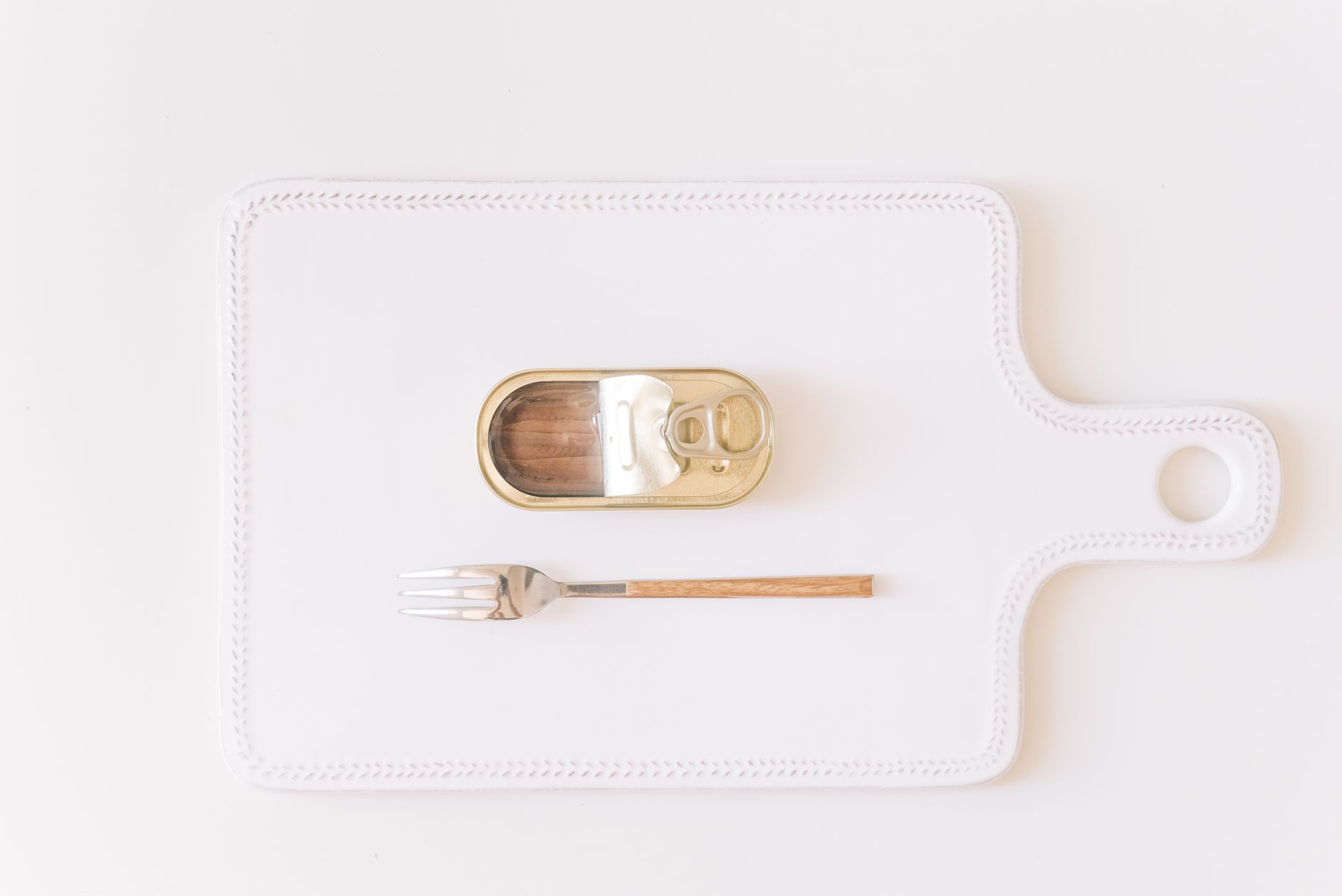
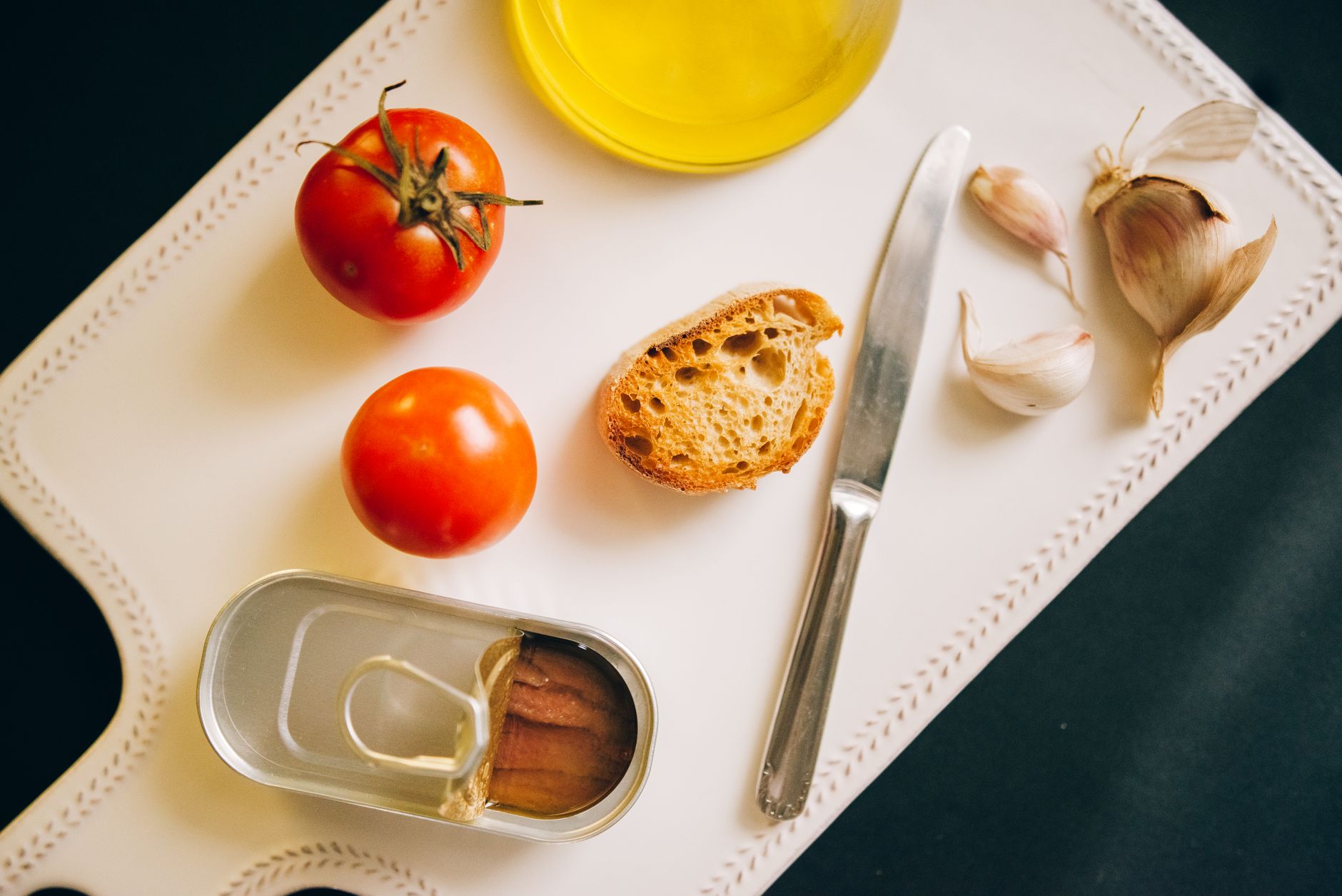
Ever wondered what a traditional Japanese breakfast looks like? It‘s not just about eating quickly or grabbing something on the go. The traditional Japanese breakfast is a thoughtfully arranged meal designed to nourish your body with wholesome, nutrient-packed ingredients. From steamed rice to grilled fish, this breakfast combines flavors and nutrition in a simple yet layered way that many health-conscious eaters can appreciate.
Core Components
What Are the Staple Foods in a Japanese Breakfast Menu?
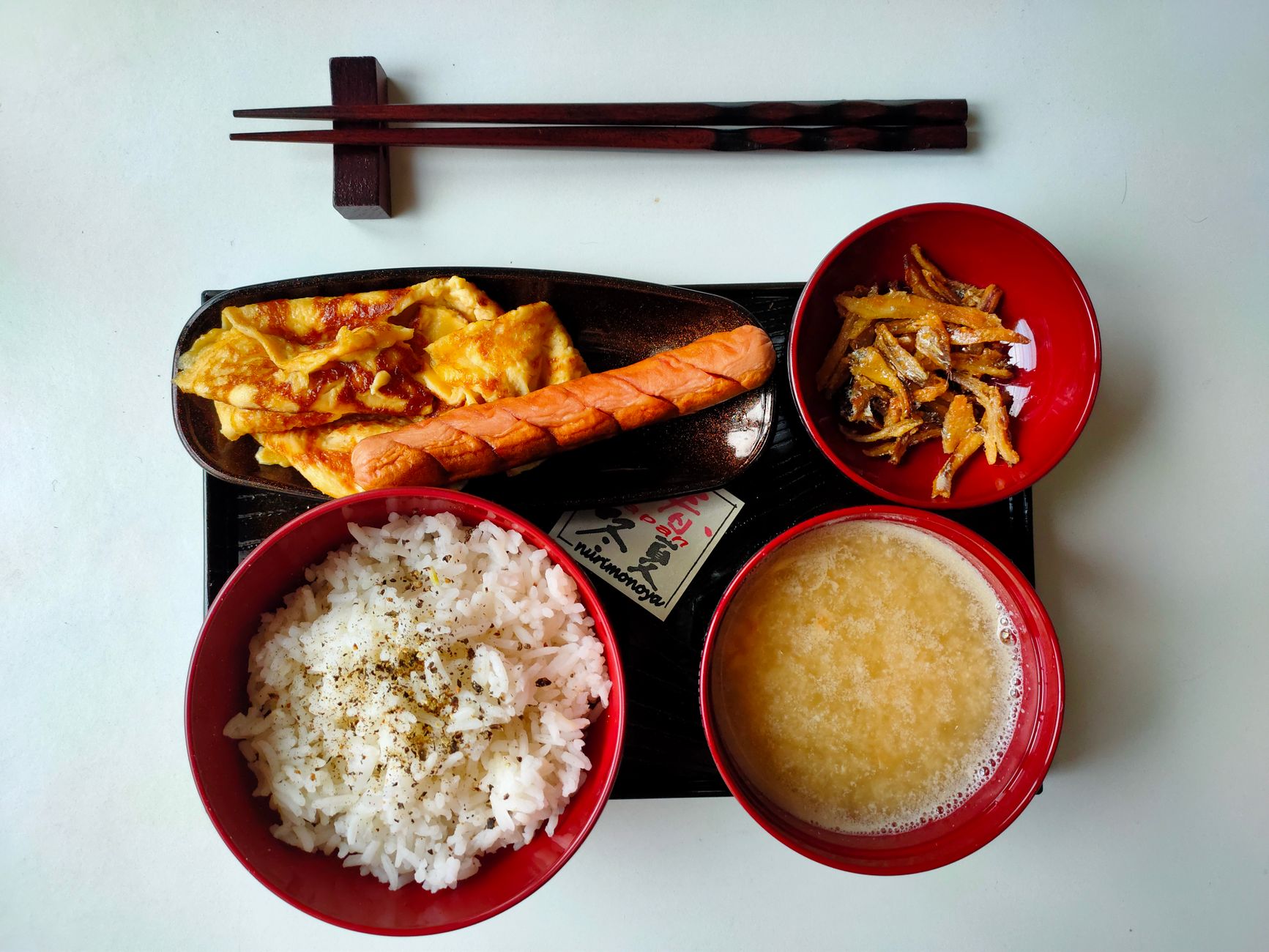
The heart of a traditional Japanese breakfast lies in its staple components, commonly served together to create a balanced and satisfying meal. Heres a look at what youd typically find:
- Rice: Usually plain steamed white rice, serving as the fundamental carbohydrate source.
- Miso Soup: A comforting bowl made from fermented soybeans, seaweed, and tofu offering warmth and umami richness.
- Grilled Fish: Commonly salmon or mackerel, lightly salted and grilled to retain natural oils and nutrition.
- Pickled Vegetables: Known as tsukemono, these provide a crisp and tangy contrast.
- Seaweed: Often nori sheets or wakame seaweed salad, packed with iodine and vitamins.
Each of these components plays a significant role in both flavor and nutritional balance. The combination ensures a mix of proteins, fibers, and essential fats.
Why Are Seafood and Vegetables Emphasized?
Seafood features heavily because it offers high-quality protein and omega-3 fatty acids, crucial for heart and brain health. These healthy fats are especially valued in Japanese cuisine as part of maintaining overall wellbeing. Vegetables, including pickled or lightly steamed varieties, contribute dietary fiber and important micronutrients such as vitamins A and C, potassium, and antioxidants.
Typical Portion Sizes and Balance on the Plate
Portion control is key in traditional Japanese breakfasts, which focus more on variety than volume. For example, a bowl of rice (150g cooked) is paired with a small fillet of grilled fish (60-80g), one serving of miso soup (120-150ml), and a few pickled vegetables (around 20g). This keeps calories moderate while offering rich nutrition.
| Component | Approximate Portion | Main Nutrients |
|---|---|---|
| Steamed Rice | 150g (cooked) | Carbohydrates, B vitamins |
| Grilled Fish | 6080g | Protein, Omega-3 fats |
| Miso Soup | 120150ml | Probiotics, Sodium |
| Pickled Vegetables | 20g | Fiber, Vitamins |
| Seaweed | 510g | Minerals, Iodine |
Health Benefits
How Does This Breakfast Contribute to a Healthy Lifestyle?
A traditional Japanese breakfast is naturally low in saturated fat and features plenty of vitamins and minerals. The fermented miso soup supports gut health through probiotics, while the seafood enriches the meal with essential omega-3 fatty acids and protein. The combination promotes steady energy release and overall metabolic balance.
According to the USDA FoodData Central, miso soup contains beneficial fermented compounds, while fatty fish like salmon provide around 1,500mg of omega-3s per 100 grams, supporting cardiovascular health.

Can a Traditional Japanese Breakfast Support Weight Management?
Because the meal is rich in protein and fiber, it promotes satiety that can last through the morning. This helps control hunger and reduces the urge to snack excessively. Also, the careful portioning and inclusion of low-calorie sides like pickled vegetables make it easier to maintain a balanced calorie intake, supporting healthy weight management.
Expert Insights on Nutrition
Nutritionists specializing in Asian diets emphasize the roles of fermented foods and omega-3-rich fish in inflammation reduction and cognitive health. As explained by Dr. Yuko Nishimura, a dietitian focusing on Japanese cuisine, "The traditional breakfast‘s balance fosters steady glucose levels and gut microbiome diversity, keys for overall wellness."
Enjoying Traditional Breakfast
What Drinks Are Traditionally Paired?
Green tea almost always accompanies traditional Japanese breakfasts, appreciated for its antioxidants and subtle caffeine. Sometimes, a warm bowl of miso soup itself serves as a comforting liquid addition. These drinks complement the flavors without overwhelming the palate.
What Are the Cultural Customs?
Respectful table manners include saying Itadakimasu before eating, signaling gratitude. Meals are often served in small bowls arranged neatly, allowing each dish to be tasted separately to appreciate its distinct flavors. The use of chopsticks with care is also a key custom.
Assembling Your Own Traditional Breakfast at Home
| Prep Step | Details |
|---|---|
| Cook Rice | Rinse 1 cup Japanese short-grain rice, cook with 1.2 cups water in a rice cooker (about 25 minutes) |
| Grill Fish | Lightly salt 80g salmon fillets, grill on medium heat for 6-8 minutes, flipping halfway |
| Prepare Miso Soup | Dissolve 2 tablespoons miso paste in 150ml hot water with seaweed and silken tofu cubes |
| Plate Pickles & Seaweed | Arrange 20g pickled daikon or cucumber and 5g prepared seaweed salad on side plates |
Simple substitutions like canned fish or frozen pickled vegetables work well outside Japan. You can find authentic ingredients labeled Halal-certified by JAKIM or IFANCA in many specialty stores, ensuring compliance with dietary rules.
Balancing Benefits and Risks
Are There Nutritional Concerns?
One common concern is sodium, especially from pickled items and miso soup, which can contain 400600mg sodium per serving. Moderation is key for those monitoring blood pressure. Additionally, high-mercury fish should be limited; choices like salmon and mackerel remain generally safe when eaten weekly.
Adapting for Dietary Needs
You can reduce sodium by rinsing pickles or opting for low-sodium miso paste. Those following pescatarian or plant-based diets can substitute fish with grilled tofu or tempeh, maintaining protein content. For Halal compliance, verify certification marks like the HMC or JAKIM logo on packaged ingredients.
Mindful Choices Without Losing Authenticity
Nutrition experts advise balancing traditional flavors with your health goals. For example, mixing less salty pickles with fresh vegetables keeps the experience genuine. Using certified Halal products supports both cultural respect and dietary adherence.
Recommended Foods to Try
Popular Breakfast Dishes Beyond Basics
- Tamagoyaki: A slightly sweet, layered Japanese rolled omelet offering a soft texture and mild flavor.
- Natto: Fermented soybeans with a strong aroma; rich in probiotics and protein.
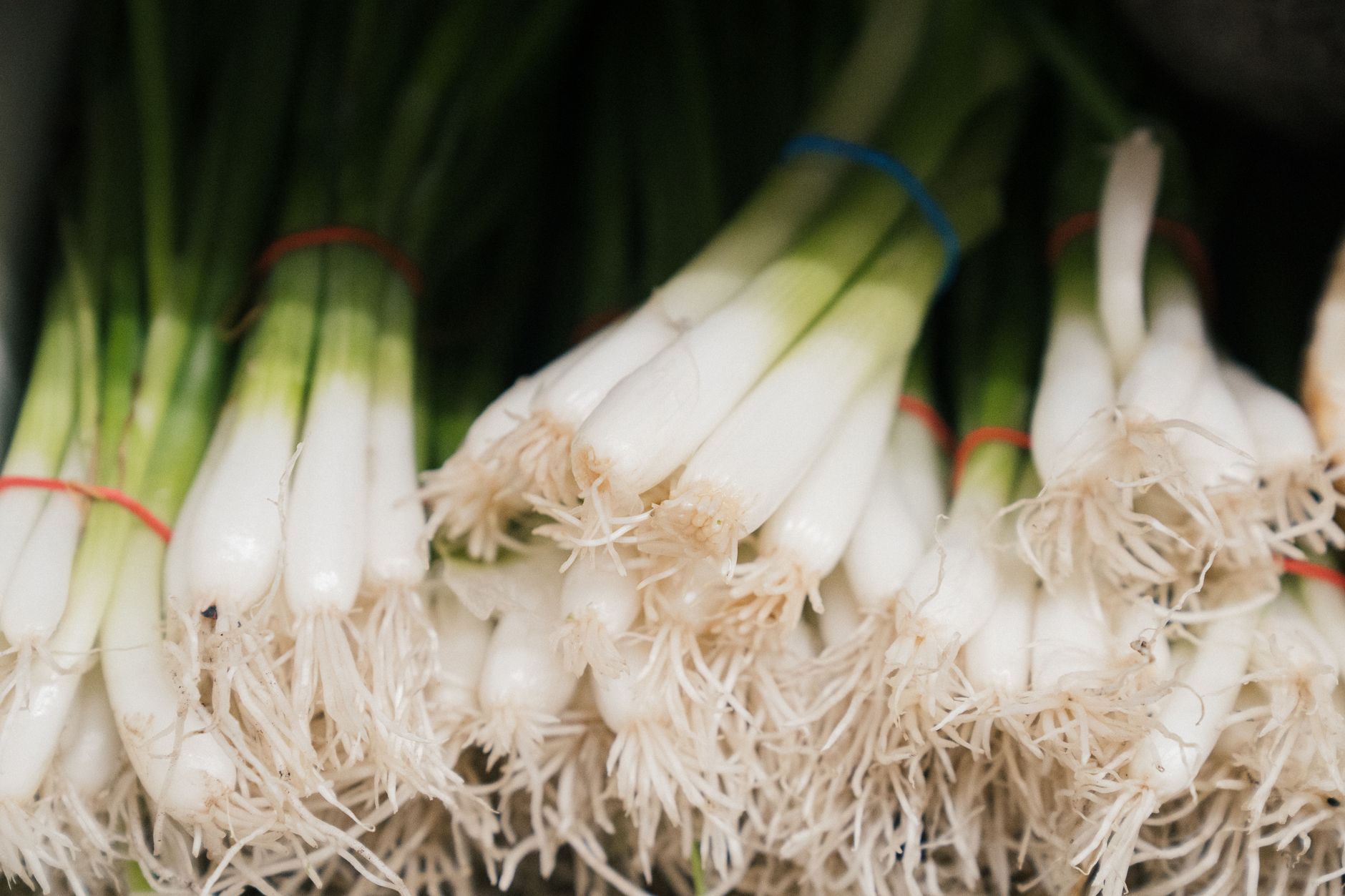
- Tofu Side Dishes: Silken tofu topped with scallions and soy sauce provides gentle, plant-based protein.
Finding Authentic Meals
If youre traveling or ordering out, look for restaurants specializing in traditional Japanese cuisine or those advertising full breakfast sets. These places often highlight Halal-certified seafood or sourcing for Muslim-friendly options, ensuring your dietary needs are met.

Incorporating Japanese Breakfast-Inspired Meals
You dont need to replicate the entire spread daily. Mix in small portions of pickled vegetables or miso soup into your usual breakfast. Start your day with a high-protein seafood dish or tamagoyaki to enhance satiety and nutrition. This blend supports a health-conscious lifestyle with a delicious twist.
For lighter mornings or dental recovery, check out 50 soft foods to eat after dental surgery that may pair well with Japanese-inspired dishes.
When Is the Best Time to Eat a Traditional Japanese Breakfast?
This meal is best enjoyed in the early morning as part of your first daily intake, ideally within an hour after waking. Its balanced nature fuels your body steadily, supporting mental focus and physical energy throughout the day.
Is Traditional Japanese Breakfast Actually Halal What Should I Check?
Many staple ingredients like rice, miso, and vegetables are naturally Halal. For animal proteins like fish, ensure they are sourced and prepared without non-Halal additives. Look for trusted Halal certification logos such as JAKIM (Malaysia), HMC (UK), or IFANCA (USA) on packaged foods or restaurant menus to confirm compliance.
How Do I Reduce Sodium While Keeping the Flavor?
Use low-sodium miso pastes and rinse pickled vegetables lightly before serving. You can add mild fresh herbs or squeeze of lemon to brighten flavors without extra salt. This keeps dishes flavorful yet better suited for those monitoring sodium intake.
Can I Substitute Fish With Plant-Based Proteins?
Absolutely! Grilled or baked tofu, tempeh, or even mushrooms seasoned with traditional Japanese seasonings can replace fish. This creates a similar umami profile while maintaining protein content and dietary preferences.
What Are Some Common Mistakes When Making This Breakfast?
Overcooking fish can make it dry and tough, losing flavor. Using too much miso paste results in excessive saltiness. Finally, skipping the pickled vegetables means missing out on acidity that balances the meal.
How Long Do Leftovers Keep?
Cooked rice and grilled fish last 34 days in the refrigerator when stored airtight. Miso soup is freshest consumed within 1 day for probiotic benefits but can last up to 2 days if kept cooled. Pickled vegetables generally keep 12 weeks in the fridge due to preservation.
Why Are Fermented Ingredients Important?
Fermented components like miso and natto introduce probiotics that improve gut health and digestion. These foods also enhance flavor complexity, delivering that characteristic savory depth cherished in Japanese cuisine.
Tips for Balancing Flavors at Home
Use a combination of salty (miso, pickles), sweet (tamagoyaki), and umami (fish, seaweed) elements to create depth. Avoid overwhelming one taste by experimenting with quantity and tasting as you go. Serve components separately to appreciate individual flavors.
More You Might Like
Explore other balanced meals ideal for recovery or wellness such as Foods to eat that complement your health goals.
Conclusion
The traditional Japanese breakfast blends seafood, rice, and vegetables into a balanced and nutrient-rich start to your day. It offers not only distinct flavors but supports health with good proteins, fermented benefits, and mindful portions. Next time you shop or cook, consider trying your own versionyou might find your mornings becoming tastier and healthier. Feel free to share your favorite dishes or experiences below!
FAQs
When is the best time to eat or drink traditional Japanese breakfast?
The traditional Japanese breakfast is best enjoyed early in the morning, ideally within an hour after waking. This timing helps provide steady energy and mental focus throughout the day by fueling your body with balanced nutrients.
How long do leftovers of a traditional Japanese breakfast keep?
Cooked rice and grilled fish last 3–4 days refrigerated in airtight containers. Miso soup is freshest when consumed within 1 day for probiotic benefits but can be kept up to 2 days if refrigerated. Pickled vegetables can last up to 1–2 months due to their preservation.
What makes traditional Japanese breakfast different from Western breakfasts?
Traditional Japanese breakfast focuses on balance and variety with steamed rice, miso soup, grilled fish, pickled vegetables, and seaweed, providing umami and fermented flavors. It is lower in fat and sugar, emphasizing whole foods and portion control, unlike many heavier or sweeter Western breakfast choices.
Is it safe to eat traditional Japanese breakfast daily considering sodium content?
While miso soup and pickles contain sodium, moderation and portion control keep intake balanced. Using low-sodium miso paste, rinsing pickles, and limiting high-sodium items help reduce risks, making it safe to enjoy most days as part of a varied diet.
Where can I find authentic and halal-certified ingredients for traditional Japanese breakfast?
Look for halal-certified products at specialty Asian grocery stores or online retailers. Certifications like JAKIM, HMC, and IFANCA mark halal compliance. Some Japanese restaurants also offer halal breakfast sets; verify certifications when sourcing seafood and processed items.