Jamaicas national fruit, the ackee, stands out as a key ingredient in the islands cuisine and culture. While its celebrated for its unique flavor and nutritional value, it also contains a chemical that has made it illegal to import into the United States. Understanding why this fruit is so popular in Jamaica, yet banned elsewhere, helps clarify the balance between its health benefits and potential risks.
Jamaicas National Fruit
The fruit known as Jamaicas national fruit is the ackee (Blighia sapida). Native to West Africa but naturalized in Jamaica, the ackee has been embraced as a symbol of the islands rich food heritage. It features prominently in traditional dishes, most famously in ackee and saltfish, Jamaicas national dish. When cooked properly, the ackee has a creamy texture and delicate, buttery flavor that complements savory foods perfectly.
Ackee is not only culturally meaningful but also nutritious. According to USDA FoodData Central, a 100-gram serving of cooked ackee provides about 151 calories, 1.7 grams of protein, and is a good source of vitamin A and essential fatty acids. Locals prize it for its satisfying taste and versatility in recipes.

What Makes Ackee Unique Compared to Other Fruits?
Ackee is botanically distinct from most fruits because it opens naturally only when fully ripe, revealing three shiny black seeds surrounded by soft, creamy yellow flesh. Its flavor is mild and subtly sweet, unlike the sharp or tangy notes common in tropical fruits. Ackee grows on trees and requires handpicking at the right time to avoid toxicity.
Harvesting ackee demands skill. The fruit must be fully mature and naturally open before picking. Immature or unopened ackee contains high levels of hypoglycin A, a toxic compound that can cause severe illness. Jamaican cooks are experts in preparing ackee safelythey discard the seeds and only cook the yellow flesh after ensuring it is ripe and properly cleaned.
The Toxic Chemical in Ackee
What leads to ackees ban in many countries, including the USA, is its content of toxic compounds called hypoglycin A and hypoglycin B. These chemicals occur primarily in the seeds and unripe fruit parts. Eating immature ackee or flesh from improperly prepared fruit can cause Jamaican Vomiting Sickness, a severe and sometimes fatal condition.
These toxins interfere with the bodys ability to regulate blood sugar, often leading to hypoglycemia, vomiting, seizures, and even coma. Scientific research, such as studies recorded by the CDC, confirms that poisoning happens mainly when unripe ackee is consumed or if the seeds accidentally enter the prepared food.
Why Is This Fruit Illegal in the USA?
The U.S. Food and Drug Administration (FDA) prohibits the import of ackee fruit or canned ackee unless it meets strict safety standards. The ban exists because of the risk posed by hypoglycin toxins, which few importers can guarantee are fully removed. The USDA enforces these rules to protect consumers from accidental poisoning.
Unlike other tropical fruits, ackees risk profile is unique due to its toxin. This places it among illegal fruits US categories that require controls or are outright banned. Countries with no cultural familiarity with ackee often cannot assure safe preparation at the consumer level.
The Jamaican Fruit Ban: What It Means for Consumers and Importers
The import ban on ackee means that consumers in the US must rely on legally canned and processed ackee approved by FDA standards or avoid the fruit altogether. Importers must follow rigorous inspection and processing protocols or face penalties. This regulatory environment helps prevent poisoning outbreaks, which have occurred in the past when unregulated ackee entered the market.

Balancing Benefits and Risks
Is Jamaicas national fruit safe to eat? The short answer is yeswhen prepared correctly. Local communities and Jamaican chefs maintain expert knowledge on how to safely harvest, clean, and cook ackee to avoid toxicity. This expertise reduces risks dramatically.
For those outside Jamaica interested in trying ackee, its crucial to only purchase products from trusted sources in countries where the fruit is legal and properly processed. Never attempt to prepare fresh ackee unless you are trained in the safe methods known in Jamaican households.
How Does Ackee Compare to Other Fruits with Known Risks?
| Fruit | Known Risk | Preparation Needed | Import Status (USA) |
|---|---|---|---|
| Ackee | Hypoglycin toxins causing vomiting sickness | Fully ripe, seeds removed, cooked | Illegal fresh; strict import controls on canned |
| Soursop | Possible neurotoxins (Annonacin) in seeds/skin | Ripe fruit eaten without seeds | Legal fresh and canned |
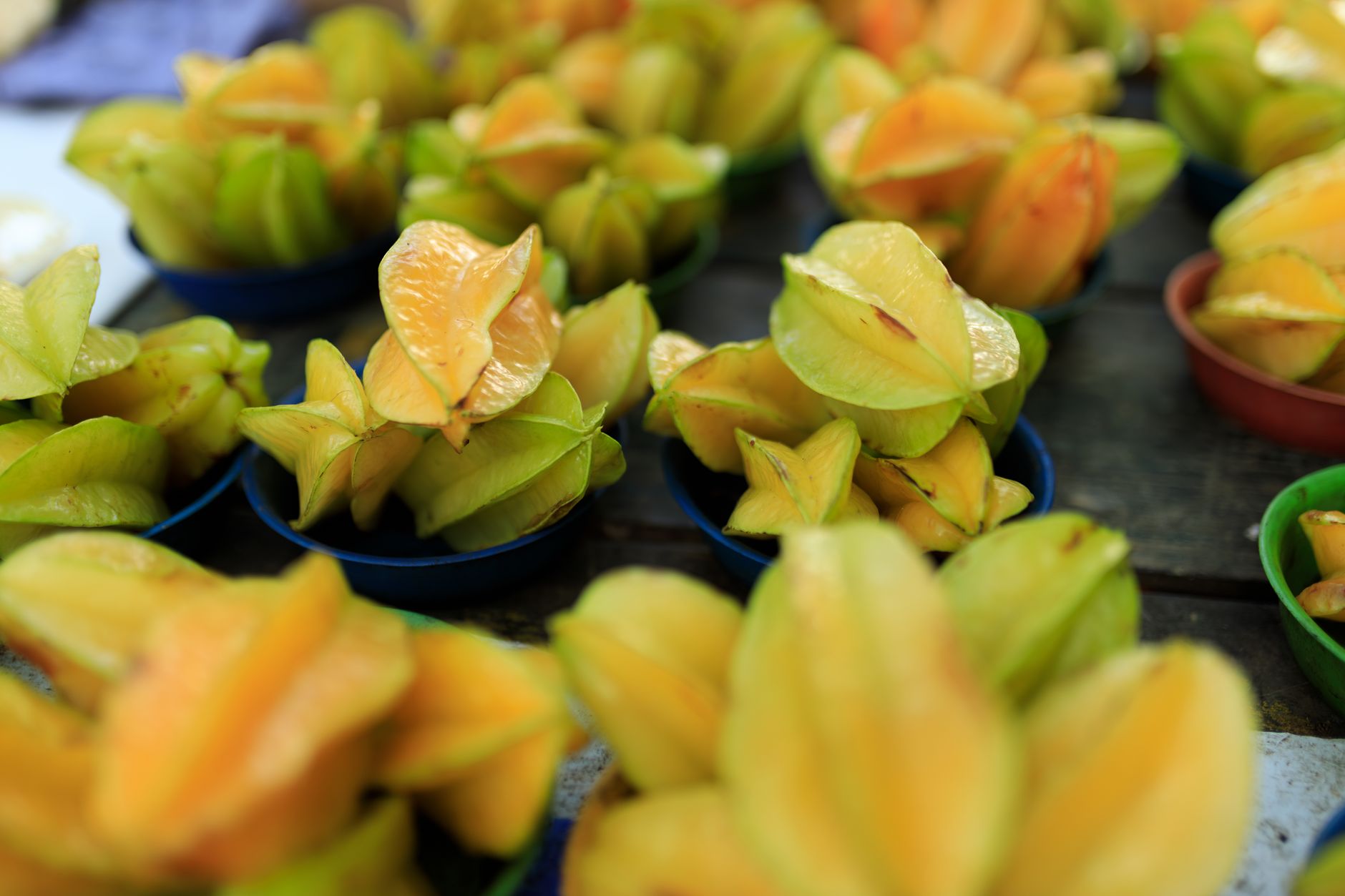
| Starfruit | Oxalates harmful in kidney disease | Consume in moderation, avoid if renal issues | Legal fresh and canned |
Unlike the occasional mild risks in fruits like soursop or starfruit, ackees toxins require strict timing in harvest and preparation. This makes regulation necessary for consumer safety.
Fruit Safety in the USA
Fruit safety protocols in the USA focus heavily on avoiding chemical toxins and microbial contamination. The restrictions on ackee illustrate how toxic compounds can influence import rules to protect public health. Other fruits may have pesticide residue limits and hygiene standards but do not usually face outright bans.
For consumers, knowing how to identify safe fruit imports is key. Look for trusted Halal certification logos like JAKIM, HMC, or IFANCA on processed products to ensure they follow rigorous safety standards. When shopping, check packaging for clear origin, ingredient lists, and proper labeling.
Understanding import rules sharpen your safety awareness. This is true not only for exotic fruits but also everyday produce. Curious about gentle options after oral surgery? See our 50 soft foods to eat after dental surgery for ideas that combine safety and nutrition.
Is Jamaica National Fruit Actually HalalWhat Should I Check?
Ackee itself, as a fruit, is halal since it is plant-based. However, when buying canned ackeeor any processed food with ackeelook for halal certification logos such as JAKIM or IFANCA. These certifications confirm that the product complies with halal dietary laws and is free from contaminants or non-halal additives.
When Is the Best Time to Eat Ackee?
Ackee is best enjoyed when fully ripe and properly prepared, usually cooked fresh after natural opening on the tree. In canned form, it is ready to eat after heating. It pairs well with savory dishes and is particularly popular for breakfast or lunch in Jamaica.
Can Ackee Cause Allergic Reactions?
Allergic reactions to ackee are rare, but some individuals sensitive to tropical fruits might experience mild symptoms. Always try a small portion first if you have food allergies. The main health concern is toxicity, not allergy.
How Long Does Fresh Ackee Last?
Fresh ackee should be eaten immediately after harvesting because it spoils quickly. If unopened and ripe, it can last 12 days in the refrigerator. Canned ackee, once opened, keeps for 35 days when stored in an airtight container in the fridge.
Is There a Halal Ackee Product Brand You Recommend?
Look for canned ackee from reputable brands that carry halal certification. Packaging should clearly display the halal logo and list ingredients. Always buy from reliable retailers specializing in halal and ethnic foods.
What Are Safe Preparation Tips for Ackee at Home?
Only prepare fresh ackee if you have training. Always discard the seeds and any red or pink parts, which contain toxins. Wash thoroughly and boil the flesh for at least 10 minutes before consuming. Otherwise, rely on canned ackee from trusted sources.
Are There Healthier Fruits Similar to Ackee?
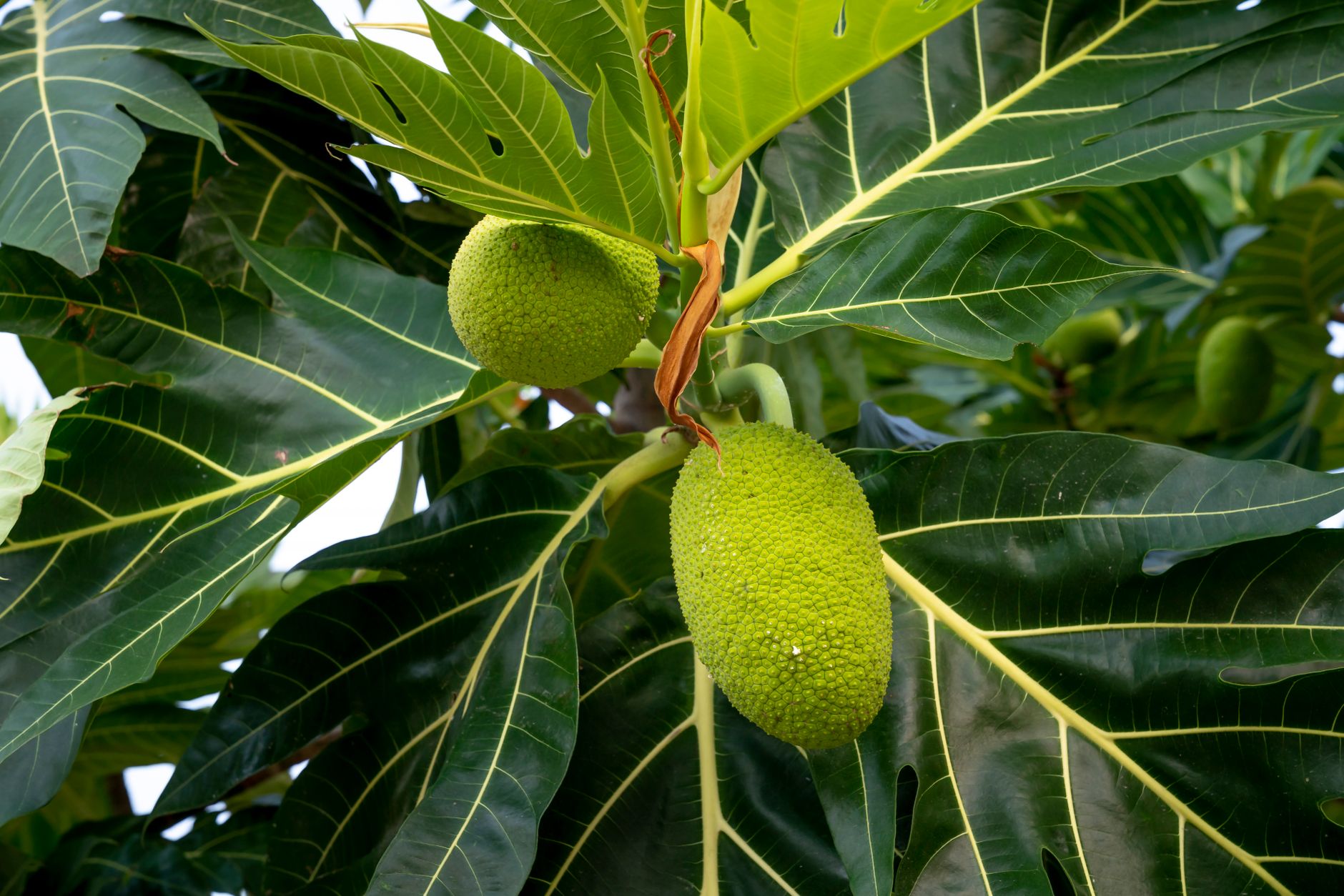
If you want fruits rich in nutrients with less risk, consider papaya, mango, or jackfruit. They provide vitamins and fiber with no known toxic chemicals, making them safer choices for everyday consumption.
Pro Tips for Buying Ackee Products
- Never purchase fresh ackee unless you trust the source deeply and understand harvesting rules.
- Choose canned ackee with halal certification logos like JAKIM, ensuring clean label and ingredient transparency.
- Avoid extremely cheap canned ackee, as quality control might be lacking with improper toxin removal.
Most overlooked is ensuring the can is undamaged and not swollen, which could indicate spoilage. One expert tip: gently press the can; it should feel firm without bulges.
More You Might Like
Explore nutritious options like foods high in protein low in calories, perfect for balanced meals. Or, if youre recovering from a procedure, check our helpful list of 50 soft foods to eat after dental surgery.
Conclusion
Jamaica national fruit ackee is a fascinating example of natures balance between delicacy and danger. Loved in Jamaica for its rich flavor and cultural value, ackee carries toxins that require careful handling and preparation to avoid serious health risks. Whether youre exploring exotic Halal-certified foods or simply curious about safe fruit choices, always respect expert advice and legal guidelines. Next time you shop, look out for trusted certification and clear labels to enjoy this unique fruit safely.
FAQs
Is Jamaica national fruit actually Halal — what should I check on the label?
Ackee as a fruit is halal since it is plant-based. When buying canned or processed ackee, look for halal certification logos like JAKIM or IFANCA to ensure the product complies with halal dietary laws and is free from contaminants or non-halal additives.
How long does fresh or canned ackee last after opening?
Fresh ackee spoils quickly and should be eaten immediately or refrigerated for up to 12 days if unopened and ripe. Canned ackee, once opened, can be stored in an airtight container in the refrigerator and consumed within 35 days.
What is the key difference between ackee and other tropical fruits like soursop or starfruit?
Ackee contains hypoglycin toxins requiring careful harvest and cooking, making it unique among fruits. Unlike milder risks from soursop or starfruit, ackee’s toxins can cause severe illness if eaten immature or improperly prepared.
Is it safe to eat ackee daily, and what precautions should be taken?
Ackee is safe to eat when fully ripe and properly prepared, as practiced in Jamaica. Avoid fresh ackee unless you understand safe handling. Always discard the seeds and red parts, and only consume properly cooked flesh to prevent toxicity.
Where can I buy safe and halal-certified ackee products?
Purchase canned ackee from reputable retailers specializing in halal or ethnic foods. Ensure products display halal logos like JAKIM or IFANCA, have clear ingredient lists, and come in undamaged cans with no swelling to guarantee safety and quality.