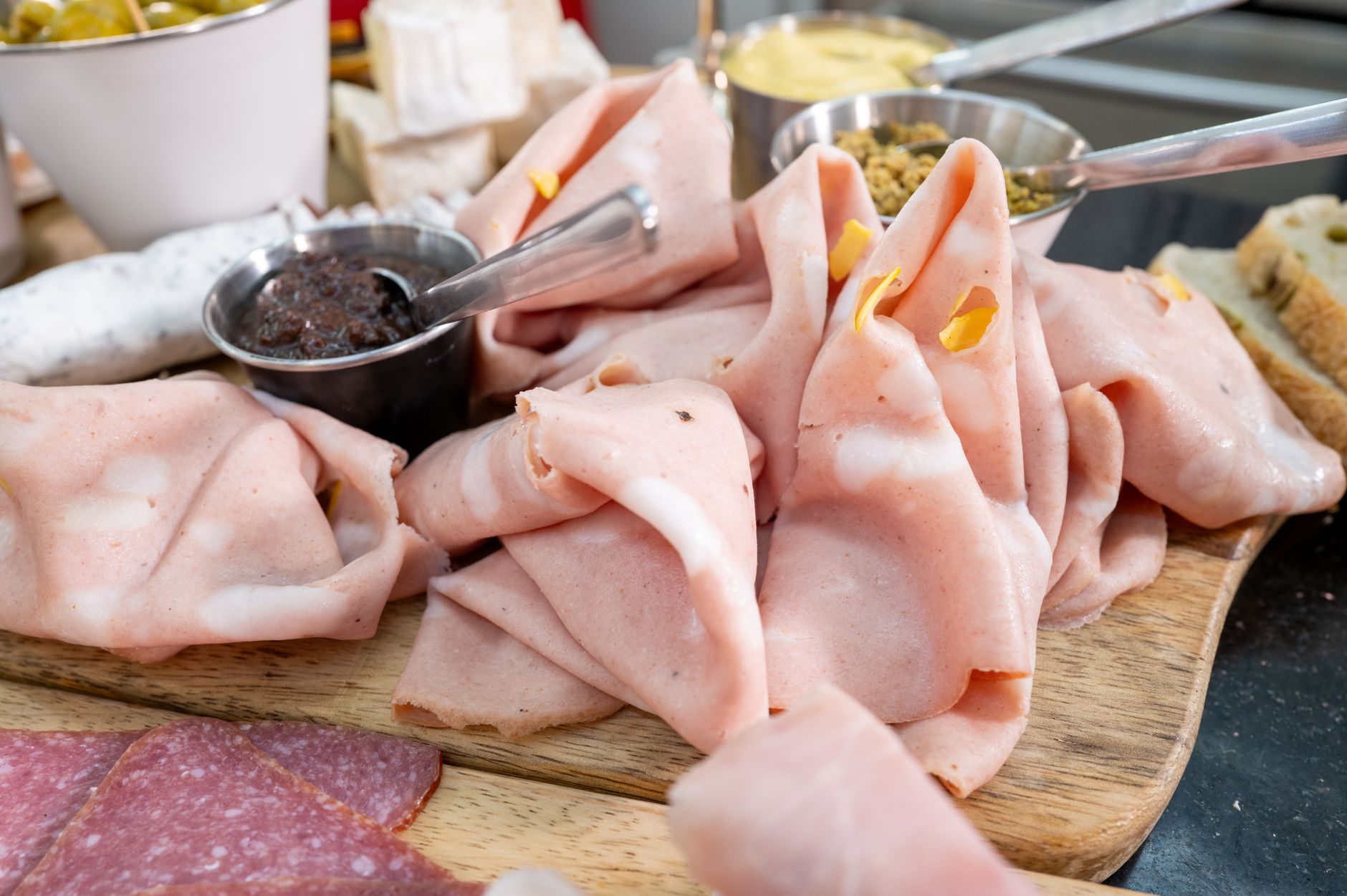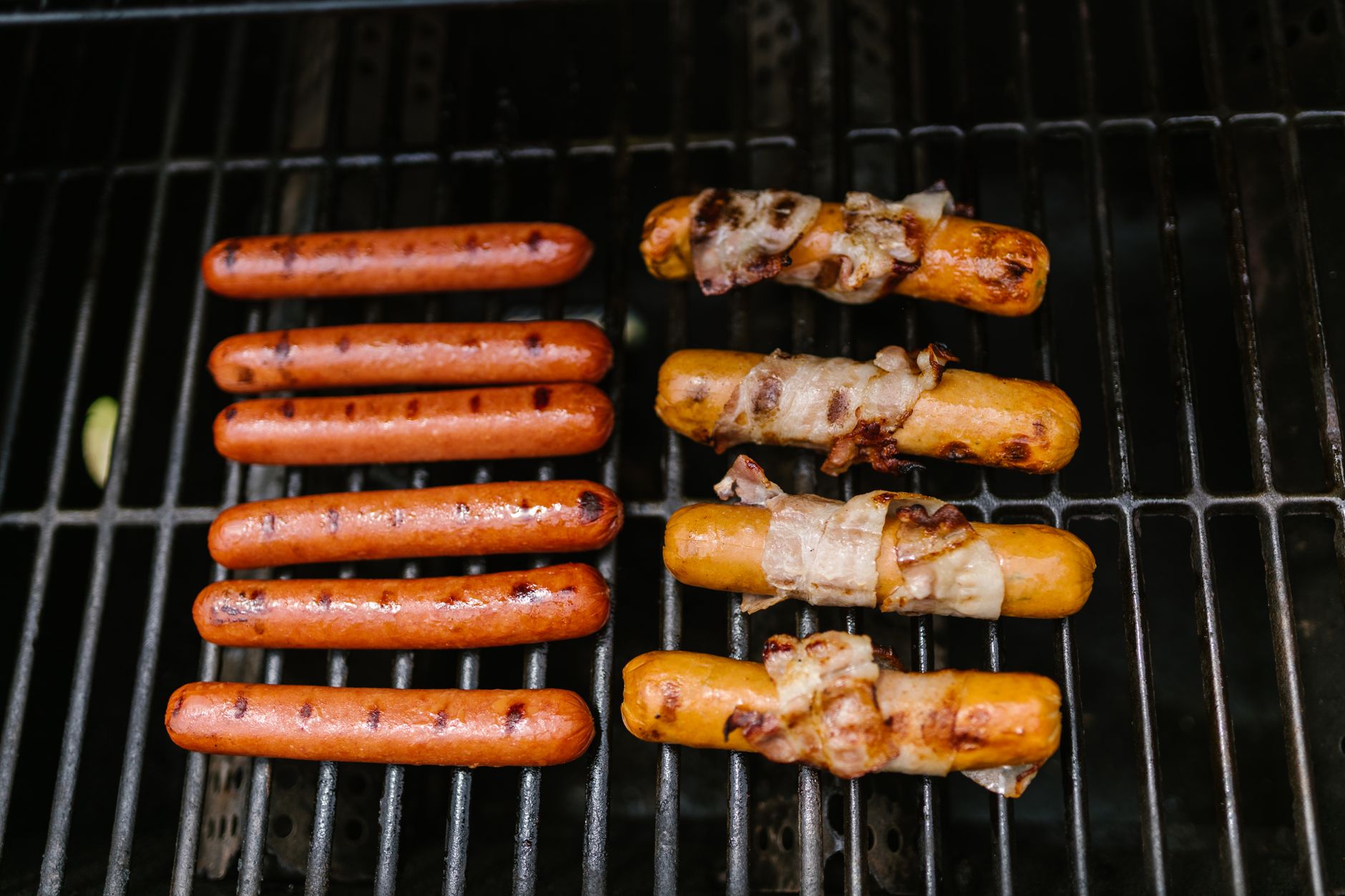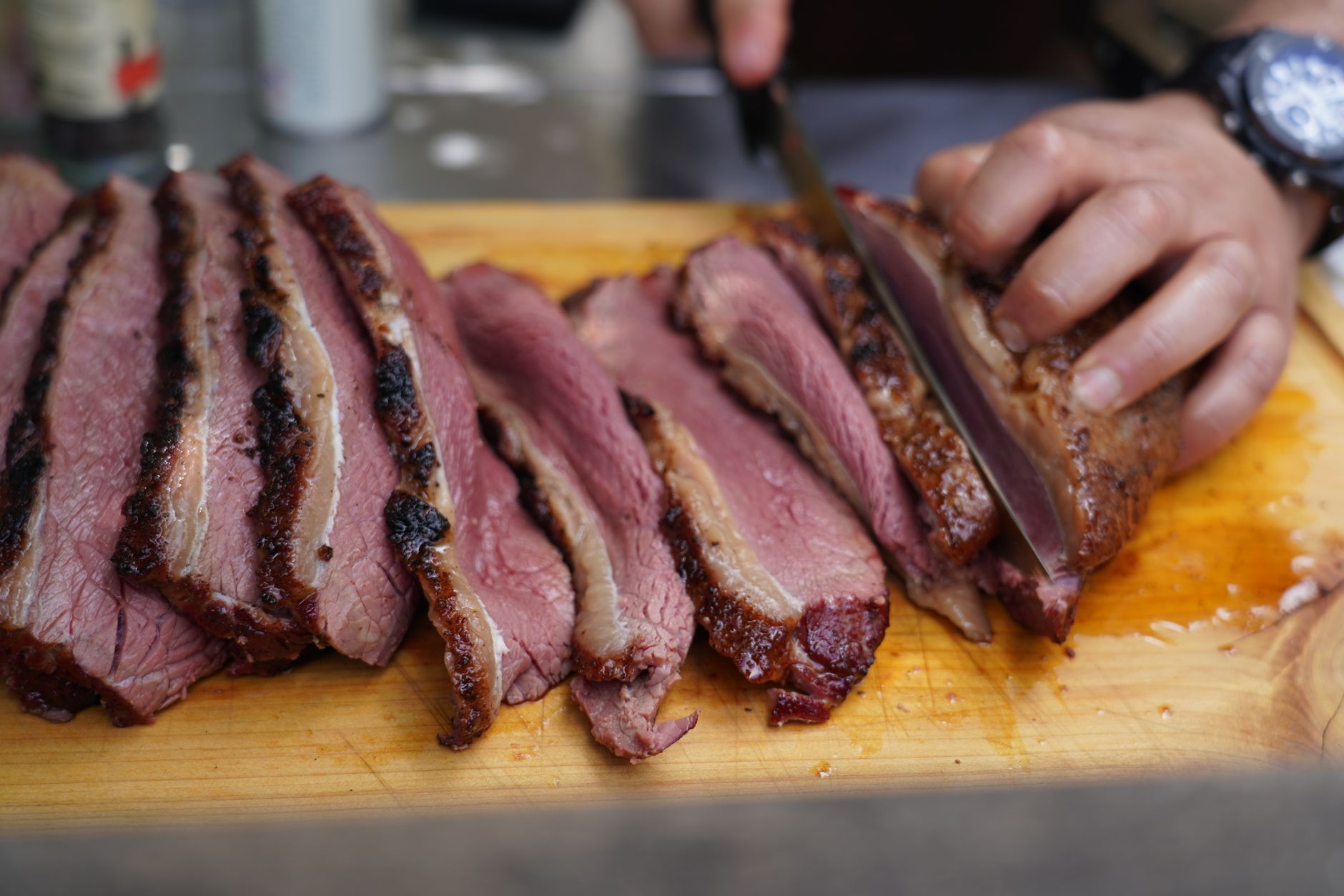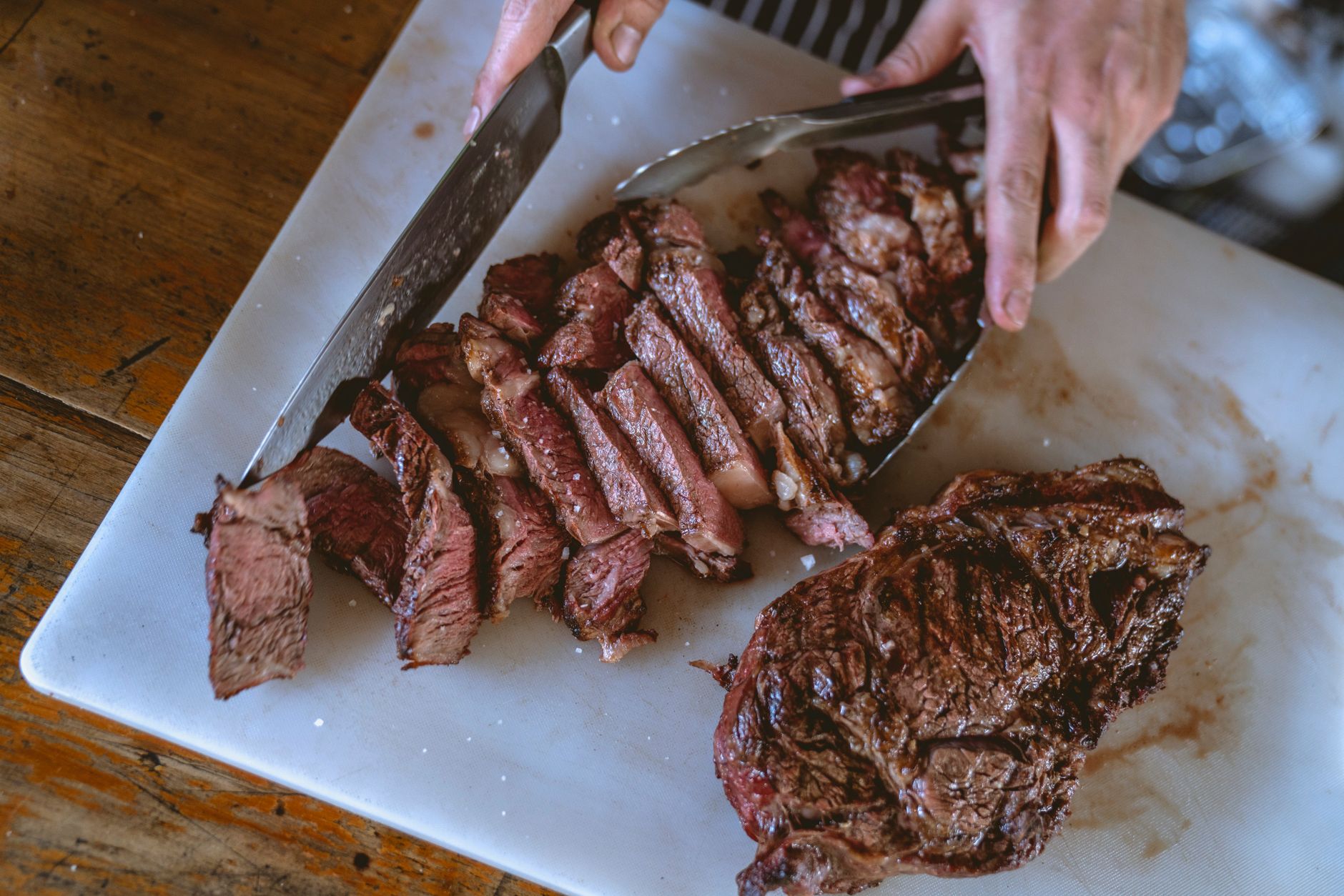
Standing at the deli counter, you might wonder: is capicola just a fancy name for ham? Or what truly sets it apart from the sweet, glazed honey ham many enjoy? These two cured pork products come from different parts of the pig and offer distinct flavors and textures. Understanding these differences can help you select the best choice for your next sandwich or meal. Heres a clear and friendly guide on capicola vs honey ham to sharpen your deli game and satisfy your taste buds.
What Is Capicola?
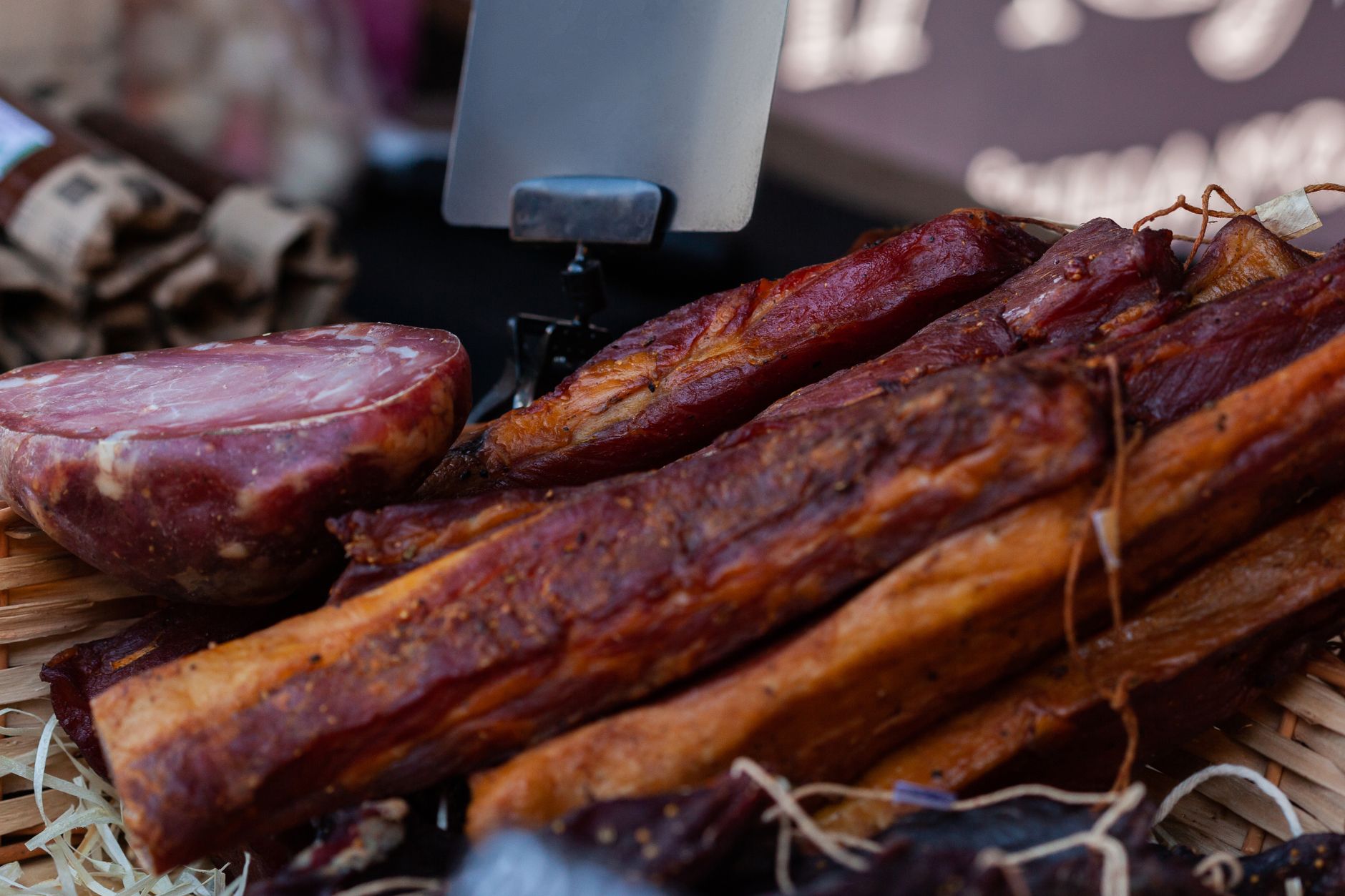
Capicola, often pronounced capocollo, is a traditional Italian cured meat made from the pork shoulder or neck region. Its a specialty in many parts of Italy and Southern Europe, known for its rich flavor and tender texture. The meat is dry-cured with a blend of spices like black pepper, paprika, and sometimes garlic or fennel, then aged to develop its characteristic taste.
Capicolas origin dates back centuries, connected to artisanal butchers preserving pork shoulder with salt, herbs, and air drying. The resulting product is leaner than many other cured meats, with a balanced spice profile thats savory rather than sweet.
Many deli enthusiasts describe capicolas flavor as robust, slightly spicy, and earthy, with a velvety texture that melts in your mouth. Its often enjoyed thinly sliced on charcuterie boards or layered in Italian sandwiches.

What Cuts of Pork Are Used for Capicola?
Capicola comes specifically from the pigs neck or shoulder area, sometimes called the neck cap or coppa. This region offers a good balance of fat and lean meat, providing tenderness without being overly greasy. Unlike other cured pork like prosciutto that uses the hind leg, capicolas cut contributes to its firmer yet tender texture and ability to absorb dry rub spices deeply.
How Is Capicola Cured and Flavored?
The curing of capicola involves rubbing the pork shoulder with salt, sugar, and a proprietary spice blend including black pepper, paprika, and sometimes red chili flakes. After curing, it is hung in cool, humid conditions for several weeks to months, allowing natural enzymes to develop complex flavors and tenderize the meat. The dry-curing process avoids glazing or smoking, differentiating it from honey hams sweeter profile.
This long, slow curing gently intensifies the savory notes while preserving the texture. The absence of sweeteners or smoke highlights capicolas spicy and peppery characteristics, making it a favorite among those seeking a bold deli meat option.
What Is Honey Ham?
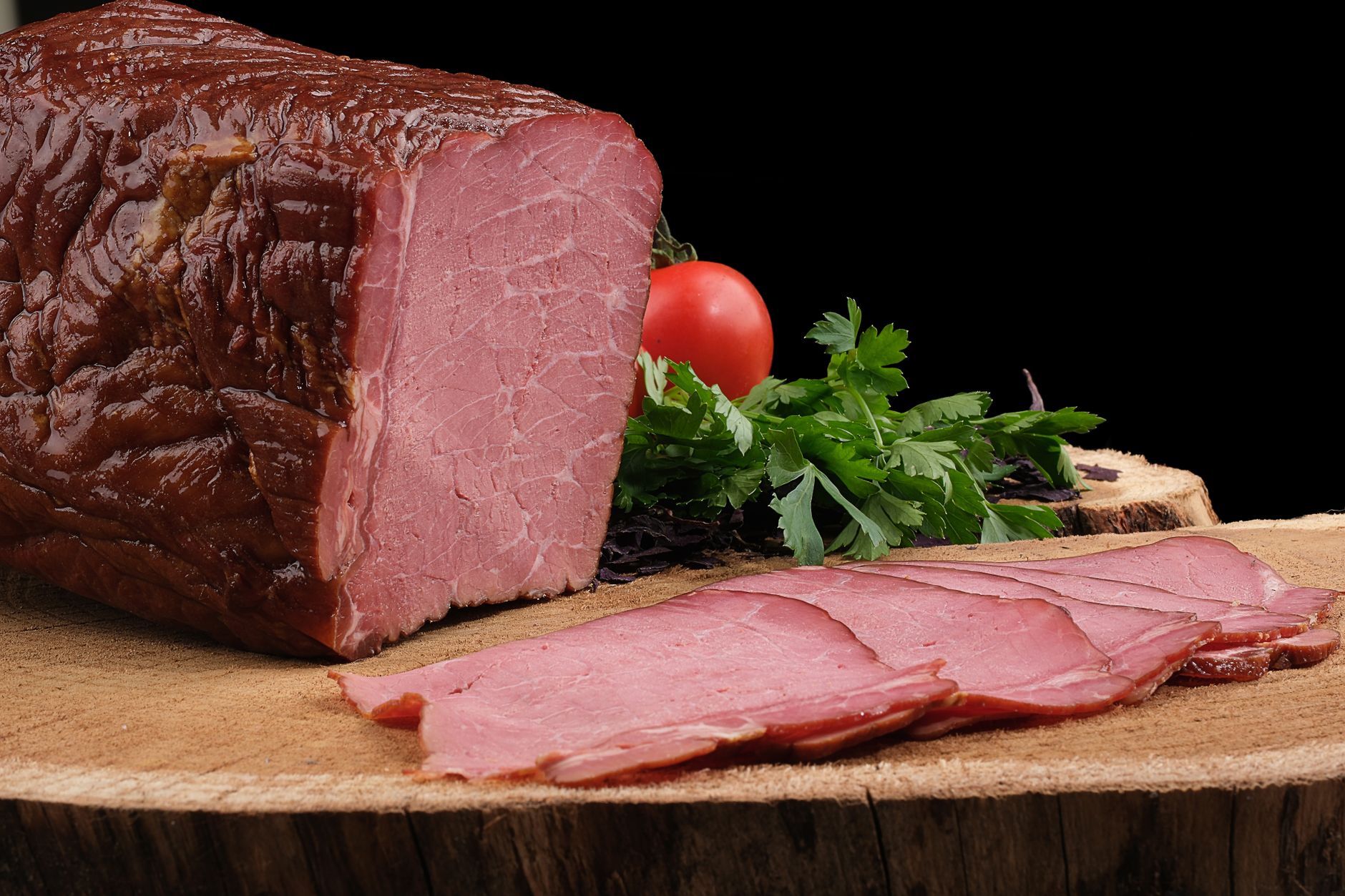
Honey ham is a sweeter, glazed cured meat made from the pork leg. Unlike capicola, honey ham typically undergoes a wet curing or brining process before being coated with a honey-based glaze and often smoked. This curing style results in tender, moist, and flavorful slices with a distinctly sweet and smoky taste.
Sweetened with natural honey, sugar, or syrups, honey ham is a popular choice during holidays or breakfast meals. Its the star on many festive tables and works wonderfully in sandwiches, salads, or simply served warm alongside eggs.
Due to its preparation, honey ham tends to be moister and softer than capicola, with a clean, mildly smoky aroma balanced by the honeys sweetness.

What Makes Honey Ham Different from Other Hams?
Honey ham stands out because of its characteristic sweet glaze applied after curing. The curing might involve injecting or soaking the pork leg in a salt mixture, but the defining feature is the coating of honey combined with spices like cloves or cinnamon, which caramelizes during baking or smoking. This contrasts sharply with dry-cured and unsweetened ham varieties.
From a nutrition perspective, honey ham can contain higher sugars due to the glaze, so its important to watch portions if youre monitoring sugar intake. Many Halal-certified brands ensure that their honey ham is prepared strictly according to certification standards, including the absence of non-Halal additives.
Capicola vs Honey Ham: Key Differences
| Feature | Capicola | Honey Ham |
|---|---|---|
| Cut of Meat | Pork neck/shoulder | Pork leg |
| Curing Style | Dry-cured with spices | Wet-cured/brined, honey glaze, often smoked |
| Flavor Profile | Spicy, savory, peppery | Sweet, smoky, mildly spiced |
| Texture | Firm, velvety | Moist, tender |
| Typical Uses | Italian sandwiches, antipasti | Holiday meals, sandwiches, breakfast |
Comparing these cured pork types side-by-side reveals clear contrast in taste and usage. Capicola appeals if you want a bold, savory bite while honey ham is ideal when sweetness and tenderness are desired. Both offer a delicious addition to various dishes but satisfy very different cravings.
Which Is Healthier? A Nutritional Comparison
According to the USDA FoodData Central, a typical 28-gram slice of capicola contains around 70 calories, 5 grams of fat, and 25-35mg of sodium, making it a relatively lean choice for cured meats. Honey ham of the same portion size usually contains about 90 calories, 6 grams of fat, and significantly more sodium (up to 450mg), primarily due to the curing brine and glaze.
The sugar content in honey ham can be 2-4 grams per serving because of its sweet glaze, unlike capicola, which has negligible sugars. Thus, for those mindful of sugars or sodium, capicola may be the better pick. Still, portions should be kept moderate given the processed nature of both.
When choosing Halal-certified products, look for trusted marks like JAKIM, HMC, or IFANCA on labels, which ensure quality and compliance with halal dietary laws.
Flavor and Culinary Uses When to Use Each?
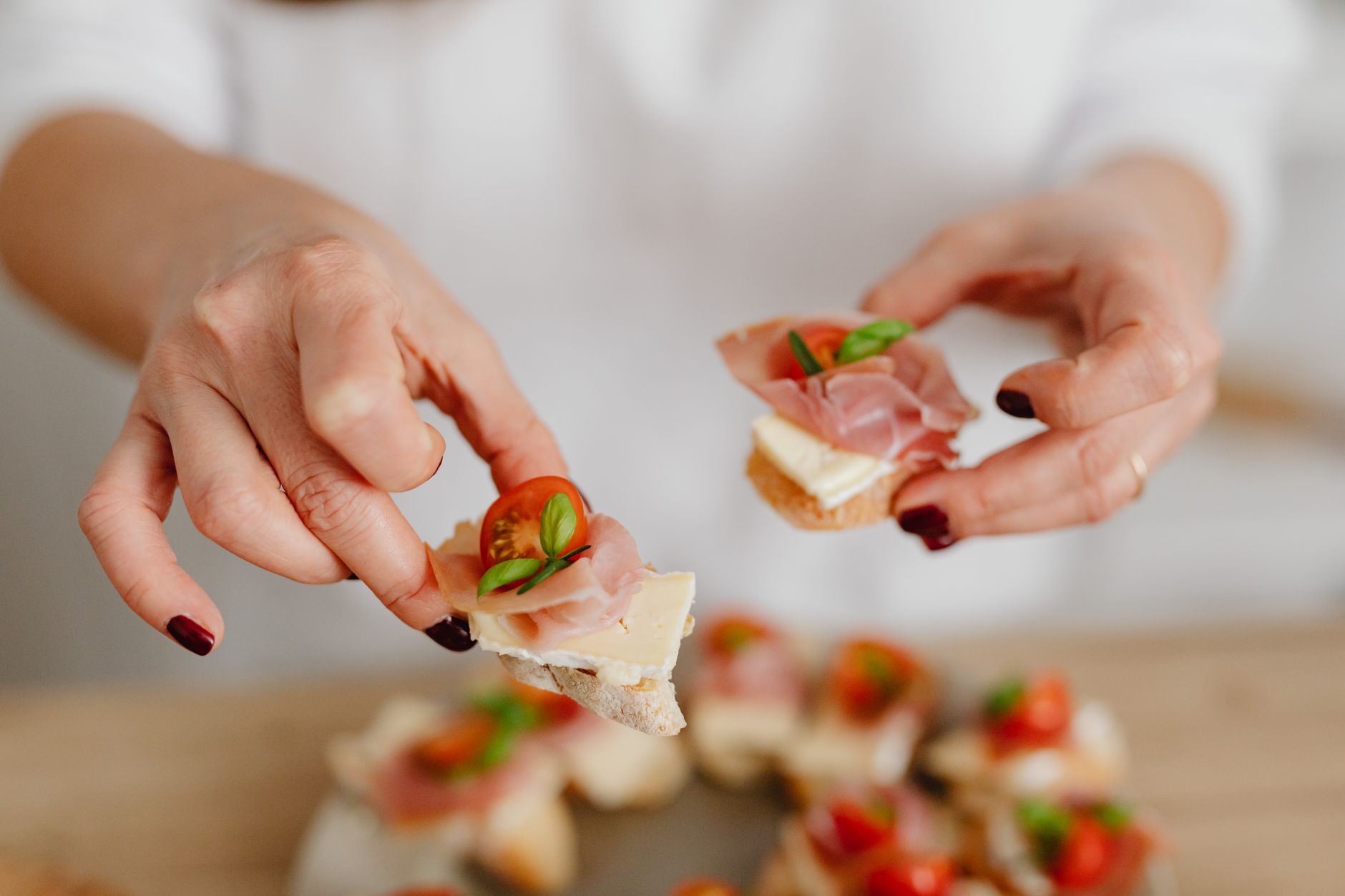
Capicolas spicy, peppery notes shine in classic Italian subs featuring fresh mozzarella, roasted peppers, and arugula. Its firm texture allows thin slicing without falling apart, which is perfect for antipasti platters or charcuterie boards paired with olives and cheeses.
Honey hams mellow sweetness makes it an excellent candidate for warming up at breakfast alongside eggs or incorporating into glazed ham sandwiches with honey mustard or Swiss cheese. It also works great sliced into salads or warm casseroles.
For bread lovers, trying a meat loaf with finely chopped capicola is an expert tip to intensify the flavor profile.
What to Consider When Choosing
Your choice between capicola and honey ham may boil down to taste preference, dietary goals, and intended use. If you prefer savory, spicy flavors with a leaner profile, capicola suits your needs. For a sweeter, softer meat complementing festive dishes, honey ham is unbeatable.
Check product labels carefully: avoid meats with artificial preservatives or excessive sodium. Halal consumers should verify certification logos prominently displayed, such as the JAKIM Halal mark, ensuring all curing agents and processing methods meet Islamic dietary guidelines.
Storage-wise, unopened capicola or honey ham can last several weeks refrigerated, but once opened, both keep best for 57 days in an airtight container. Freezing is possible but may affect texture.
| Certification | Price Range | Common Formats | Shelf Life | Key Allergens |
|---|---|---|---|---|
| JAKIM, HMC, IFANCA | Mid to high depending on brand | Whole, pre-sliced, deli cuts | Unopened: 3-4 weeks; Opened: 5-7 days | May contain sulfites, occasional soy-based binders |
Recommended Brands and Where to Buy
When buying capicola or honey ham, look for specialty Halal-certified brands that emphasize traditional curing and quality pork sourcing. Supermarkets with deli counters often carry these, but you can also find premium options in specialty stores that prioritize traceability and clean labels.
Brands that openly display their Halal certification offer peace of mind regarding compliance with Islamic dietary laws. Support producers with consistent reviews for quality and authentic flavors.
You can also explore options from Halal-focused markets, helping you stay confident about both faith-based requirements and product freshness.
Is Capicola vs Honey Ham Actually Halal What Should I Check?
Both capicola and honey ham can be Halal if processed according to Islamic dietary laws. Look for certification logos from recognized bodies like JAKIM, HMC, or IFANCA on packaging. Check ingredients closely to ensure no non-Halal additives such as pork from non-certified sources or alcohol-based curing agents are used. When in doubt, purchase from trusted Halal butchers or retailers.
When Is the Best Time to Eat Capicola or Honey Ham?
Capicola is fantastic anytime you want a savory, protein-rich snack or sandwich enhancement, especially lunch and casual dining. Honey ham shines during breakfast or festive seasons when its sweet notes complement richer meals.
Can I Use Capicola and Honey Ham Interchangeably in Recipes?
While both are cured pork products, their flavor profiles differ greatly. Capicola suits spicy, robust dishes, and honey ham fits sweeter or smoky recipes. Swapping could change balance and texture, so adjust other ingredients accordingly.
How Should I Store Both Meats for Maximum Freshness?
Keep unopened packages refrigerated between 14C (3439F). Once opened, store slices in airtight containers or wrapped tightly in plastic wrap. Consume within 57 days. Both can be frozen for up to 2 months but expect minor texture changes.
Are There Halal Alternatives for Capicola and Honey Ham?
Yes, many producers offer Halal-certified versions made from carefully sourced pork or poultry alternatives. Always verify certification and ingredient lists carefully to avoid cross-contamination or non-compliant additives.
What Are the Common Allergens in These Meats?
Both may contain sulfites as preservatives or soy-based seasonings. Check labels if you have sensitivities. Halal products also avoid forbidden substances but watch for common allergens.
How Can I Tell If the Label Is Trustworthy?
Look for certification marks from recognized Islamic authorities. Authentic Halal labels are clearly displayed and accompanied by batch codes or producer information. Also, check for clear ingredient lists without vague terms like natural flavoring. Transparency is key.
Pro Tips for Choosing Quality Capicola and Honey Ham
- Avoid cheap versions loaded with artificial preservatives or excessive sodium, which dull authentic flavors and may affect health.
- Look for traditional curing methods on labels, such as dry-cured or natural aging, especially for capicola to ensure genuine taste and texture.
- One hidden mistake is ignoring certification authenticityalways verify the legitimacy of the Halal logo and producer background for peace of mind.
More You Might Like
Explore how Halal meat is sourced and certified to improve your overall understanding of Halal food options. For flavorful meal ideas, our detailed meat loaf recipe can add a delicious perspective on pork blends.
Conclusion
Capicola vs honey ham offers two distinct experiences: one spicy, dry-cured, and savory; the other sweet, moist, and glazed. Neither is betterjust suited for different tastes and uses. Next time youre shopping, check the label closely for Halal certification and flavor descriptors. Then enjoy experimenting with these delicious cured meats in your meals or sandwiches. Got a favorite way to enjoy either? Share it in the comments and keep the conversation going!
FAQs
Is Capicola vs Honey Ham actually Halal — what should I check on the label?
Both can be Halal if processed per Islamic laws. Check for certification logos like JAKIM, HMC, or IFANCA and verify ingredients exclude non-Halal additives or alcohol-based curing agents to ensure compliance.
How long do Capicola and Honey Ham last after opening?
Once opened, store slices in an airtight container in the fridge and consume within 5 to 7 days for best freshness and safety. Unopened packages last 3-4 weeks refrigerated.
What is the main difference between Capicola and common ham varieties?
Capicola is a dry-cured, spiced meat from the pork neck or shoulder, while common ham, like honey ham, is typically wet-cured, glazed sweet, and smoked, offering a sweeter and moister profile.
Can I safely eat Capicola and Honey Ham daily?
Moderation is key. Due to sodium and preservatives in cured meats, limit daily intake. Capicola is leaner and lower in sugars, making it a slightly healthier choice than honey ham.
Where can I buy quality Halal Capicola and Honey Ham?
Look for specialty Halal-certified brands at supermarkets with deli counters, specialty Halal markets, or trusted online retailers that display authentic certification and clear ingredient labeling.