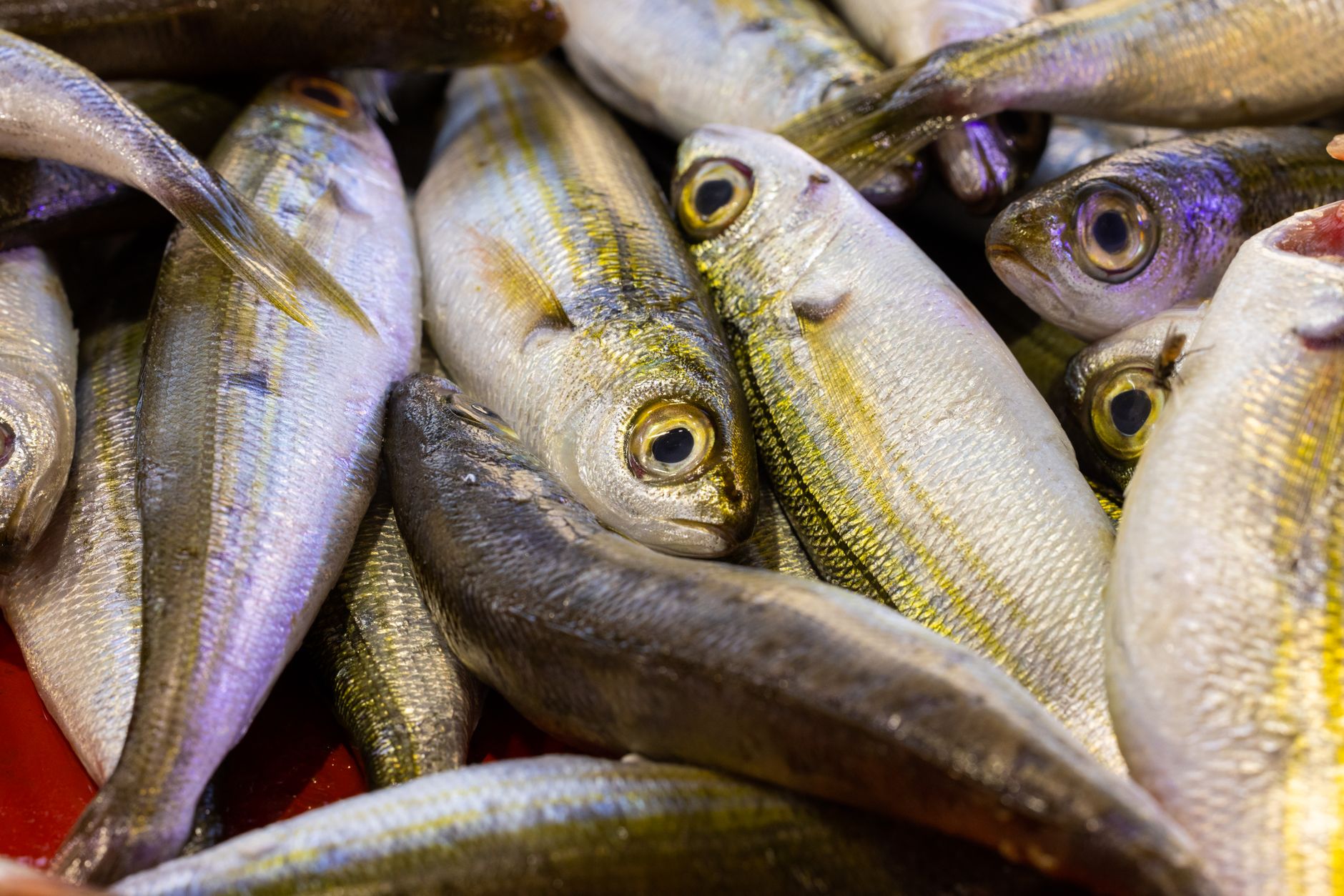
Choosing cheap fish can feel like walking through a minefield. Not all affordable seafood is created equal, and picking the wrong budget fish can affect your health and satisfaction. This guide will help you navigate the world of cheap fishshowing which options are nutritious, safe, and Halal-friendly, and which ones to avoid. With smart choices, you can enjoy sustainable, healthy meals without breaking the bank.
Why Choose Cheap Fish
Benefits of Budget-Friendly Fish
Cheap fish offers a fantastic source of lean protein and essential nutrients, especially omega-3 fatty acids. For many households, its a key way to maintain a healthy diet on a budget. Affordable fish varieties usually have faster growth rates and shorter life cycles, making them easier to replenish sustainably. Plus, they often offer versatile cooking options in your kitchen.
Nutrition and Safety Differences
Not all low-cost fish stack up equally nutritionally. Some cheap fish carry higher levels of mercury and environmental contaminants. Contaminants, like methylmercury and PCBs, can accumulate in certain species, posing health risks over time. Its crucial to balance price with nutritional quality and safety, especially if you eat fish regularly.
Contaminants in Cheap Fish
According to the FDA mercury advisories, larger, longer-lived fish tend to have higher mercury levels. Cheap fish like mackerel and sardines usually have low mercury, but others like orange roughy contain higher amounts. Pollutants from ocean pollution may also affect some species, impacting their safety for regular consumption.
Sustainability and Price
Sustainability affects both price and quality. Fish sourced from sustainable fisheries often cost a bit more but reduce environmental damage. Overfishing of popular cheap fish can lead to shortages, pushing prices up or forcing buyers toward unsustainable choices. Look for Halal certifications paired with sustainability marks when possible.
6 Cheap Fish To Buy
These affordable fish offer great nutrition, taste, and peace of mind with lower contaminants and good sustainability.
Mackerel
Mackerel packs a punch with high omega-3 levels, Vitamin D, and B12. Its rich, oily flavor works well grilled, baked, or smoked. Mackerel is widely available fresh and frozen, and usually carries a budget-friendly price tag. Buy firm fillets with a fresh sea scent and avoid fish with a strong ammonia smell.
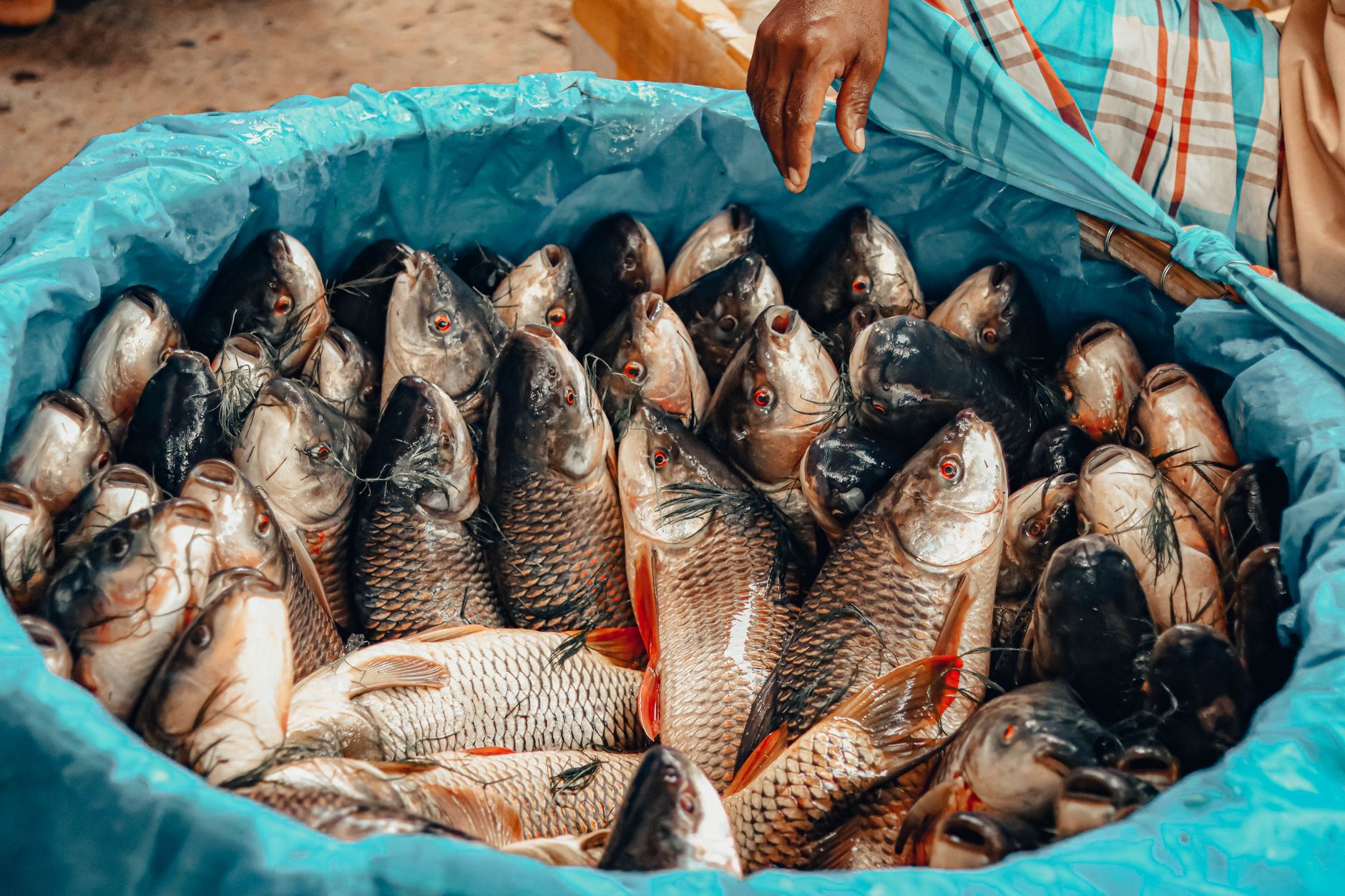
Sardines
Often sold canned, sardines are a convenient, nutrient-dense fish. Rich in calcium (when eaten with bones), omega-3s, and protein, they offer excellent value. Choose canned sardines packed in water or olive oil with no added preservatives for a clean label. Fresh sardines, when available, are mild and tender, great for pan-frying.
Hake
Hake has a delicate flavor and flaky texture, making it a favorite in seafood dishes. It is generally low in mercury and affordable due to its wide availability and faster reproduction. Hake is often sourced sustainably, especially if wild-caught off the European coasts. It‘s ideal for baking, grilling, or making fish stews.
Grouper
Despite its reputation, some grouper varieties are affordable and offer firm, mild flesh. Look for smaller-sized grouper sourced from sustainable fisheries where possible. Grouper works well grilled or in fish tacos, and it holds marinade flavors nicely. Watch out for overfished species and confirm Halal certification.
Salmon Steaks
Farmed salmon steaks can sometimes be a budget-friendly option, especially when bought frozen and in bulk. Salmon is rich in omega-3 and high-quality protein, making it a healthy cheap fish alternative. Consider wild-caught Alaskan salmon for better sustainability, though it might cost a bit more. Always check for Halal certification such as from HMC or IFANCA.
Catfish
Catfish offer firm, white flesh at low prices. Its a staple in many households due to easy cooking and mild taste. Farmed catfish raise some sustainability questions, but responsible farms maintain quality and lower contaminants. Its perfect for frying, baking, or grilling. Be sure to purchase from trusted Halal-certified suppliers.
6 Cheap Fish To Avoid
Some budget fish come with hidden risks, including poor nutritional profiles, contamination, or unsustainable practices. Avoid these to keep your meals safe and healthy.
Tilapia
Tilapia is widely available and cheap but often scores low in nutritional value compared to other fish. Farming practices vary drastically, with some regions using poor-quality feed and overcrowded ponds that reduce taste and increase contaminant risks. Many nutritionists recommend limiting tilapia consumption due to low omega-3 content and potential chemical residues.
Basa
Basa, a type of pangasius catfish, is inexpensive but has raised concerns about farming conditions and residues in some countries. Consumers often complain about a muddy or bland taste. Its environmental footprint can be significant in some regions. Basa may also lack strong Halal certifications depending on the source, requiring extra caution.
Atlantic Cod
Though tempting for its white flaky texture, Atlantic cod often suffers from overfishing and can fluctuate in price, making it less reliably cheap. Its declining wild stocks push some suppliers toward farmed cod, which often lacks flavor and firmness. Also, some cod imports may lack proper Halal verification.
Asian Carp
Asian carp is an invasive species in many waters and often sold cheaply. However, the market is less regulated leading to inconsistency in freshness and quality. Moreover, many consumers find the taste muddy or earthy, reducing appeal. The uncertainty in supply chains warrants avoiding this fish if you want quality assurance.
Orange Roughy
Orange roughy grows slowly and lives long, which leads to high mercury accumulation. It is cheap in some markets but carries risks to human health due to contaminants. Overfishing also threatens its stocks, causing sustainability concerns. Experts strongly discourage regular consumption of this fish.
Atlantic Halibut
Atlantic halibut can appear cheap at certain seasons but usually offers poor value for money given its texture and taste compared to Pacific halibut. Farming impacts and mercury loads can be concerning. Better choices exist if you are looking for firm white fish at budget prices.
How To Pick Cheap Fish Wisely
Key Buying Tips
When buying cheap fish, look beyond price tags. Freshness and Halal certification matter most. Opt for fish that smell clean, not fishy or sour. Firm flesh that springs back on touch indicates good quality. Frozen fish should be free of freezer burn or excessive ice crystals.
Check for Labels
Always check for trusted Halal certifications like JAKIM (Malaysia), HMC (UK), or IFANCA (USA). Sustainable seafood labels such as MSC (Marine Stewardship Council) can signal better ethical choices. Avoid vague labels like wild-caught without provenance details.
Seasonal and Source Considerations
Seasonality affects both price and quality. Buying fish in season improves freshness and affordability. Origin matters toofish from reputable suppliers or recognized fisheries offer better traceability. Frozen options often provide a longer shelf life and controlled quality.
| Certification | Price Range | Common Formats | Shelf Life | Key Allergens |
|---|---|---|---|---|
| JAKIM, HMC, IFANCA | $3$10 per lb | Fresh fillets, frozen, canned | Fresh: 12 days; Frozen: 612 months | Fish protein, possible crustacean cross-contact |

Budget Fish Cooking Tips
Simple, Delicious Recipes
Cheap fish shines with minimal fuss. Marinate mackerel in lemon, garlic, and herbs for 15 minutes, then grill on medium heat for 6 minutes per side. For sardines, open canned ones with olive oil and toss over a salad or toast. Pan-fry hake for 45 minutes per side with a light seasoned flour coating.
Storage Guidelines
Keep fresh fish refrigerated below 4C and use within 12 days. Frozen fish holds quality for 612 months in airtight packaging. Avoid repeated thawing and refreezing, which damages texture and safety. Store cooked fish in sealed containers for up to 3 days in the fridge.
Flavor Enhancements
Use citrus, fresh herbs, and spices to elevate cheap fish flavors without adding cost. Try turmeric and cumin for catfish stews or chili flakes on grilled salmon steaks. Avoid overpowering delicate fish like hake to preserve its natural taste.
| Fish | Omega-3 (mg/100g) | Best Cooking Method | Halal Certification |
|---|---|---|---|
| Mackerel | 2678 | Grilling, baking | JAKIM, HMC |
| Sardines | 1480 | Canned, pan-frying | IFANCA, JAKIM |
| Hake | 410 | Baking, stewing | JAKIM |
| Catfish | 230 | Frying, grilling | IFANCA |
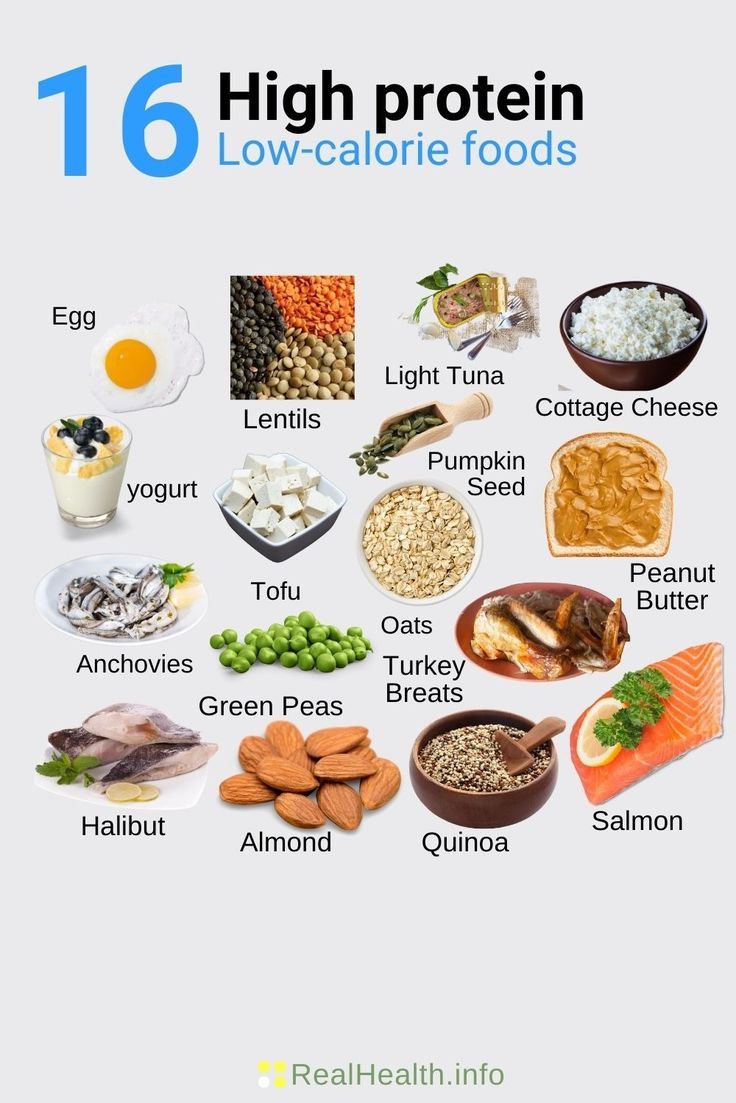
Foods High in Protein Low in Calories
For more ideas on maintaining lean protein intake while watching calories, see our guide on foods high in protein low in calories.
Healthy Foods to Eat
Explore additional options for balanced nutrition in our article on healthy foods to eat.
Is cheap fish actually Halalwhat should I check?
To ensure cheap fish is genuinely Halal, look for official certification logos from reputable bodies such as JAKIM, HMC, or IFANCA. The label should mention Halal certification and provide traceability information. Be wary of vague claims or uncertified imports, especially from informal markets.
How can I tell if cheap fish is fresh?
Fresh fish has clear, bright eyes and shiny, moist skin. The smell should be mild and sea-like, not sour or ammonia-like. Flesh should be firm and bounce back when pressed. Avoid fish with discolored patches or excessive slime.
Can I freeze cheap fish for long-term storage?
Yes. Freeze fish immediately after purchase in airtight packaging. Properly frozen fish retains quality up to 12 months. Label the packaging with date and type of fish for rotation. Thaw in the refrigerator overnight before use.
Are canned sardines a healthy cheap fish choice?
Canned sardines are an excellent budget-friendly option, rich in omega-3, calcium, and protein. Choose those canned in water or olive oil without added salt or preservatives to maintain health benefits.
Do all cheap fish contain high mercury?
No. Smaller, fast-growing species like mackerel and sardines generally have low mercury content. Avoid larger, long-lived cheap fish like orange roughy and some grouper varieties, as they may contain higher mercury levels.
What is the best way to cook hake cheaply?
Baking hake with light seasoning or incorporating it into stews maximizes its delicate flavor affordably. It cooks quickly; bake at 180C (350F) for 1215 minutes until flakes easily with a fork.
How often can I safely eat cheap fish weekly?
For most cheap fish low in mercury, 23 servings per week are safe and beneficial. Vary types and avoid repeated consumption of species with known contaminant risks.
Buying Tips for Cheap Fish
A common mistake is choosing cheapest fish without regard to freshness or source this often leads to poor taste and waste. Invest a little time picking trusted vendors with proper Halal certification. Expert fishmongers recommend buying whole fish or fillets with intact skin to prolong freshness. Frozen fish can be as good as fresh when stored correctly.
One tip from nutritionists is to add fatty fish like mackerel to your weekly menu for its heart-healthy omega-3s, balancing your diet affordably. Avoid over-processing or heavy battering, which can add unwanted calories and mask low-quality fish.
What is the best time to eat cheap fish?
Eating fish shortly after purchase ensures optimal freshness and nutrient retention. For frozen fish, plan meals so thawed fish is cooked within 24 hours. Timing your purchase close to meal prep maximizes flavor and safety.
Can cheap fish be part of a Halal diet?
Absolutely. Fish is generally Halal as defined by JAKIM Halal certification standards, provided it is sourced from compliant suppliers. Always verify labels for trusted certification marks.
How to avoid allergen contamination in cheap fish?
Buy from suppliers that handle fish separately from shellfish or other allergens to reduce cross-contamination. Check packaging for allergen warnings and ingredient lists carefully.
Do frozen cheap fish lose nutrients?
Frozen fish retains most nutrients if frozen right after harvesting. Maintain frozen storage below -18C, and avoid refreezing to preserve quality and nutrition.
Is farmed cheap fish safe?
Farmed fish can be safe if raised under good aquaculture practices with regulated feed and water quality. Look for certifications indicating responsible farming and Halal compliance.
How long does fresh cheap fish last?
Fresh fish typically lasts 12 days refrigerated at or below 4C. Use or freeze quickly to avoid spoilage.
Are imported cheap fish trustworthy?
Imported fish can be trustworthy if coming from certified sources with clear Halal and sustainability documentation. Avoid unregulated imports or unlabelled products.
More You Might Like
Discover foods high in protein low in calories to complement your healthy, budget-conscious meals with lean protein sources beyond fish.
Explore healthy foods to eat for a broader variety of nutritious options that fit your Halal lifestyle and health goals.
Conclusion
Choosing cheap fish wisely means knowing which to buy and which to skip. By prioritizing freshness, Halal certification, and sustainability, you get meals that are affordable, nutritious, and safe. Next time you shop, check the label carefully and enjoy the flavors and benefits that good cheap fish can bring to your table. Feel free to share your favorite budget fish recipes or tips below!
FAQs
Is cheap fish actually Halal — what should I check on the label?
To ensure cheap fish is Halal, look for official certification logos from reputable bodies like JAKIM, HMC, or IFANCA. The label should clearly mention Halal compliance and provide traceability details. Avoid vague or uncertified products, especially from informal markets, to guarantee Halal standards are met.
How long does fresh cheap fish last after purchase?
Fresh cheap fish typically lasts up to 12 days when refrigerated at or below 4°C. To maintain quality, consume it within this timeframe or freeze it promptly. Proper storage helps prevent spoilage and maintains freshness and safety.
How does cheap fish differ from common alternatives like tilapia?
Cheap fish like mackerel or sardines often offer higher omega-3 levels and lower contaminants compared to common alternatives such as tilapia. Tilapia typically has less nutritional value and may come from farming practices that affect taste and safety, making some budget fish better choices.
How often is it safe to eat cheap fish each week?
For most low-mercury cheap fish, consuming 2 to 3 servings per week is safe and beneficial. It’s best to vary the types and avoid species known for higher mercury or contaminants to maintain a healthy diet without risks.
Where is the best place to buy cheap fish?
Buy cheap fish from trusted vendors who provide Halal certification and maintain good freshness standards. Look for reputable markets, certified suppliers, or stores with clear labeling and transparent sourcing to ensure quality and safety.