If you‘ve ever enjoyed a candy, slushy, or gum with that bright blue punch, you know the distinct zing of blue raspberry flavor. But what exactly is blue raspberry flavor, and why is it blue when real raspberries arent? This flavor has carved out its own niche in the world of sweets and drinks, delivering a bold taste thats both familiar and intriguingly different from natural raspberry. Lets explore the science, history, and fun facts behind this colorful and popular flavor sensation.
What Is Blue Raspberry?
The Science Behind Blue Raspberry Taste
Blue raspberry flavor is a crafted blend of artificial flavor compounds designed to imitate the tartness and sweetness we associate with raspberrybut with a twist. Unlike natural raspberry, which derives its flavor from complex combinations of esters, aldehydes, and ketones, blue raspberry flavor often uses synthetic esters such as isoamyl acetate and ethyl butyrate. These chemicals mimic fruity, sweet, and slightly sharp notes.
Interestingly, the flavor isnt based on any real blue raspberry fruitbecause such berries naturally dont exist. The flavor profile combines the tangy, citrusy pop of raspberry with added sour and fruity notes often borrowed from other berries or tropical fruits. This creates a heightened sensory experience popular in confectionery products.
Why Blue and Not Red?
Have you ever wondered why the raspberry-flavored candies you see are often bright blue instead of red? The answer lies mostly in food marketing and visual clarity. Early on, confectioners chose blue dye to differentiate raspberry flavor from other red flavors like cherry or strawberry. It also avoids confusion in product assortments, making blue raspberry stand out on store shelves.
The original blue dye used was Brilliant Blue FCF (also known as FD&C Blue No. 1), approved for food use by the FDA and many international food safety organizations. Its vibrant color grabs attention and creates a playful contrast thats appealing to kids and adults alike.
| Flavor Aspect | Blue Raspberry | Natural Raspberry |
|---|---|---|
| Color | Bright blue (artificial dye) | Red to dark pink (natural pigments) |
| Flavor Compounds | Synthetic esters and ketones | Natural fruit acids and esters |
| Taste Profile | Tart and sweet with citrusy notes | Sweet, tangy, with deeper berry notes |
Blue Raspberry Candy Origins
Where Did blue raspberry candy come from?
The debut of blue raspberry flavor in the candy world can be traced back to the 1970s and 1980s. During this time, the confectionery market sought new ways to diversify flavors and colors to catch consumer interest. Blue raspberry was introduced primarily in cotton candy and slush drinks, quickly gaining popularity thanks to its vibrant hue and refreshing taste.
Food manufacturers needed a flavor that could pair well with a distinctive color, so the combination was a perfect match. It allowed raspberry-flavored products to jump off the shelf, distinguishing themselves from traditional red or pink fruit-flavored candies.

Popularity Reasons
Blue raspberrys success is tied to both its sensory appeal and marketing savvy. The unique blue color triggers curiosity, and the flavor itself offers a sharp, tangy sweetness that feels refreshing. Its popular in candies like gummies, lollipops, slushies, and even chewing gum.
Consumer psychology plays a role, too. Kids and teens are drawn to intensely colored products, associating these with fun and excitement. Adults often enjoy the nostalgia connected to childhood favorites, keeping blue raspberrys market strong. This flavors visual and taste appeal has helped it carve out a special spot in the confectionery lineup.
Raspberry Flavor Origins and Fruit Flavor Facts
Origin of Raspberry Flavor
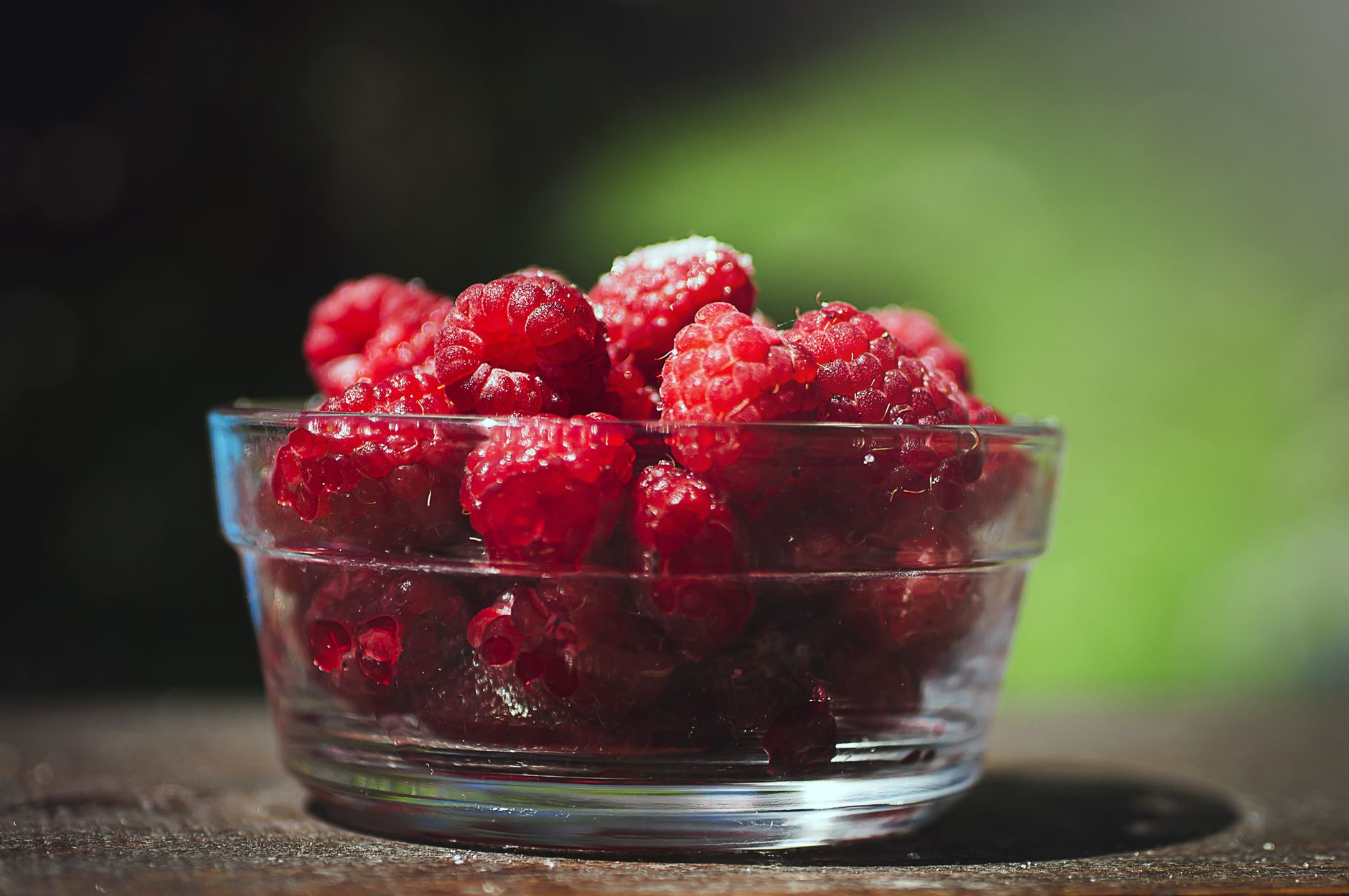
Natural raspberry flavor comes from a variety of raspberry species, mainly Rubus idaeus, known for their juicy and sweet-tart berries. Raspberrys flavor is a complex mix of organic acids, sugars, and aromatic esters that create its signature taste. Extracting natural raspberry essence involves pressing the berries and capturing volatile oils and juices, often expensive and perishable.
Because natural raspberry flavor is costly and less shelf-stable, many manufacturers turn to synthetic alternatives or blends that replicate parts of the flavor with more stability and lower cost.
Facts About Fruit Flavors in Candy
Many fruit flavors in confectionery are synthetic or modified to suit manufacturing needs. For example, cherry and grape flavors are usually bright red or purple, but the colors used do not match the natural fruit colors exactly. This helps brands create a consistent, eye-catching palette for consumers.
Altered colors, like blue for raspberry or purple for grape, allow flavor lines to diversify visually, making products easier to identify. Synthetic fruit flavors are designed for intensity and longevity. They can also be free from some allergens compared to natural extracts.
Benefits and Risks of Blue Raspberry Flavor
Health and Safety
Blue raspberry flavor often contains FDA-approved synthetic dyes and flavoring compounds considered safe when consumed in moderation. The Brilliant Blue FCF dye, commonly used for the vivid color, holds certifications from several Halal bodies such as JAKIM and IFANCA, ensuring it aligns with Halal dietary standards.
While most people tolerate these ingredients well, some may experience sensitivities or allergies to artificial dyes or additives. It‘s essential to check product labels for potential allergens or ingredients that don‘t comply with your personal dietary restrictions.
Marketing and Sensory Benefits
From a marketing perspective, blue raspberry flavor enhances product diversity and consumer interest. Its sharp, tangy notes create a memorable taste experience, increasing repeat purchases. This flavor also adds novelty and fun, encouraging brand loyalty among younger audiences.
Since it doesnt rely on natural raspberry extracts, its more cost-effective for manufacturers and offers consistent flavor in packaged candies and beverages that keep their quality longer.
Balanced Perspective
Blue raspberry flavor offers a fun and flavorful experience but comes with the usual concerns around artificial additives. While no direct harmful effects have been firmly linked to its moderate consumption, experts recommend balanced intake of artificially flavored and dyed products for overall health.
Opting for Halal-certified candies and beverages assures consumers the product meets ethical, religious, and safety standards. Look for trusted certifications like JAKIM, HMC, or IFANCA on packaging when selecting blue raspberry-flavored treats. These certifications confirm adherence to Halal guidelines, ensuring the products contain permissible ingredients.
Seven Common Questions About Blue Raspberry Flavor
Is blue raspberry flavor actually Halal what should I check?
Many blue raspberry-flavored products are Halal certified, especially when approved by bodies like JAKIM or IFANCA. To be sure, check the packaging for the Halal logo and verify that flavorings and dyes used are from Halal-compliant sources. Avoid products with unclear ingredient origins or non-certified additives.
Why dont real raspberries taste blue?
Real raspberries produce red pigments called anthocyanins, which give them their vibrant red or pink color. There are no natural blue pigments in raspberries, so the flavor named blue raspberry uses blue dyes to create a visually distinct product separate from the natural fruit color.
Is blue raspberry flavor safe to consume regularly?
When consumed in moderation, blue raspberry flavoring and its usual dyes are considered safe by the FDA and other food regulatory bodies. However, excessive consumption of artificially flavored and colored products is not recommended as part of a healthy diet.
How does blue raspberry compare nutritionally to real raspberry?
Blue raspberry-flavored products typically contain sugars and artificial additives without the vitamins, fiber, and antioxidants that natural raspberries offer. For nutrition, fresh or frozen raspberries provide better health benefits than flavored candies or drinks.
Can blue raspberry flavor cause allergies?
Allergic reactions to blue raspberry products are rare but possible, usually due to added food dyes or flavor ingredients. If you have known sensitivities, read labels carefully or consult a healthcare professional.
Why is blue raspberry flavor popular in chewing gum and candy?
Its bright color and distinctive taste create a memorable sensory experience. It stands out on shelves, appealing particularly to younger consumers and offering variety beyond traditional fruit flavors.
Are there natural blue raspberry flavors available on the market?
Currently, no natural blue raspberry fruit exists, so all blue raspberry flavors use synthetic or mixed natural/artificial blends to mimic the taste. Some manufacturers use natural raspberry extracts mixed with coloring but keep the overall flavor consistent with the synthetic profile.
More You Might Like
If you enjoy the unique flavor stories behind popular treats, check out this insightful article on Matcha dessert caffeine to learn how caffeine content varies in your sweet treats.
Curious about product availability? Take a look at what happened with Stride gum discontinued and find out what alternatives you may want to try instead.
Final Thoughts
Blue raspberry flavors bright color and sharp taste have made it a beloved classic in candies and drinks worldwide. Although it doesnt come from a real blue raspberry fruit, its carefully crafted flavor profile and bold appearance continue to delight consumers. Next time you pick up a blue raspberry candy or drink, take a moment to appreciate the fascinating mix of science, marketing, and tradition behind that vibrant blue zing.
FAQs
Is blue raspberry flavor actually Halal — what should I check on the label?
Many blue raspberry-flavored products are Halal certified, especially if approved by bodies like JAKIM or IFANCA. Check for a Halal logo on packaging and confirm that flavorings and dyes come from Halal-compliant sources. Avoid products with unclear ingredient origins or non-certified additives.
What is the shelf life of blue raspberry-flavored candy after opening?
Blue raspberry candies typically last several weeks to months after opening if stored in a cool, dry place and sealed properly. Check the packaging for specific expiry dates and try to consume them within a reasonable time to maintain freshness and flavor.
How does blue raspberry flavor differ from natural raspberry flavor?
Blue raspberry flavor uses synthetic esters and artificial dyes to mimic and enhance raspberry’s tartness with a bright blue color, unlike natural raspberries which have red pigments and naturally derived flavor compounds. The taste is sharper and more citrusy compared to the deeper berry notes of real raspberries.
Is it safe to consume blue raspberry-flavored products daily?
Consuming blue raspberry-flavored products in moderation is considered safe by food safety authorities like the FDA. However, excessive intake of artificial dyes and additives is not recommended as part of a healthy diet. Balanced consumption is key to minimizing any health risks.
Where can I buy authentic blue raspberry-flavored candy and drinks?
Blue raspberry-flavored candies and drinks are widely available in supermarkets, convenience stores, online retailers, and specialty Halal shops. Look for reputable brands and Halal certifications if that meets your dietary preferences.