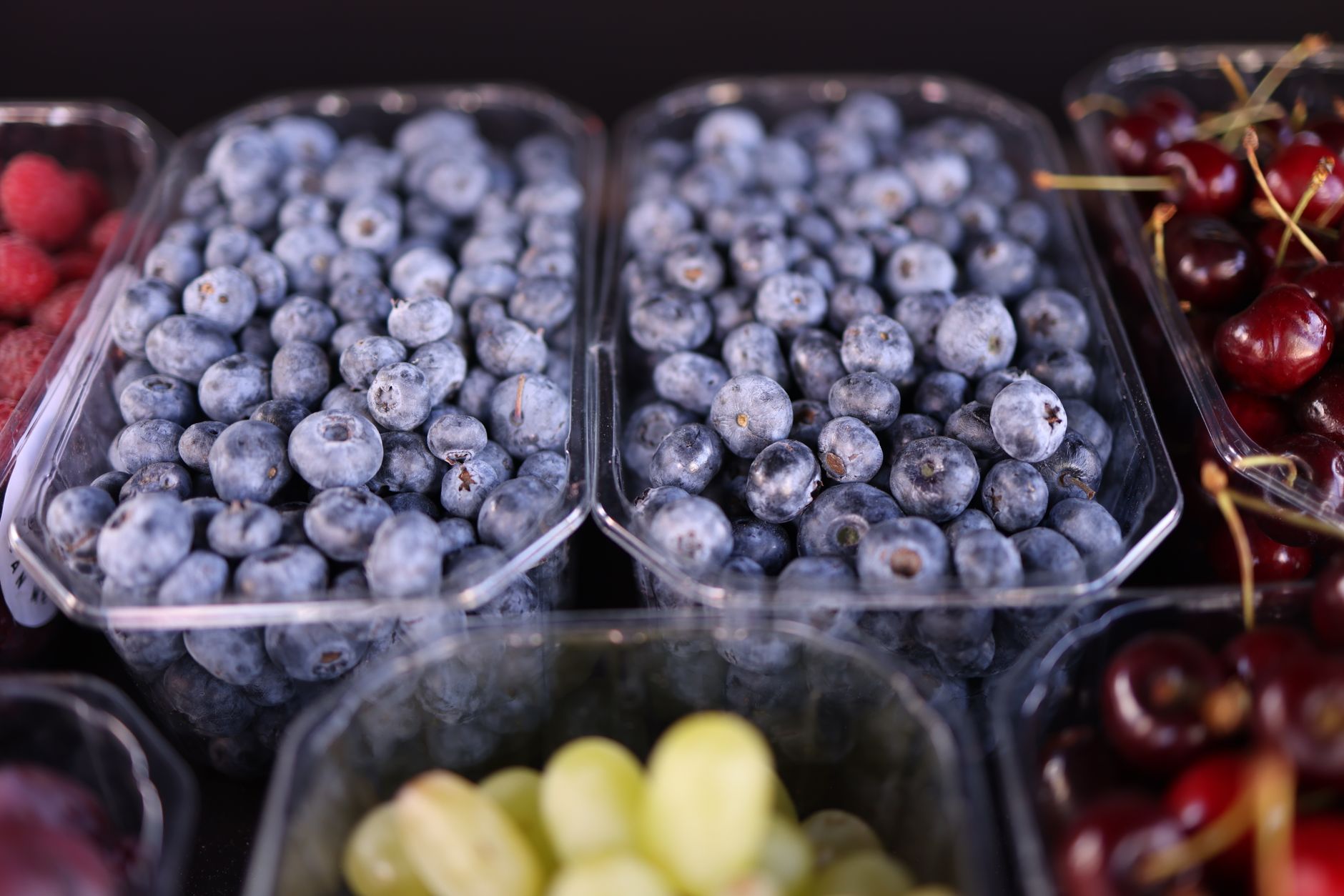
If youve ever pre-cut berries before storing them, thinking itll save you time when you want a quick snack, youre not alone. But heres a little-known truth: pre-cutting berries actually speeds up spoilage. This simple act exposes delicate fruit flesh, making the berries more vulnerable to moisture loss, mold growth, and fast decay. Understanding why pre-cutting berries reduces their freshness can help you save money and enjoy tastier, longer-lasting fruit.
Why Berries Spoil Faster
What Happens When Berries Are Cut Before Storage?
Pre-cutting berries damages their cell walls, which leads to moisture leaking out. This moisture loss makes the berries dry and shriveled more quickly than if they were left whole. The exposed fruit tissue also accelerates oxidationa chemical process that browns and breaks down the berrys natural compounds. Together these effects make pre-cut berries much more susceptible to spoilage.
Cutting exposes the juicy interior, which is an inviting environment for bacteria and fungi. These microorganisms thrive on the sugars released from the broken cells, causing mold to develop faster. According to food scientists, any time the protective skin of berries is breached, shelf life can be cut in half or worse.
How Moisture and Air Promote Mold
Berries naturally contain a high water content. When cut, the exposed surfaces let moisture evaporate unevenly, leaving some parts soggy and others dry. This uneven moisture creates pockets where mold spores easily take hold. Air exposure further encourages fungal growth as spores spread faster in oxygen-rich environments.
The texture also suffers. Soft spots develop quickly, ruining the berrys firm yet tender bite. The taste can become off, with fermentation giving a sour note as spoilage bacteria multiply at the cut edges.
Expert Insights into Berry Physiology and Spoilage
Scientists studying post-harvest fruit physiology explain that berries are especially fragile. Their thin skin protects delicate inner tissues, but once cut, this defense is lost. Research at agricultural universities emphasizes that intact skin reduces water loss by up to 70% and slows decay by limiting oxygen exposure.
Moreover, preserving berry freshness aligns with Halal food quality standards, ensuring the produce remains safe, wholesome, and free from contamination. For those focused on Halal-certified, health-conscious eating, handling and storing fruit the right way matters just as much as certification logos like JAKIM or IFANCA on packaged foods.
Mistakes & Myths About Pre-Cutting
Does Pre-Cutting Really Save Time?
Pre-cutting berries does offer short-term convenience, but the trade-off is your berries wont last. Instead of lasting 57 days after purchase, cut berries might spoil within 23 days, forcing you to toss out more than you eat. This results in more food waste and extra grocery trips.
So, is saving a few minutes upfront worth losing several days of shelf life? Most experts say no. Whole berries stored properly keep fresh longer, saving you time and money in the long run.
Will Washing Berries Before Cutting Help?
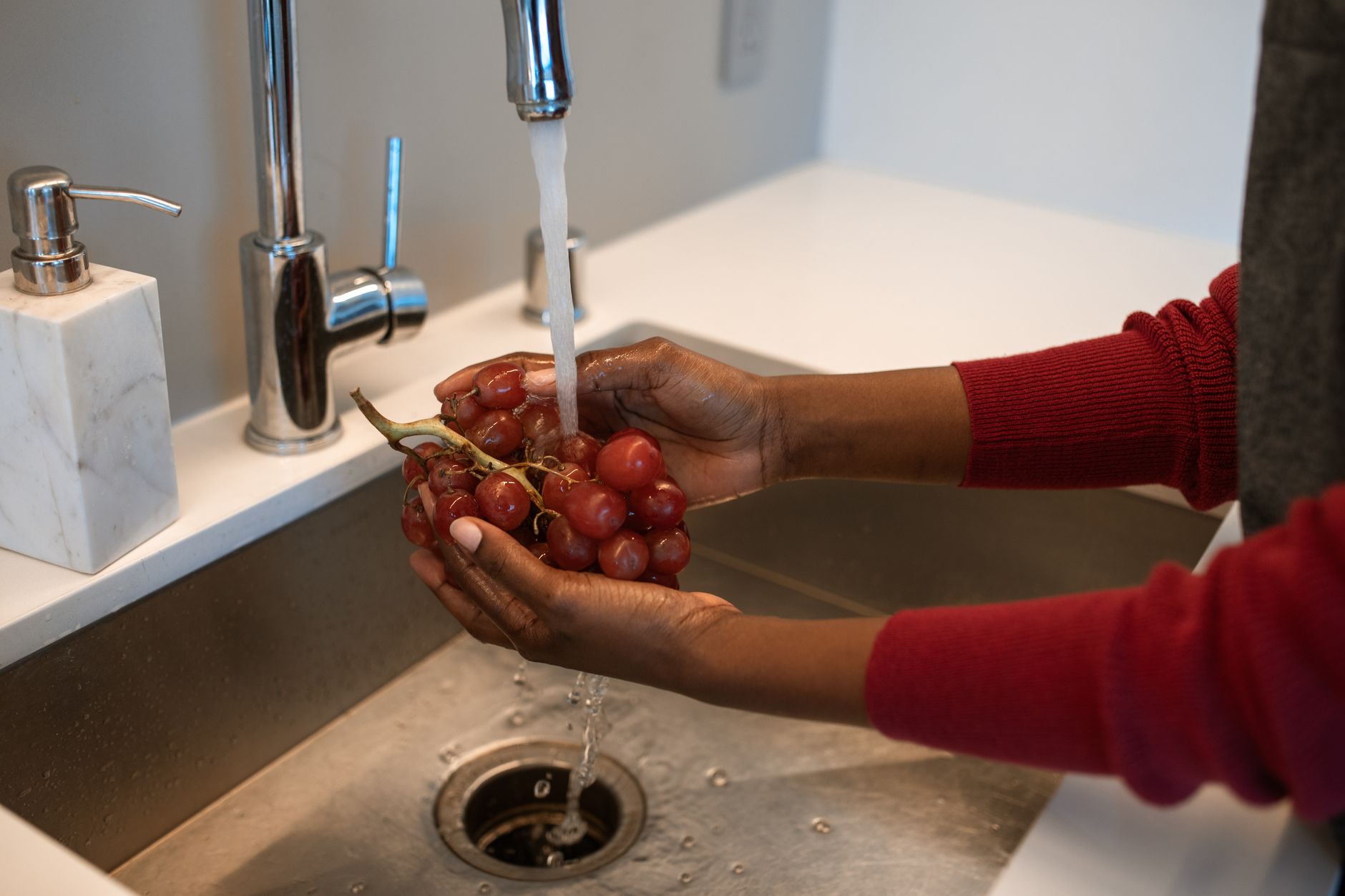
Rinsing berries before cutting can add unwanted moisture, which feeds mold growth. Its best to wash whole berries just before eating, rather than before storing or cutting. Water left on berry surfaces encourages faster decay, especially if combined with pre-cut fruit flesh vulnerable to microbes.
Why Do People Still Pre-Cut?
Many keep pre-cutting berries because it feels like a health hack or saves time for meal prep. Some want berries ready for smoothies, salads, or kids lunches. These are valid reasons, just so long as you plan to consume the berries quicklyideally within 24 hours.
Still, the risks of pre-cutting are rarely highlighted in popular advice. Anecdotal experience shows that store-bought pre-cut berries often carry a premium price but spoil very fast. Thats why understanding storage tips is key to avoiding disappointment.
Storing Whole Berries Properly
How to Store Whole Berries
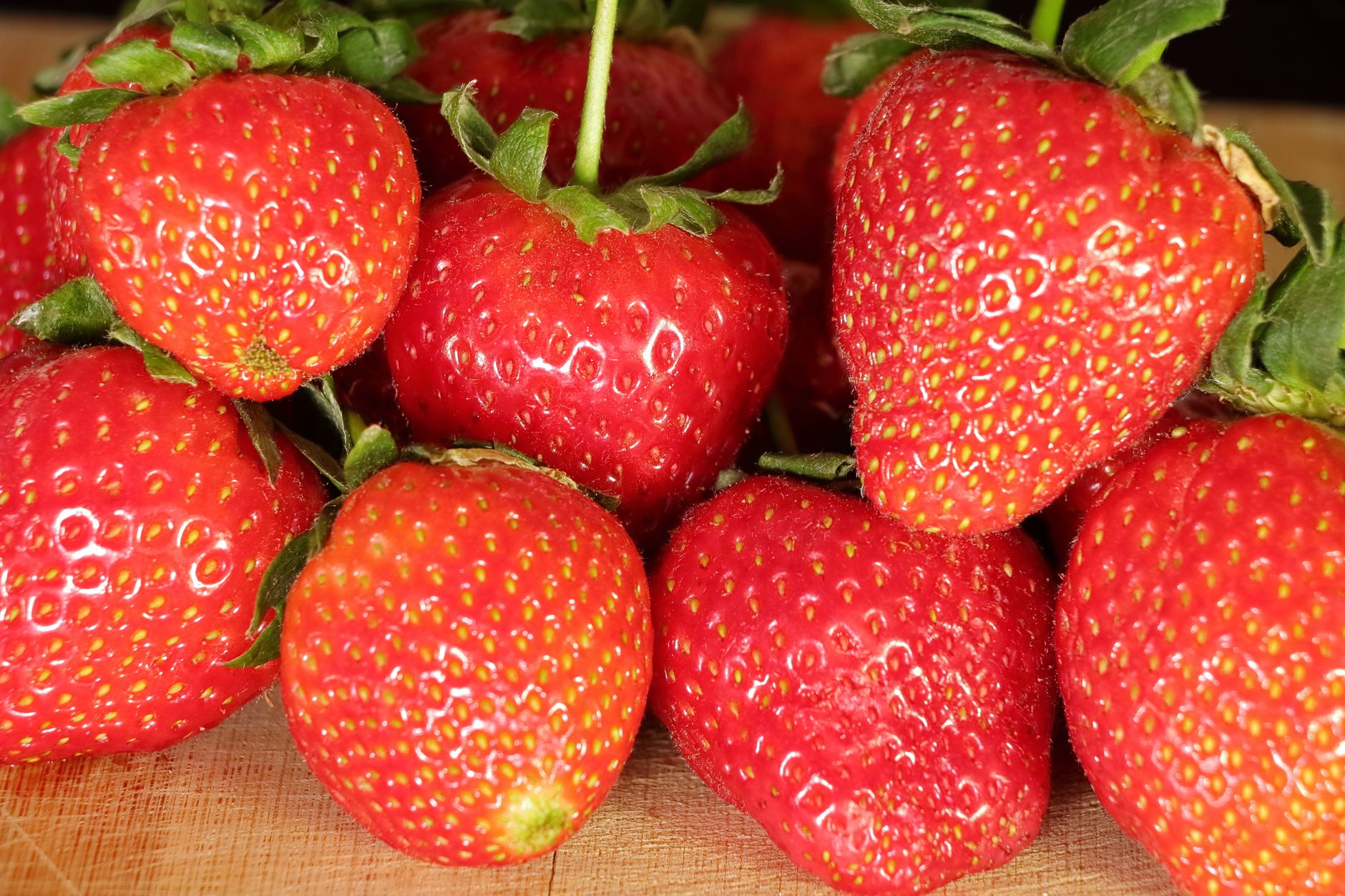
The best way to extend berry freshness is to keep them whole until you eat them. Store them in shallow containers lined with paper towels. This absorbs excess moisture and prevents mold from spreading.
Containers with vented lids or loosely closed plastic produce bags help air circulate without drying out berries. Keep them refrigerated between 32F and 36F (02C) for optimal storage. Avoid overcrowding berries to reduce bruising and moisture buildup.
Berry Storage Tips to Avoid Mold
- Remove damaged or moldy berries before storing to prevent spread.
- Line your storage container with dry paper towels and change them if damp.
- Do not wash berries before refrigeration; wash only when ready to eat.
- Use containers that allow airflow but limit contamination risk.
How to Wash Berries Correctly
Rinse berries in cold water gently, just before eating. Use a colander to let water drain. If you want to clean them more thoroughly, use a mixture of 1 part white vinegar to 3 parts water, soak for 1 minute, rinse immediately, and dry completely. This reduces surface bacteria and mold spores without soaking the fruit.
Storage Comparison
| Storage Method | Typical Shelf Life | Texture & Flavor |
|---|---|---|
| Whole, unwashed berries | 57 days refrigerated | Firm, sweet, and fresh |
| Whole, washed berries | 35 days refrigerated | Slightly softer, risk of mold |
| Pre-cut berries (not refrigerated properly) | 12 days | Soft, sour, moldy |
Top 5 Berry Storage Tips
- Keep berries whole until consumption.
- Store in single layers on paper towels.
- Refrigerate between 3236F for best freshness.
- Remove spoiled berries immediately.
- Wash just before eating to prevent added moisture.
When Pre-Cutting Berries Works
Practical Uses for Pre-Cut Berries
Pre-cutting berries makes sense when preparing foods that need immediate berry use such as smoothies, desserts, or kids lunchboxes. If you cut for same-day consumption, spoilage risk is minimal. Plan to consume pre-cut berries within 24 hours and keep them cold in airtight containers.
How to Minimize Spoilage When Pre-Cutting
- Cut berries just before use, ideally under chilled conditions.
- Store in airtight containers to reduce oxygen contact.
- Keep refrigerated at around 34F (1C).
- Use containers lined with paper towels to absorb moisture.
Expert Advice on Controlled Pre-Cutting
Food professionals recommend cutting berries as close as possible to eating, minimizing exposed surface area. Using specialized storage containers with humidity control settings can also slow mold growth, especially in commercial settings. For home use, simple airtight containers and immediate refrigeration are enough.
Preventing Mold and Spoilage
How to Spot Berry Spoilage
Look for soft spots, discoloration, fuzzy white or gray mold, and off smells. Spoiled berries lose their bright color and texture quickly. Eating moldy fruit can cause digestive issues, so toss any questionable berries immediately.
Natural Mold Prevention Tips
- Vinegar rinse (1:3 vinegar to water) before final washing.
- Proper airflow during storage to reduce moisture buildup.
- Keep berry containers dry and clean to avoid cross-contamination.
Storing Different Types of Berries
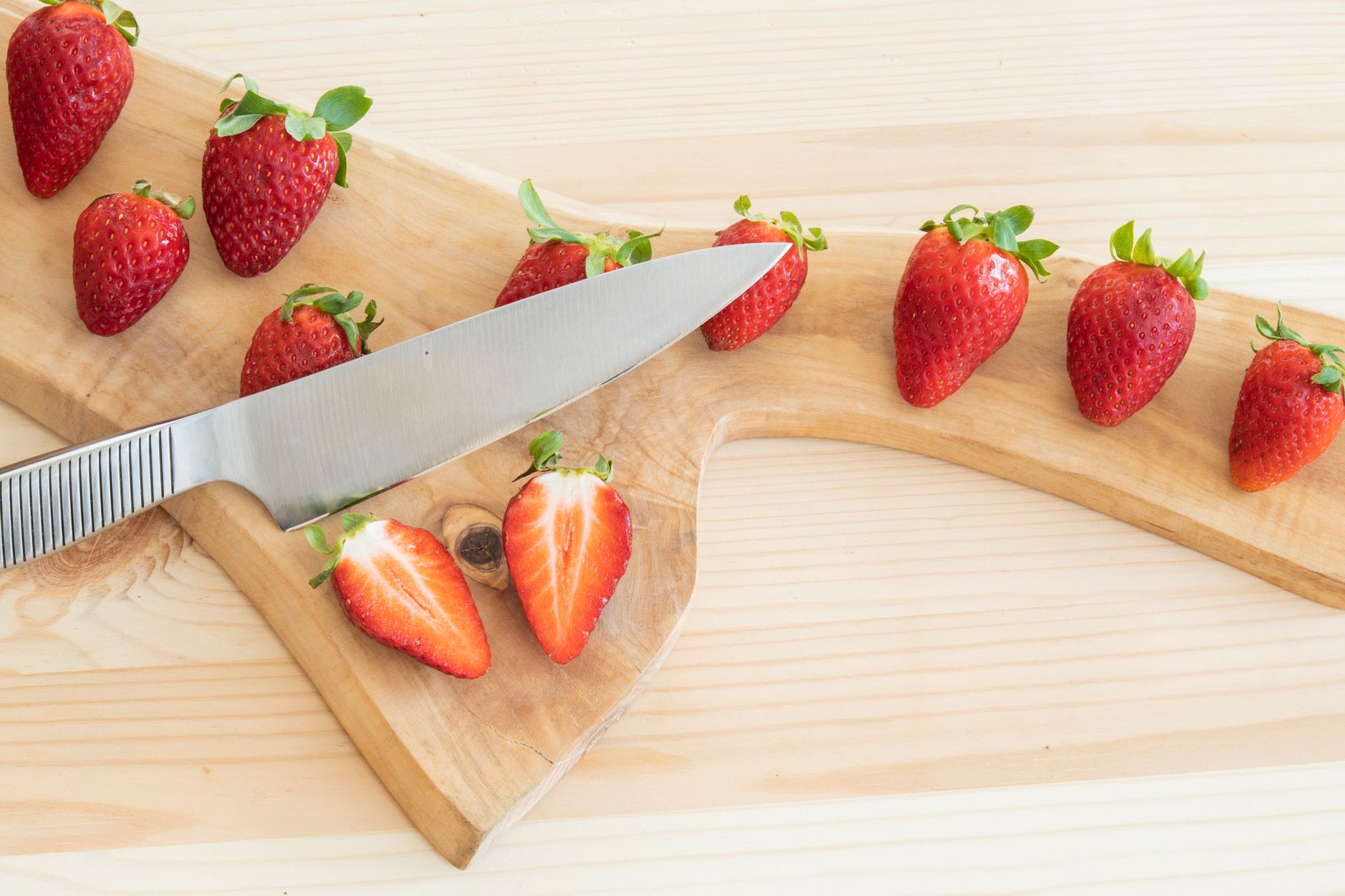
Strawberries have a higher water content and are more fragile. Store them in a single layer, removing caps only before eating. Blueberries are sturdier and last longer; keep them in vented containers. Raspberries are delicate and mold fastestconsume them within 23 days and store loosely in a shallow container.
Daily Berry Care Checklist
- Inspect and discard damaged berries.
- Do not wash until ready to eat.
- Store in appropriate container with airflow.
- Keep refrigerated at proper temperature.
- Consume ripe berries quickly.
If you love nutritious snacks, pairing fresh berries with 25 heart-healthy foods can boost your health effortlessly.
For desserts made with berries, the smooth texture of Greek yogurt frosting can complement their natural tartness beautifully.
Is Pre-Cutting Berries Actually Halal What Should I Check?
Since berries are naturally plant-based, they are inherently Halal. However, check if any processing or packaging involves non-Halal additives or cross-contamination. Look for trustworthy certifications like JAKIM or IFANCA on packaged berry products to ensure compliance with Halal standards.
When Is the Best Time to Eat Pre-Cut Berries?
The ideal time to eat pre-cut berries is immediately or within 24 hours of cutting. This minimizes exposure to air and bacteria that cause spoilage. Always keep them chilled and covered for best taste and safety.
How Long Do Whole Berries Last in the Refrigerator?
Whole berries generally last 5 to 7 days when stored properly in the fridge at 3236F. Some varieties like blueberries may keep slightly longer, while raspberries need faster consumption.
Is It Safe to Freeze Pre-Cut Berries?
Yes, freezing pre-cut berries is safe and preserves nutrients. Spread them in a single layer on a tray first to prevent clumping. Once frozen solid, transfer to airtight containers or freezer bags. They can last up to 6 months frozen.
What Are the Signs of Berry Mold?
Mold appears as fuzzy, white, gray, or greenish patches, often at berry edges or under the container lid. Moldy berries should be discarded immediately, as mold spores spread quickly and can cause health issues.
Does Washing Berries Longer Prevent Mold?
Extended washing does not prevent mold but may increase moisture retention and damage berry texture. A quick rinse or gentle vinegar soak followed by thorough drying is more effective.
How Can I Extend Shelf Life of Pre-Cut Berries?
Store pre-cut berries in airtight glass containers with paper towels to absorb moisture. Keep refrigerated at 34F and avoid overcrowding. Consuming within 12 days is crucial for best quality.
Are Organic Berries Less Prone to Spoilage?
Organic berries may have fewer chemical preservatives but spoil at roughly the same rate as conventional berries. Proper storage and handling remain the best ways to extend freshness regardless of organic status.
Conclusion
Pre-cutting berries before storage might seem like a quick way to save time, but it actually shortens their freshness and shelf life. Keeping your berries whole and storing them properly can preserve their flavor and texture for up to a week. Next time you pick up berries, remember these tips and enjoy your fruit at its best. Feel free to share your own berry storage experiences belowwed love to hear your tips and tricks!
FAQs
Is pre-cutting berries actually Halal — what should I check on the label?
Berries themselves are naturally Halal as plant-based foods. However, check packaging for possible non-Halal additives or cross-contamination. Look for trusted Halal certifications like JAKIM or IFANCA to ensure compliance with Halal standards.
How long do pre-cut berries last after opening?
Pre-cut berries generally last up to 24 hours if kept refrigerated and stored properly in airtight containers. Beyond that, their shelf life drops significantly due to faster mold and bacterial growth.
What is the difference in shelf life between whole and pre-cut berries?
Whole berries typically last 5 to 7 days refrigerated, while pre-cut berries spoil within 1 to 2 days. Pre-cutting exposes the fruit to moisture loss and mold, dramatically reducing freshness.
Is it safe to eat berries daily, and how should I store them for best safety?
Yes, eating berries daily is safe and healthy. Store them whole in the refrigerator between 32°F and 36°F, avoid washing before storage, and consume within a week for optimal freshness and safety.
Where can I buy fresh, Halal-certified berries?
Fresh berries can be purchased at grocery stores, farmers’ markets, and specialty food shops. For Halal-certified options, check labels in stores with Halal sections or order online from reliable Halal-certified produce suppliers.