Fitting parchment paper can feel tricky when youre trying to line a pie pan or a baking tray neatly. If the paper wrinkles, folds, or bunches up, it can ruin your crusts texture or cause uneven baking. But with a few simple hacks, you can master fitting parchment paper easilywhether youre blind baking a pie crust or preparing your pan for cookies or cakes. This guide shares a trusted method to get that parchment paper to fit snugly, reduce mess, and make cleanup easier.
Why Fit Matters
Getting parchment paper to fit properly isnt just about neatness. When you fit parchment paper smoothly into your pan, it creates an even, non-stick surface that protects your bake. For pies, especially during blind baking, this helps avoid dough tearing or shrinking too much. The paper keeps pie weights evenly distributed, ensuring consistent heat transfer and preventing soggy or overcooked edges.
Poor fitting parchment paper can cause folds that create hot spots or allow dough to stick. This may lead to uneven browning or cracks, which are frustrating because they affect your bakes appearance and texture. Professional bakers often stress the importance of neat parchment lining because it influences how delicately the dough handles heat without burning or drying out.
Martha Stewarts Parchment Paper Hack
One great hack for fitting parchment paper comes from Martha Stewarts kitchena simple cutting and folding technique that fits parchment into round pans with ease. This method helps avoid wrinkles and gaps that can cause blind baking issues.
Tools Needed for Fitting Parchment Paper
- Round pie pan or baking dish
- Sheet of parchment paper
- Sharp scissors or kitchen shears
- Pie weights or dried beans (optional, for blind baking)
Choosing good quality baking parchment is important too. Look for a clean, grease-resistant paper that holds up well to heatsome brands even specify oven safe to 450F. Certified Halal parchment may sometimes be available, especially from trusted sources serving Halal bakeries.
Step-by-Step Instructions
The trick is to cut the parchment into a circle slightly larger than your pan, then make strategic slits so it folds neatly without bunching.
- Place the pie pan upside down on the parchment paper and trace a circle about 2 inches larger all around.
- Cut out the circle with scissors.
- Make 4 to 6 evenly spaced straight cuts from the edge toward the center, stopping about 1.5 inches from the middle.
- Fold back every other section slightly, like folding petals backward, so the parchment fits inside the pan without overlapping wrinkles.
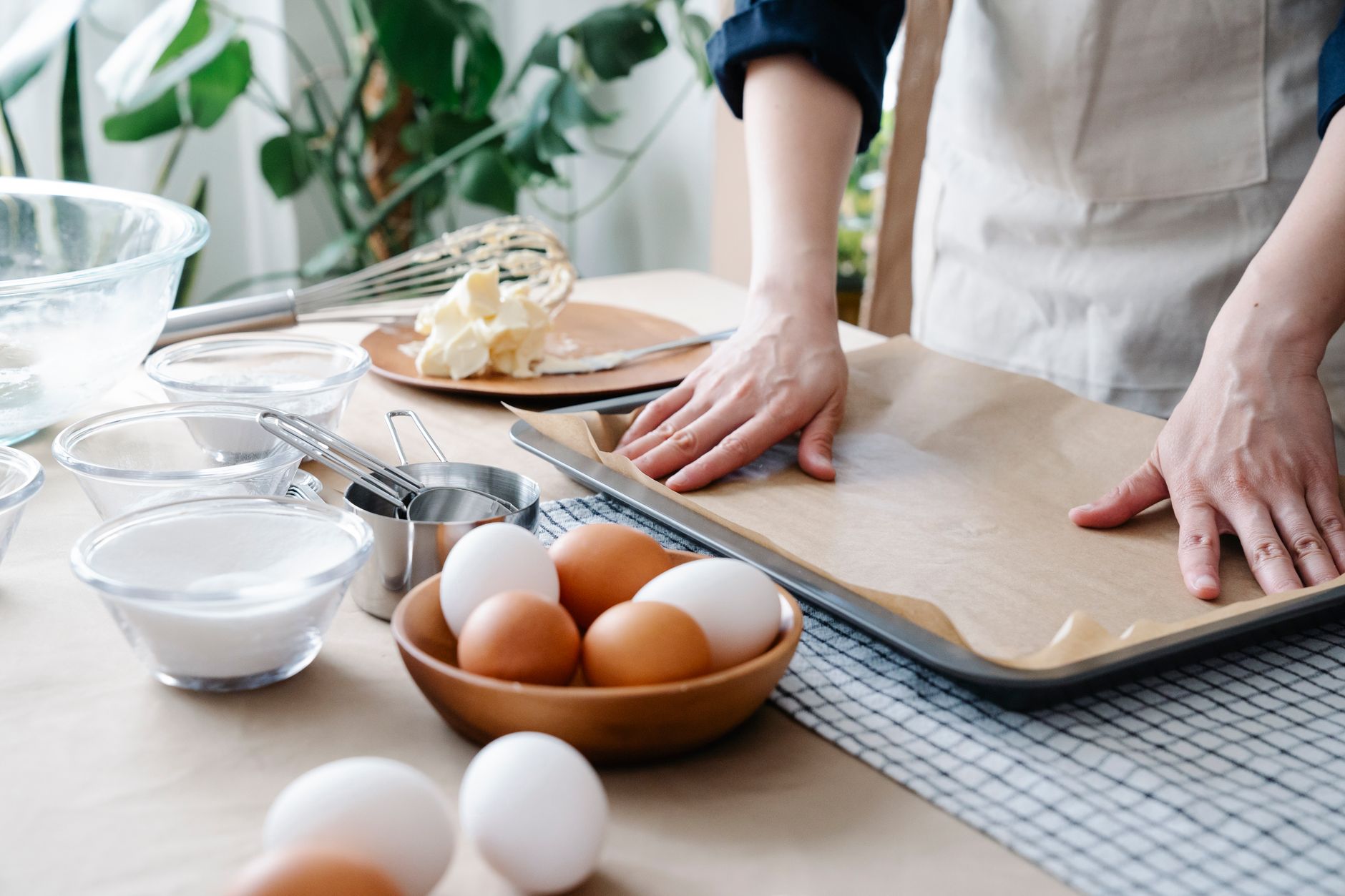
- Gently press the parchment into the sides and bottom, smoothing any air pockets.
- Fill with pie weights or dried beans if blind baking.
This technique matches the pans curves closely and keeps the parchment taut. Its better than simply crumpling or loosely fitting the paper, which causes folds that redirect heat unevenly.

Blind Baking Tips for Perfect Crust
Proper fitting parchment paper is just one small part of a successful blind bake. When combined with the right tools and timing, your pie crust bakes evenly and crisply.
Using Weights Effectively
Place ceramic pie weights, dried beans, or rice inside the parchment to hold dough in place during baking. The weights prevent the dough from puffing up and shrinking. Avoid direct contact between weights and dough by using the parchment liner as a barrierit helps keep the crust surface dry and crack-free.
Baking Times & Temperatures
Most blind baking requires a preheated oven at about 375F. Bake the crust with weights for 15 to 20 minutes, then remove weights and parchment. Bake an additional 5 to 10 minutes until the crust edges turn golden brown. This staged approach ensures the base cooks through without burning edges.
Common Mistakes
- Not trimming excess dough, causing it to overhang and burn.
- Skipping chillingcold dough holds shape better during blind baking.
- Using parchment that wrinkles or tears, resulting in uneven heating.
- Applying eggs wash too early, which can soak rather than seal dough.

Personal Baking Experience
After struggling to keep parchment paper neat in my pie pans for months, I decided to try Martha Stewarts hack. It transformed my pie crusts instantlyno more lifting corners or pulling wrinkles. The crusts baked evenly, and cleanup was a breeze. I also tried it with various pan sizes and shapes, and the simple cut-and-fold method always worked.
Even small bakeries, such as Porto‘s bakery, emphasize attention to detail like this in their baking prep. A well-fitted parchment lining is a small step that delivers professional-looking results at home.
Fitting Parchment Paper FAQs
What if my parchment paper tears or wrinkles during fitting?
Tears can be patched by gently folding a small overlapping piece underneath. Wrinkles sometimes happen if the paper is too small or dry. Try freshness-tested, high-quality parchment paper designed for baking to reduce crinkles. Cutting slightly larger circles than the pan helps smooth fit.
Can I reuse parchment paper for blind baking?
Reusing parchment paper is possible but not recommended for blind baking since it may have absorbed oils or moisture, reducing non-stick performance. Always use fresh parchment for the best protection and even baking results, especially for delicate pie crusts.
Is foil a good substitute for parchment paper?
Foil can line pans but behaves differently under heat. It doesnt prevent sticking as effectively as parchment and transfers heat unevenly. For blind baking, parchment remains the preferred choice to avoid crust tearing and burning.
How do I fit parchment paper in square or odd-shaped pans?
For square pans, cut the parchment into rectangles slightly larger than the pan. Crease and fold the corners for a snug fit. Odd-shaped pans require measuring the base and sides, then making small cuts to fold the paper along edges. The goal is a flat, wrinkle-free liner that fits all corners.
What temperature limits should I consider with parchment paper?
Most baking parchment is safe up to 420F to 450F. Beyond that, it may scorch or catch fire. Always check packaging for recommended oven temperatures to ensure safe use, especially with high-heat recipes.
Are there Halal-certified parchment papers?
While parchment paper itself is plant-based and generally Halal, you can look for brands certified by recognized bodies such as JAKIM or HMC to ensure no cross-contamination during processing. This is useful for strict Halal kitchens prioritizing all certified ingredients.
Can I use parchment paper for roasting as well?
Yes, parchment is excellent for roasting vegetables or fish, providing a non-stick surface and easy cleanup. Avoid heavy dripping or open flames, as parchment is not flame-resistant.
Additional Baking Tips
For your best results, always chill your pie dough for at least an hour before rolling. Cold dough shrinks less and holds shape better during blind baking. Docking (pricking the dough with a fork) can reduce bubbles but isnt always necessary if using pie weights properly.
When it comes to the crust finish, brushing edges lightly with egg wash or melted butter before baking can add a golden, tender touch. Small steps like these, combined with a well-fitted parchment paper liner, elevate your baking.
If you‘d like to explore more artisan bakeries that emphasize quality baking, check out Holtermann‘s bakery for inspiration on managing dough and techniques.
Pro Baking Tips
- Use scissors instead of knives for clean, precise parchment cuts that prevent tearing.
- If you bake often, invest in high-quality, chlorine-free parchment paper for a safer, purer bake.
- Store parchment in a cool, dry place to avoid brittleness that causes cracks and folds.
Most Overlooked Mistake
Skipping the step of cutting and folding your parchment paper to fit your specific pan size. Many bakers simply crumple or fold without trimming, causing uneven heat distribution and dough sticking.
Expert Upgrade
If you want to perfect the neatness, lightly grease your pan before fitting the parchment. This helps the paper adhere slightly, preventing shifting during dough placement or baking.
Try Fitting Parchment Paper Yourself
Mastering fitting parchment paper is a small change with big payoff in baking success. Next time you prepare a pie or tart, try this simple cutting and folding hack. Your crust will thank you with perfect rise and texture, and cleanup will be smoother.
Curious how it looks in action? Search for videos demonstrating this method inspired by Martha Stewarts kitchenseeing it unfold makes it easier to replicate.
Now that you know how easy it is to fit parchment paper perfectly, try it out and share your results. Whats your favorite pie or tart to bake with this trick? Let us know in the comments!
FAQs
Is fitting parchment paper actually Halal — what should I check on the label?
Parchment paper is generally Halal as it is plant-based. Check for certifications from recognized bodies like JAKIM or HMC on the packaging to ensure no cross-contamination during processing, especially for strict Halal compliance.
How long can I store parchment paper after opening?
Store parchment paper in a cool, dry place to keep it fresh. When stored properly, it can last for several months without becoming brittle or wrinkled, ensuring optimal performance for baking.
What’s the difference between parchment paper and aluminum foil for baking?
Parchment paper provides a non-stick, even heat surface ideal for baking, while aluminum foil can cause uneven heat transfer and may stick to dough. Parchment is preferred for blind baking and delicate crusts.
Is it safe to use parchment paper daily in baking?
Yes, parchment paper is safe for daily use within recommended oven temperatures (usually up to 420-450°F). Always check the packaging to prevent scorching or fire risks during high-heat baking.
Where can I buy high-quality or Halal-certified parchment paper?
High-quality parchment paper, including Halal-certified options, can be found in specialty baking supply stores, online marketplaces, and halal grocery stores. Look for trusted brands with clear certification labels.