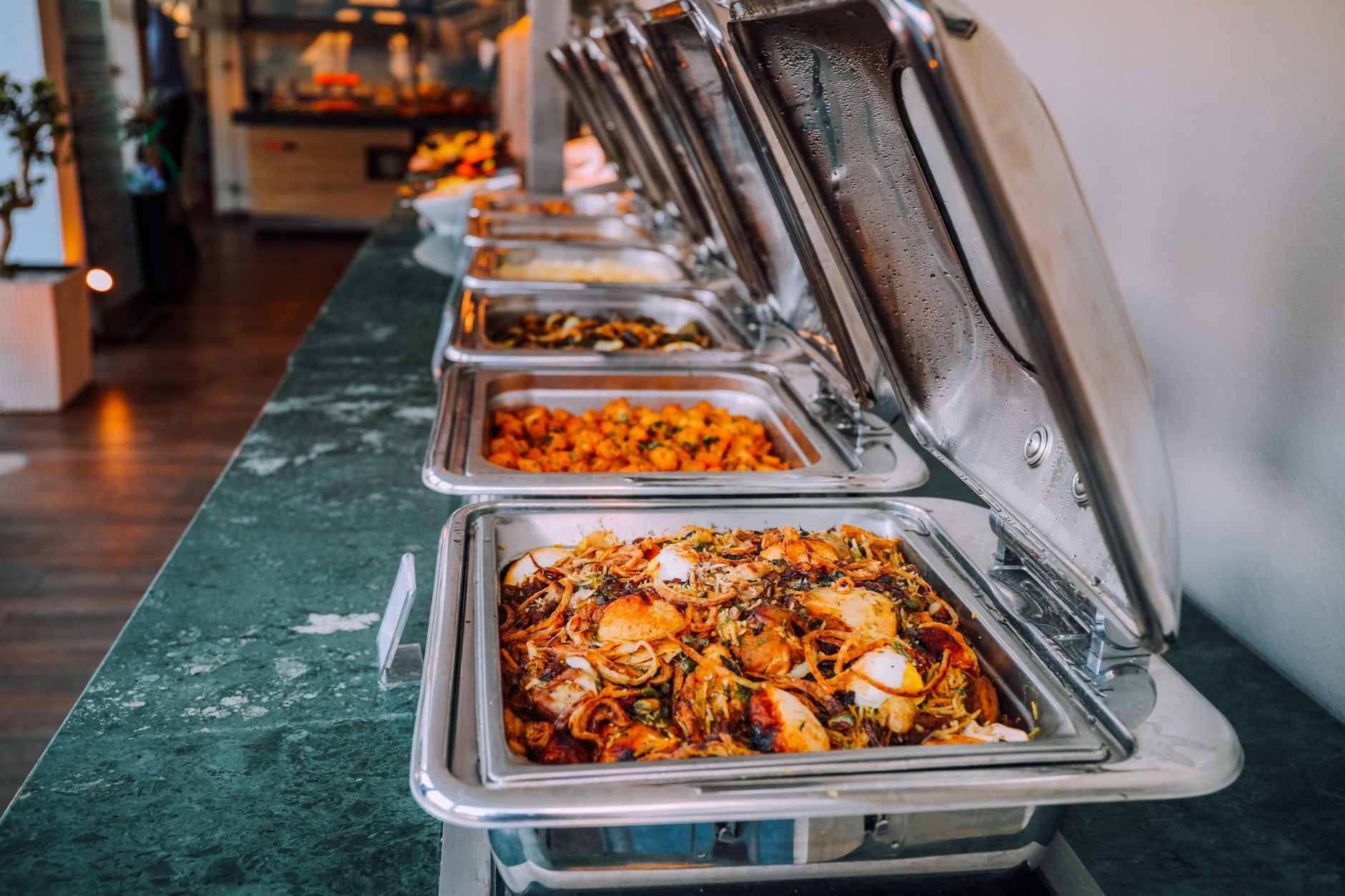
Canned cheeseburgers sound like a novelty, but they are a real, shelf-stable food product designed for convenience and long-term storage. Unlike a fresh burger, the canning process sterilizes the contents so they stay safe to eat for years without refrigeration. You might be curious how a soft bun and melted cheese survive inside a metal can. The answer involves a mix of clever packaging, pressure cooking, and sometimes a bun that is more like a biscuit or compressed bread.
In this guide, we will walk you through how canned cheeseburgers are made, what they taste like, and what to look for when buying them. Whether you are stocking an emergency kit or just curious about this unusual product, you will get practical advice you can trust.
What Exactly Are Canned Cheeseburgers?
What makes a cheeseburger "canned"?
A canned cheeseburger typically contains a cooked meat patty, a slice of cheese (often processed), and a bread component sometimes a soft bun-style cake, sometimes a dense biscuit. The whole assembly is sealed in a metal can with an inert gas or vacuum, then heated under pressure to kill bacteria. According to USDA canning guidelines, the internal temperature must reach 250F for a specific time to achieve commercial sterility.
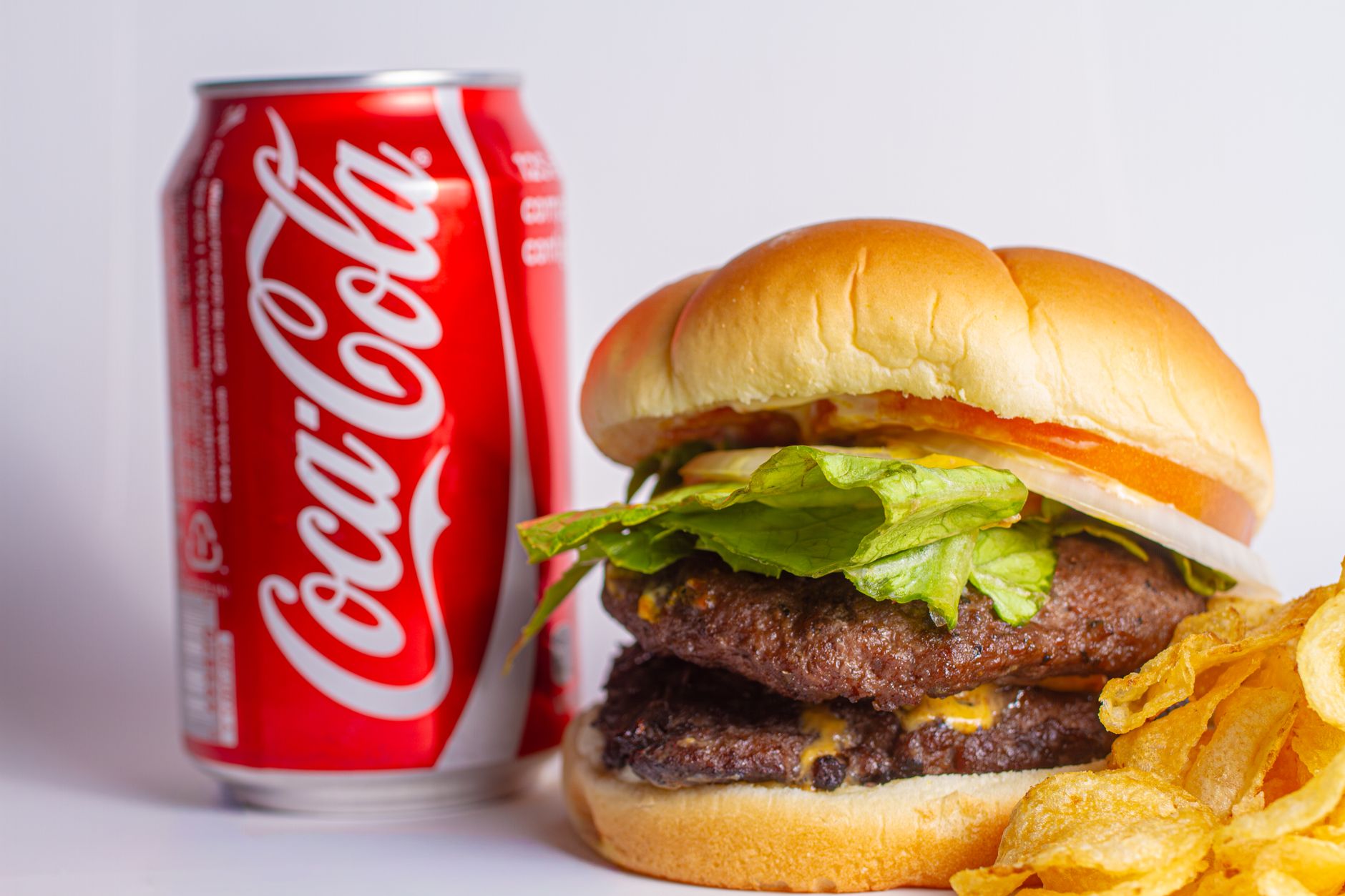
How is the shelf stability of canned cheeseburgers achieved?
The key is the combination of heat, pressure, and an airtight seal. First, the burger ingredients are placed in the can with a small amount of liquid or sauce. The can is then sealed and placed in a retort a high-pressure steam cooker. This process destroys microorganisms and enzymes that cause spoilage. The result is a product that stays safe for 25 years at room temperature, as long as the can remains undamaged.
Comparison table: Canned cheeseburgers vs. fresh and frozen cheeseburgers
| Aspect | Canned Cheeseburger | Fresh Cheeseburger | Frozen Cheeseburger |
|---|---|---|---|
| Shelf life (unopened) | 25 years | 12 days refrigerated | 36 months |
| Nutritional value | Moderate higher sodium, lower vitamin content | Fresh ingredients, more nutrients | Similar to fresh if not heavily processed |
| Taste and texture | Soft bread, dense meat, mild flavor | Juicy, crisp, fresh | Good with proper reheating |
| Storage requirements | Room temperature, dry | Refrigerated | Frozen |
What Does Eating a Canned Cheeseburger Actually Feel Like?
How does the taste and texture compare to a traditional cheeseburger?
First-time tasters often describe the texture as "soft" and "uniform." The bun is not crispy; it has a cake-like or bread-pudding consistency because it absorbs moisture during canning. The meat patty is usually fine-textured and mild in flavor, similar to a pt or a canned meat product. The cheese melts into a creamy layer. Overall, it is less greasy than a fresh burger, but also less satisfying for those who love a char-grilled taste.
Are canned cheeseburgers ready to eat or require preparation?
Most brands are fully cooked and ready to eat cold, straight from the can. However, heating improves the experience. You can warm the unopened can in hot water for 510 minutes, or transfer the contents to a skillet and heat on medium for 34 minutes. Never microwave the metal can. Always check the brands instructions because some recommend removing the burger from the can before heating.
Benefits and Uses of Canned Cheeseburgers
These products shine in situations where fresh food is unavailable. Emergency preparedness kits, camping trips, military rations, and car travel are ideal use cases. They require no cooking, take up minimal space, and provide a familiar comfort food in a stressful situation. For those who want a quick meal without refrigeration, canned cheeseburgers are a practical option.
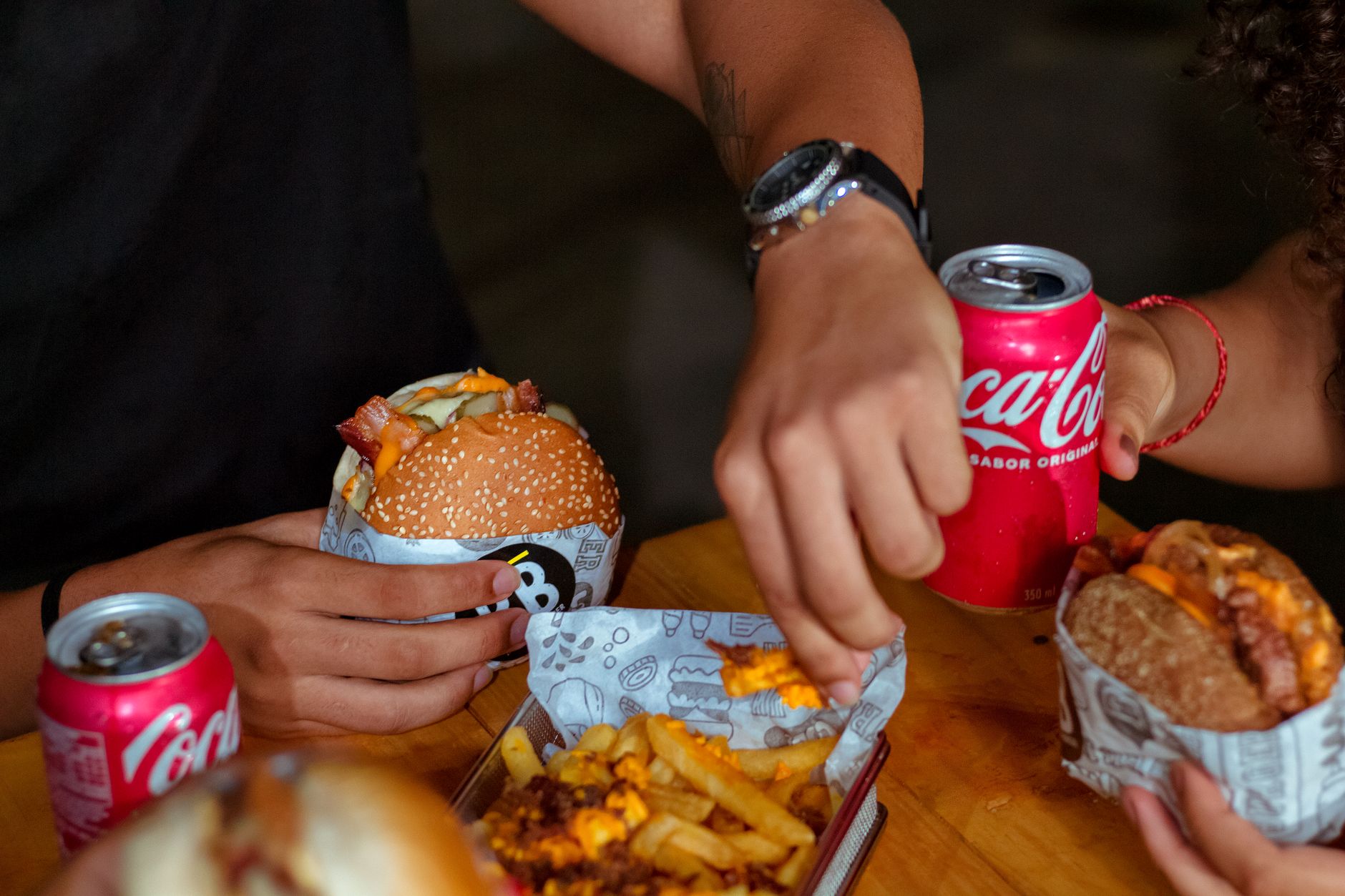
What situations are canned cheeseburgers best suited for?
Beyond emergencies, they can be a novelty snack or a backup meal for busy weeknights. Some people pack them in lunchboxes when a microwave is not available. They are also lightweight enough for hiking, though you must carry the weight of the can. If you are looking for other convenient meal options, you might also explore our review of Captain d‘s meals, which offer similar shelf-stable convenience.
Nutritional considerations: Are canned cheeseburgers healthy?
According to the USDA FoodData Central, a typical canned cheeseburger (100g serving) contains about 250300 calories, 1518g fat, and 420600mg sodium. They are not a health food they are processed, high in sodium, and low in fresh vegetables. However, they provide protein and energy. For a balanced diet, pair them with a side of fruit or a salad. If you are following a Halal diet, you need to check the certification carefully, which we cover below.
Potential Risks and Drawbacks to Consider
What are the health risks of consuming canned cheeseburgers regularly?
Frequent consumption can lead to high sodium intake, which may raise blood pressure. Some cans may contain BPA lining, though many brands now use BPA-free materials. Additionally, the processed meat may contain preservatives like sodium nitrite. Spoilage can occur if the can is dented or rusted always inspect the can before opening.
How do canned cheeseburgers fit into a balanced diet?
Treat them as an occasional convenience item, not a daily staple. Use them when fresh food is unavailable, and supplement with fresh fruits, vegetables, and whole grains. If you also rely on other processed foods like Nestle prepared foods, be mindful of overall sodium and preservative levels.
How to Choose a Canned Cheeseburger: Label Reading and Buying Tips
When shopping for canned cheeseburgers, look beyond the price. Here is a step-by-step guide to reading the label:
- Ingredient order: The first ingredient should be beef or chicken (depending on the product). Avoid brands where water, fillers, or soy protein appear first.
- Sodium threshold: Choose options with less than 500mg sodium per serving. Higher amounts indicate heavy processing.
- Certification logos: For Halal, look for JAKIM, IFANCA, or HMC logos. The product must state "Halal" or "Certified Halal" on the front.
- Misleading claims: "All natural" does not guarantee low sodium or no preservatives. Always check the Nutrition Facts panel.
Buyer‘s Checklist Table
| Certification | Price Range | Common Formats | Shelf Life | Key Allergens |
|---|---|---|---|---|
| JAKIM, IFANCA, HMC | $3 $6 per can | Single serving (710 oz), multi-pack | 25 years (unopened) | Wheat (gluten), milk (cheese), soy |
Pro Tips for Buying Canned Cheeseburgers
The most overlooked mistake is ignoring the bun texture some brands use a dense, biscuit-like bread that crumbles when heated, while others have a soft sponge that holds up better. Cheap versions often disappoint because they use low-quality meat trimmings and excessive fillers, resulting in a mushy texture. An expert tip: look for cans that specify "premium" or "all-beef" on the label, and check reviews online for taste comparisons.
Is canned cheeseburgers actually Halal what should I check?
Not all canned cheeseburgers are Halal-certified. Look for a clear Halal logo from a recognized body like JAKIM (Malaysia), IFANCA (USA), or HMC (UK). Also check the ingredient list for any non-Halal items such as gelatin (likely pork-based) or alcohol-based flavorings. If the package does not state "Halal" explicitly, avoid it unless you contact the manufacturer. Some brands produce Halal versions specifically for Muslim markets, but they are not always widely available.
Can canned cheeseburgers be stored for years?
Yes, unopened cans can last 2 to 5 years if stored in a cool, dry place away from direct sunlight. Check the "best by" date on the bottom. After opening, consume within 23 days if refrigerated. Do not use a can that is bulging, leaking, or heavily rusted those signs indicate possible spoilage or bacterial growth.
Are canned cheeseburgers safe for all age groups?
They are generally safe for healthy adults and older children. However, due to high sodium and processed ingredients, they are not recommended for infants, toddlers, or people with high blood pressure or kidney issues. Elderly individuals should consume them in moderation.
Can you customize or DIY canned cheeseburgers at home?
Home canning of meat products is possible but requires a pressure canner and strict adherence to USDA safety guidelines. Never try to water-bath can meat it is not safe. If you are experienced in pressure canning, you can prepare your own burger patties and add broth, but the bun will not survive the process. Most people find it easier to buy commercially canned versions.
What are the most common flavor varieties?
Basic cheeseburger (beef with American cheese) is the most common. Some brands offer bacon cheeseburger, jalapeo cheeseburger, or chicken-based versions. Spicy options are also growing in popularity. Read the label to find halal-certified varieties.
How should I heat a canned cheeseburger for the best taste?
For best results, remove the burger from the can and place it on a skillet over medium heat. Cook for 3 minutes on each side, or until the cheese starts to melt and the bun becomes slightly crisp. Avoid overcooking because the meat is already cooked. Alternatively, you can heat the unopened can in simmering water for 810 minutes.
Are there any vegetarian or plant-based canned cheeseburgers?
Very few exist currently. Most canned cheeseburgers use real meat. However, some Asian brands have started producing canned veggie burger patties. Check the package for "vegetarian" or "plant-based" labels. Halal certification for plant-based products often follows the same standards regarding cross-contamination.
Conclusion
Canned cheeseburgers are a fascinating solution for long-term food storage and emergency use. They work through a retort canning process that sterilizes the burger and keeps it shelf-stable for years. While they cannot replace a fresh-cooked cheeseburger, they offer undeniable convenience when you need a quick, ready-to-eat meal. If you decide to buy one, check the Halal certification, read the ingredient list carefully, and use the buyer‘s checklist we provided. Next time you spot a canned cheeseburger on the shelf, you will know exactly what you are getting and whether it fits your needs.
More You Might Like
If you found this guide helpful, you might also enjoy our article on Captain d‘s meals, which explores another range of shelf-stable seafood options. Or check out our review of Nestle prepared foods for more convenient meal solutions.
FAQs
Is Canned cheeseburgers actually Halal — what should I check on the label?
Not all canned cheeseburgers are Halal-certified. Look for a clear Halal logo from JAKIM, IFANCA, or HMC. Check the ingredient list for non-Halal items like pork gelatin or alcohol-based flavorings. If the package does not state “Halal” explicitly, contact the manufacturer or avoid it. Some brands produce Halal versions for Muslim markets.
How long can you keep a canned cheeseburger after opening?
Once opened, consume the canned cheeseburger within 2–3 days if kept refrigerated. Store it in a sealed container. Do not leave it at room temperature for more than 2 hours. Discard any leftover that smells off or shows mold. Unopened cans last 25 years when stored in a cool, dry place.
How does a canned cheeseburger differ from a fresh cheeseburger?
A canned cheeseburger has a soft, cake-like bun and a dense, mild-flavored patty similar to canned meat. It is less juicy and lacks the char-grilled taste of a fresh burger. It requires no refrigeration and has a shelf life of up to 25 years, whereas a fresh burger lasts only days in the fridge.
Are canned cheeseburgers safe to eat every day?
No, daily consumption is not recommended. Canned cheeseburgers are high in sodium (up to 600mg per serving) and contain processed ingredients. Frequent intake may increase blood pressure risk. They are meant for occasional use, such as emergency kits or camping. Pair with fresh fruits or vegetables for a balanced diet.
Where can I buy canned cheeseburgers?
Canned cheeseburgers are available online from retailers like Amazon, emergency food suppliers, and some specialty grocery stores. Look for them in the canned meat or emergency preparedness aisle. Always verify Halal certification on the label before purchasing. Prices typically range from $3 to $6 per can.