If youve ever stared blankly at the grocery stores root vegetable section wondering about differences between turnips vs rutabagas, youre not alone. These two vegetables often get mixed up because they look somewhat similar, but their flavors, textures, and cooking uses vary quite a bit. Knowing the distinctions can elevate your cooking and help you pick the right veggie every time. Plus, if youre careful about your diet or Halal-certified foods, understanding their nutrition matters too.
What Exactly Are Turnips and Rutabagas?
Turnips and rutabagas both belong to the brassica family, closely related to cabbage and broccoli. Despite this common lineage, they have different origins and characteristics that set them apart. Turnips (Brassica rapa) are smaller and have been cultivated widely in many parts of the world. Rutabagas (Brassica napus) are actually a cross between a cabbage and a turnip, often bigger and sweeter. Lets look more closely at each.
Basic Characteristics of Turnips
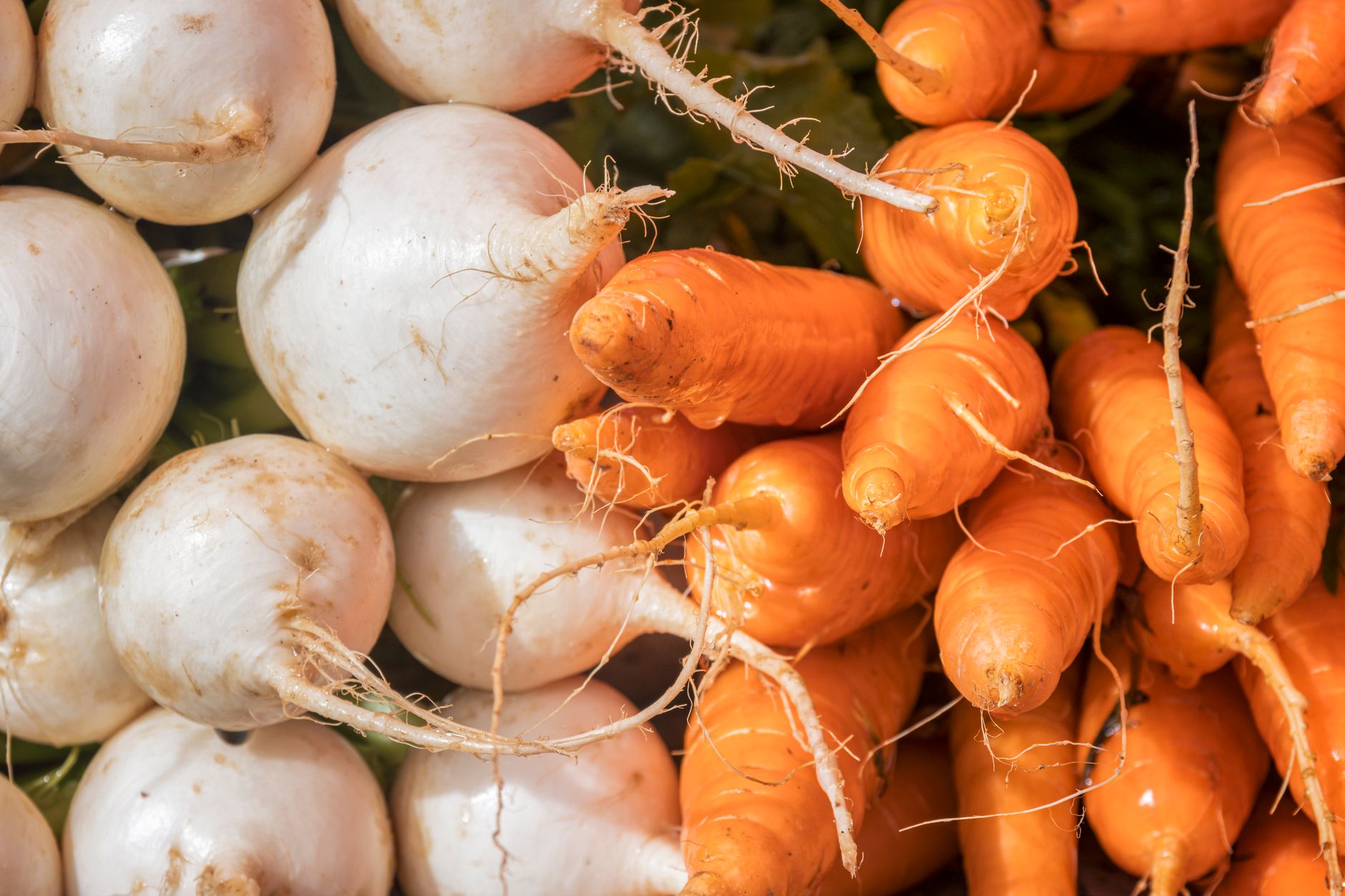
Turnips typically range from 2 to 4 inches in diameter. They tend to be round or slightly flattened with smooth skin. Their coloration can vary from white with purple tops to just pale white or cream. The greens above ground are edible too and popular in many traditional recipes. Their flavor carries a mild peppery, slightly spicy bite. Turnips thrive best in cooler climates and are generally harvested in fall and early winter, making them a great seasonal choice during these months.
Basic Characteristics of Rutabagas
Rutabagas are noticeably larger about two to three times the size of turnips with a bulbous shape and rough, thick skin thats usually yellowish with purplish tones near the top. They have denser flesh and a sweeter, earthier flavor compared to turnips. Rutabagas mature in colder weather, often harvested after the first frost which enhances their natural sweetness. Because of this, rutabagas store well in cold conditions and last longer than turnips.
Taste and Culinary Uses
How Does Turnip Taste Differ from Rutabaga?
The taste difference between these vegetables is key. Turnips offer a fresher, sharper flavor, often described as peppery or mildly spicy, especially when eaten raw. They have a crunchy texture and can sometimes have a slight bitterness depending on freshness.
Rutabagas, on the other hand, provide a sweeter, earthier taste with a buttery undertone. Their texture is denser and starchier, which makes them excellent for softer cooking methods that coax out their natural sweetness.
Cooking Methods Best for Turnips
Turnips shine when roasted, mashed, or pickled. Roasting brings out their delicate sweetness while maintaining some crispness if done right. Mashing turnips with a bit of butter and garlic creates a lovely alternative to potatoes. Pickling raw or lightly cooked turnips balances their sharper bite with tangy acidity, making for a great snack or condiment.
They pair well with flavors like fresh herbs (thyme, rosemary), garlic, and bold cheeses. Because of their slightly spicy taste, they add a nice contrast when paired with sweeter vegetables or meats like lamb and chicken.
Cooking Methods Best for Rutabagas
Rutabagas are perfect in hearty stews, soups, and roasts thanks to their sweetness and firm texture. They mash beautifully into creamy side dishes or roast well with root vegetable medleys. Because rutabagas can become mushy if overcooked, its wise to carefully time your cookingabout 3040 minutes roasting at 200C (400F) or 2025 minutes boiling is ideal.
Rutabagas natural sweetness complements spices like cinnamon or nutmeg and pairs well with robust flavors such as caramelized onions and smoked meats. They add richness and depth to winter dishes.
Quick Comparison Table: Turnip Vs Rutabaga Cooking Tips
| Feature | Turnips | Rutabagas |
|---|---|---|
| Flavor Profile | Sharp, mildly spicy | Sweet, earthy |
| Texture | Crisp, tender | Dense, starchy |
| Best Cooking Methods | Roasting, mashing, pickling | Roasting, stewing, mashing |
| Cook Time | 2030 minutes (roast), 1015 minutes (boil) | 3040 minutes (roast), 2025 minutes (boil) |
| Common Pairings | Herbs, garlic, mild cheeses | Spices, caramelized onions, smoked meats |
Nutrition Breakdown
Nutritional Profile of Turnips
According to the USDA FoodData Central, raw turnips offer just 28 calories per 100 grams. Theyre low in fat but provide a good source of dietary fiberabout 1.8 grams per serving, aiding digestion. Turnips are rich in vitamin C, supplying about 21 mg per 100 grams, nearly 35% of the recommended daily intake. They also contain antioxidants and minerals like potassium and calcium, supporting immune health and bone strength.
Nutritional Profile of Rutabagas
Rutabagas contain slightly more caloriesaround 37 calories per 100 gramsdue to their higher carbohydrate content. They offer about 2.3 grams of fiber and are packed with vitamin C (approximately 25 mg per 100 grams). Additionally, rutabagas provide potassium, manganese, and magnesium, which contribute to heart health and electrolyte balance.
For those monitoring blood sugar, rutabagas have a moderate glycemic load, which means they release energy slowlyhelpful for stable blood sugar levels.
Balanced View: Benefits and Any Cautions
Turnips contain goitrogens, compounds that can interfere with thyroid function if consumed in very large amounts, especially raw. Cooking diminishes these substances. Rutabagas dont have this issue but may affect blood sugar if eaten in excessive quantities by diabetics. Both vegetables are generally safe and healthy when eaten in moderation.
Which One Should You Choose?
When to Pick Turnips Over Rutabagas
Choose turnips if you want a sharper and crisper flavor for quick meals. Theyre excellent for pickling and adding a peppery crunch to salads. When time is tight, turnips cook faster and offer a more acidic, fresh bite. Their green tops also make a nutritious addition to many Halal recipes.
When Rutabagas Are the Better Option
If your dish calls for something rich, sweet, and hearty, rutabagas are your go-to. Use them in slow-cooked meals, winter soups, or mashed as a comforting side. Their size yields more volume, which is handy for larger households or meal preps. Rutabagas also keep longer in storage, so buying a few for future dishes works well.

Real-World Tips and Personal Experience
At first, many people confuse these two because of their shapes and colors. I used to swap them in recipes, only to notice my stews tasted very different! Learning rutabagas add a mild sweetness and take well to longer cooking helped me choose better for hearty meals. For lighter sides, turnips spice and crisp texture deliver more freshness. Try both in the same dish for contrastyou might be surprised.
You might also find value exploring other healthy vegetables in your pantry for balanced meals. For instance, consider kidney healthy foods for keeping your body well-supported alongside these roots.
Is turnips vs rutabagas actually Halal what should I check?
Both turnips and rutabagas are naturally Halal as vegetables; however, if purchasing pre-packaged or processed versions, its wise to check for Halal certification logos such as JAKIM, HMC, or IFANCA on the label. These bodies ensure no cross-contamination with non-Halal substances during processing. Also, confirm any added ingredients align with your dietary standards.
When is the best time to eat turnips or rutabagas?
Both vegetables are best enjoyed during the fall and winter months when theyre in season and freshest. Rutabagas, in particular, taste sweeter after a light frost. Eating them in this window ensures peak flavor and optimal nutrient content.
How should I store turnips and rutabagas?
Keep unwashed turnips and rutabagas in the refrigerators crisper drawer inside a perforated plastic bag. They typically last 23 weeks for turnips and up to 1 month for rutabagas. Cooked leftovers can be stored in airtight containers for 35 days.
Can I substitute turnips for rutabagas in recipes?
You can substitute turnips for rutabagas, but remember the flavor and texture will differ. Turnips offer a sharper taste and less sweetness. If using turnips in a recipe calling for rutabaga, consider adding a touch of honey or maple syrup to compensate for sweetness.
Are the greens of turnips and rutabagas edible?
Yes, both turnip and rutabaga greens are edible and nutritious. They have a slightly bitter, mustard-like flavor and can be sauted, steamed, or added to soups. Always wash them thoroughly before cooking.
What are some common allergens found in these vegetables?
Both turnips and rutabagas are generally free from common allergens. However, some people may be sensitive to brassica vegetables and experience digestive discomfort. Consult a healthcare provider if you notice adverse reactions.
Can these vegetables fit into a halal and health-conscious diet?
Absolutely. Both are excellent additions to a Halal diet, especially when purchased from Halal-certified sources. Their low calorie and high nutrient content support health-conscious eating, fitting well with clean-label, plant-forward lifestyles.
Pro Tips for Cooking Turnips and Rutabagas
One common mistake is overcooking rutabagas, which can turn them mushy. Aim for firm-tender texture by checking with a fork at 20 minutes when boiling. For a richer taste, roast both vegetables with a drizzle of olive oil and fresh herbs at 200C (400F) for 2535 minutes. Adding a splash of aciditylemon juice or vinegarbrightens turnips flavor especially after roasting.
If you want to elevate your vegetable dishes, try pairing turnips with a tangy yogurt sauce or add caramelized onions to rutabaga mash for depth. These small touches balance their natural flavors beautifully.
More You Might Like
Discover how to eat crab apples safely and deliciouslyperfect for adventurous palates seeking new fruit flavors.
Explore kidney healthy foods to complement your diet with ingredients that keep your bodys filtration system balanced and strong.

Turnips vs rutabagas might seem like a minor detail at first glance, but their differences affect taste, nutrition, and cooking results. Pick turnips when you want a crisp, slightly spicy veggie for quick or pickled dishes. Opt for rutabagas if you prefer a sweet, hearty root excellent for stews and mashes. Next time you shop, keep an eye on labels for Halal certification, and dont hesitate to try both in your kitchen. Share your experiences or questions belowwere here to help you make the best choice for your meals and diet!
FAQs
Is turnips vs rutabagas actually Halal — what should I check on the label?
Both turnips and rutabagas are naturally Halal as they are vegetables. However, when buying packaged or processed versions, look for Halal certification logos such as JAKIM, HMC, or IFANCA to ensure no cross-contamination or non-Halal ingredients were used.
When is the best time to eat or drink turnips vs rutabagas?
The best time to enjoy turnips and rutabagas is during fall and winter when they are in season and freshest. Rutabagas taste sweeter after a light frost, which enhances their flavor and nutrient content.
How long do turnips and rutabagas last after opening or purchase?
Unwashed turnips last about 2–3 weeks in the refrigerator, while rutabagas can keep up to 1 month. Cooked leftovers of both can be stored in airtight containers and consumed within 3–5 days for best quality.
Can I substitute turnips for rutabagas in recipes and what should I consider?
You can substitute turnips for rutabagas, but their flavor and texture differ. Turnips are sharper and less sweet, so adding a bit of honey or maple syrup can help mimic rutabagas’ sweetness in recipes.
Where can I buy Halal-certified turnips and rutabagas?
Halal-certified turnips and rutabagas can be found at specialized Halal grocery stores, farmers markets, or supermarkets with Halal sections. Always check packaging for Halal certification marks to ensure compliance with dietary standards.