Man, groundhogs can really wreck your garden vibe, right? One minute youre admiring your fresh seedlings, and the next, youre staring at holes, eaten veggies, and a patch of bare dirt where your prized plants used to be. But hey, before you go grabbing harmful chemicals or setting traps that give you the creeps, let me tell youtheres a way to keep these little critters at bay using just a couple of natural ingredients you probably already have in your kitchen. Yep, no toxic sprays, no complicated equipmentjust some honest, safe, and surprisingly effective stuff.
So, how do you stop groundhogs from turning your garden into their personal buffet? Its simpler than you think, and I promise youll want to stick around for this. Ready to learn some easy, garden-friendly tricks that actually work? Lets dive in!
Groundhogs and Gardens
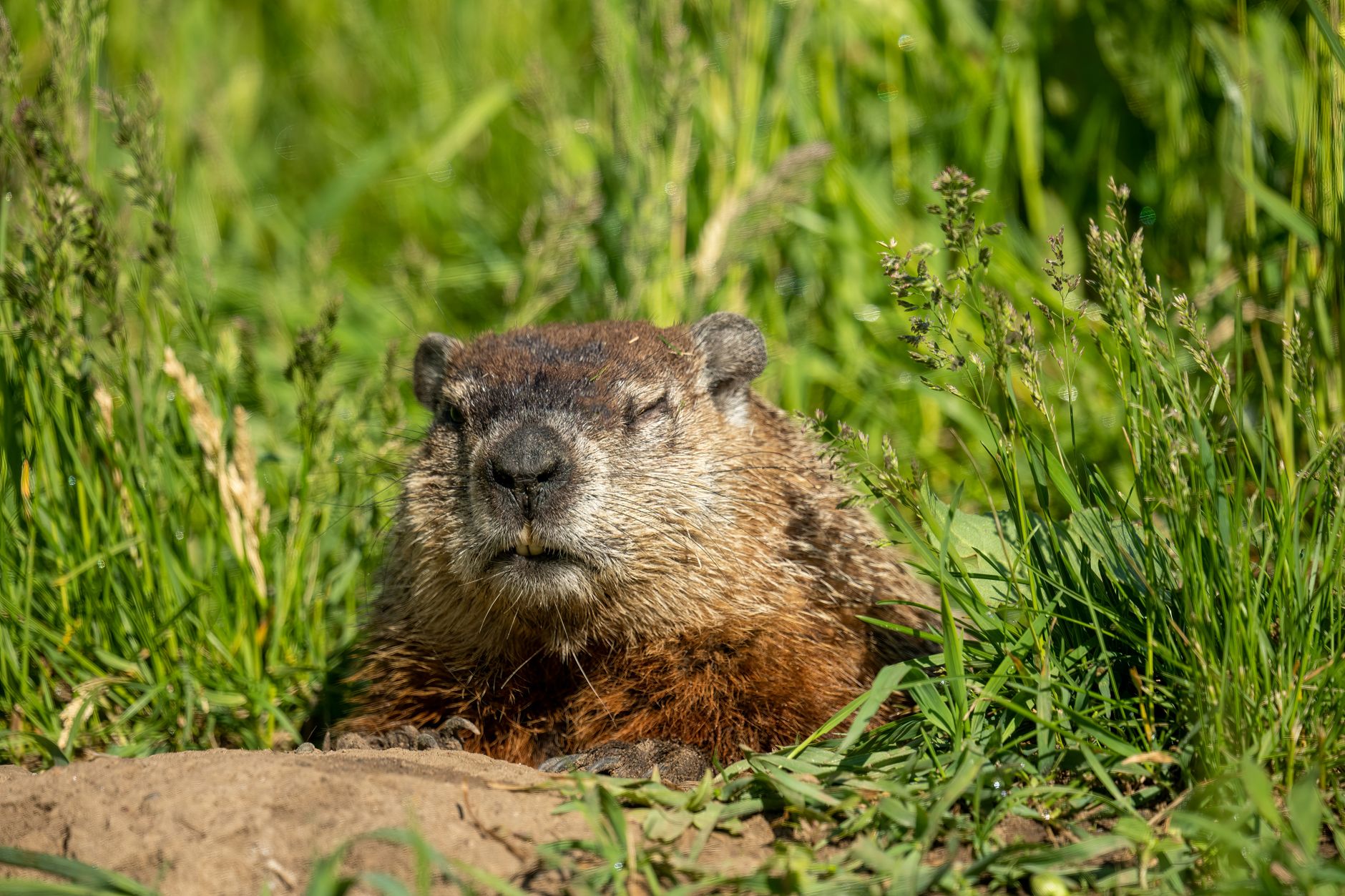
First off, lets talk about why these guys are even interested in your garden. Groundhogs arent just being jerks (well, maybe a little). Theyre drawn to your garden because its a smorgasbord of tasty greens and cozy spots perfect for burrowing. They mostly feast on tender leaves, fruits, and veggies, and those underground tunnels? Not exactly great for your plants roots or your lawns look.
Why Do Groundhogs Invade Gardens?
Groundhogs love gardens because they provide easy access to fresh food. Think of your garden as the local all-you-can-eat buffet for these little fellows. They especially have a sweet spot for lettuce, beans, peas, and clover. Plus, if your garden has sunny spots with loose soil, its basically prime real estate for their burrows.
Burrowing Behavior and Garden Impact
The tunnels groundhogs dig arent just an aesthetic problem; they can destabilize your soil and even cause damage to driveways or foundations if things get out of hand. So, dealing with groundhogs isnt just about hunger gamesits about protecting your entire garden ecosystem.
The Good and The Bad: Are Groundhogs Completely Evil?
Heres the thinggroundhogs do serve some useful roles. They aerate the soil with their digging and provide food for local predators like hawks and foxes. But yeah, from a gardeners point of view, their appetite and digging can be a real headache. Its all about finding that balance between live and let live and hey, back off my tomatoes!

Natural Groundhog Repellents That Work
Now for the juicy bitthe natural repellents! Chemical pest sprays? No thanks. Im talking about safe, kitchen-friendly ingredients that smell strong enough to keep groundhogs wondering if your garden is even worth the trouble.
Which Natural Ingredients Keep Groundhogs Away?
Two household heroes shine here: garlic and peppermint oil. Yes, seriously! Both have strong scents that groundhogs find absolutely repulsive. Garlics sulfur compounds and peppermints minty punch overwhelm their sensitive noses, turning your garden into a scented no trespassing zone.
Homemade Spray Recipes
Here's a quick and easy garlic-peppermint spray you can whip up: crush a few garlic cloves, mix with a few drops of peppermint essential oil and water, then let it sit overnight. The next day, strain and pour it into a spray bottle. Spray generously around your garden beds, especially near entry points or burrows.
Keep in mind, natural groundhog repellents dont provide a one-and-done fix. Youll want to reapply after rain or every few days to maintain the scent barrier.
Other Natural Rodent Deterrents to Try
Besides garlic and peppermint, castor oil, vinegar sprays, and even human hair can help keep groundhogs guessing. Castor oil makes the soil smell less inviting, vinegar adds an acidic tang they dislike, and human hair can signal the presence of predators. Might sound weird, but these old-school tricks have been used by gardeners for decades.
Garden Pest Control Beyond Repellents
Sometimes, relying on smells alone isnt enough, especially if your groundhog visitors are persistent or your garden is particularly inviting. So, what else can you do?
Physical Barriers and Habitat Changes
Installing fences is probably the most straightforward, effective method. A wire fence about 3 feet tall, with the bottom buried 10-12 inches into the ground and bent outward, can stop most groundhogs from digging under. Its like the Do Not Enter sign of garden fencing.
Also, tidy up any brush piles, woodpiles, or debris where groundhogs might hide or burrow. Reducing shelter options makes your garden less irresistible.
Companion Planting as a Natural Deterrent
Planting things groundhogs hate alongside your crops is a clever move. Try strong-smelling herbs like lavender, sage, or rosemarythey act almost like little groundhog repellents growing right next door. Plus, they make your garden smell great for you!
Humane Trapping and Relocation
If its gotten out of hand, live traps are an optionbut please, only consider this if youre comfortable handling animals and know the local laws about releasing wildlife. Groundhogs can get stressed or injured during trapping, so its best left to those who understand humane animal control. Otherwise, sticking to natural deterrents is safer for everyone.
Why Do These Ingredients Actually Work?
So, heres why your garlic-peppermint concoction can stop groundhogs cold in their tracks. Groundhogs have an incredibly sensitive sense of smellmuch stronger than ours. Those potent smells from natural ingredients overwhelm their senses. Its like when you accidentally walk into a kitchen where someones burnt the toastyour brain just screams, Nope, not going in there! And thats pretty much how groundhogs feel when faced with strong garlic or peppermint scents.
Using natural groundhog repellents is also a way to respect your gardens ecosystem while gently encouraging these critters to find a new lunch spot. Plus, these ingredients are safe around kids, pets, and beneficial insects, so your whole garden community stays healthy.
Balancing Benefits and Risks
Heres the honest truth: stopping groundhogs completely isnt about wiping them out or being zero-tolerance. These creatures have their place, and sometimes a garden has to share space in a peaceful, sustainable way. Before going all-in on repellents or removing them entirely, think about whats best for your local environment.
Environmental Considerations
Groundhogs play a role in soil health and the food chaintheyre part of a natural balance that, if disrupted too harshly, can cause ripple effects. Overusing repellents or harsh chemicals might harm other wildlife or even your soils health. When you use natural repellents and take gentle garden pest control measures, youre supporting a healthier ecosystem.
Smart Pest Control for Long-Term Success
Dont expect instant perfectiongroundhogs are stubborn! With patience, consistent natural deterrents, and smart garden habits (like physical barriers and companion planting), you can keep your garden happy without the stress and guilt of harsh pest control.
By the way, if youre reading this and also have little ones at home, you might enjoy exploring more about healthy foods for kids, especially when planting your own garden fresh stuff. Its a fun way to bring the family together and learn where food really comes from!

Wrapping It All Up
Alright, to sum it upif groundhogs are turning your garden into their personal dining room, you dont need to panic or reach for the harsh stuff. Try simple natural ingredients like garlic and peppermint oil as repellents. Add some fences or companion plants to beef up your defenses. Remember, its about balance: protecting your plants while respecting the role groundhogs play in nature.
Gardening is a journey, and sometimes those pesky critters are just part of the story. But armed with the right tools (no nasty chemicals required), you can give your garden the best chance to thriveand keep groundhogs politely at a distance.
Got your own tips or stories on how you keep these furry invaders away naturally? Id love to hear them! Drop a comment or share your experienceits always great to swap notes with fellow garden warriors.
FAQs
How can I naturally stop groundhogs from eating my plants?
Using natural repellents such as garlic and peppermint oil sprays around your garden can keep groundhogs at bay without harming them or your plants.
Are fences effective in keeping groundhogs out of the garden?
Yes, installing a wire fence about 3 feet tall with the bottom buried and bent outward can prevent groundhogs from digging under and entering your garden.
How often should natural groundhog repellents be reapplied?
Natural repellents like garlic-peppermint sprays should be reapplied every few days or after rain to maintain their effectiveness.
Can companion planting help deter groundhogs?
Planting strong-smelling herbs like lavender, sage, or rosemary nearby can discourage groundhogs due to their scents, adding an extra layer of protection.
Is humane trapping a good solution for groundhog problems?
Humane traps can be used if you are knowledgeable and compliant with local wildlife laws, but natural repellents and barriers are generally safer and less stressful for the animals.