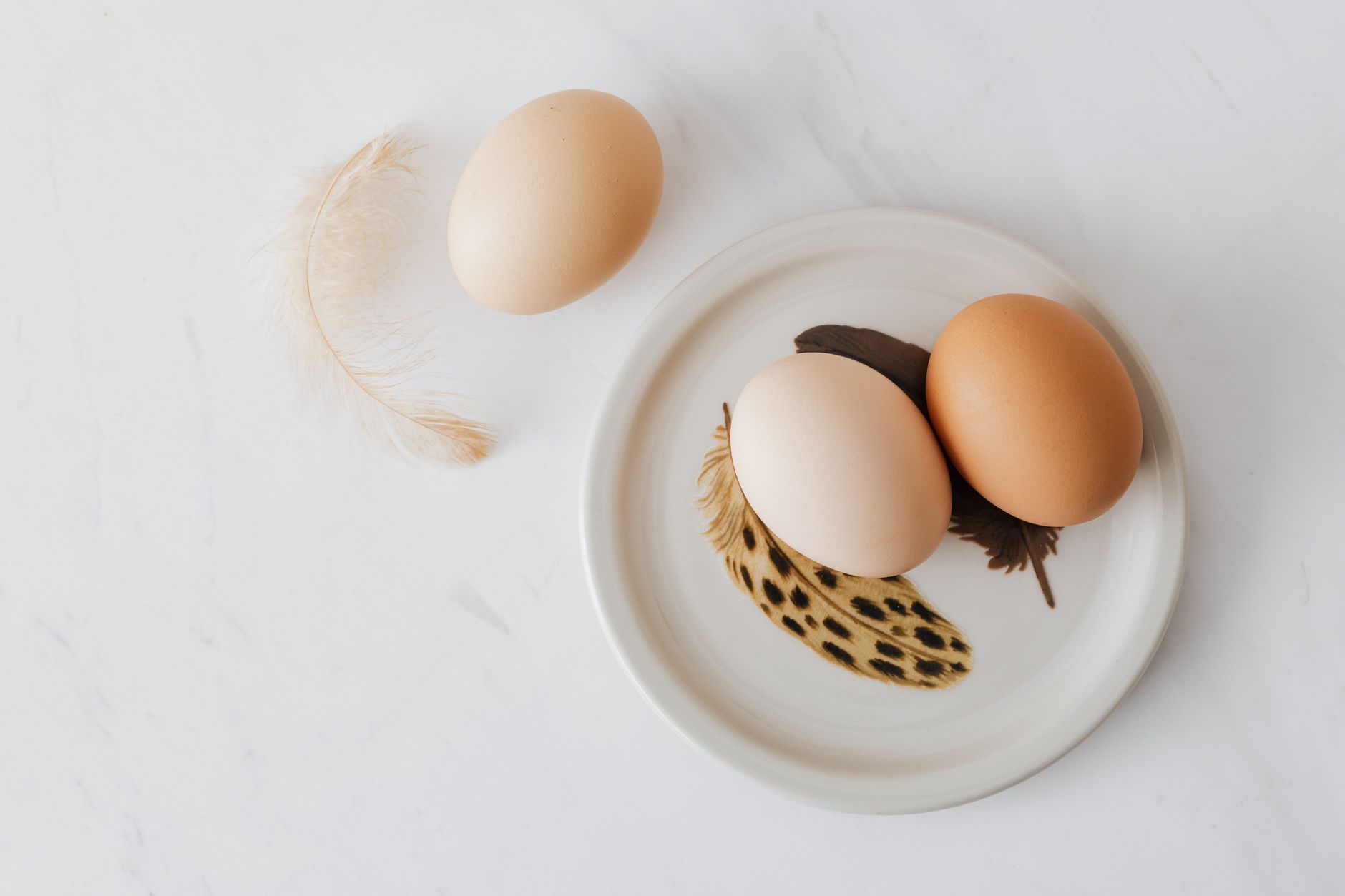
Farm fresh eggs bring a rich taste and a sense of connection to your food. But handling them safely means knowing how to clean farm fresh eggs properly. Unlike supermarket eggs, farm eggs come with a natural protective bloom that keeps bacteria out. Washing them incorrectly can do more harm than good. This guide will help you clean your farm fresh eggs safely, preserve their freshness, and enjoy them with confidence.
Why Clean Eggs Matter
Dirty eggs can carry contaminants like bacteria, dirt, and even traces of fecal matter from the hens environment. These contaminants raise the risk of foodborne illnesses such as Salmonella infection. Proper cleaning reduces this risk and extends the eggs shelf life. But over-cleaning or washing them too early can strip away the bloom, exposing eggs to harmful microbes.
What Makes Farm Eggs Unique?
Farm fresh eggs naturally come coated with a thin, protective layer called the bloom or cuticle. This layer seals the shell‘s tiny pores, preventing harmful bacteria from entering. Most store-bought eggs are washed and sanitized industrially, removing the bloom but then refrigerated to prevent contamination. On small farms or backyard setups, eggs often reach your kitchen with their bloom intact, which helps keep them fresh longer if stored correctly.
Removing the bloom prematurely can make eggs more vulnerable to spoilage. Thats why many experts recommend only washing eggs just before use, not right after gathering them, unless they are visibly soiled.
Common Farm Egg Contaminants
Eggshells can pick up dirt, feathers, chicken droppings, and bacteria from the nesting area. The primary concern is Salmonella, a bacterium that can cause serious food poisoning. Other contaminants include E. coli and Campylobacter, which also pose health risks. Proper handling and washing techniques reduce these dangers without stripping away the egg‘s natural defenses.
How to Clean Farm Fresh Eggs
Cleaning farm fresh eggs is an art as much as a science. Gentle care is needed to keep eggs safe and fresh.
When to Wash Your Eggs
You should wash eggs only immediately before using them, not right after collecting. Washing before storage removes the protective bloom, speeding moisture loss and increasing bacterial risks. If eggs are not visibly dirty, simply brushing off dirt and debris without water is best. When eggs arrive heavily soiled or sticky, washing just before cooking or cracking is essential.
Best Washing Practices
- Use warm water: Water temperature should be about 20F (10C) warmer than the egg. Warm water opens the pores slightly, making dirt easier to remove without drawing bacteria inside.
- Avoid cold water: Cold water will cause the egg contents to contract, potentially pulling contaminants inside the shell.
- No soap or detergents: These can leave residues harmful if ingested and strip the eggs natural coating.
- Use soft brushes or cloths: Gently scrub eggshells to remove dirt, especially under running water.
Simple DIY Egg Washing Methods
Fill a bowl with warm water and dip eggs one at a time. Use a soft brush or clean cloth to remove dirt, then rinse under running warm water. Dry eggs carefully with a clean towel immediately after washing to avoid moisture sitting on the shell.
If stains persist, a light vinegar solution (1 part vinegar to 3 parts warm water) can help loosen dirt, but rinse thoroughly afterward. Never soak eggs too long, as prolonged exposure increases bacterial risk.
Using Commercial Egg Washes
Some farms and producers use commercial egg wash products designed specifically to clean without harming the bloom or leaving residues. These often involve mild sanitizers approved for food use and quick drying. For home use, these are rarely necessary, but some farmers find them helpful when dealing with heavy contamination. Always follow label instructions and rinse eggs thoroughly if using such products.
Proper Egg Storage
Once cleaned, storing farm fresh eggs correctly is crucial to maintain freshness and safety.
Best Storage Conditions
- Temperature: Store eggs in the refrigerator at 3540F (1.54.5C) for optimal freshness and bacterial safety.
- Humidity: Store eggs ideally at 7080% humidity to prevent excessive moisture loss and shell drying.
- Position: Place eggs with the pointed end down to keep the yolk centered and prevent the air sac from moving.
While farm fresh eggs can sometimes be stored at room temperature for short periods (up to one week in cool, dry environments), refrigeration slows deterioration and microbial growth especially after washing the bloom away.
Farm Eggs vs. Store-Bought Storage
Store-bought eggs are washed and refrigerated immediately, meaning they must remain cold to prevent bacterial growth. Farm fresh eggs with intact bloom resist bacteria longer at room temperature but still benefit from refrigeration after cleaning.

How Long Do Cleaned Eggs Last?
Cleaned farm fresh eggs stored in the refrigerator last about 35 weeks. Unwashed eggs with the bloom intact can last up to 7 weeks when kept cool and dry. Spoiled eggs often emit a sulfuric smell or have an off appearance. You can test freshness using the float test: place an egg in a bowl of waterfresh eggs sink; those floating are best discarded.
Myths & FAQs About Cleaning Eggs
Should I wash all my eggs right after collecting them?
No, washing all eggs immediately can remove the protective bloom and make them more vulnerable to bacteria. Only wash eggs just before use, unless they are visibly dirty.
Does washing eggs remove nutritional value?
No significant nutrients are lost through washing. Most nutrition is inside the egg, protected by the shell. Washing removes only surface contaminants and does not affect protein, vitamins, or minerals.
Is it safe to eat raw farm fresh eggs?
Raw eggs can contain harmful bacteria including Salmonella. Use only eggs from trusted sources, stored properly, and washed appropriately just before cracking. Consider pasteurized eggs or cooking thoroughly for safety.
How can I tell if my eggs are still fresh?
Besides the float test, check for clear, odorless whites and firm yolks when cracked open. Spoiled eggs have a foul odor and may appear discolored or slimy.
Can I refrigerate eggs immediately after collection?
If eggs are clean and intact with bloom, you can store them at room temperature for a few days. Refrigerating is best after washing or for longer storage, especially in warm climates.
Does vinegar disinfect eggs?
Vinegar can help remove dirt and has mild antibacterial properties but should not replace proper washing and handling. Rinse eggs thoroughly after using vinegar to avoid flavor impact.
What Halal certifications should I look for on eggs?
Halal certification for eggs is typically provided by bodies like JAKIM, HMC, or IFANCA, indicating compliance with Islamic dietary laws. Look for their official logos on packaging or request this info from your supplier.
Expert Tips & Real Experiences
According to poultry specialists, keeping nesting boxes clean drastically reduces egg contamination. Many small-scale farmers recommend frequent collection and minimizing egg exposure to moisture as top prevention methods.
Farmer Ahmed from a local organic farm shares, "We dont wash eggs unless absolutely necessary. Our hens free-range on clean pasture, so dirt is minimal. When needed, a quick warm water rinse just before use keeps eggs safe and fresh."
For more healthy eating insights, check out our article on Foods to eat when you have diarrhea, which complements a nutritious approach to food safety.

Most Overlooked Cleaning Mistake
Too many soak eggs in cold water or use harsh detergents at home. This leads to bacterial penetration and off-flavors. Stick to warm water and quick gentle scrubbing.
Why Cheap Eggs May Disappoint
Low-cost farm eggs sometimes come from less hygienic conditions, increasing the risk of harmful bacteria even after washing. Quality and sourcing matter more than price for safety.
One Expert Buying Tip
Look for eggs labeled with trusted Halal certification logos like JAKIM. This ensures not only religious compliance but adherence to strict hygiene and animal welfare standards.
More You Might Like
Explore refreshing Fast food salads perfect for a quick nutritious meal pairing with eggs.
Also, learn practical meal ideas designed for health with balanced nutrition in our guide on Foods to eat when you have diarrhea. Its a helpful resource complementing food safety and diet.
Conclusion
Knowing how to clean farm fresh eggs properly makes a big difference to your kitchen safety and enjoyment. Gentle washing with warm water right before use keeps eggs safe without removing their natural protective bloom. Store your eggs in the fridge and handle them carefully to savor every meal worry-free. Next time you shop, notice the certification logos and choose quality eggs for wholesome, healthy cooking. Feel free to share your egg-cleaning tips or questions below!
FAQs
Is clean farm eggs actually Halal — what should I check on the label?
Yes, clean farm eggs can be Halal if certified by recognized authorities like JAKIM, HMC, or IFANCA. Look for their official logos on the packaging or ask your supplier to ensure compliance with Islamic dietary laws.
How long do clean farm eggs last after washing?
Cleaned farm fresh eggs stored in the refrigerator typically last about 3 to 5 weeks. Always keep them cool and dry to maintain freshness and reduce bacterial growth during this time.
What is the difference between farm fresh eggs and store-bought eggs?
Farm fresh eggs often retain their natural protective bloom, making them suitable for short-term room temperature storage, while store-bought eggs are washed and refrigerated immediately, lacking this natural coating and requiring constant refrigeration.
Is it safe to eat clean farm eggs daily without cooking?
Consuming raw farm eggs carries a risk of bacterial infections like Salmonella. To be safe, always use eggs from trusted sources, wash them properly before use, or cook them thoroughly to reduce health risks.
Where can I buy clean farm eggs with quality assurance?
Clean farm eggs with quality assurance can be purchased from trusted local farms, organic markets, or halal-certified suppliers. Look for eggs with proper certification logos and good reviews to ensure safety and freshness.