Standing in the baking aisle, you might wonder what sets those two flour options apart. The choice between bread flour vs all purpose often confuses home bakers. Each has a distinct protein level that changes how your baked goods turn out. Understanding these differences helps you pick the right one every time. Whether you are baking a crusty loaf or a soft birthday cake, the flour you choose directly affects texture, rise, and flavor.
Understanding the Key Differences
What makes bread flour different from all purpose flour?
The main factor that separates bread flour from all purpose flour is protein content. Bread flour contains 12 to 14 percent protein, while all purpose flour sits at 10 to 12 percent. This protein is what forms gluten when you mix flour with water. More protein means more gluten, which gives dough its elasticity and strength. Bread flour creates a strong gluten network that traps gas during fermentation, leading to a higher rise and chewier crumb. All purpose flour produces a moderate gluten structure, making baked goods more tender.
| Flour Type | Typical Protein % | Common Uses | Texture Result |
|---|---|---|---|
| Bread Flour | 12-14% | Yeast breads, pizza dough, bagels | Chewy, strong gluten network |
| All Purpose | 10-12% | Cookies, cakes, biscuits, muffins | Tender, softer crumb |
How do the textures and baking results compare?
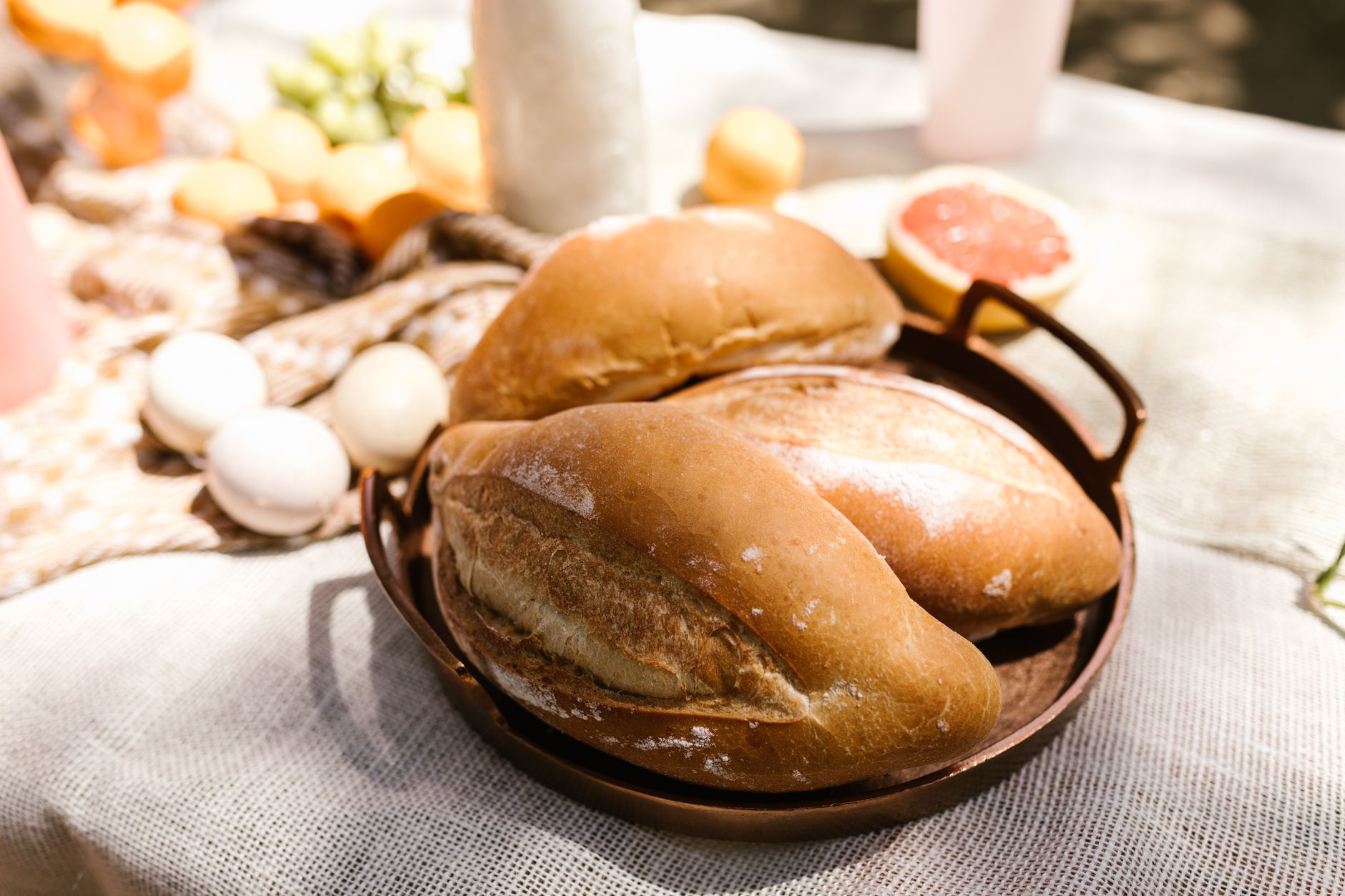
When you bake with bread flour, you get a visibly higher rise and a firmer bite. The dough feels springy and holds its shape well during proofing. With all purpose flour, the crumb stays tender and delicate. Cookies spread more, cakes stay soft, and pancakes remain fluffy. The difference becomes obvious when you bake two identical loaves side by side. The bread flour loaf will have a domed top and a chewy interior, while the all purpose loaf will be slightly flatter and more cake-like.
When and Why to Choose
What baked goods benefit the most from bread flour?
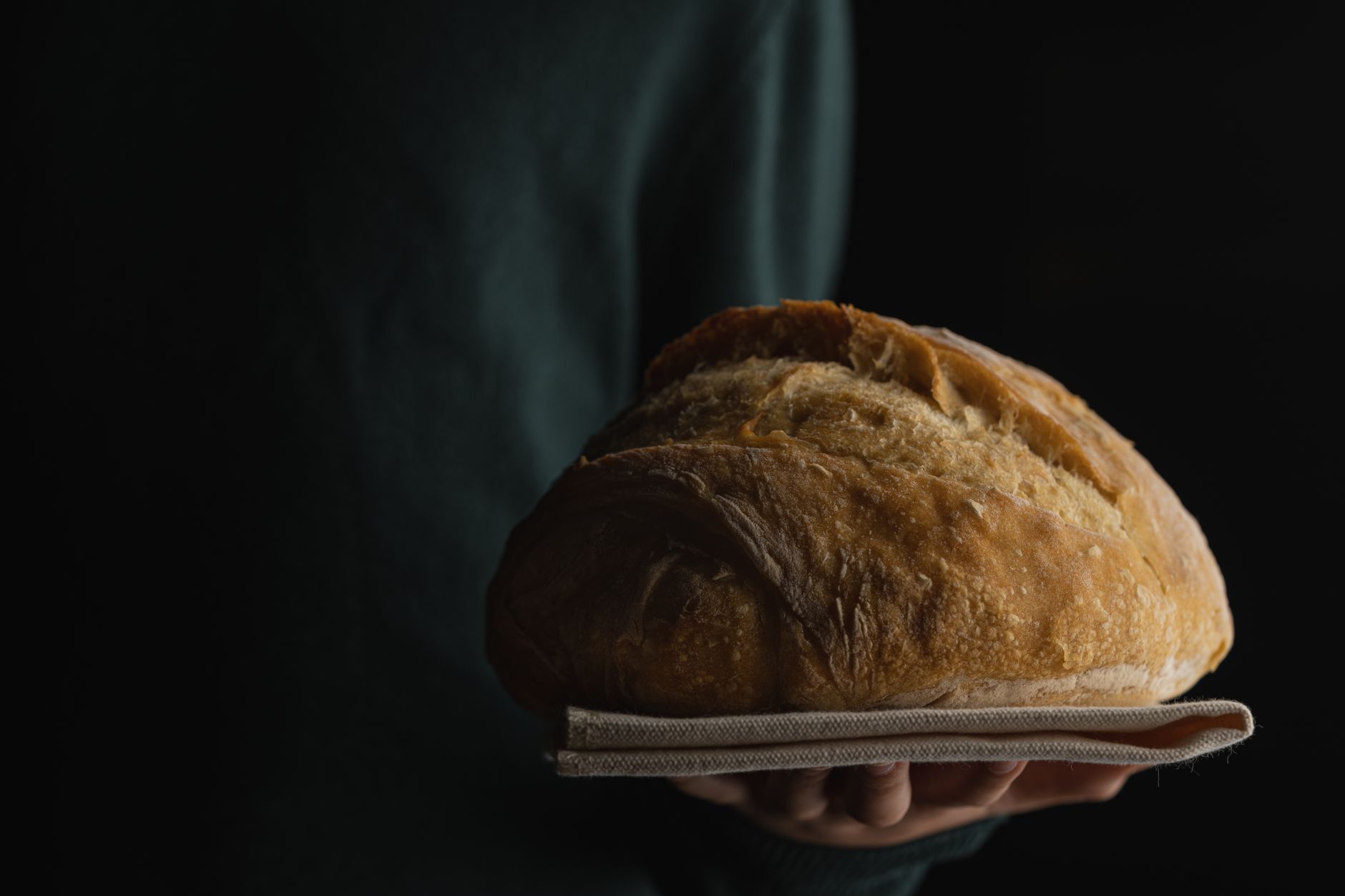
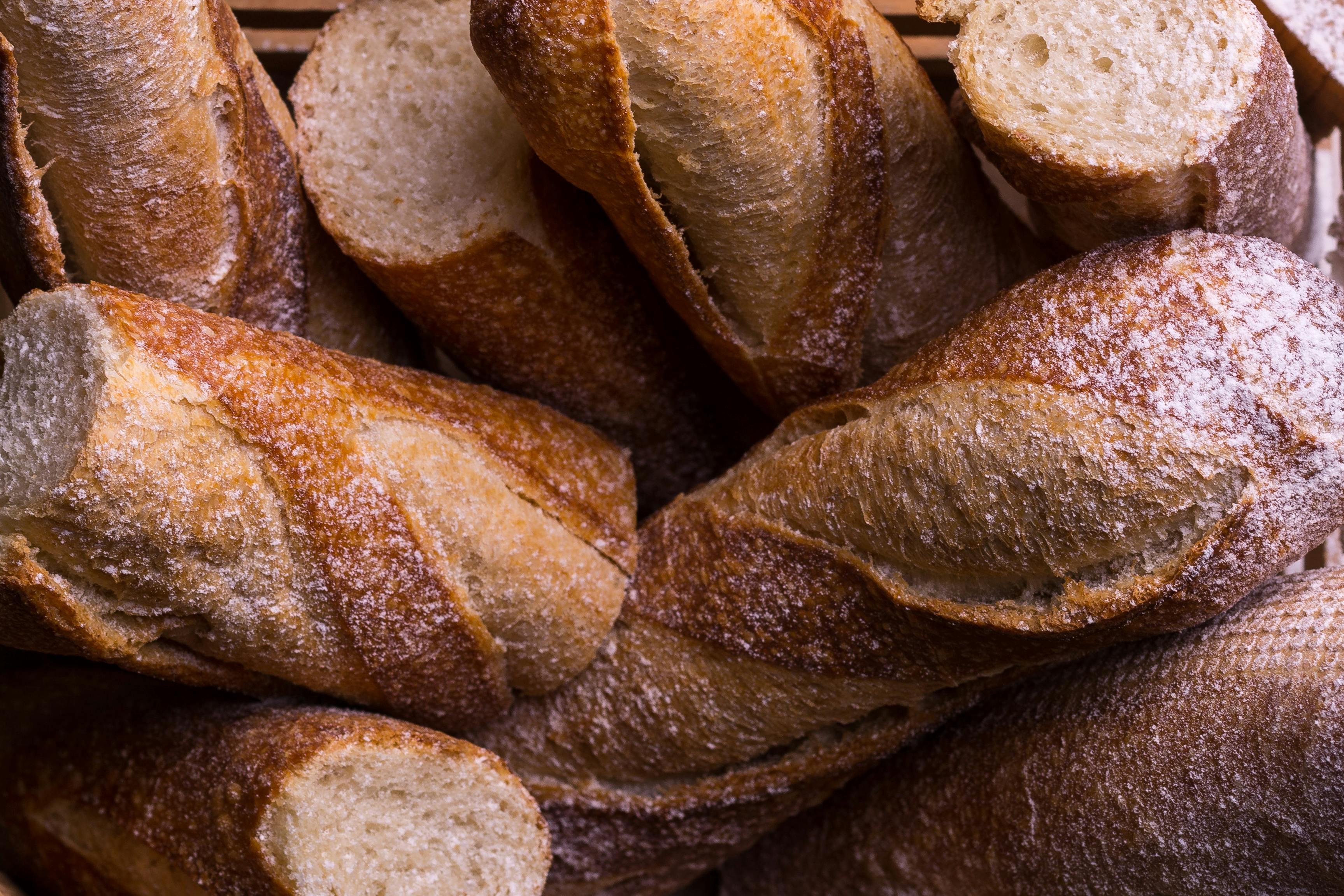
Artisan breads, bagels, pizza crusts, and pretzels all need the strong gluten network that bread flour provides. The higher protein content gives these items their signature chew and structure. Sourdough bread develops better oven spring with bread flour because the gluten holds the gas released by the natural yeast. If you want a crusty exterior with a soft, airy interior, bread flour is the right call. Even cinnamon rolls turn out taller and more pillowy when made with bread flour.
What are the best all purpose flour uses?
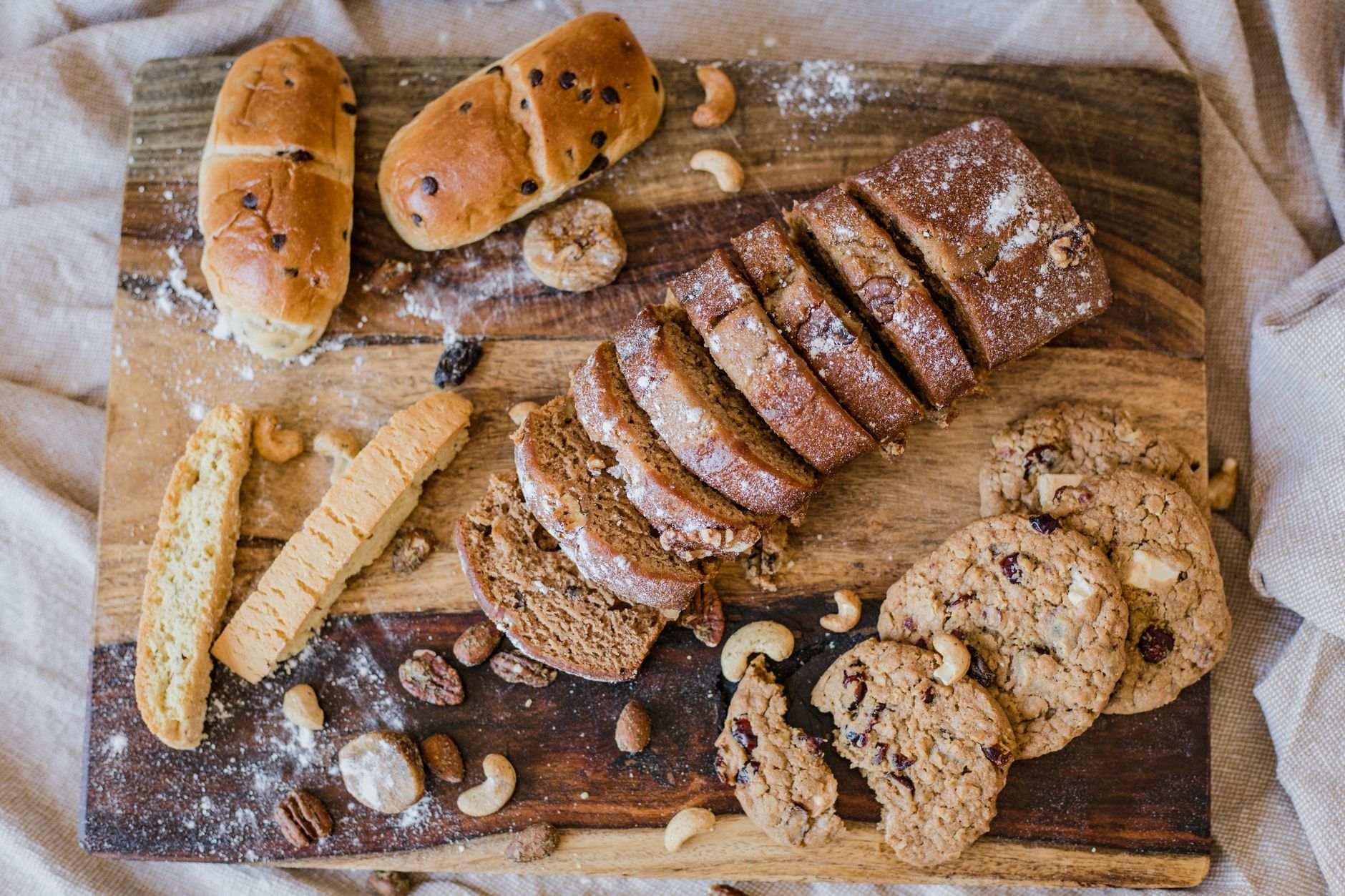
All purpose flour works beautifully for cakes, muffins, pancakes, cookies, and quick breads. These baked goods rely on tenderness rather than chewiness. A classic yellow cake or a batch of chocolate chip cookies needs a softer crumb that all purpose flour delivers. Pie crusts also benefit from the lower protein because it keeps the pastry flaky instead of tough. If you are making Mexican pancakes, all purpose flour gives them the light, tender texture that pairs well with sweet toppings.
Can you substitute one for the other?
Yes, but expect noticeable changes in texture. If you swap bread flour for all purpose in a cake recipe, the cake will be denser and chewier. If you use all purpose flour in a bread recipe, the loaf will be shorter and softer. To make a substitution work, adjust the liquid slightly. Bread flour absorbs more water, so add an extra tablespoon or two when using it in place of all purpose. For bread recipes, you can replace all purpose flour with bread flour one for one, but the crumb will be firmer.
Benefits and Versatility Compared
The benefits of bread flour
The biggest advantage of bread flour is structural strength. It gives yeast doughs a reliable rise and a satisfying chew. The strong gluten network also traps flavor compounds produced during long fermentation. Many professional bakers prefer bread flour for sourdough because it withstands extended bulk fermentation without breaking down. Bread flour also browns well in the oven, creating a deep golden crust with good caramelization.
All purpose flour benefits
All purpose flour wins on versatility. You can use it for almost any baking project without buying multiple flours. It works for cookies, cakes, pies, muffins, pancakes, and even some breads. The moderate protein content makes it forgiving for beginners. If you overmix a batter made with all purpose flour, the result is less likely to turn tough compared to bread flour. All purpose flour also costs slightly less per pound, which adds up if you bake frequently.
When mixing flours might be the best choice
Blending bread flour and all purpose flour gives you control over texture. For a pizza crust that is chewy but not tough, mix equal parts of both flours. For dinner rolls that are soft yet structured, use two thirds all purpose and one third bread flour. This approach lets you customize the protein content to match the recipe. Some bakers keep a container of blended flour on hand for everyday baking. It splits the difference between strength and tenderness.

What to Look For When Buying
Reading a flour label helps you make an informed choice. Start by checking the protein percentage printed on the nutrition panel or the front of the bag. Look for a number between 12 and 14 percent for bread flour and 10 to 12 percent for all purpose. Many brands now include a "protein content" line near the ingredient list. Next, check the ingredient list itself. Quality flour contains only wheat flour and sometimes added malted barley for enzyme activity. Avoid bags with added preservatives or dough conditioners if you prefer a clean label.
Halal certification matters for Muslim consumers. While plain flour is inherently Halal, some brands process flour on shared equipment. Look for a Halal logo from recognized bodies such as JAKIM, IFANCA, or HMC on the package. This guarantees that the flour has not come into contact with non-Halal substances during milling or packaging. Ignore marketing claims like "unbleached" or "stone ground" that do not affect Halal status. Focus on the certification stamp instead.
| Certification | Price Range | Common Formats | Shelf Life | Key Allergens |
|---|---|---|---|---|
| Halal (JAKIM, IFANCA, HMC) | $0.12 - $0.35 per lb | 2 lb, 5 lb, 10 lb, 25 lb bags | 6-8 months pantry, 12 months freezer | Wheat (gluten) |
| Non-certified conventional | $0.10 - $0.30 per lb | 2 lb, 5 lb, 10 lb bags | 6-8 months pantry | Wheat (gluten) |
Tips for Using Both Flours
How to measure flour correctly
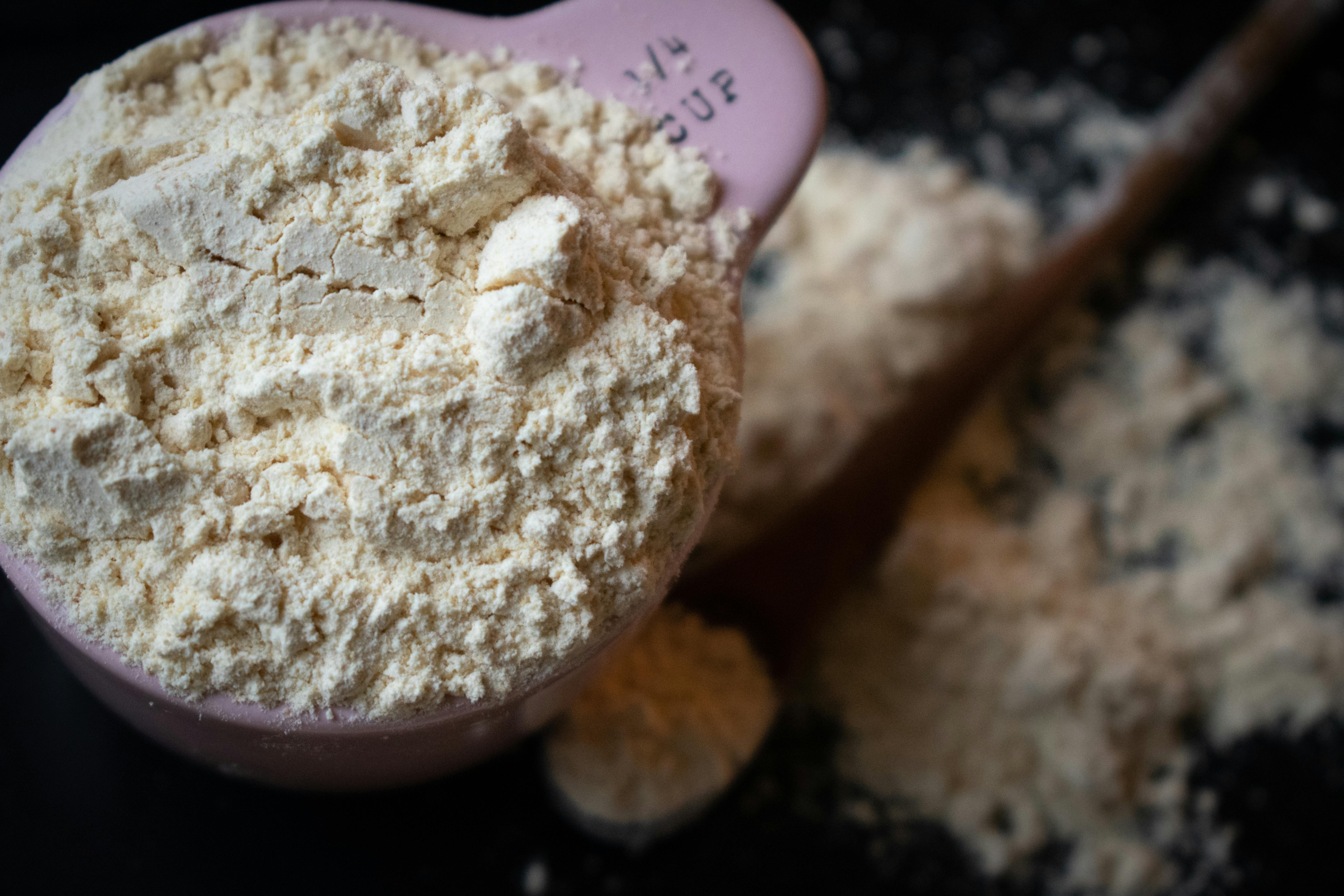
Weighing flour gives the most consistent results. One cup of all purpose flour weighs about 120 grams, while one cup of bread flour weighs about 130 grams due to higher protein density. If you do not have a scale, use the spoon and level method. Fluff the flour in the bag, spoon it into your measuring cup, and level off the top with a straight edge. Never scoop directly from the bag because it compacts the flour and adds extra grams to your recipe.
Adjusting hydration depending on flour type
Bread flour absorbs more water than all purpose flour because the additional protein binds more liquid. When you switch from all purpose to bread flour in a recipe, add 1 to 2 tablespoons of water per cup of flour. The dough should feel supple, not dry or stiff. For a typical bread recipe calling for 500 grams of all purpose flour, use 520 grams of water when substituting bread flour. This small adjustment prevents a dense, tight crumb.
Storing your flours for freshness
Flour stays fresh for 6 to 8 months in a cool, dry pantry. Transfer it to an airtight container after opening to protect against moisture and pests. For longer storage, keep flour in the freezer where it lasts up to 12 months. Bring frozen flour to room temperature before using to avoid affecting dough temperature. Bread flour with its higher fat content from the wheat germ can turn rancid faster, so buy smaller bags if you bake infrequently.
Is bread flour vs all purpose actually Halal what should I check?
Plain wheat flour is naturally Halal because it contains no animal products or alcohol. The concern lies in cross-contamination during milling or added enzymes. Look for a Halal certification logo from JAKIM, IFANCA, or HMC on the package. If you do not see a logo, contact the manufacturer and ask whether their flour is processed on dedicated equipment. Most major brands label their flour as Halal-certified when applicable.
Can I use bread flour for cakes?
You can, but the cake will be denser and chewier than intended. The high gluten content gives cake batter too much structure, reducing tenderness. For delicate cakes like sponge or angel food, stick with all purpose or pastry flour. If you only have bread flour, replace 2 tablespoons per cup with cornstarch to lower the effective protein content.
Does bread flour expire faster than all purpose?
Bread flour has a slightly shorter shelf life because it often contains more of the wheat germ, which has natural oils that can turn rancid. In the pantry, both flours last 6 to 8 months. In the freezer, both last up to 12 months. Always smell your flour before using it. A sour or bitter smell means the fats have oxidized and the flour should be discarded.
What happens if I use all purpose flour for bread?
Your bread will be softer, shorter, and less chewy. The lower protein content means less gluten development, so the dough will not rise as high. The crust will be thinner and paler. The flavor will still be good, but the texture will resemble a soft sandwich loaf rather than artisan bread. Many sandwich bread recipes actually call for all purpose flour to achieve that soft crumb.
Which flour has more protein?
Bread flour has more protein, typically 12 to 14 percent compared to all purpose at 10 to 12 percent. This difference of 2 to 4 percent may seem small, but it significantly affects gluten formation. Some high-protein bread flours reach 14.5 percent, while organic all purpose flours sometimes dip to 9.5 percent. Check the nutrition label for exact numbers.
Can I make my own bread flour at home?
Yes, by adding vital wheat gluten to all purpose flour. For each cup of all purpose flour, add 1 to 2 teaspoons of vital wheat gluten and whisk thoroughly. This raises the protein content to bread flour levels. Store your homemade blend in an airtight container and label it with the new protein percentage. This method works well when you need bread flour but only have all purpose on hand.
Is bread flour worth the extra cost?
Yes, if you bake yeast breads regularly. The difference in price is roughly 5 to 10 cents per pound, which is negligible per loaf. The improved rise and chewiness justify the small premium. If you mostly bake cakes, cookies, and muffins, all purpose flour gives you better value and better results for those applications.
More You Might Like
If you enjoyed this flour comparison, you might like our guide to Tatte bakery and how they source their ingredients for authentic baked goods. For breakfast inspiration, check out our Mexican pancakes recipe that uses all purpose flour for a tender, fluffy texture.
Conclusion
Choosing between bread flour and all purpose flour comes down to what you are baking. Bread flour gives you structure and chew for yeast doughs, while all purpose flour delivers tenderness for everyday treats. The decision between bread flour vs all purpose does not have to be complicated. Match the protein content to your recipe, check the label for Halal certification if that matters to you, and store your flour properly to keep it fresh. Next time you reach for a bag, you will know exactly which one your baking needs.
FAQs
Is Bread Flour vs All Purpose actually Halal — what should I check on the label?
Plain wheat flour is naturally Halal as it contains no animal products or alcohol. However, check for cross-contamination during milling. Look for a Halal certification logo from JAKIM, IFANCA, or HMC on the package. If no logo is visible, contact the manufacturer to confirm their processing equipment is dedicated or Halal-safe.
Can I substitute bread flour for all purpose in any recipe?
Yes, but results change. Bread flour makes cakes denser and chewier due to higher gluten. For best results in cakes or cookies, stick to all purpose. If you need to substitute, replace 2 tablespoons per cup of bread flour with cornstarch to lower protein content. Adjust liquids by adding 1–2 tablespoons more water when using bread flour.
How long does bread flour last after opening?
Bread flour stays fresh for 6 to 8 months in a cool, dry pantry. It has a slightly shorter shelf life than all purpose because it contains more wheat germ oils that can go rancid. For longer storage, keep it in the freezer for up to 12 months. Always smell the flour before using; discard if it smells sour or bitter.
What happens if I use all purpose flour for bread?
Your bread will be softer, shorter, and less chewy. The lower protein content produces less gluten, so the dough rises less. The crust will be thinner and paler, and the crumb will resemble a soft sandwich loaf rather than artisan bread. Many sandwich bread recipes intentionally use all purpose for that tender texture.
Can I make bread flour at home from all purpose flour?
Yes. For each cup of all purpose flour, add 1 to 2 teaspoons of vital wheat gluten and whisk thoroughly. This raises the protein content to bread flour levels. Store your blend in an airtight container and label it. This method is useful when you need bread flour for a recipe but only have all purpose flour on hand.