Okay, so let me ask you this have you ever looked at your sushi and wondered, What are those tiny crunchy orange dots on top? Yeah, thats masago. Its one of those little wonders in Japanese cuisine that you might have eaten a dozen times without even realizing it. So, what is masago exactly, and how do you eat it without feeling like youre poking around blindly on a sushi plate? Lets just dive inno beating around the bush here.
Simply put, masago is the roe, or eggs, of the capelin fish, a tiny fish that swims in cold waters like the North Atlantic and Arctic Oceans. Its prized in sushi restaurants for its subtle pop and slightly salty, briny flavor. But theres a bit more to it than just fish eggs on rice, so stick with me.
What Is Masago?
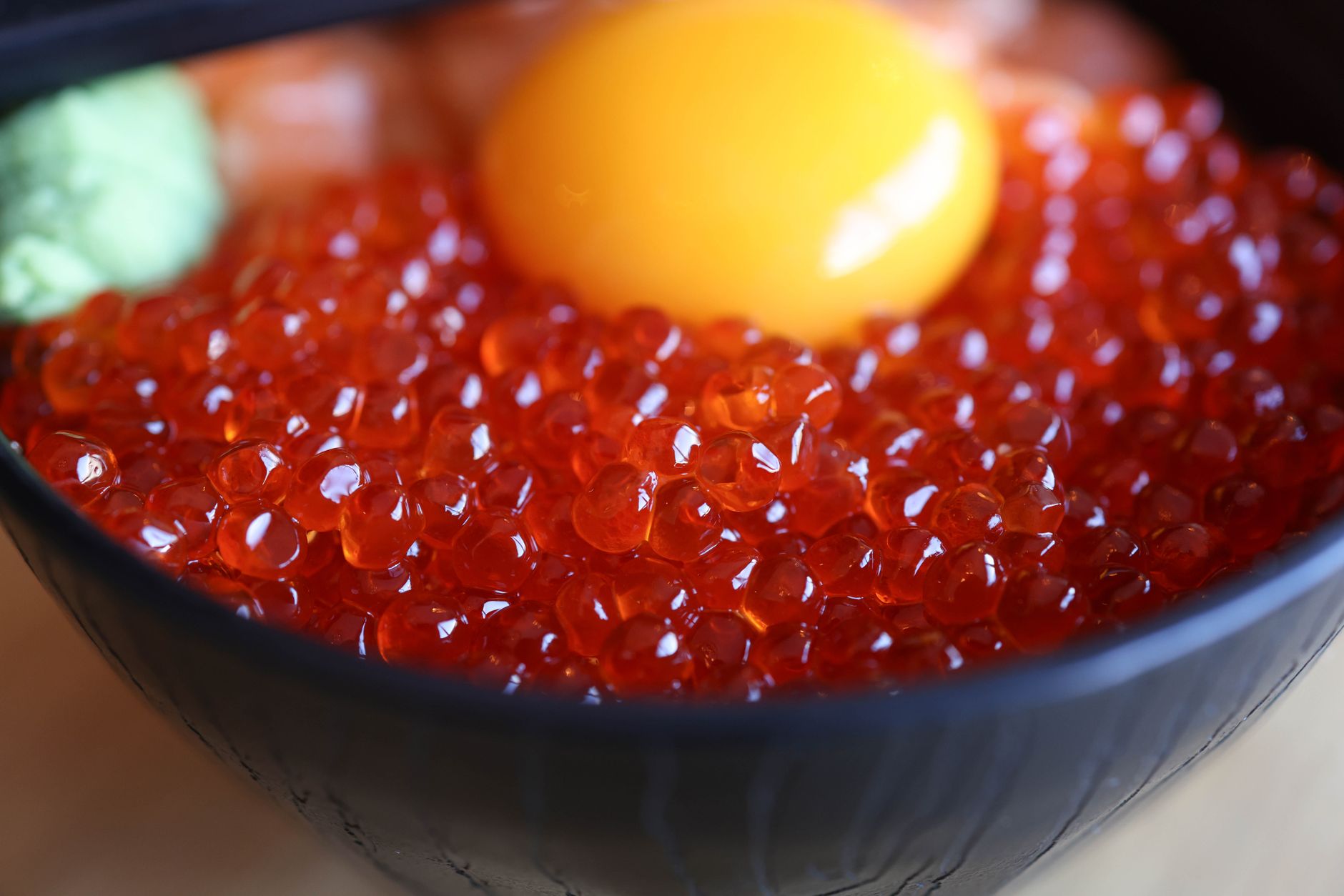
At its core, masago is fish roe, but not just any fish roe. It comes from capelin, a small forage fish thats like a cousin to the smelt family. Unlike the bigger, more flamboyant fish eggs you sometimes see (think salmon roe, which is much larger and juicy), masago eggs are super tiny, about the size of a pinhead. Thats why you get this delicate crunchy texture rather than a big burst of liquid in your mouth.
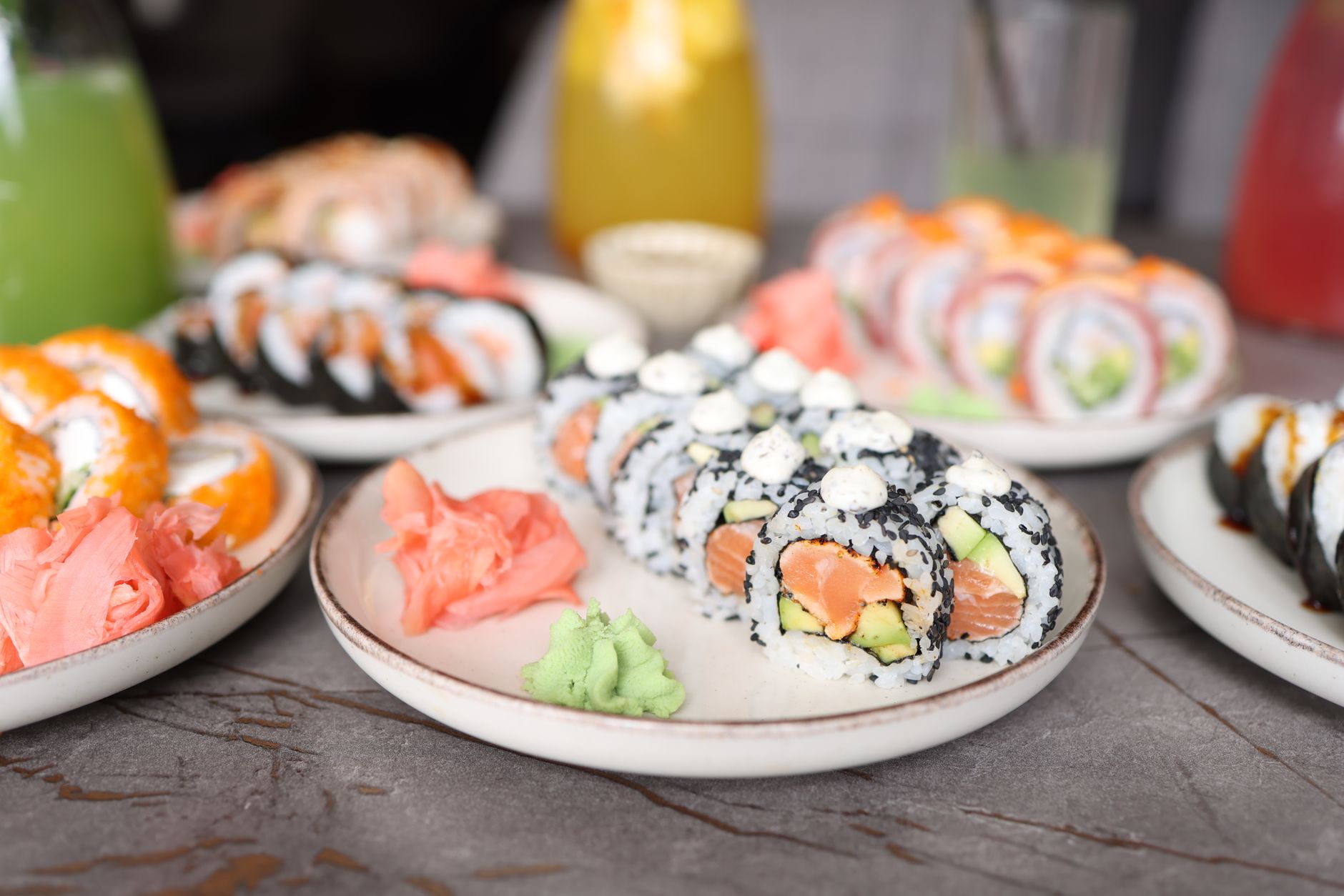
Whats cool about masago is that its really versatile. Youll see it sprinkled on sushi rolls like California rolls or spicy tuna rolls, accenting the dish with pops of color and flavor, but its also used in other Japanese dishes like salads or even certain appetizers. Its definitely one of those secret little helpers that make sushi hit differently.
What Are Masago Sushi Ingredients?
When you spot masago in your sushi, it's usually going to be part of a larger ensemble. Masago pairs beautifully with rich, creamy ingredients like avocado, spicy components like sriracha mayo, or mild flavors like cucumber. Its the kind of ingredient that adds a subtle burst without overpowering the main star fish.
You might find it clinging atop spicy tuna rolls, giving an extra crunchy texture. Or mixed into sauces for that umami punch. Honestly, every sushi chef has their own little love affair with how they add masago to their creations.
Masago Vs Tobiko
Heres where it gets a little trickyand fun. Ever heard someone say Thats tobiko! and you werent quite sure what they meant? Tobiko and masago are often used almost interchangeably, but theyre not exactly the same thing.
So, how do you tell them apart? Tobiko is the roe of the flying fish and generally larger and crunchier than masago. It also tends to be brighter in colorusually bright orange or sometimes even flavored and colored with wasabi (green) or squid ink (black). Masago, on the other hand, is smaller, less crunchy, and has a more subtle taste.
| Feature | Masago | Tobiko |
|---|---|---|
| Source Fish | Capelin | Flying fish |
| Size | Very small (pinhead-sized) | Larger and more crunchy |
| Color | Orange to reddish-brown | Bright orange (sometimes dyed) |
| Texture | Delicate crunch | More robust, crunchy pop |
| Price | Usually less expensive | Pricier specialty roe |
Honestly, unless youre a sushi aficionado or work behind the sushi bar, the taste and experience of masago versus tobiko isnt night and day, but these little details help you appreciate whats on your plate just a bit more.
How To Eat Masago
Alright, so now that you know what masago is, I bet youre wondering, How do I eat it without making a mess or looking clueless? Good question!
Masago can be enjoyed pretty much the way it isusually, its served right on top of sushi rolls or sashimi. It adds that extra textural interest and mild salty flavor. If youre at a sushi bar and see it sprinkled liberally on a roll, dont be shy. Just go for it!
Heres a pro tip: dont shoo the masago away from your bite. I see people sometimes flicking it off because theyre not sure what it is. Trust me, youll miss out on the fun. The little crunchy pops are what make your sushi experience uniquethink of it like the sprinkles on a cupcake. Theyre small but pack the punch.
If youre cooking at home or trying to get creative, masago works well mixed into mayo for a spicy sauce or as a garnish on rice bowls or salads. Its one of those mild but charming flavors that lifts the dish just right. You might even wanna check out some spicy mayo recipes with masago mixed in; its delicious!
Also, asking your sushi chef or server for tips on how to eat masago is usually a great idea. Not only will they be happy to share, but it might spark a little back-and-forth chat that makes your sushi night even better.

Masago Health Benefits
Before you take another bite, lets talk about the health side of things. Yes, masago is more than just a pretty garnish.
Masago is packed with nutrients like protein and omega-3 fatty acidsthe kinds of good fats that are great for your heart and brain. It also contains vitamins like B12 and minerals such as selenium and magnesium. Omega-3s, in particular, have been studied extensively for their role in reducing inflammation and supporting cardiovascular health.
But heres the catchmasago is also pretty high in sodium. So, while its beneficial in moderation, gobbling down huge amounts of anything salty might lead to increased blood pressure or water retention if youre not careful. Balance is key!
For those who monitor their salt intake or have dietary restrictions, its best to enjoy masago as a fun accent rather than the main event. Like many fermented or preserved seafood products, a little goes a long way health-wise.
Where To Buy And Store Masago
If youre feeling inspired to try cooking or using masago at home, youll want to know where to find decent quality stuff and how to keep it fresh.
Generally, Asian grocery stores or specialty sushi suppliers carry masago. You can also find it online from reputable seafood vendors. When youre picking it out, look for firm, fresh roe thats moist but not soggy. The color should be bright but natural-lookingif its dull or smells overly fishy, skip it.
Once you bring it home, masago is best kept refrigerated and tightly sealed because its delicate and prone to drying out. You can also freeze it to extend its shelf life, but be aware this might affect the texture a bit. When thawing, do it slowly in the fridge rather than at room temperature to keep those eggs intact.
Vegan Masago? Yes, Really.
Now, I know some of you might be thinking, "Hold on, fish eggs arent exactly vegan." And youre right. The good news? Vegan versions of masago do exist! Theyre usually made from seaweed or tapioca pearls that are dyed and flavored to mimic the look and crunch of real masago.
These alternatives are becoming popular in vegan sushi and creative plant-based dishes where the authentic fish roe experience is missed but without the animal product. If youre curious, give it a shotvegan masago might surprise you.
Using Masago In Japanese Food
Masago isnt just about sushithough its definitely the star there. It can enhance many Japanese dishes beyond the basics. From topping off rice bowls (donburi) to blending into sauces that drizzle over grilled fish, masago has a quiet elegance that can bring subtle texture and umami.
Thinking outside the sushi box, you might also find masago paired with creamy avocado or tossed into seaweed salads, where it adds a delicate crunch thats unexpectedly addictive.
If youre curious about branching out to other fun foods to eat, experimenting with masago could open the door to new flavors you hadnt quite considered before. And hey, you never knowthis crunchy little roe might just become your next favorite kitchen staple!

Final Thoughts On Masago
So, whats the takeaway here? Masago is a small but mighty ingredient that adds layers of texture, flavor, and even nutrition to your meals. Whether youre enjoying it on sushi or getting adventurous with Japanese-inspired dishes at home, its one of those subtle game-changers that sushi lovers swear by.
Just remember to savor it thoughtfullydont just mindlessly pop it off your sushi, because that little pop of briny goodness really completes the experience. Also, keep an eye on quality and storage to enjoy that fresh, delicate flavor.
And hey, if youre a fan of trying new foods and craving more culinary inspiration, check out these great ideas for foods to eat that can spice up your weekly menu.
Do you have any fun or unexpected ways youve enjoyed masago? Or maybe a favorite sushi roll that just isnt complete without it? Id love to hear about your experiences, so dont be shydrop a comment, and let's chat!
FAQs
What is masago made from?
Masago is made from the roe (eggs) of the capelin fish, a small forage fish commonly found in cold waters like the North Atlantic and Arctic Oceans.
How does masago differ from tobiko?
Masago comes from capelin and is smaller with a delicate crunch, while tobiko is the larger roe of flying fish, brighter in color and has a more robust crunch.
Can masago be eaten raw?
Yes, masago is typically served raw on sushi or sashimi, adding texture and a mild salty flavor to the dish.
Are there vegan alternatives to masago?
Yes, vegan masago alternatives are made from seaweed or tapioca pearls, colored and flavored to mimic the texture and look of real masago.
How should masago be stored?
Masago should be kept refrigerated in a tightly sealed container and can be frozen to extend shelf life, though freezing may slightly affect its texture.