Hey friend curious about foods that genuinely help your heart without feeling like a flavorless chore? Ive got you. Below Ill walk you through 25 heart-healthy foods that are delicious, easy to add to your day, and backed by what nutritionists typically recommend. Think of this as a friendly guide, not a lecture. Youll get helpful tips, simple swaps, and the reasons each food earns its place on this list.
Why it matters
Your heart quietly does the heavy lifting every second of your life. Little habits add up the right foods can lower blood pressure, reduce inflammation, tame cholesterol, and improve circulation. Instead of aiming for perfection, try adding a few of these foods consistently. Small changes, steady wins.
1. Salmon
Rich in omega-3 fatty acids, salmon helps lower triglycerides and reduce inflammation. Grill it, bake it, or toss into a salad your heart (and taste buds) will thank you.
2. Sardines
Tiny but mighty: sardines are a concentrated, affordable source of omega-3s and vitamin D. Try them on whole-grain toast with a squeeze of lemon.
3. Oats
A warm bowl of oatmeal in the morning supplies beta-glucan fiber, which is excellent at lowering LDL (bad) cholesterol. Add berries and a sprinkle of nuts to keep it interesting.
4. Barley
Another superb whole grain for LDL control. Use barley in soups, stews, or as a substitute for rice in pilafs.
5. Beans and lentils
These plant proteins deliver fiber, potassium, and magnesium a trifecta that supports healthy blood pressure and cholesterol. From hearty chili to a simple lentil salad, theyre versatile and filling.
6. Almonds
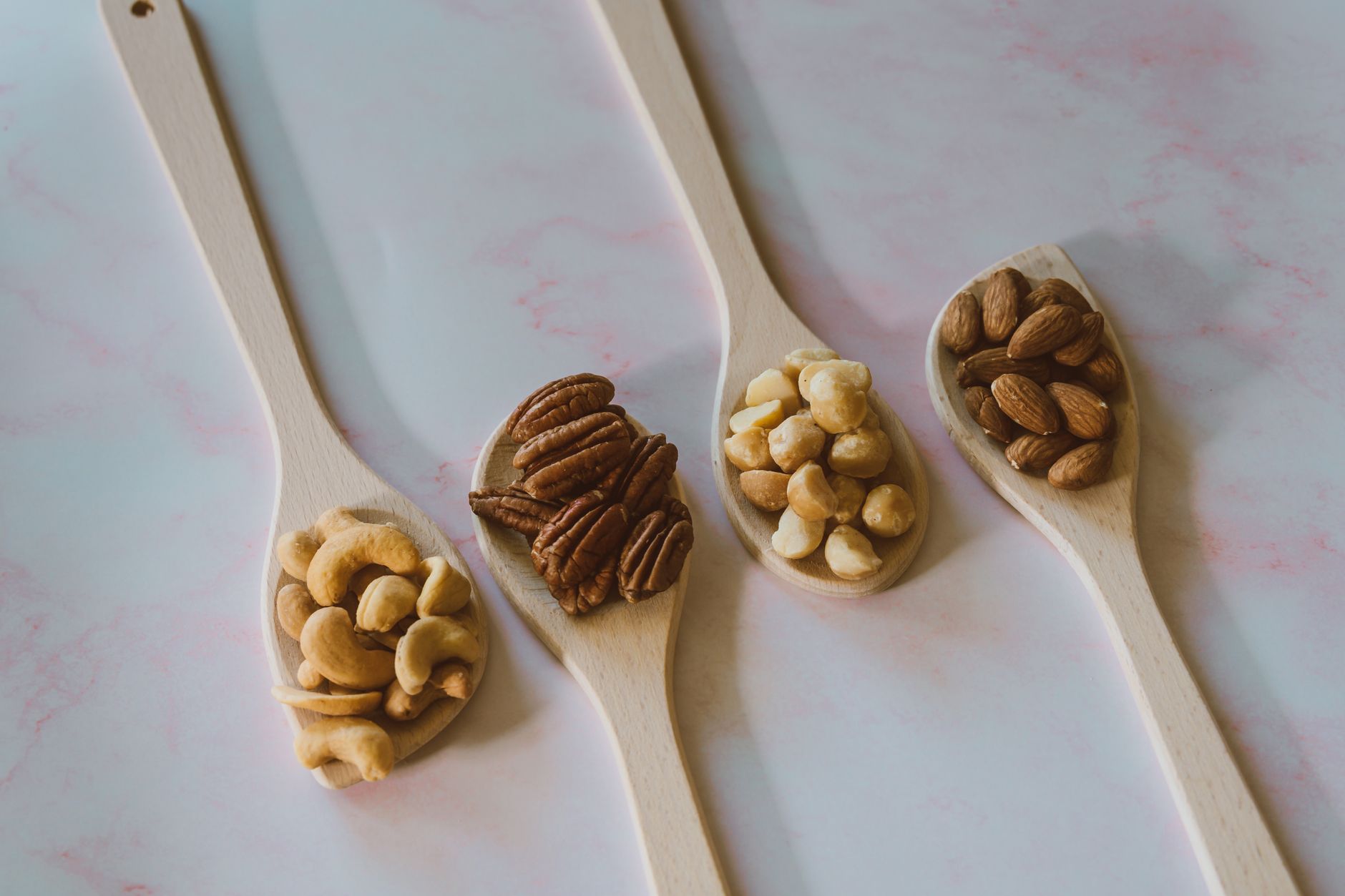
Almonds bring healthy fats, fiber, and vitamin E. A small handful makes a satisfying snack that can help keep cholesterol in check.
7. Walnuts
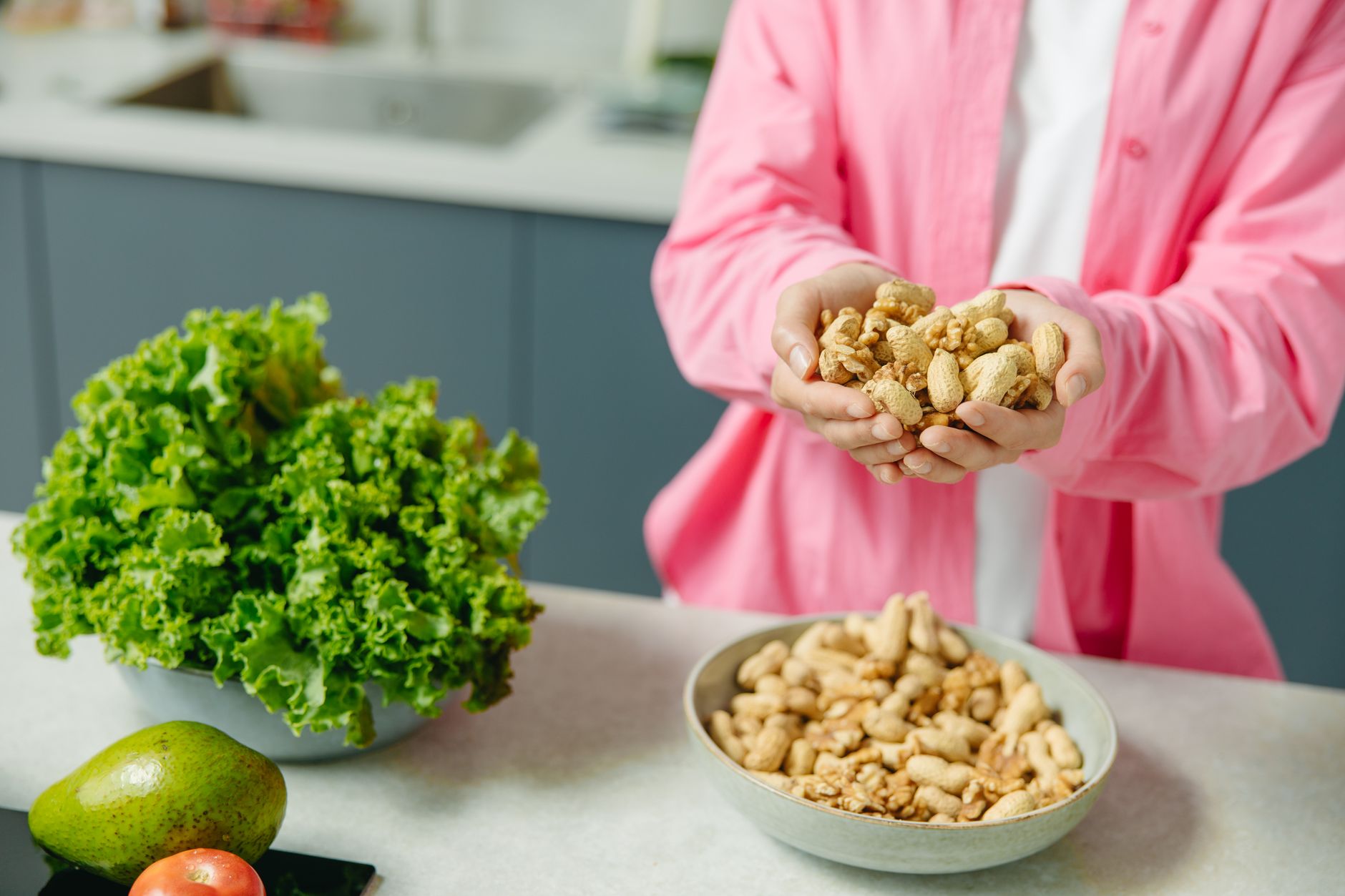
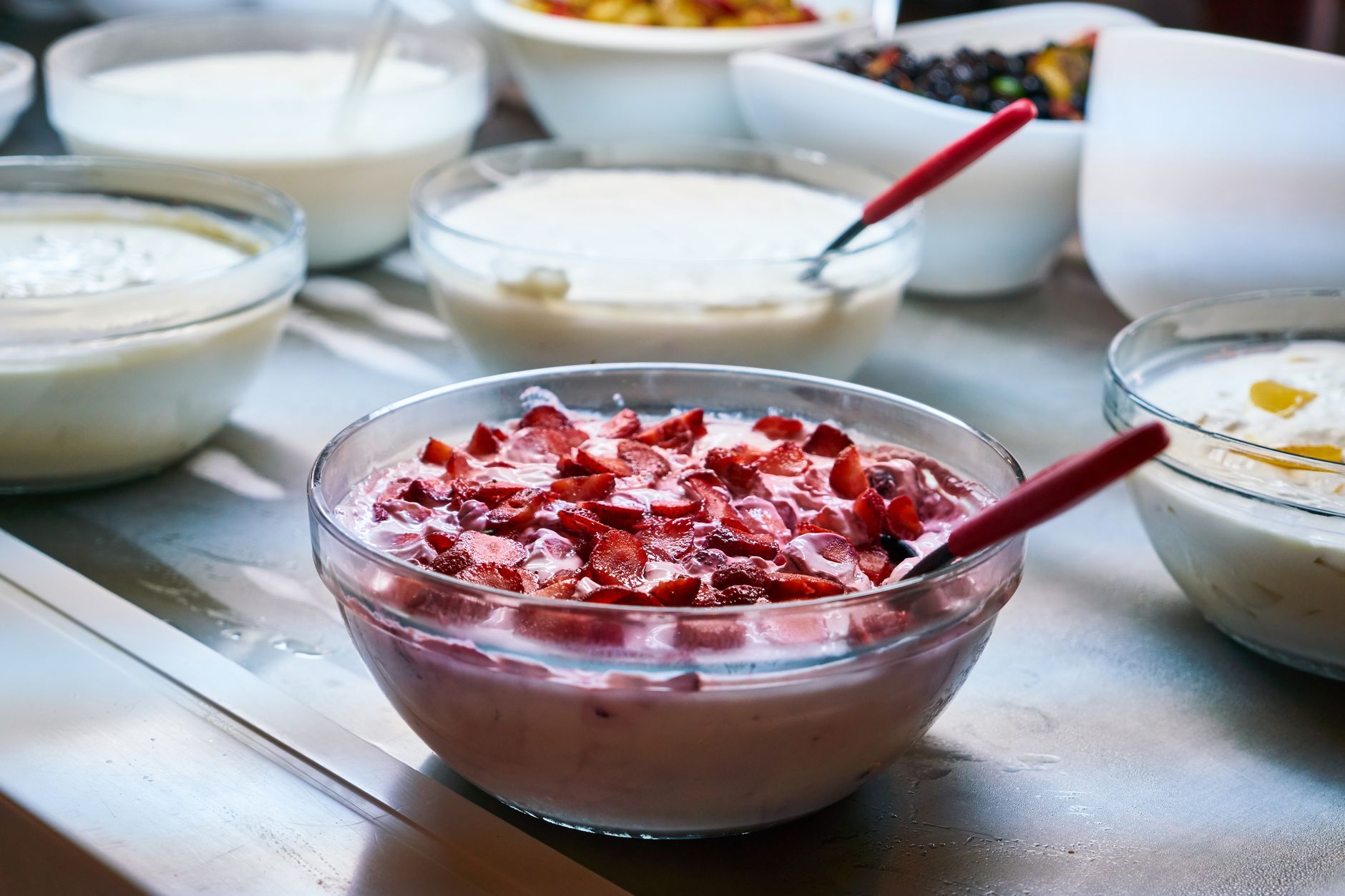
Packed with alpha-linolenic acid (a plant omega-3) and antioxidants, walnuts are great sprinkled on yogurt, oatmeal, or tossed into salads.
8. Avocado
Silky, creamy, and full of monounsaturated fats that support HDL (good) cholesterol. Mash it on toast or add slices to your sandwich for a heart-smart upgrade.
9. Olive oil
Extra virgin olive oil is a staple of heart-healthy diets like the Mediterranean style. Use it for dressings, marinades, or light sauting to swap out saturated fats.
10. Dark leafy greens
Spinach, kale, and Swiss chard are loaded with potassium, folate, and fiber. They help control blood pressure and add big nutrition with few calories.
11. Berries
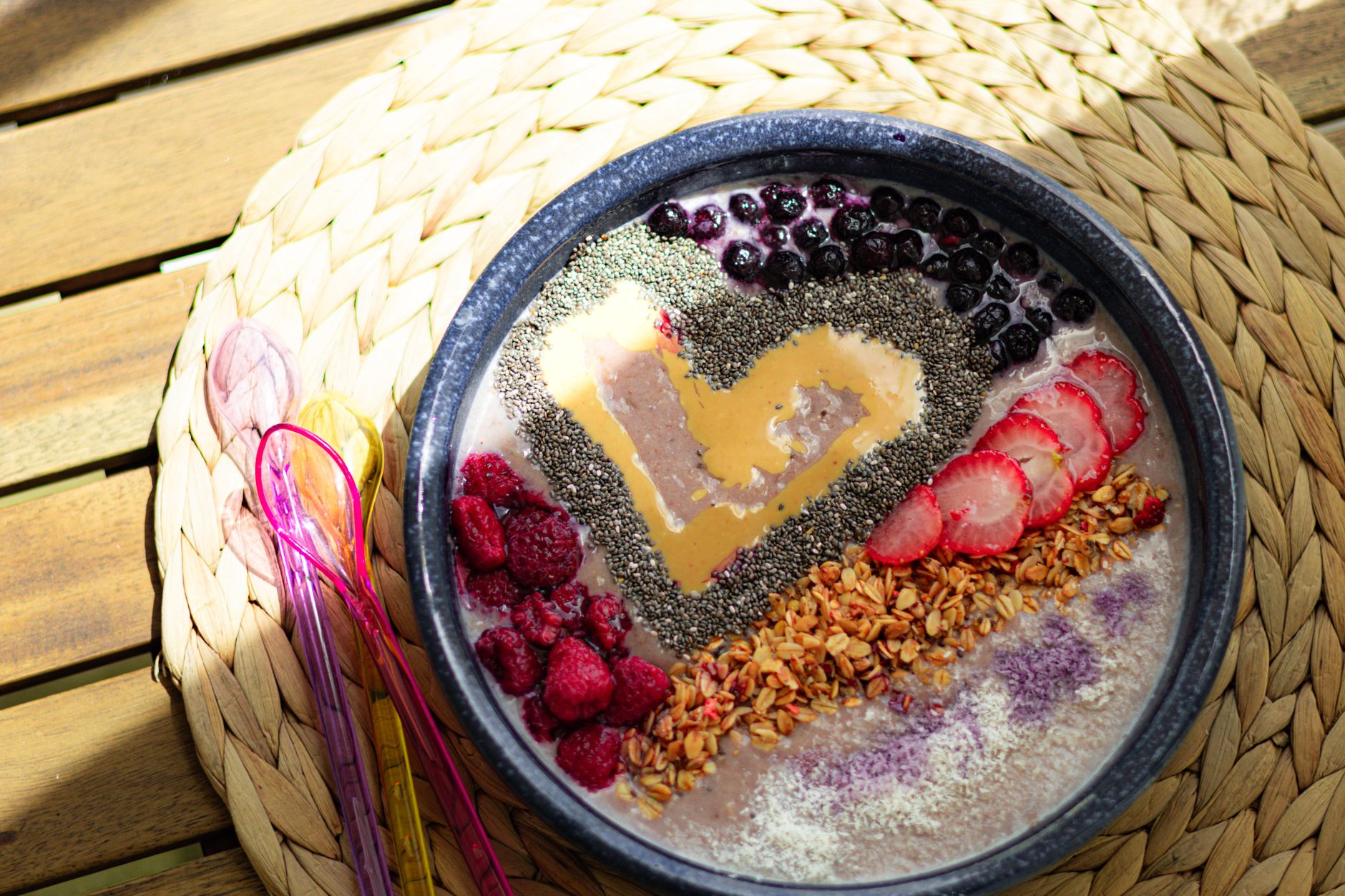
Blueberries, strawberries, raspberries all rich in antioxidants and fiber. They can reduce inflammation and improve vascular function. Toss them in cereal or blend into smoothies.
12. Apples
An apple a day? Its not just a saying. Apples provide soluble fiber that helps lower cholesterol and tastes great with nut butter for extra staying power.
13. Citrus fruits
Oranges, grapefruits, and lemons add vitamin C and flavonoids that are linked to heart health. Sip on citrus-infused water or add slices to salads.
14. Tomatoes
Tomatoes are high in lycopene, especially when cooked, which has been associated with lower heart disease risk. Make a fresh tomato salsa or a warm tomato-based sauce.
15. Garlic
Garlic offers compounds that may modestly reduce blood pressure and improve cholesterol profiles. Add crushed garlic to marinades, soups, or dressings.
16. Green tea
Light and comforting, green tea contains catechins antioxidants that may help improve blood vessel function. Swap out sugary beverages for a mug of warm green tea.
17. Flaxseeds
Tiny but powerful: flaxseeds are a source of plant-based omega-3s and fiber. Sprinkle ground flax on yogurt or cereal, or blend into smoothies for a subtle nutty boost.
18. Chia seeds
Chia soaks up liquid and forms a gel rich in fiber and omega-3s. Try chia puddings or mix them into your oatmeal.
19. Edamame
These young soybeans are a tasty, protein-packed snack with fiber and minerals that support heart health. Steam and season lightly with sea salt.
20. Tofu
Tofu is a versatile plant protein that can replace some animal-based foods, lowering saturated fat intake while delivering iron and calcium if fortified.
21. Dark chocolate (70% or higher)
A little dark chocolate goes a long way. Rich in flavonoids, a modest portion may improve blood pressure and vascular health just keep portions small.
22. Pomegranates
Pomegranate seeds and juice are full of antioxidants that support blood vessel health and reduce inflammation. Sprinkle seeds over salads for a pop of flavor and color.
23. Beets
Beets are high in nitrates that help dilate blood vessels, improving blood flow and potentially lowering blood pressure. Roast them, juice them, or grate them into slaws.
24. Pumpkin seeds
These are rich in magnesium, a mineral linked to better blood pressure control. Toss them on salads, yogurt, or enjoy as a snack.
25. Whole grains
Beyond oats and barley, whole grains like brown rice, quinoa, and farro provide fiber and nutrients that support overall heart health. Swap refined grains for whole-grain options where you can.
How to build a heart-friendly plate
Alright, how do you put these together in real life? Aim for plates that are mostly plants: half veggies and fruits, a quarter lean protein (plant or fish), and a quarter whole grains. Add a small portion of healthy fats like avocado or olive oil. Simple swaps brown rice for white, an extra serving of beans, olive oil in place of butter add up fast.
Want practical meal ideas? Try a spinach and lentil salad with walnuts and orange slices, grilled salmon with roasted beets and barley, or a cozy bowl of oatmeal topped with berries and flaxseed. These are tasty, satisfying, and straightforward to make.
Tips for shopping and cooking
Here are a few friendly tricks Ive used myself to make heart-healthy eating easy:
- Plan your meals around vegetables and whole grains first protein second. That mindset flips the usual approach in a helpful way.
- Cook once, eat twice: make a big pot of beans or whole grains and reuse them in salads, wraps, and bowls during the week.
- Stock your pantry with staples: olive oil, canned tomatoes, lentils, oats, and nuts make it easy to whip up nutritious dishes.
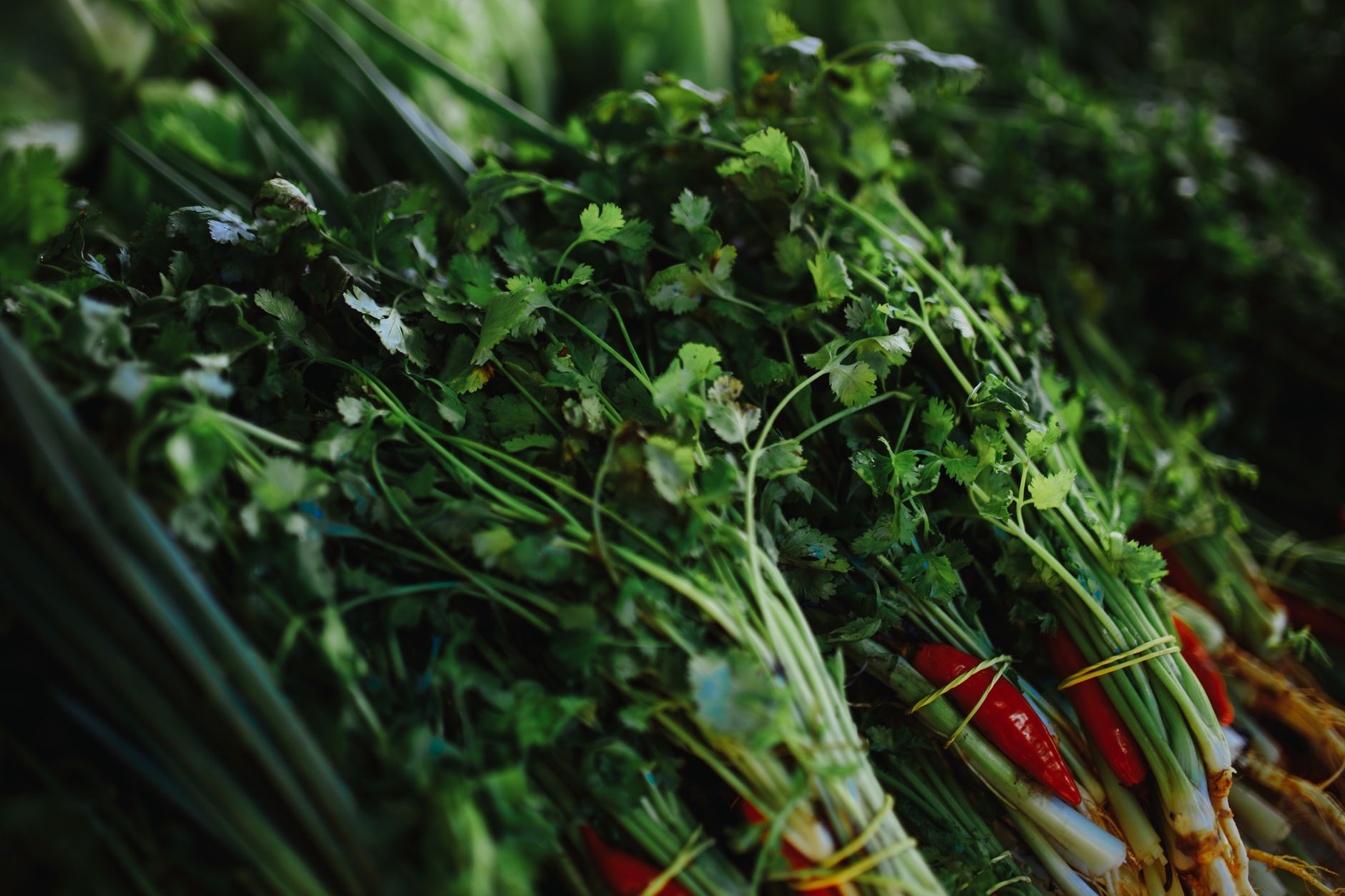
- Season boldly with herbs and spices so you dont miss extra salt. Garlic, lemon, smoked paprika, and fresh herbs make meals sing.
Protein and heart health a quick note
If youre watching protein as part of your heart-focused diet, remember that how you get protein matters. Plant proteins (beans, lentils, tofu, edamame) and fatty fish often carry heart benefits beyond their protein.
If youre curious about ways to balance protein, whether plant-based or mixed with lean animal sources, check out some helpful guides on protein-rich options like Whole foods high in protein or explore affordable picks in Cheap foods high in protein. These can help you plan meals that support both heart health and your daily protein needs.
Common questions, answered
Wondering whether to avoid eggs, how much fish to eat, or whether supplements will help? Let me give you short, practical answers:
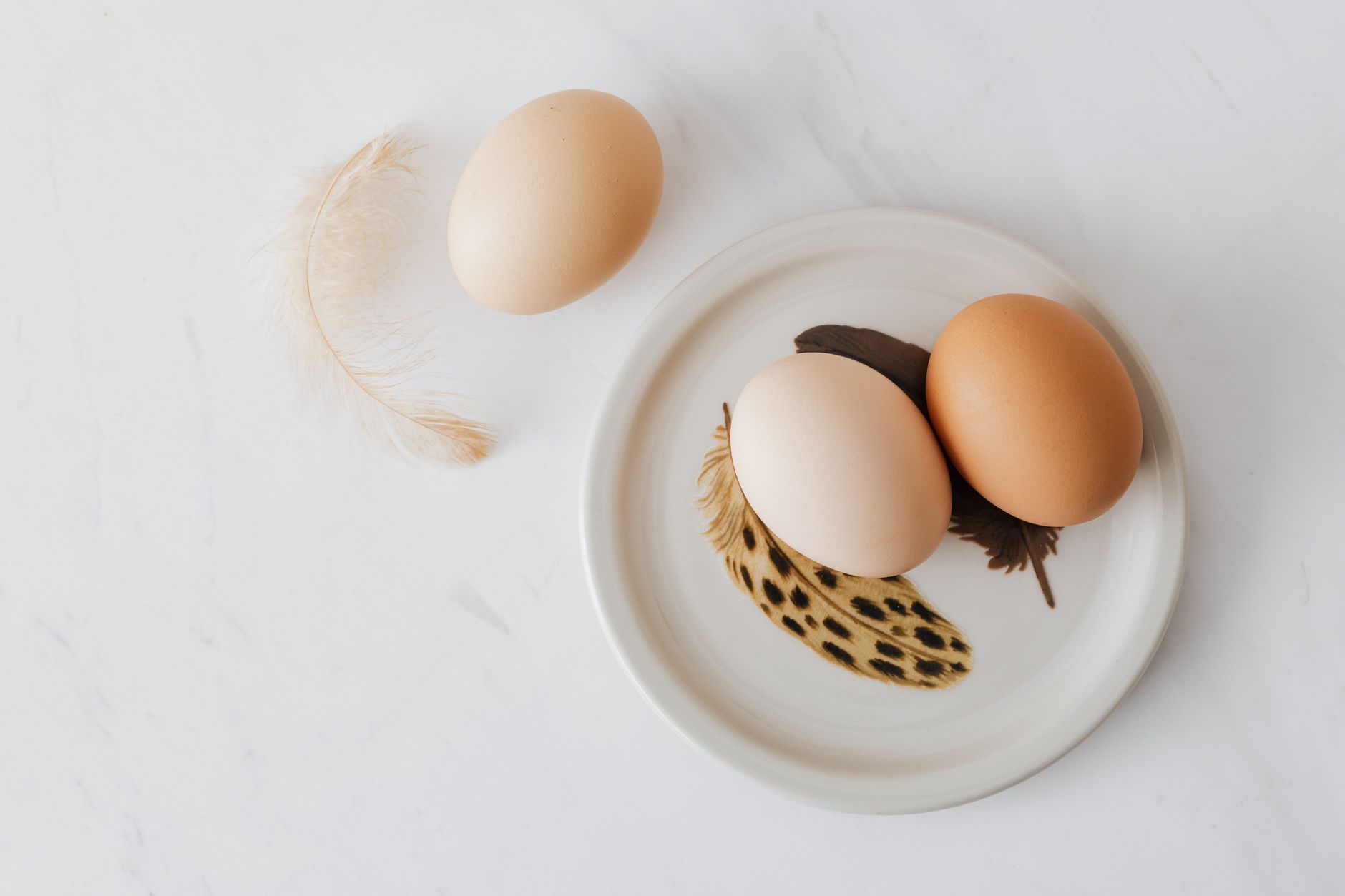
- Eggs: For most people, eggs are fine in moderation. Theyre a good source of protein and nutrients balance them with plenty of vegetables and whole grains.
- Fish intake: Aim for two servings of fatty fish per week (like salmon or sardines) for heart-healthy omega-3s.
- Supplements: Omega-3 supplements can help some people, but its best to consult your doctor, especially if youre on blood thinners or other medications.
Small changes you can start today
Try one or two swaps this week roast a tray of beets and Brussels sprouts, add a handful of walnuts to your oatmeal, or switch to olive oil for cooking. Track how small shifts affect your energy, mood, and meals. Often, tasting better food thats also healthier is its own reward.
Lets keep this simple and sustainable
Health isnt a race, and heart health is a lifelong project. Focus on foods you enjoy, incorporate the ones above gradually, and celebrate your wins. If youd like recipe ideas, shopping lists, or meal plans tailored to your tastes, Id love to help what flavors do you enjoy most?
Share your favorites or ask questions who knows, your next favorite heart-healthy dish might be just a swap away. If youre exploring more about balanced eating, you might also find inspiration in resources about Vegetarian foods high in protein to combine heart-smart choices with satisfying protein sources.
Take care of your heart its the one organ that keeps everything else humming. Little by little, with foods you actually enjoy, you can build a pattern that lasts. Ready to try one new swap this week?
FAQs
How much fatty fish should I eat weekly for heart health?
Aim for two servings of fatty fish per week to get heart-healthy omega-3s.
Is adding eggs to a heart-healthy diet okay?
Eggs are fine in moderation; pair with vegetables and whole grains for balance.
Do whole grains help lower cholesterol and blood pressure?
Yes. Replacing refined grains with whole grains supports cholesterol and blood pressure management.
Which plant-based proteins are best for heart health?
Beans, lentils, tofu, and edamame provide protein with fiber and minerals that support heart health.
Can I include dark chocolate in a heart-healthy plan?
Small portions of dark chocolate (70%+ cocoa) can be part of the diet, thanks to flavonoids.