If youve ever noticed recipes mentioning cilantro vs culantro and wondered whether theyre the same, youre not alone. These two herbs often confuse home cooks because of their similar names, but they have very different flavors, looks, and culinary uses. Knowing their differences can boost your cooking confidence and help you pick the right green for your dishor even explore some fresh flavor combinations. Lets explore what sets cilantro and culantro apart and how you can use each herb to best effect.
Herb Basics
What is Cilantro?
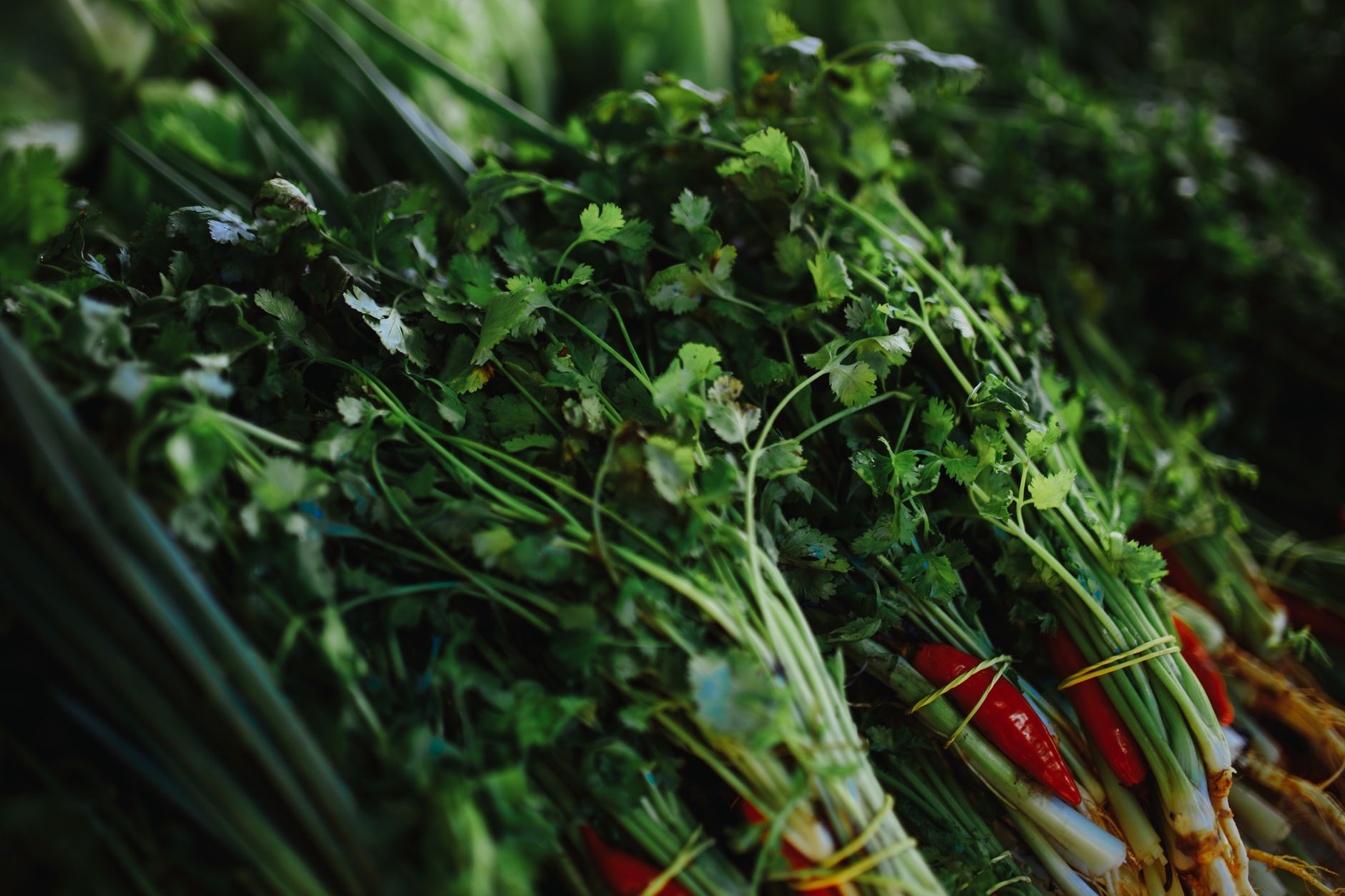
Cilantro, also called coriander leaves in many parts of the world, is the fresh leafy part of the Coriandrum sativum plant. Its bright green with delicate, lacy leaves that look a bit like flat-leaf parsley. The flavor is fresh, citrusy, and slightly peppery, though some describe it as soapy due to genetic taste variations. Cilantro grows quickly and is widely used in Mexican, Indian, Middle Eastern, and Southeast Asian cooking for its bright, fresh finish.
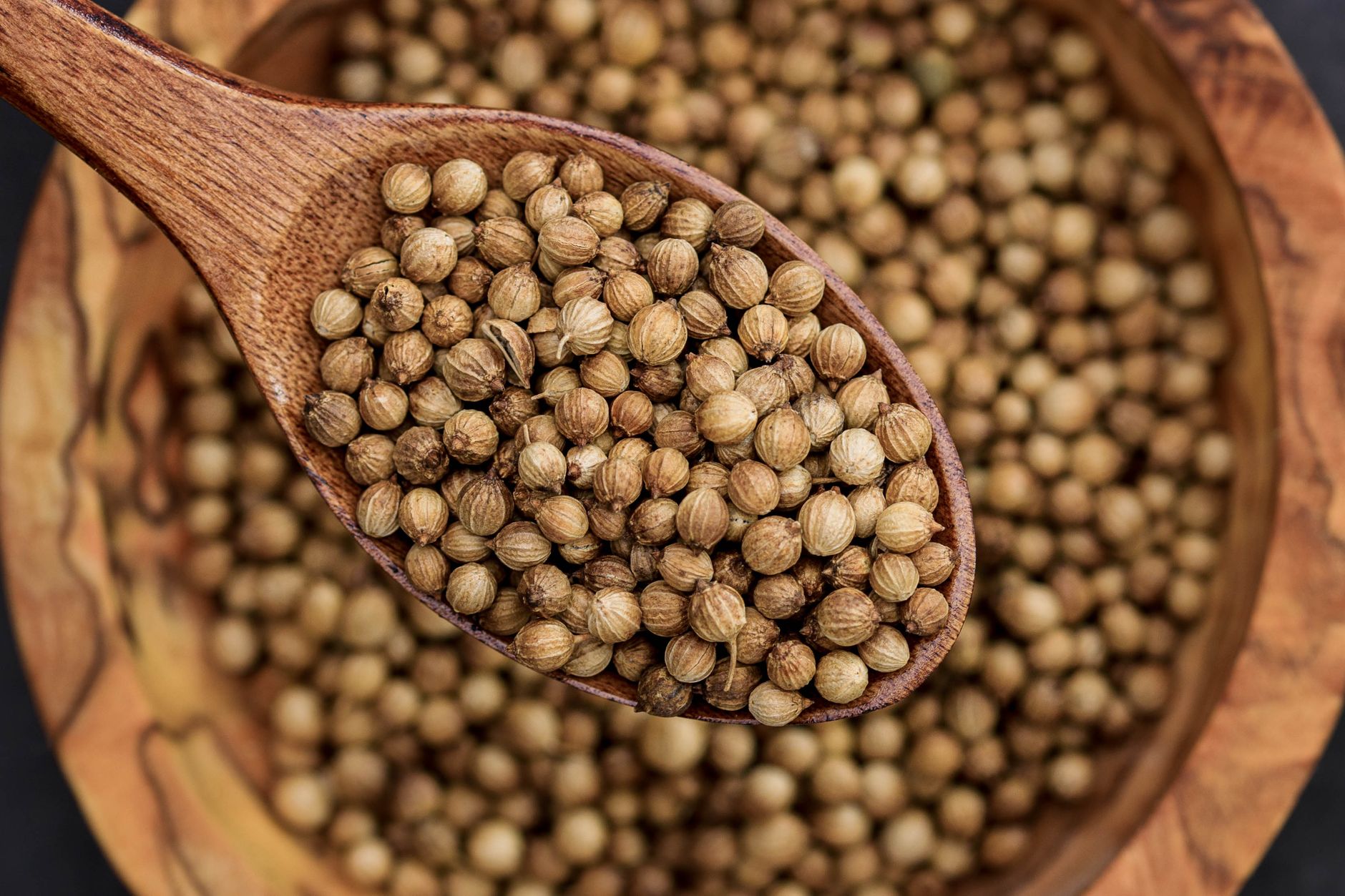
Its tender texture makes it a popular garnish for soups, salads, salsas, and curries. Popular dishes like guacamole and pho wouldnt be the same without fresh cilantro. The plants seeds, known as coriander seeds, are also used as a spice but have a very different flavor.

What is Culantro?
Culantro (Eryngium foetidum) is an herb thats often mistaken for cilantro but is in fact a completely different plant. It has long, serrated, dark green leaves that look like thick blades or sawtooth leaves. Culantro also emits a strong herbal aroma, more pungent and earthy than cilantros bright, citrusy scent. Its a staple in Caribbean, Central and South American, and Southeast Asian kitchens.
The flavor of culantro is much stronger and more robust, often described as a deeper, almost medicinal herbal note with citrus undertones. Because of its intensity, culantro is usually added early in cooking to infuse stews, soups, and sauces. Its tough texture means its rarely eaten raw, unlike cilantro.

Cilantro Vs Parsley
Many confuse cilantro with parsley due to their somewhat similar leafy appearance, especially the flat-leaf variety of parsley. But there are clear differences. Parsleys flavor is mild, grassy, and slightly bitter, while cilantro is brighter with citrus and peppery notes. Visually, parsley leaves are more rounded and softer, while cilantros are more feathery and delicate.
Parsley is often used as a neutral garnish or in Mediterranean dishes, whereas cilantro is more common in Latin American and Asian cuisines. Unlike parsley, cilantros taste can be polarizingsome people perceive it as soapy due to genetics, which does not happen with parsley.
Flavor and Culinary Uses
What Does Cilantro Taste Like?
Cilantros flavor is fresh and bright with subtle citrus and peppery notes. When raw, it brings a lively, clean taste that lifts dishes like salsa or tabbouleh. Cooking cilantro mellows its flavor and can diminish its brightness, so its often added at the end of cooking or as a garnish. However, in some soups and stews, a pinch added early still works well.
How Does Culantro Taste?
Culantro has a deeper, more pungent flavor that stands up well to heat. It has citrus hints but is more herbaceous and earthy than cilantro. This intensity means culantro is ideal for slow-cooked dishes, where its aroma infuses well without overpowering a recipe. It carries a slightly bitter edge and pairs well with garlic, peppers, and spices.
Culantro Uses in Cooking
Culantro is a flavor powerhouse in many traditional recipes. Its essential in Caribbean jerk marinades, Puerto Rican sofrito, Vietnamese pho broth, and various Central American stews. Because of its sturdy texture, culantro needs chopping into small pieces and usually cooked rather than eaten fresh. It balances fatty, rich meats and hearty beans, cutting through heaviness with its bright undertones.
Cooking with Cilantro
Cilantros versatility makes it a dream in fresh preparations like guacamole, chutneys, and fresh salads. Storing it properly keeps it fresh 57 days in the fridgetrim the stems and keep in a glass with water like a bouquet, covered loosely with a plastic bag. Use cilantro leaves raw or add near the end of cooking to retain their vibrant flavor. Try pairing cilantro with lime, chili, and cumin for classic flavor combos.
Health and Nutrition
Cilantro Health Benefits
Cilantro is loaded with antioxidants, vitamins A, C, and K, and minerals like potassium and manganese, according to USDA FoodData Central. It supports digestion, may help regulate blood sugar, and has been studied for its ability to bind heavy metals and aid in detoxification. Its antimicrobial properties can help preserve freshness in dishes.
Culantro Health Benefits
Culantro is a traditional medicinal herb used in folk remedies for its antimicrobial and anti-inflammatory effects. Studies show it contains essential oils with bioactive compounds that may aid digestion, reduce inflammation, and support the immune system. Its potent aroma comes from these natural compounds, which can soothe stomach discomfort and act as mild analgesics.
Allergies and Precautions
Both cilantro and culantro can trigger allergic reactions in sensitive individuals, though cilantro allergy is more commonly reported. Some people find cilantros flavor unpleasant due to genetic variations affecting taste receptors. Culantros stronger flavor may be overwhelming if used excessively. Both herbs are safe when eaten in typical culinary amounts but introduce gradually if trying for the first time.
Usage Tips
Cooking with Culantro
Prepare culantro by washing thoroughly and removing tough stems. Chop finely to distribute its intense flavor evenly. Use about half the amount of culantro compared to cilantro, as its much stronger. Add culantro early in cookingsimmering for 15-30 minutes helps integrate its flavor in soups, stews, and sauces. Avoid eating culantro raw unless finely minced and balanced with other fresh herbs.
Using Cilantro Like a Pro
Add cilantro at the last minute to fresh dishes or just before serving cooked recipes. Store it in the fridge upright in water, changing water every 2 days, which keeps it fresh for about a week. Cilantro tends to wilt quickly, so avoid cooking it too long to preserve its flavor and color. Pair with herbs like mint and basil for fresh herb blends.
Comparison at a Glance
| Feature | Cilantro | Culantro |
|---|---|---|
| Scientific Name | Coriandrum sativum | Eryngium foetidum |
| Leaf Appearance | Delicate, lacy, flat leaves | Long, thick, serrated leaves |
| Flavor | Fresh, citrusy, slightly peppery | Strong, pungent, earthy |
| Common Uses | Raw garnish, salads, salsas, fresh dips | Cooked in stews, sauces, marinades |
| Texture | Tender, soft | Thick, tough |
| Typical Cuisine | Mexican, Indian, Middle Eastern, Southeast Asian | Caribbean, Central America, Southeast Asia |
| Health Benefits | Antioxidants, vitamins, blood sugar support | Anti-inflammatory, antimicrobial, digestive support |
Pro Tips for Fresh Herbs
One of the biggest mistakes is using culantro instead of cilantro (or vice versa) without adjusting the quantity. Culantros sharp flavor easily overpowers dishes if used in the same amount as cilantro. When substituting, use about one-third the amount of culantro. If you cant find fresh cilantro, try dried coriander leaves cautiously, but remember dried loses much of the fresh aroma.
Store fresh herbs away from strong-smelling foods to avoid flavor contamination. If you want to experiment beyond cooking, try growing cilantro and culantro at homethey thrive well in warm climates and provide a steady supply of fresh leaves.
For milder fresh herb ideas, check out foods high in protein and low in calories for complementary ingredients to pair with either herb.
Is cilantro vs culantro actually Halal what should I check?
Both cilantro and culantro are naturally Halal as they are plant-based herbs. When purchasing, look for products certified by trusted organizations like JAKIM, HMC, or IFANCA if offered as packaged or pre-cut herbs to ensure processing meets Halal standards. Fresh bulk herbs usually do not require certification but verify labeling on processed mixes for assurance.
When is the best time to eat or use cilantro and culantro?
Cilantro is best enjoyed freshadd it raw or at the end of cooking for maximum flavor. Culantro is more suited for cooked dishes and should be added early to longer-cooking stews or soups to release its aroma and mellow bitterness.
Can I substitute culantro for cilantro in recipes?
Yes, but use culantro sparingly as it has a much stronger, more pungent flavor. Start with one-third the amount and adjust based on taste. Culantro is best for cooked dishes rather than raw uses.
How long does fresh cilantro last in the fridge?
Stored properly in a glass of water with a loose plastic cover, cilantro lasts about 5 to 7 days. Changing the water every couple of days helps maintain freshness.
Does cooking destroy cilantros nutrients?
Some vitamins like vitamin C are sensitive to heat, so cooking cilantro can reduce these nutrients. To get the most benefit, add cilantro fresh or near the end of cooking.
What is the best way to prepare culantro for cooking?
Wash culantro leaves thoroughly and chop finely since the leaves are tough. Incorporate it early in cooking for at least 15 minutes to soften the flavor.
Are there any allergies related to these herbs?
Allergic reactions to cilantro are rare but possible, including skin irritation or digestive upset. Culantro can also cause sensitivities due to its strong oils. Introduce both herbs gradually, especially in children or sensitive individuals.
More You Might Like
Explore best foods to eat after wisdom teeth removal for easy recipes with fresh herbs. Also, discover which foods high in protein and low in calories pair well with flavorful herbs like cilantro and culantro.

Understanding cilantro vs culantro helps you approach recipes with more confidence. Both herbs bring unique flavors and health benefits to your table, so try them both and see which fits your favorite dishes. Next time you shop, take a close look at the leaves and flavor profile so you pick the one thats just right for your recipeand enjoy a vibrant boost of freshness or boldness in every bite.
FAQs
Is cilantro vs culantro actually Halal — what should I check on the label?
Both cilantro and culantro are naturally Halal since they are plant-based herbs. When buying packaged or pre-cut versions, look for certification from trusted organizations like JAKIM, HMC, or IFANCA to ensure Halal processing. Fresh bulk herbs usually don’t require certification, but check any processed products for proper labeling.
When is the best time to eat or use cilantro and culantro?
Cilantro is best used fresh and added raw or near the end of cooking to preserve its bright flavor. Culantro’s stronger taste suits cooked dishes, so add it early during long cooking times like in stews or soups for the best aroma infusion.
How long does fresh cilantro last in the fridge?
Properly stored upright in a glass of water with a loose cover, fresh cilantro lasts about 5 to 7 days. Changing the water every 2 days helps maintain its freshness and vibrant texture longer.
What is the main difference between cilantro and parsley?
Cilantro has bright, citrusy, and peppery notes, while parsley offers a mild, grassy, and slightly bitter flavor. Visually, cilantro leaves are delicate and feathery, whereas parsley leaves are rounder and softer. Their culinary uses and flavor profiles are distinct.
Where can I buy fresh cilantro and culantro?
Fresh cilantro and culantro are commonly available at farmers’ markets, grocery stores with fresh herb sections, Asian or Latin American specialty markets, or you can grow them at home in warm climates for continuous freshness.