Hey there glad you stopped by. If youve been wondering what to eat every day thats both nourishing and easy to stick with, youre in the right place. Lets chat about everyday foods that help you feel energized, calm your cravings, and support long-term health without turning meals into a chore.
Why choose whole
First, a quick reality check: Healthy doesnt mean perfect. It means choosing foods that give your body steady energy, support your mood, and keep things running smoothly. Whole foods those minimally processed, nutrient-dense choices are the backbone of this approach. Think colorful produce, lean proteins, whole grains, nuts, seeds, and fermented foods. They bring vitamins, fiber, healthy fats, and protein without the added sugar and fillers that leave you tired three hours after lunch.
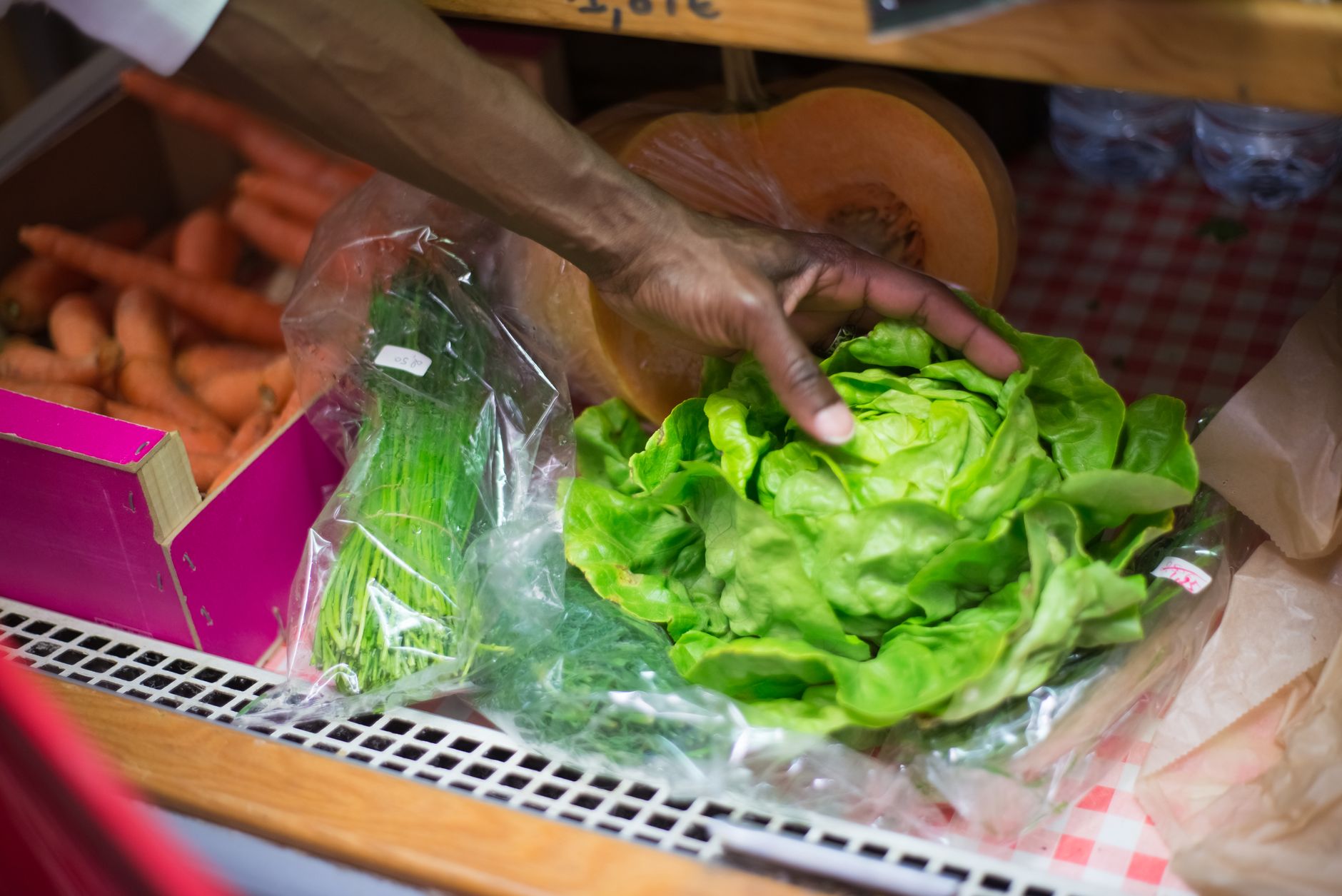
Vegetables every day
Vegetables are the unsung heroes of daily eating. Theyre low in calories, high in fiber, and packed with micronutrients. My tip? Aim to fill half your plate with veggies whenever possible. A few favorites to rotate through:
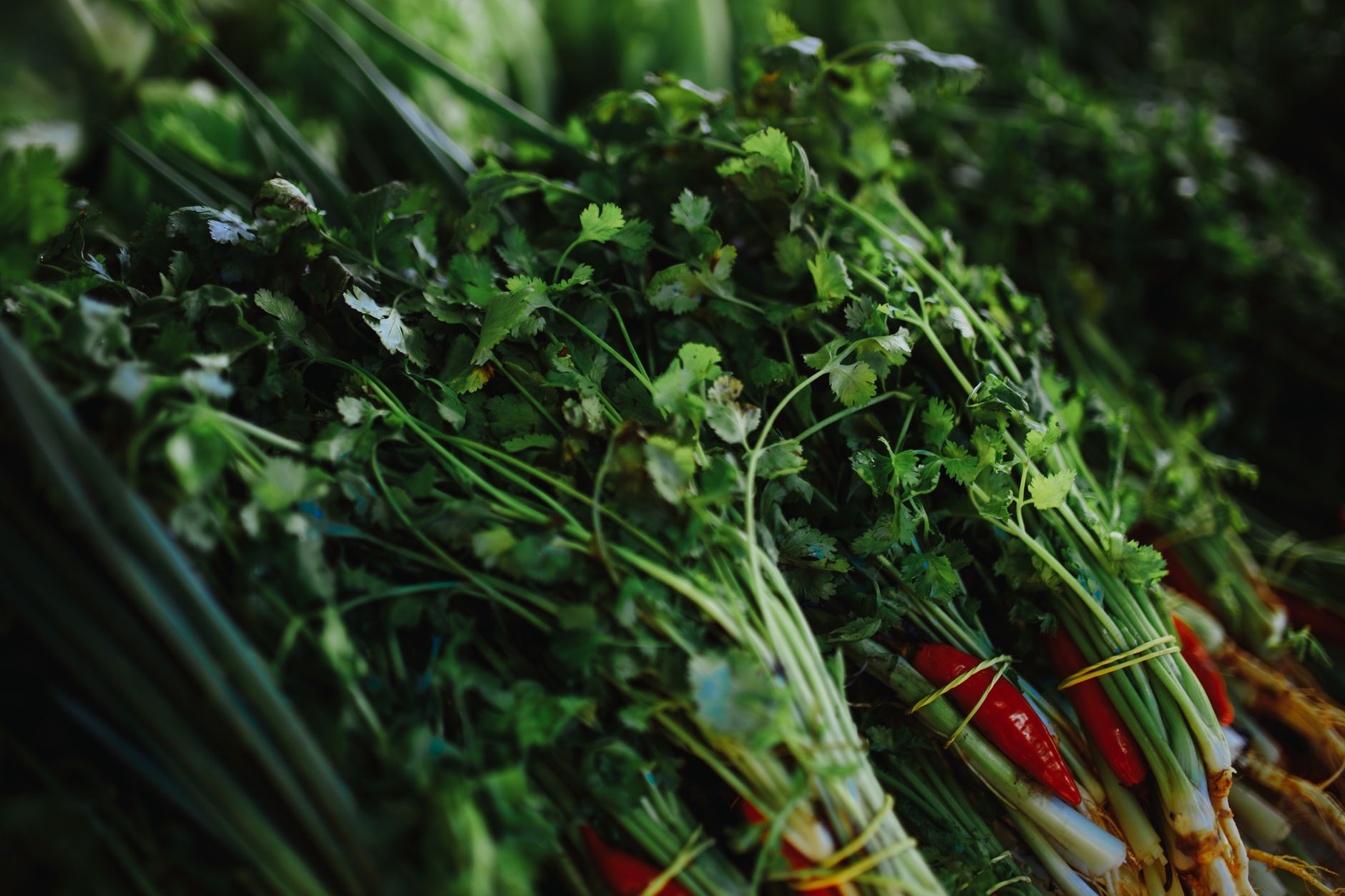
- Leafy greens (spinach, kale, arugula) nutrient powerhouses that blend well into salads, smoothies, or omelets.
- Cruciferous veggies (broccoli, cauliflower, Brussels sprouts) great roasted or steamed for satisfying texture and cancer-fighting compounds.
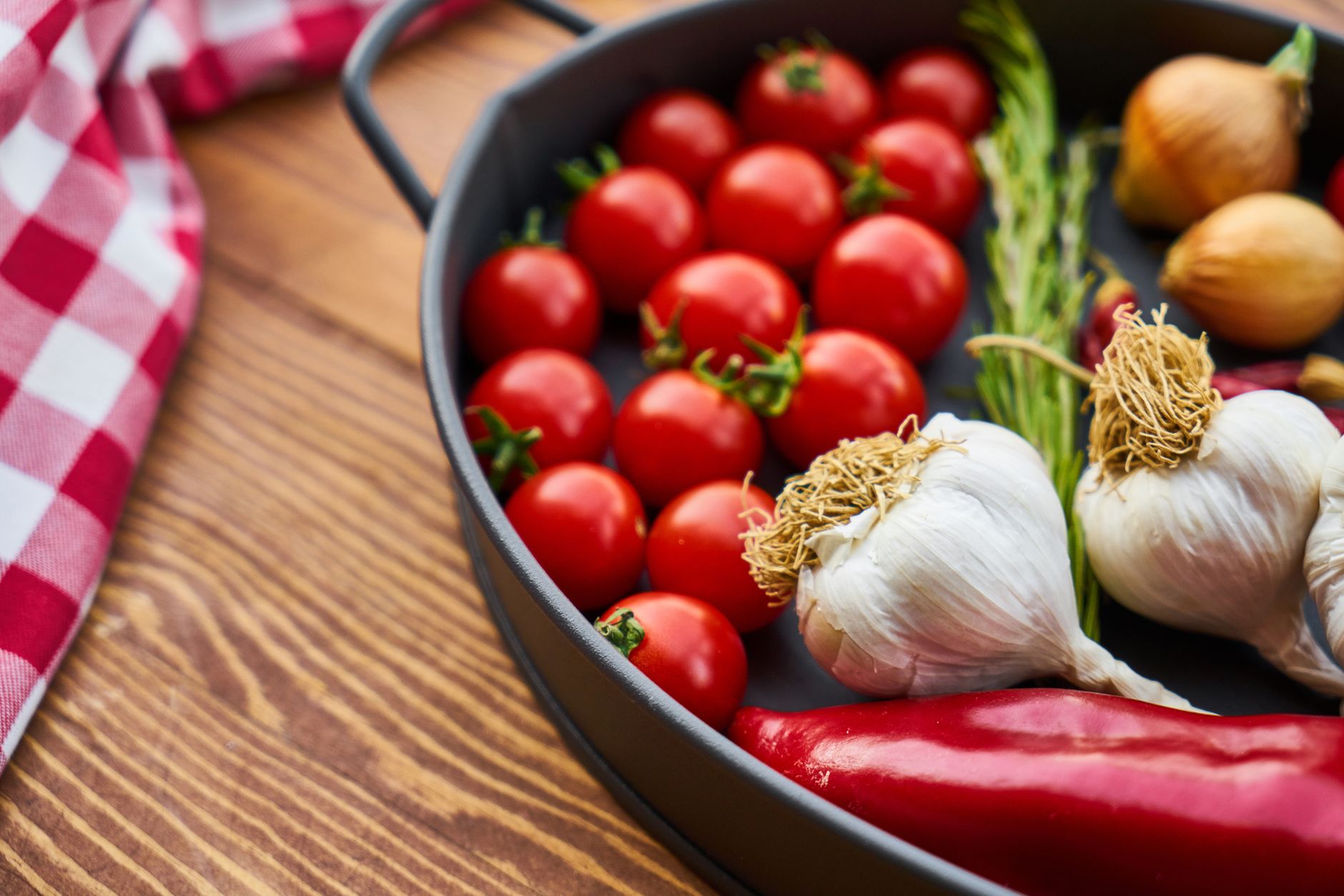
- Colorful peppers, carrots, and beets add sweetness, crunch, and antioxidants.
Heres a little trick I use: roast a big tray of mixed vegetables on Sunday and add them to bowls, wraps, or breakfast scrambles during the week. Its a small habit that saves time and makes choosing veggies easy.
Fruits for everyday
Fruit is natures dessert sweet, portable, and full of vitamins and fiber. Berries, apples, bananas, and citrus are all excellent daily picks. Berries are particularly nutrient-dense, while bananas are great for quick energy and potassium.
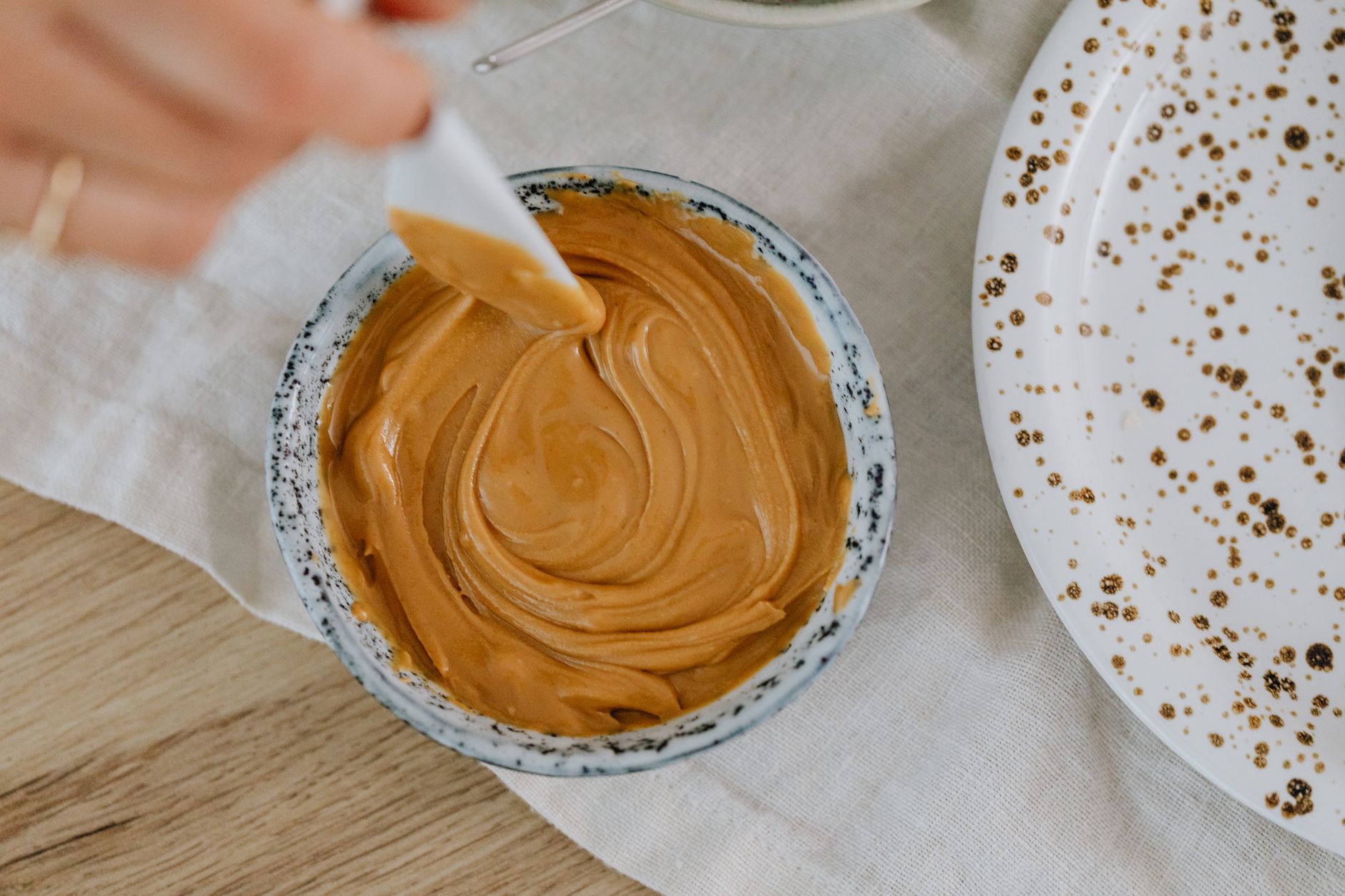
Pro tip: Pair fruit with a source of protein or fat (Greek yogurt, nut butter, or a handful of almonds) to slow blood sugar spikes and keep you feeling satisfied longer.
Lean proteins daily
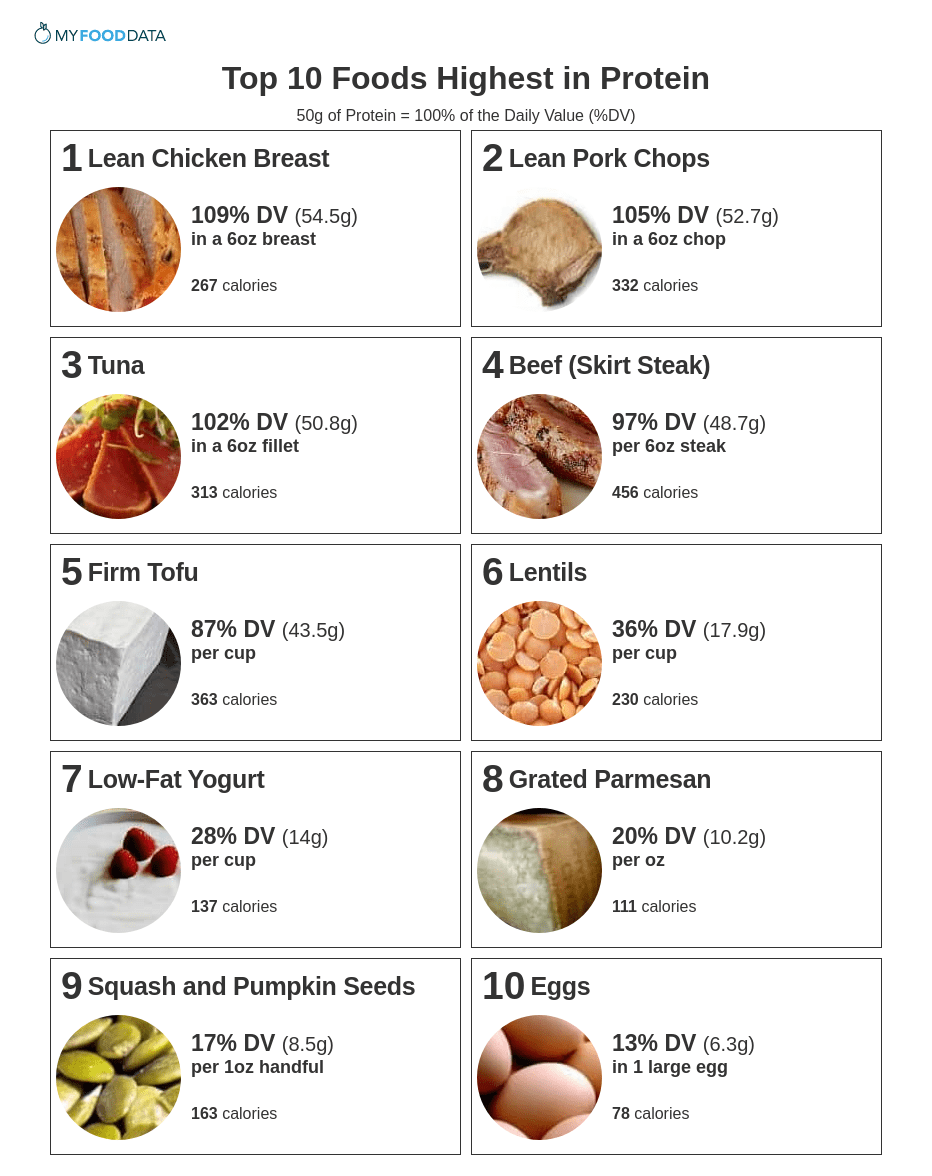
Protein is essential for repair, satiety, and maintaining muscle as we age. Including a source at each meal helps keep hunger in check and supports steady energy. Some reliable, everyday protein options include:
- Eggs versatile and nutrient-rich for breakfast, lunch, or dinner.
- Greek yogurt creamy, tangy, and higher in protein than regular yogurt.
- Fish (especially salmon or tuna) great for heart-healthy omega-3 fats.
- Lean poultry and tofu flexible and easy to flavor for weeknight meals.
If youre tracking protein more carefully or prefer plant-based choices, check out resources like Whole foods high in protein and Plant based foods high in protein to find options that work for your lifestyle (these guides helped me rethink meal planning during a vegetarian experiment).
Smart grains and starchy choices
Carbohydrates arent the enemy. Whole grains and starchy veggies provide lasting energy and fiber. Swap refined carbs for better options like:
- Quinoa, brown rice, and barley
- Oats perfect for a cozy breakfast or overnight oats
- Sweet potatoes rich in beta-carotene and satisfying in texture
These choices stabilize blood sugar and pair well with proteins and veggies for balanced meals. Need ideas? Try a grain bowl with roasted veggies, grilled chicken, and a lemon-tahini drizzle comfort food that actually helps you feel good.
Healthy fats to include
Fats help with nutrient absorption and make meals fulfilling. Not all fats are created equal. Favor unsaturated fats like:
- Avocado creamy and great on toast or in smoothies
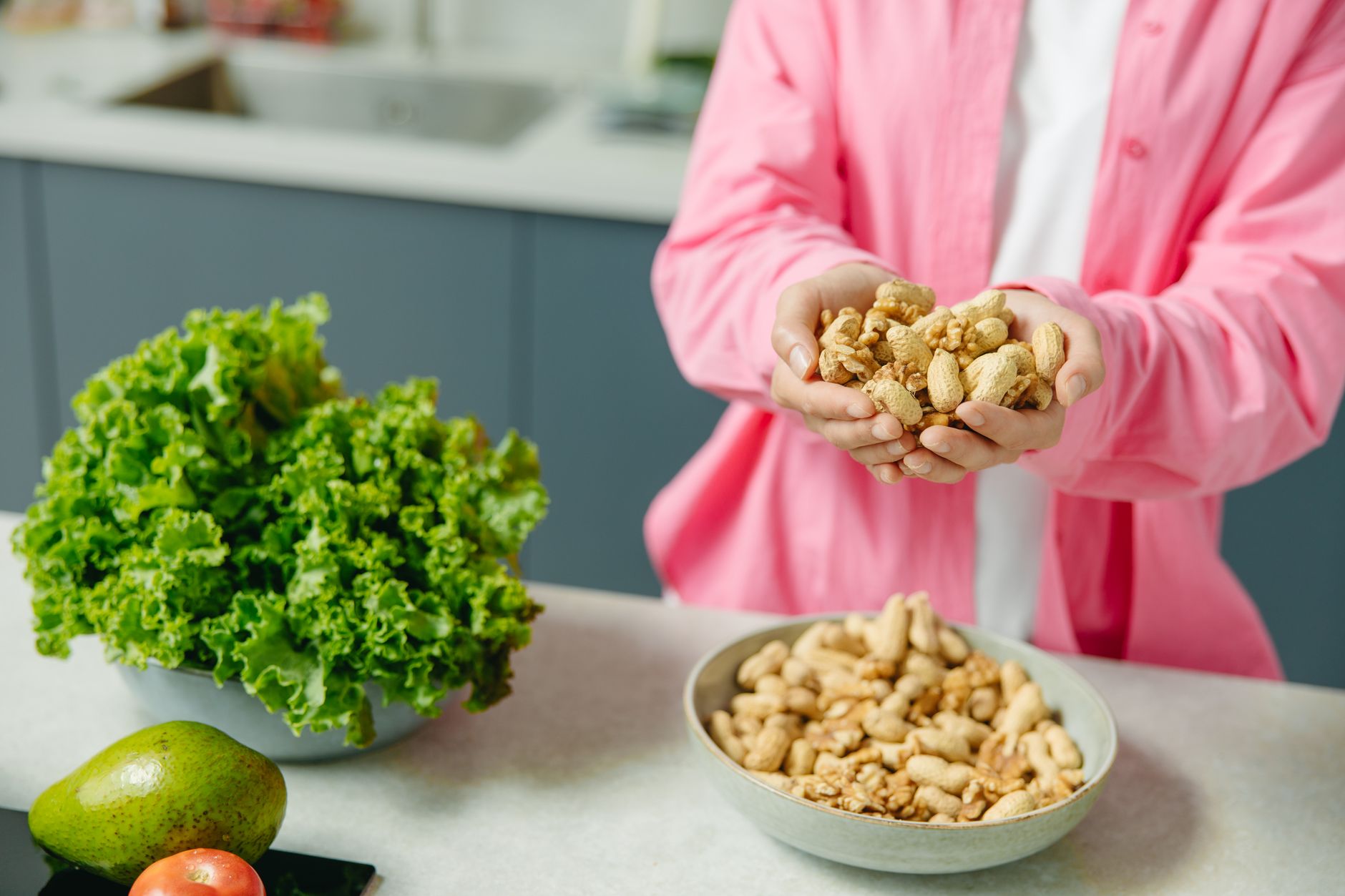
- Nuts and seeds almonds, walnuts, chia, and flax
- Extra-virgin olive oil for dressings and finishing dishes
- Fatty fish salmon and mackerel for omega-3s
Include a moderate portion of healthy fats daily a small handful of nuts, a tablespoon of olive oil on a salad, or half an avocado and youll notice meals feel more satisfying and delicious.
Fermented foods for gut health
Your gut and brain chat constantly. Including a source of probiotics can support digestion and immunity. Think yogurt, kefir, sauerkraut, kimchi, or miso. Theyre simple to add: a spoonful of sauerkraut on a sandwich or a serving of kefir with your morning fruit goes a long way.
Simple snacks that do the job
Snacks dont have to be boring. Keep a few go-to options handy so you dont reach for convenience foods:
- Apple slices with almond butter
- Greek yogurt with berries
- Carrot sticks and hummus
- A small handful of mixed nuts
These options keep hunger steady and add nutrient variety to your day.
Hydration matters
Water often gets overlooked, but its essential. Aim for consistent sips throughout the day. If plain water bores you (I get it), jazz it up: add a slice of citrus, cucumber, or fresh mint. Herbal teas count toward hydration too, and theyre a cozy way to relax after a long day.
Putting it together: sample daily menu
If youd like a no-fuss plan, heres a balanced day thats easy to adapt:
- Breakfast: Oatmeal topped with berries, a spoonful of Greek yogurt, and chia seeds.
- Lunch: Grain bowl with quinoa, roasted vegetables, chickpeas, avocado, and a lemon-tahini dressing.
- Snack: Apple slices with peanut butter.
- Dinner: Baked salmon, steamed broccoli, and a sweet potato.
- Evening: A small cup of kefir or a piece of dark chocolate if you want something sweet.
See how it balances protein, fiber, and healthy fats? That combination keeps energy level steady and moods more even.
Protein tips for every eater
Whatever your dietary preference, protein can be accessible and affordable. If youre curious about optimizing protein choices or exploring alternatives, you might find these helpful: Foods high protein low calorie list and Foods high protein low calorie per 100g. Theyre practical when you want to build meals that satisfy without excess calories. Also, if youre aiming to include even more protein in your routine, these guides on Foods high in protein low in calories and Foods high in protein low in fat offer useful direction.
Small habits that change everything
Big changes often start with tiny habits. Try these simple shifts over the next week:
- Add one extra vegetable to a meal each day.
- Swap refined grains for a whole-grain option twice this week.
- Eat a protein source at every meal for better fullness and energy.
- Keep a water bottle nearby and aim to refill it at least twice.
These little moves build momentum. After a few weeks, they become automatic and you wont even need to think about them.
Common stumbling blocks and fixes
Life gets busy. Heres how to navigate common hiccups without guilt:
- No time to cook? Batch-cook grains and roast vegetables on Sundays so you can assemble meals in minutes.
- Food gets expensive? Choose budget-friendly protein like eggs, canned tuna, beans, and seasonal produce.
- Cravings for sweets? Pair a small treat with a protein or fat to reduce urges later in the day.
Simple systems beat perfect decisions. If you plan a little, youll save time, money, and energy.
How to personalize this plan
Were all different activity levels, taste preferences, budget, and cultural foodways vary. Tune into what makes you feel good. Do you need more carbs for your workouts? Add an extra serving of whole grains. Prefer vegetarian meals? Lean on legumes, tofu, and whole grains for protein and satisfaction. For inspiration and deeper dives into protein-rich choices tailored to different diets, check out resources like What are foods high in protein and Vegan foods high in protein theyve got practical lists and meal ideas that helped me when I experimented with plant-based weeks.
Wrapping up: make it enjoyable
Eating well shouldnt feel like punishment. Its about giving your body the resources to do what it loves: move, think, sleep, and enjoy life. Keep things colorful, keep them simple, and remember that flexibility is part of sustainability. Enjoy a cookie, a piece of cake at a celebration, or a favorite takeout just bring the good stuff back into your routine tomorrow.
What healthy swaps or small habits do you want to try this week? Share your thoughts Id love to hear what works for you. And if you want a deeper dive into building meals that match your goals, check out this curated list of Best foods for inspiration and practical swaps that make daily choices easier (its one of my go-to resources).
Thanks for reading heres to feeling a little lighter, more energized, and a whole lot more nourished, day by day.
FAQs
How can I start incorporating healthy foods to eat everyday into a busy schedule?
Begin with one small habit, like prepping a tray of roasted vegetables on Sundays and keeping quick protein options handy. Build meals around colorful produce and whole grains to simplify daily choices.
What are the best lean protein options for daily meals?
Eggs, Greek yogurt, fish such as salmon or tuna, lean poultry, tofu, and legumes provide reliable daily protein and help with fullness and muscle maintenance.
Which grains are best for steady energy throughout the day?
Quinoa, brown rice, barley, oats, and even starchy veggies like sweet potatoes offer fiber and slow-digesting carbs that stabilize energy and blood sugar.
How do fermented foods support gut health?
Yogurt, kefir, sauerkraut, kimchi, and miso introduce probiotics that support digestion and immunity and pair well with meals for added flavor and benefits.
How can I personalize this plan to my diet and goals?
Consider your activity level, budget, and taste preferences. Increase whole grains for more carbs, choose lean proteins for each meal, and adapt with plant-based options or cultural foods while keeping balance and variety.