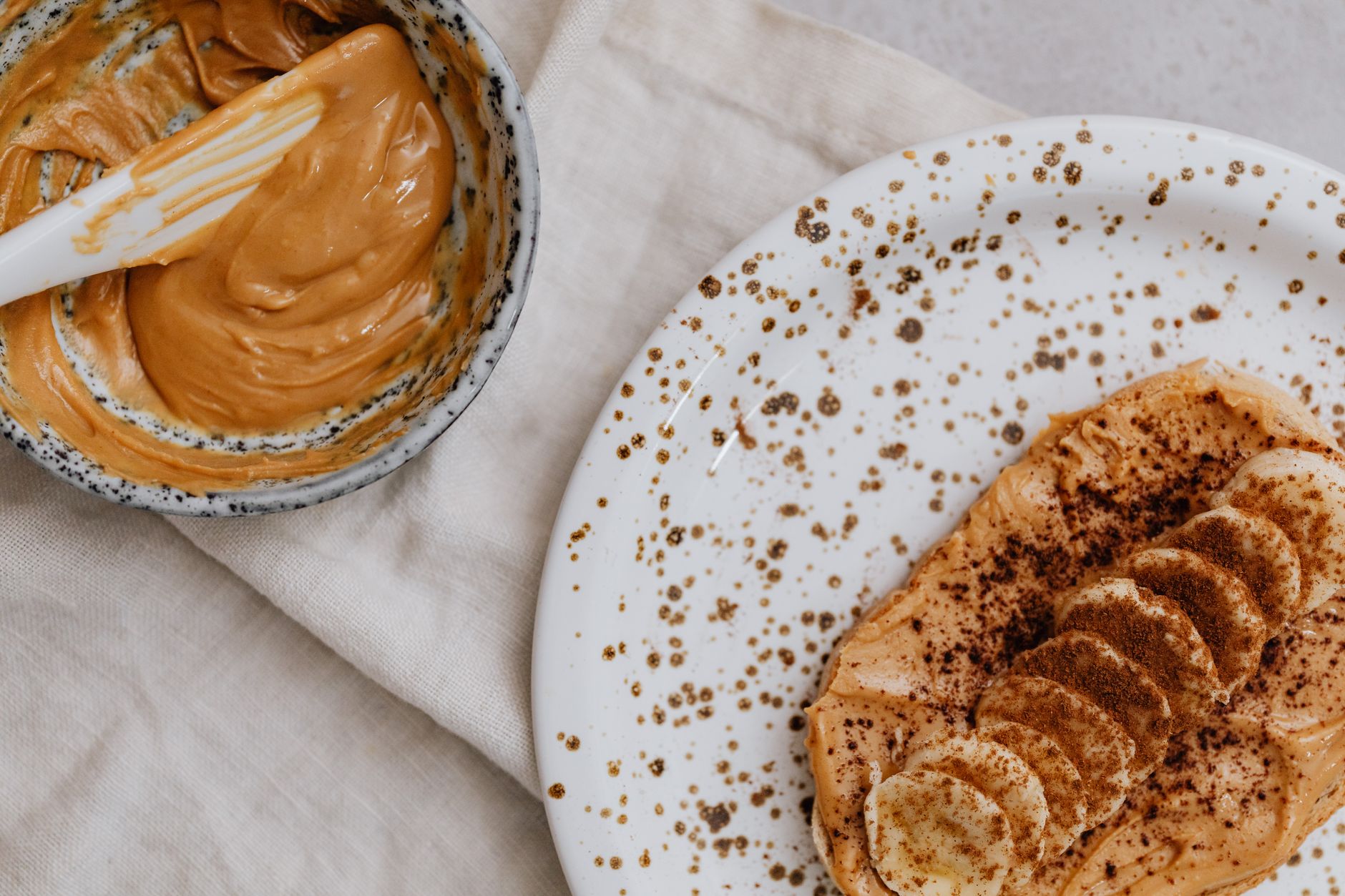
Alright, lets cut through the noise peanut butter is a snack staple for many of us, but not all jars are created equal. Some brands might look tempting on the shelf, all shiny labels and natural claims, but behind the scenes, they could be loaded with sneaky sugars, unnecessary oils, or preservatives that you really dont want in your diet.
If youre like me, youve probably stood in the peanut butter aisle, staring at dozens of options thinking, Which one should I actually buy? Well, youre in the right place. Were diving into the nitty-gritty of peanut butter brands the ones worth your hard-earned money and the ones you should seriously think twice about. No fillers, no fluff. Just honest talk about whats good for you and whats... well, not so much.
How We Evaluated Brands
Before we jump into the good, the bad, and the ugly, I want to tell you how we sized up these peanut butter brands. Because, trust me, not all healthy peanut butter labels mean much if you dont know what to look for.
What Nutritional Factors Matter
Heres the deal: sugar is king when it comes to junking up peanut butter. A little natural sweetness from peanuts is fine, but added sugars? Nope, dont want em in excess. Then there are oils not all are created equal. Many brands sneak in hydrogenated oils or palm oil, which can be unnecessary and unhealthy.
Sodium levels matter too some brands sprinkle in salts you just dont need. And preservatives? If you cant pronounce it, its usually best to avoid.
Why Ingredient Lists Are Crucial
You know that moment when you pick up a jar and flip it over to the ingredient list? Thats your golden ticket. A healthy peanut butter usually boasts just peanuts, maybe a pinch of salt, and sometimes a drop of natural oil. If youre seeing anything longer than that, especially with words that sound like chemistry experiments, it might be time to put the jar back.
Testing for Taste and Texture
Of course, health matters, but taste is king in our world, right? A peanut butter thats too gritty or too oily might not make it to my morning toast. We sought a balance smooth and creamy, or crunchy but fresh without compromising on the good stuff.
Expert Insight Matters
We also leaned on some smarts here nutritionists and food scientists helped us understand the deeper impact of those ingredients. Its fascinating how small changes in ingredients can mean a big difference in health benefits.
| Criteria | Why It Matters | What We Looked For |
|---|---|---|
| Sugar Content | Excess sugar can sneak calories and harm metabolism | Low added sugar or none |
| Added Oils | Hydrogenated or palm oils lower nutritional value | Natural peanut oil or none |
| Preservatives | Can cause unwanted health effects | Minimal or no preservatives |
| Sodium Levels | Too much salt is unhealthy | Low sodium preferred |
| Texture & Taste | Enjoyment factor | Balanced flavor and smooth or crunchy texture |
Brands to Avoid
Okay, lets be honest some of the big-name brands get popular for marketing, not for whats actually inside the jar. Heres who you should think twice about, backed by a close look at their ingredients and nutritional values.
Why Some Brands Miss the Mark
High sugars, artificial additives, and oils that dont belong often make these brands less healthy than youd expect. Plus, some compromise flavor for shelf life, and nobody wants that fake sticky sweet taste.
Examples of Brands to Avoid
Jif Probably a familiar name, but it frequently slips in hydrogenated oils and a surprising amount of sugar. Not exactly a treat for your heart health or blood sugar levels.
Essential Everyday This one often hides preservatives and sweeteners under the radar. If youre aiming for healthy peanut butter, youll want to skip this.
Santa Cruz, Ferris Nut Co., and Earth Balance are other brands wed place firmly in the avoid category until they clean up their act a bit.
Even some natural sounding brands like Justin's didnt quite hit all our health marks sometimes due to added cane sugar or oils that raised alarm bells.
| Brand | Why Avoid | Common Ingredients to Watch |
|---|---|---|
| Jif | Added sugars, hydrogenated oils | Sugar, palm oil, mono & diglycerides |
| Essential Everyday | Preservatives, sweeteners | Sugars, calcium propionate |
| Santa Cruz | Added oils | Palm oil, sugars |
| Ferris Nut Co. | Oxidized oils, preservatives | Preservatives, refined oils |
| Earth Balance | Added oils, sugars | Sugar, refined oils |
| Justin's | Added cane sugar | Cane sugar, natural flavors |
Brands You Should Buy
Now for the fun part! Heres the scoop on peanut butter brands that truly stand out clean ingredients, good taste, and a healthy profile. These are the ones I trust to slather on my toast or toss into smoothies.
What Makes These Brands Shine
Briefly? Simple ingredients list, minimal or no added sugar, and natural oils only. Organic options often win extra points, too. Plus, consistent flavor and texture that make eating peanut butter a joy, not a chore.
Skippy Natural is one of my personal favorites. It stays smooth without being overly processed or sugar-loaded.
Adams is another solid pick for peanut butter lovers who want classic taste without the additives.
Once Again takes the organic route seriously, offering an all-around clean, wholesome product.
MaraNatha blends taste with health in a way that hits the spot for many peanut butter fans.
Wild Harvest is perfect if youre keeping an eye on budget but still want quality ingredients.
Its funny, sometimes you dont expect store brands to deliver, but some do a pretty great job in the healthy peanut butter space.

| Brand | Highlights | Ingredients | Average Price |
|---|---|---|---|
| Skippy Natural | Low sugar, no hydrogenated oils | Peanuts, salt | $4 - $6 |
| Adams | Classic taste, minimal ingredients | Peanuts, salt | $5 - $7 |
| Once Again | Organic, no preservatives | Organic peanuts | $7 - $9 |
| MaraNatha | Rich flavor, no added sugar | Peanuts, salt, natural oils | $6 - $8 |
| Wild Harvest | Affordable, decent quality | Peanuts, salt | $3 - $5 |
Healthy Peanut Butter Buy Guide
Want to become a label-reading ninja? Youre in the right spot. Heres your quick peanut butter buy guide think of it as your shopping cheat sheet for the next time peanut butter calls your name in the grocery aisle.
Read Labels Like a Pro
First rule: keep it simple. If the ingredient list looks like a chemistry quiz, bail out. A good peanut butter brand usually has just peanuts and maybe salt. Sometimes a little peanut oil, but thats it.
Look for Organic and Non-GMO Certifications
Organic peanuts tend to have fewer pesticides and higher nutritional value. Non-GMO Verified labels add an extra layer of trust, especially if youre picky about what goes into your food.
Creamy, Crunchy, or Natural?
Whether you love creamy or crunchy, opt for natural where possible meaning no added sugars or hydrogenated oils. Just stir it before scooping and enjoy peanut butter in its most honest form.
Price vs. Quality
Yeah, sometimes you have to pay a bit more for better quality, but its worth it especially if peanut butter is a regular in your diet. But that doesnt mean you have to break the bank; brands like Wild Harvest deliver solid value.
Pro tip: snagging deals on a trusted brand or using a best credit card for groceries can help stretch your budget without sacrificing quality.
Storing Peanut Butter Properly
Now, you might not think storing peanut butter deserves much thought, but trust me it can make all the difference between a fresh jar and one that's gone funky.
Refrigerate or Not?
Natural peanut butter tends to separate because of its lack of stabilizers. Stir well, but its best kept in the fridge to avoid rancidity. For processed, high-oil peanut butters, room temp is usually fine, but watch for weird smells or tastes.
Keeping It Smooth and Fresh
Avoid double-dipping or using dirty spoons it not only contaminates the jar but can cause spoilage. Make a habit of giving the jar a good stir and sealing it tightly afterward.
How Long Does It Last?
Unopened natural peanut butter can last months, but once opened, aim to finish it within 3 months for the best flavor and nutrition.
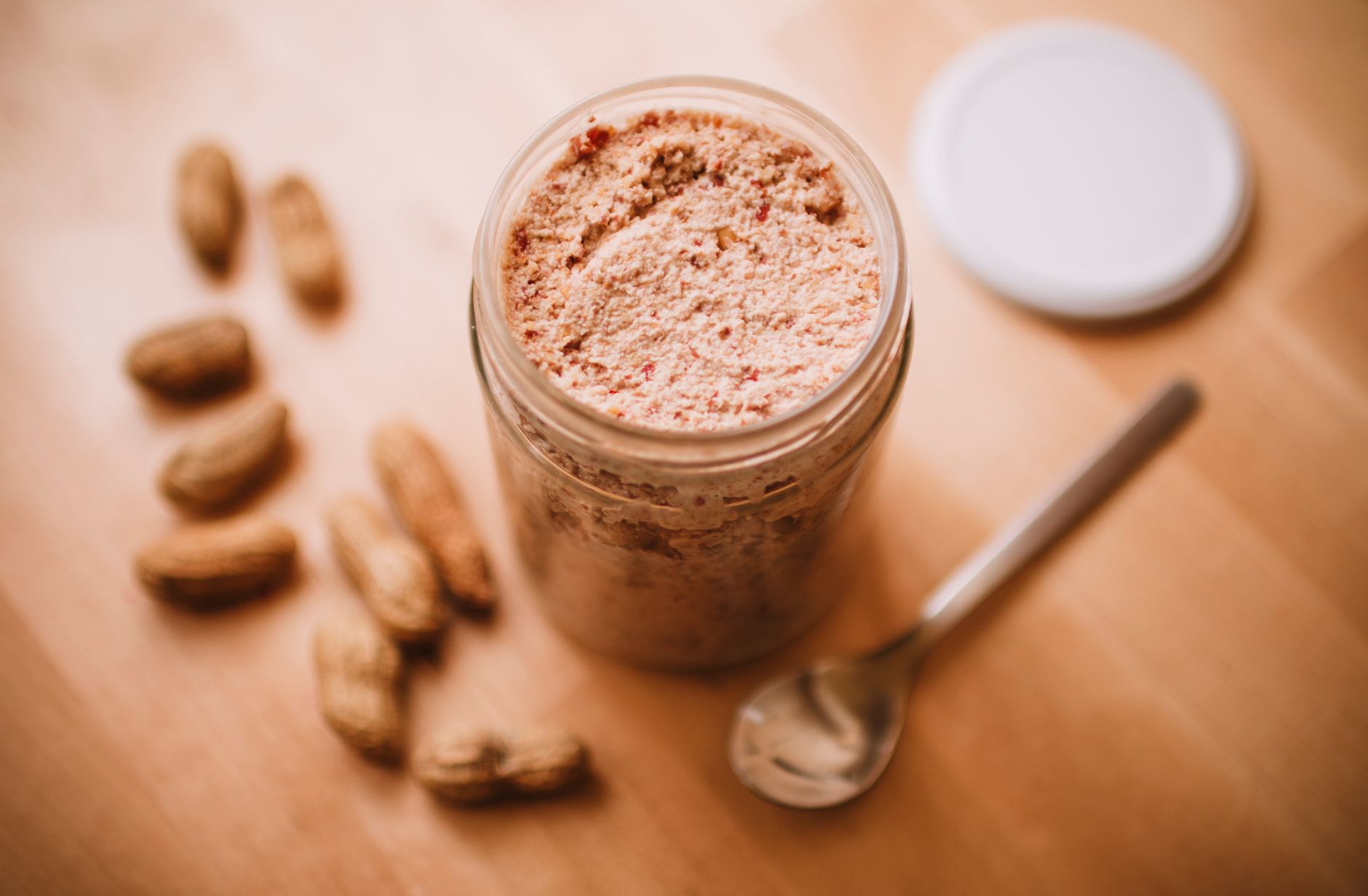
Wrap-Up: What to Remember About Peanut Butter Brands
So, heres the takeaway: Pay attention to whats inside your peanut butter jar because it really does matter. Some brands might tempt you with bright packaging and catchy slogans, but dig a bit deeper. Those hidden sugars, oils, and preservatives add up and none of us want that sneaky stuff messing with our health.
The best peanut butter brands keep it simple, honest, and tasty. They focus on peanuts first and foremost, without drowning the flavor in sugar or fillers. Once you spot those, youll feel confident grabbing your jar and knowing youre doing right by your body and your taste buds.
I hope this peanut butter review has saved you some guesswork and brought some clarity to the aisle chaos. If youre curious about other ways to eat healthy or want inspiration for balanced meals, check out this top 10 healthy foods list. Its a great mix to get you started!
Now, Im curious what peanut butter brands do you swear by? Or maybe youve had a peanut butter fail story to share? Lets chat in the comments below. After all, peanut butter is better when shared!
FAQs
Which peanut butter brands are considered the healthiest?
Brands like Skippy Natural, Adams, Once Again, MaraNatha, and Wild Harvest stand out due to their simple ingredients, minimal or no added sugars, and absence of hydrogenated oils.
Why should I avoid brands like Jif and Essential Everyday?
These brands often contain added sugars, hydrogenated oils, preservatives, and other additives that may negatively impact health and add unnecessary calories.
How can I read peanut butter labels effectively?
Look for a short ingredient list mainly featuring peanuts and possibly salt or natural peanut oil. Avoid long lists with unrecognizable preservatives, added sugars, and hydrogenated oils.
Is organic peanut butter always better?
Organic peanut butter usually has fewer pesticides and higher nutritional value, but always check the ingredient list to ensure there are no added sugars or unhealthy oils.
Should I refrigerate peanut butter to keep it fresh?
Natural peanut butters without stabilizers benefit from refrigeration to prevent rancidity and separation, while processed peanut butters can often be stored at room temperature.