Cantaloupe gone bad is easy to miss if you dont know what signs to watch for. You might find a melon that looks okay on the outside but tastes off or smells sour inside. Eating spoiled cantaloupe isnt just unpleasant it can cause food poisoning, so learning how to tell if your cantaloupe is still fresh helps keep you healthy and saves you money. Lets explore simple ways to check your cantaloupe for spoilage, how to pick a good melon, and the health risks tied to eating bad fruit.
Signs of Spoilage
What Are the Common Signs of Cantaloupe Spoilage?
The first step to identifying cantaloupe gone bad is recognizing spoilage cues. Here are the most common warning signs:
- Soft or mushy patches: The rind might look wrinkled or feel squishy instead of firm and slightly springy.
- Sour or fermented smell: Cantaloupe usually has a sweet, musky aroma. If it smells sharp, sour, or off, it‘s likely spoiled.
- Mold growth: White, green, or black fuzzy spots on the rind or flesh mean its time to toss it.
- Discolored flesh: Fresh cantaloupe flesh is vibrant orange or peachy. Brown, dull, or translucent parts are signs of decay.
- Slimy texture: When the inner fruit feels sticky or slimy, it has started to rot.
Spotting these signs early can prevent you from enjoying a rough bite or worse, falling ill.
Can You Eat Cantaloupe With Minor Bruises or Soft Spots?
Not all blemishes mean your cantaloupe has gone bad. Small bruises or soft spots near the rind can happen through handling and dont always spoil the whole fruit. If you find minor bruises, cut around them and check the flesh underneath. As long as the flesh looks and smells fresh, that part is safe to eat. However, avoid fruit that is mushy over a large surface or has foul odors those areas should be discarded completely.
Visual Comparison: Fresh vs. Spoiled Cantaloupe
| Feature | Fresh Cantaloupe | Spoiled Cantaloupe |
|---|---|---|
| Rind Texture | Firm with netted pattern, no mushy spots | Soft, wrinkled, moldy patches |
| Smell | Sweet, musky aroma near stem | Sour, fermented odor |
| Flesh Color | Bright orange or peachy | Dull, brown, or translucent |
| Texture | Juicy but firm | Slimy or mushy |
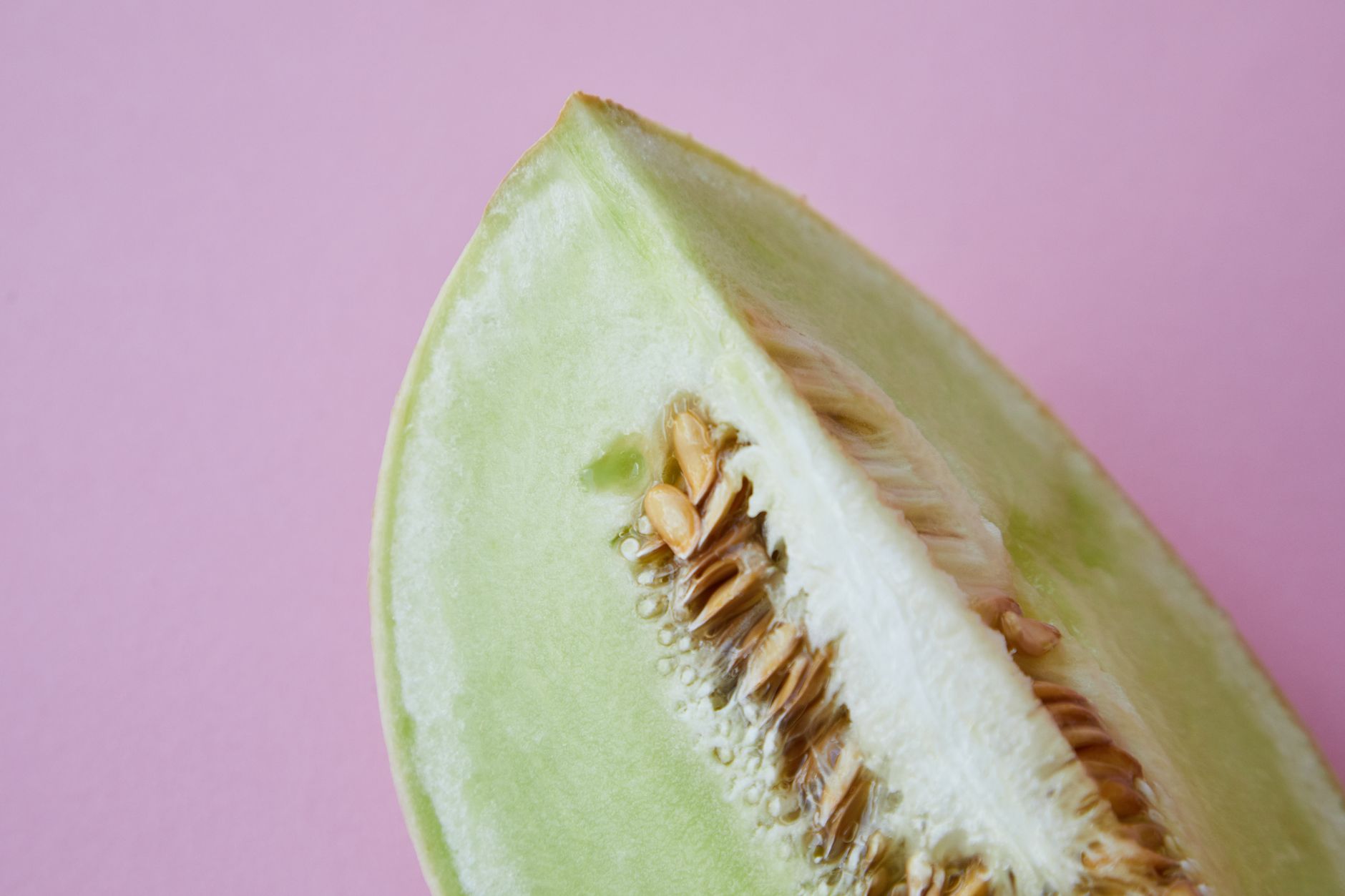
Freshness Checks
Ripe Cantaloupe Tips
Choosing a good cantaloupe before bringing it home is the first defense against spoilage. Heres what to look for to spot a ripe melon:
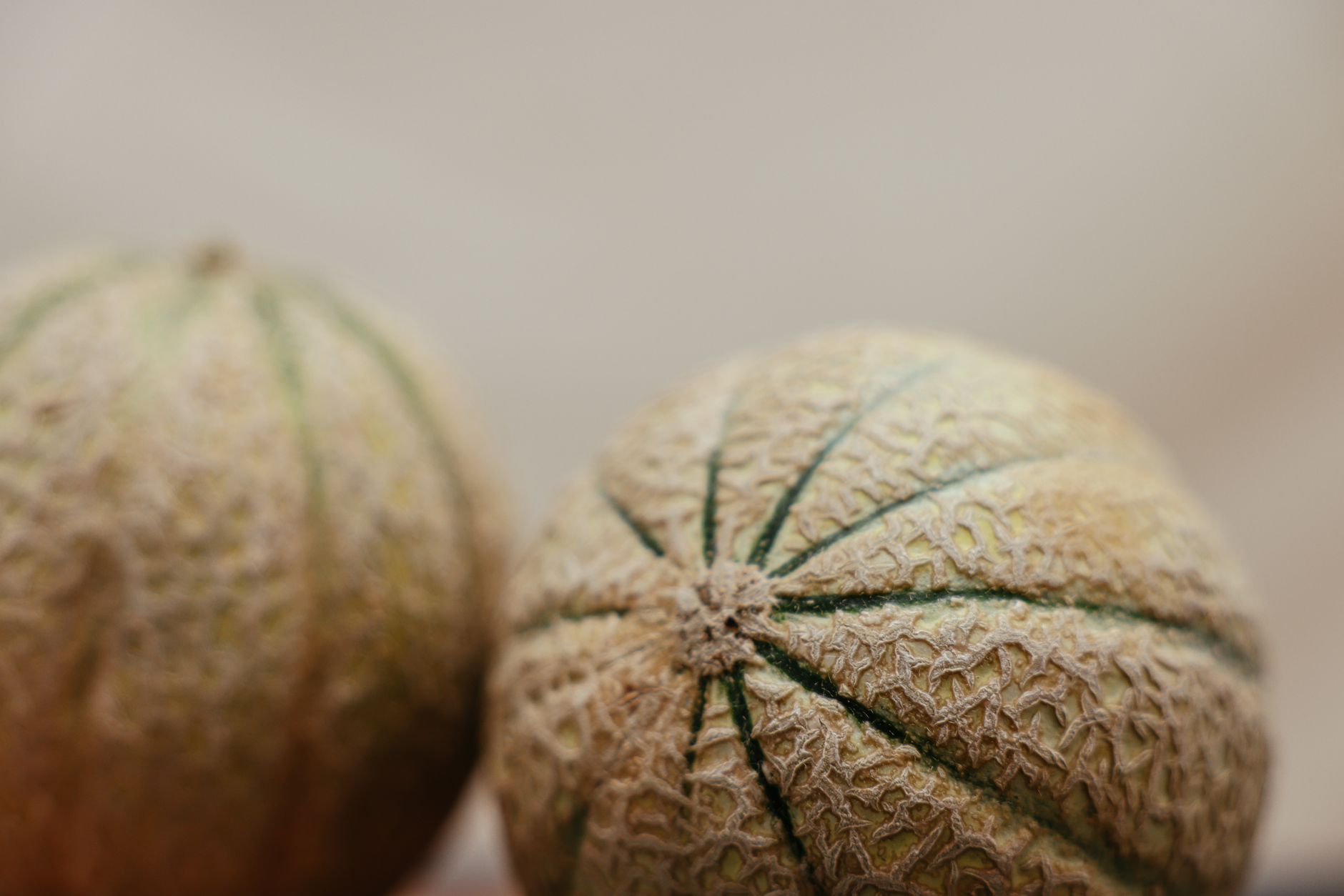
- Rind texture: Look for rough, netted skin with no mushy or soft spots. The netting should be well defined.
- Weight: Choose a cantaloupe that feels heavy for its size, indicating juiciness.
- Aroma: Smell the stem end. A sweet, slightly musky scent means the fruit is ripe. No smell can mean underripe; sour smell means it might be spoiling.
How to Store Cantaloupe Properly
Proper storage slows spoilage and keeps cantaloupe fresher longer:
- Whole cantaloupe: Keep at room temperature for 23 days if you want it to ripen more. Once ripe, move to the refrigerator.
- Refrigerate ripe cantaloupe: Store whole cantaloupe in the fridge at around 4C (39F). It will last 57 days.
- Cut cantaloupe: Place in an airtight container or wrap tightly in plastic wrap. It keeps fresh for 34 days in the fridge.
Common Mistakes That Cause Faster Spoilage
- Leaving cut cantaloupe on the counter for hours invites bacterial growth.
- Washing whole cantaloupe too early and storing damp can speed decay.

Health Risks and Benefits
What Are the Risks of Eating Spoiled Cantaloupe?
Eating cantaloupe gone bad can lead to unpleasant and sometimes serious food poisoning symptoms like nausea, vomiting, stomach cramps, and diarrhea. According to the USDA FoodData Central, melons can harbor bacteria such as Salmonella or Listeria once spoiled. Molds that grow on fruit may produce mycotoxins, harmful compounds that impact your health. Its safer to discard any melon showing clear signs of spoilage.
Why Eating Fresh Cantaloupe Is Worth It
Fresh cantaloupe is a nutritional powerhouse. It contains Vitamin C, Vitamin A, and antioxidants to support your immune system and skin. Plus, its high water content hydrates you naturally. Cantaloupe also pairs well with a range of meals and snacks, from salads to smoothies, making it a versatile addition to a balanced, halal diet.
Expert Insight: Food Safety Recommendations
Food safety authorities like the FDA recommend washing the rind thoroughly before cutting to avoid transferring bacteria to the flesh. Halal consumers looking for quality assurance can check for JAKIM or IFANCA certifications when buying cantaloupe-based packaged products to ensure compliance with halal standards.
Tips from Cantaloupe Lovers
When I Knew My Cantaloupe Was Bad
One cantaloupe enthusiast shared how she once tried to cut into what seemed a fine melon. The smell hit her like a wave sharp and fermented. The flesh was slimy too, so she let it go. Stories like this are common reminders: always trust your senses. Its better to waste a melon than risk feeling ill.
Expert Tips From Produce Specialists
Professional grocers often advise gently pressing the cantaloupe near the stem end to judge ripeness. If it gives slightly, its ready to eat. They also suggest buying whole cantaloupe for at-home ripening rather than pre-cut fruit, which spoils quickly. Following this advice helps avoid frustration and waste.
Is cantaloupe gone bad a common cause of food poisoning?
Yes, spoiled cantaloupe can harbor harmful bacteria like Salmonella and Listeria, which cause foodborne illness. Eating moldy or rotten cantaloupe increases this risk significantly.
How long does fresh cantaloupe last in the fridge?
Whole cantaloupe stored in the refrigerator lasts 57 days after ripening. Cut cantaloupe should be consumed within 34 days when stored in airtight containers.
Can I tell if cantaloupe is bad by its smell alone?
Smell is a strong indicator. Fresh cantaloupe smells sweet and musky. A sour, fermented, or off odor usually signals spoilage.
Is it safe to eat cantaloupe with mold on the rind?
Mold on the rind means the fruit is spoiled. Its safest to discard the cantaloupe. Cutting away moldy parts is not recommended for soft fruits like melon.
Can underripe cantaloupe be stored longer than ripe?
Yes. Underripe cantaloupe keeps for 23 days at room temperature to ripen. Once ripe, refrigeration is needed to extend freshness.
What halals certifications should I look for in packaged cantaloupe products?
Look for reliable logos such as JAKIM, HMC, or IFANCA on labels to ensure halal compliance.
Does washing cantaloupe before cutting help prevent spoilage?
Washing removes dirt and bacteria from the rind, preventing transfer to the flesh during cutting. Use clean running water and avoid soaps or detergents.
More You Might Like
If you are exploring nutritious options, check out Healthy foods to eat everyday for inspiration on wholesome choices.
For those managing dietary concerns, here is a great guide on What are the 10 best foods for kidney disease?
Final Thoughts
Spotting cantaloupe gone bad doesnt have to be tricky. By trusting your eyes, nose, and touch you can enjoy this sweet, juicy fruit safely. Remember proper storage is key: keep your cantaloupe cool and cut pieces sealed. Next time you shop, check the label for halal certifications and follow simple guidelines to keep your melon fresh and delicious. Feel free to share your cantaloupe tips or questions in the comments below!
FAQs
Is cantaloupe gone bad actually Halal — what should I check on the label?
Cantaloupe itself is halal as a fruit. However, for packaged cantaloupe products, look for halal certifications such as JAKIM, HMC, or IFANCA on the label to ensure compliance with halal dietary standards and quality assurance.
How long does fresh cantaloupe last after cutting?
Cut cantaloupe lasts about 3 to 4 days in the refrigerator when stored properly in an airtight container or wrapped tightly. Consuming it within this time helps avoid spoilage and foodborne illness.
What is the difference between fresh and spoiled cantaloupe?
Fresh cantaloupe has firm, netted rind, sweet musky smell, bright orange flesh, and juicy texture. Spoiled cantaloupe shows soft or moldy rind, sour or fermented odor, discolored slimy flesh, and mushy texture indicating decay.
Is it safe to eat cantaloupe that smells slightly off?
No, a sour or fermented smell usually means the cantaloupe is spoiled and unsafe to eat. Always trust your nose as freshness is closely linked to aroma in cantaloupes.
Where can I buy fresh and halal-certified cantaloupe?
Fresh cantaloupe is available at most grocery stores and farmers markets. For halal-certified cantaloupe products, check specialty halal markets or look for halal logos on packaged fruit products in supermarkets.