If youre craving that fresh, tangy touch in your fruit salads without the watery mess of citrus juice, sumac citrus replacement might be the answer. Sumacs natural tartness offers a vibrant citrus-like zing while keeping your fruit crisp and intact. Perfect for anyone looking to add zest without sogginess, sumac is steadily gaining popularity as a dry seasoning that preserves texture and layers fresh flavor. Lets explore how sumac works as an excellent citrus substitute, why its great for Halal-conscious kitchens, and how to use it for your healthiest, most delicious dishes.
Why Use Sumac?
What is sumac, and why does it taste citrusy?
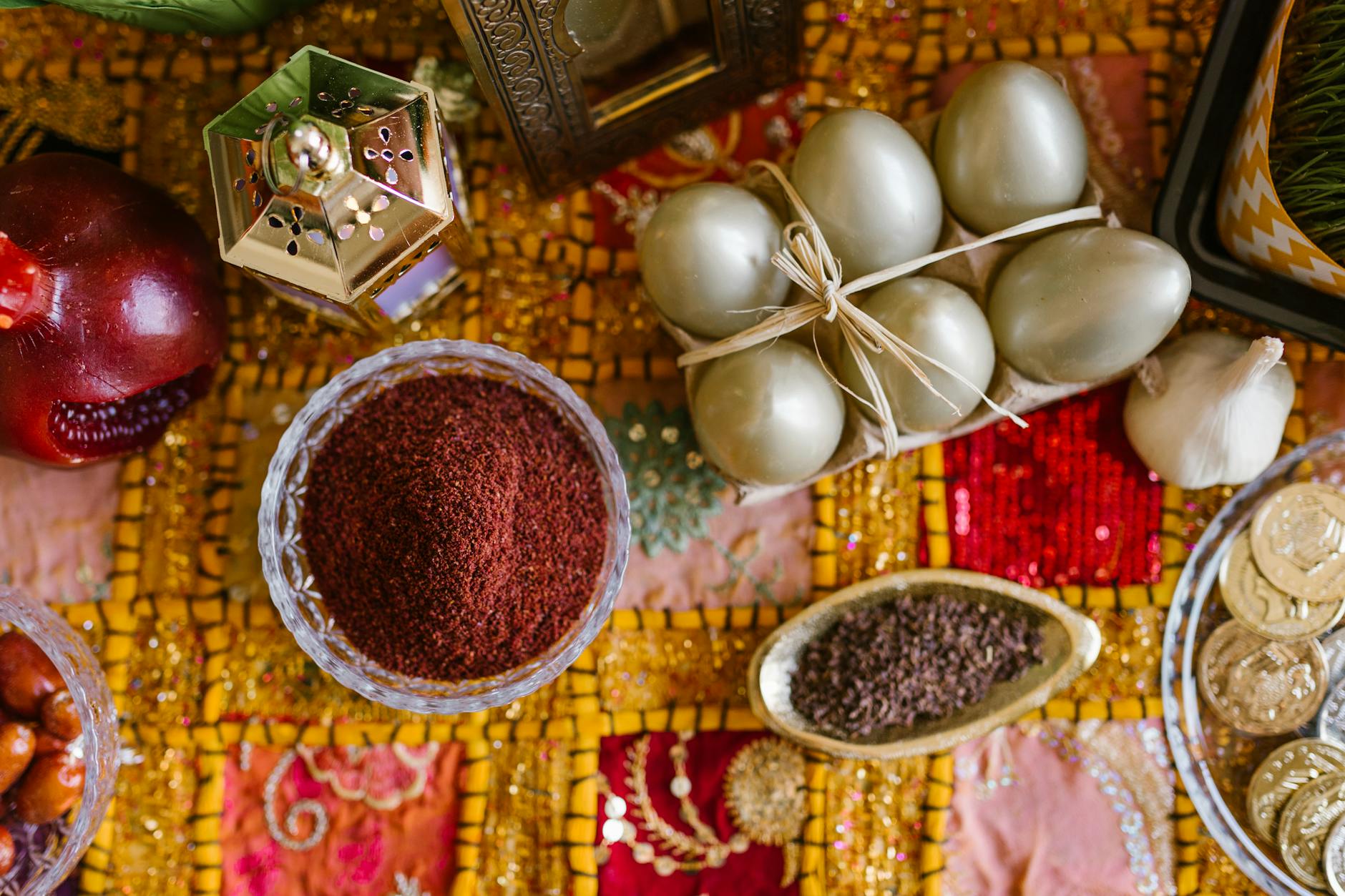
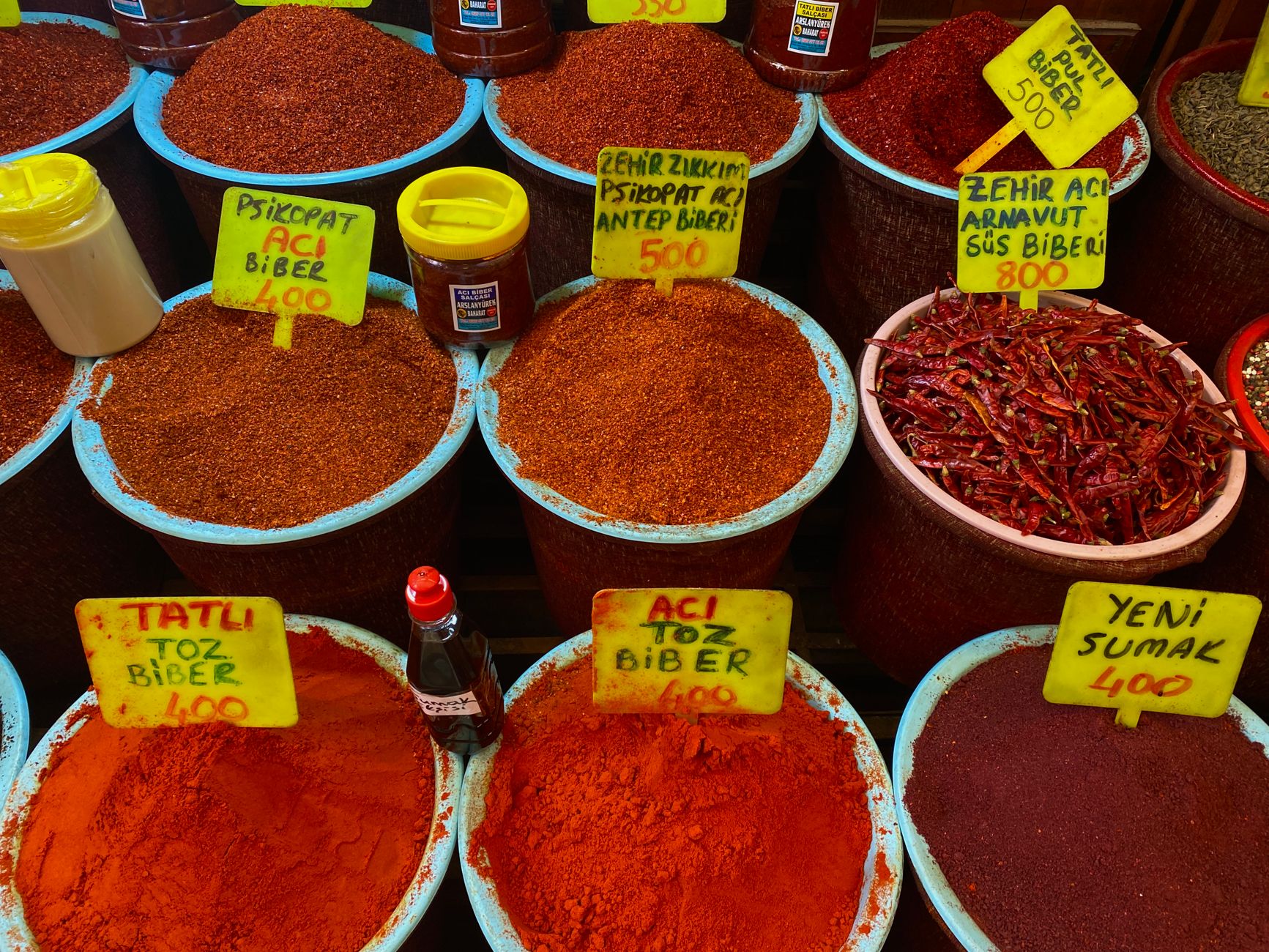
Sumac is a tangy red-purple spice made from dried, ground berries of the sumac plant, native to the Middle East and Mediterranean areas. Its flavor profile is naturally tart, fruity, and lemony, owing to organic acids like malic and citric acid present in the berries. According to USDA FoodData Central analysis, these acids mimic the bright acidity you get in lemons and limes, but in a dry powdered form that wont add moisture or dilute other flavors.
This citrus-like flavor without the juices wetness makes sumac a valuable alternative for recipes needing acidity without sogginess. Its widely used in Middle Eastern and Mediterranean cuisine, and its distinct purple-red color also adds vibrant visual appeal.
How does sumac prevent sogginess in fruit salads?
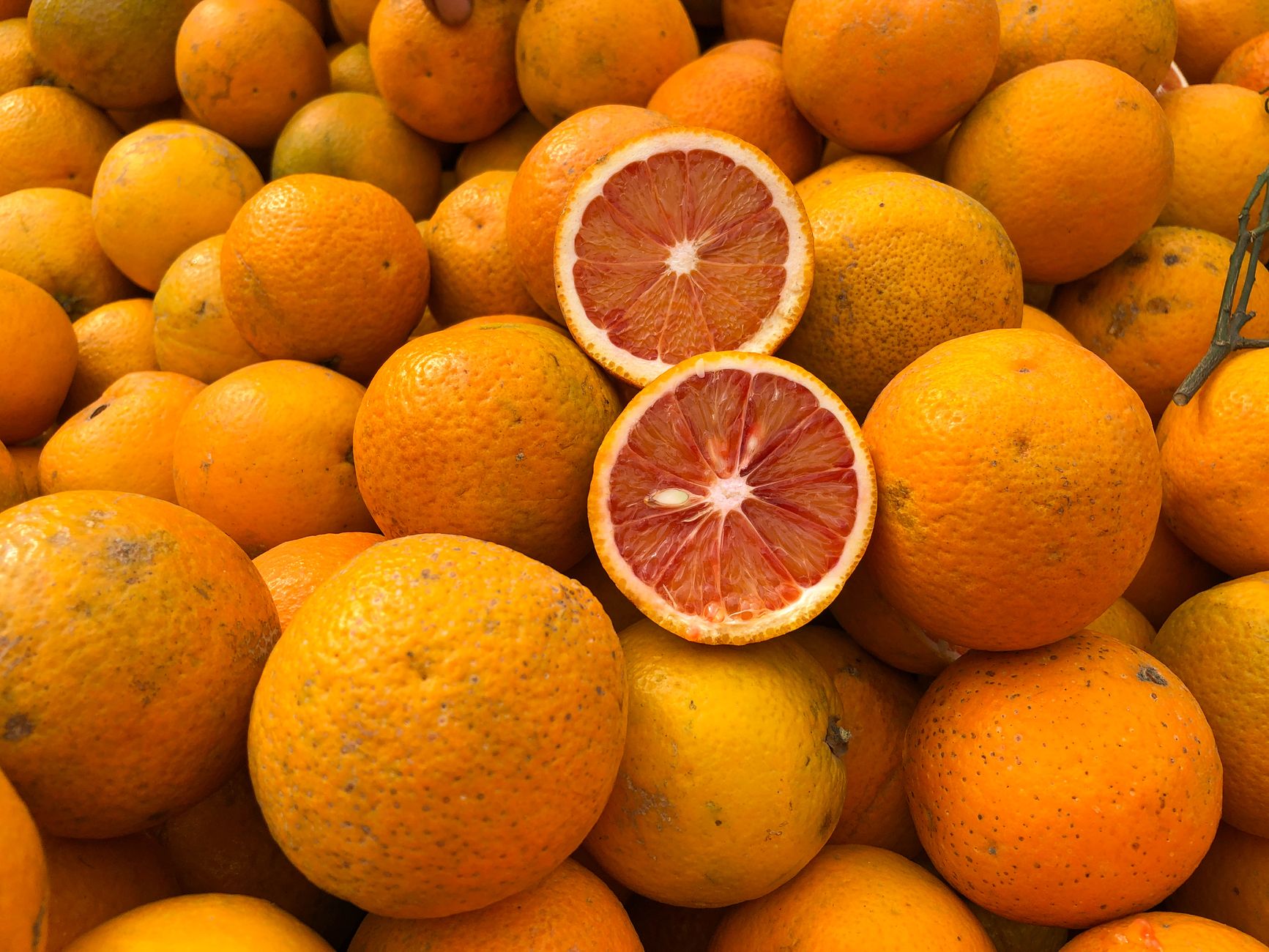
Citrus fruits such as lemons, limes, and oranges release liquid juices when cut or squeezed. While these juices add bright acidity, they also increase moisture, which can turn fruit salads mushy or watery if not eaten immediately. When you use sumac, the acidity comes from a dry powder that clings lightly to fruit pieces instead of soaking into them.
Sumacs dry texture means it wont cause the fruit to release extra water. This preserves the fruits firmness and crunch, making it last longer, typically 57 days in a sealed container when refrigerated. For Halal-conscious households mindful of freshness and food texture, sumac offers a cleaner, longer-lasting flavor boost.
Are there any nutritional benefits to using sumac?
Sumac is not just flavorfulits also nutritionally interesting. Rich in antioxidants, including flavonoids and tannins, sumac can help neutralize free radicals and support overall health. It contains vitamin C in modest amounts, similar to citrus fruits, further contributing to its tangy profile and offering mild immune support.
Its anti-inflammatory properties are recognized in traditional medicine, and recent studies highlight sumacs potential to aid digestion and regulate blood sugar levels. For those looking to enhance their dishes with natural health benefits while keeping meals Halal-certified, sumac is a worthy inclusion. Make sure to choose sumac certified by trusted bodies like JAKIM or IFANCA to ensure authenticity and Halal compliance.
How to Use Sumac
How much sumac should you add to a fruit salad?
Start with about to 1 teaspoon of sumac per medium-sized fruit salad serving (approximately 4 cups of chopped fruit). This amount provides a noticeable but balanced tang without overwhelming the fruits natural sweetness. Culinary experts recommend sprinkling sumac lightly and tasting as you goits flavor can vary by brand or source.
For most salad sizes, 1 teaspoon per 4 to 6 cups of fruit maintains harmony between tartness and sweetness. Going beyond 2 teaspoons may cause a slightly bitter or astringent aftertaste, so moderation is key.
Can sumac be combined with other seasonings?
Sumac pairs wonderfully with fresh herbs like mint or basil, a drizzle of honey, or a pinch of salt to elevate flavor complexity. Many chefs enjoy using sumac salad seasoning blends that combine sumac with cumin, coriander, or dried lemon zest to replicate classic Middle Eastern spice mixtures.
For example, a simple dressing of olive oil, sumac, fresh mint, and a touch of salt can brighten fruit salads or savory dishes alike. This balance accents the citrus flavor while enhancing texture and mouthfeel.
What types of fruits pair best with sumac?
Fruits that have mild to moderate sweetness and firm texture work best with sumac. These include:
- Berries like strawberries, raspberries, and blueberries
- Melons including cantaloupe and honeydew
- Apples and pears
- Stone fruits such as peaches and plums (especially Donut peaches)
- Pomegranate arils for a juicy crunch
Combining these fruits with sumac keeps the texture lively and flavor vibrant, avoiding overwhelming sweetness or dilution from liquid citrus juices.
Simple sumac fruit salad recipe
| Prep Time | 10 minutes | Cook Time | 0 minutes |
|---|---|---|---|
| Total Time | 10 minutes | Servings | 4 |
| Calories | 120 per serving | Diet Tags | Halal, Gluten-Free, Vegan |
- 2 cups strawberries, hulled and halved
- 1 cup blueberries
- 2 peaches, chopped
- 1 apple, diced
- 2 tablespoons chopped fresh mint leaves
- 1 teaspoon sumac
- 1 teaspoon honey (optional)
- Pinch of sea salt
Steps:
- In a large bowl, combine strawberries, blueberries, peaches, and apple.
- Sprinkle sumac evenly over the mixed fruit.
- Add chopped mint leaves and a pinch of salt.
- Drizzle honey over the fruit salad if you prefer extra sweetness.
- Toss gently but thoroughly to coat all fruit evenly with sumac and seasoning.
- Serve immediately or refrigerate up to 5 days in an airtight container.

Benefits and Drawbacks
Main benefits of sumac citrus replacement
- Longevity: Sumac maintains brightness without adding moisture, preserving salad crispness for up to a week refrigerated.
- Healthful nutrients: Rich in antioxidants, sumac supports well-being while enhancing flavor.
- Halal-friendly: Dry, plant-based, and often certified by bodies like JAKIM, sumac suits Halal kitchens.
- Versatility: Suitable for fruit salads, savory dishes, marinades, and more.
- Ease of use: No squeezing or pulpy mess, just a sprinkle of spice.
Possible risks or taste pitfalls
While sumac is generally safe, here are few considerations:
- Allergies: Some individuals may be sensitive to sumac or related plants (e.g., cashew family). Its rare but worth testing.
- Flavor balance: Excessive sumac (above 2 teaspoons per salad) can introduce bitterness and astringency.
- Sourcing: Incorrectly identified or ornamental sumac varieties not meant for food can be toxic. Always buy reputable brands with clear food-grade labeling and Halal certification.
How to identify quality sumac
Look for sumac that is finely ground, vibrant reddish-purple, and free from debris or stems. Packaging should clearly state food grade sumac, and trusted Halal certification logos such as JAKIM, HMC, or IFANCA ensure compliance with dietary laws.
Quality sumac has a balanced acidity, fragrant aroma, and does not taste powdery or dusty. Some brands disclose originprefer Middle Eastern or Mediterranean sources for authentic flavor. Avoid buying from bulk spice bins unless you can verify freshness and quality.
Expert Tips and Uses
Chefs and home cooks use cases
Beyond fruit salads, sumac is a must-have for sumac chicken, grilled vegetables, and tangy dressings. Chefs love it for its ability to brighten flavors without overpowering, like adding a dry lemon dusting. Home cooks appreciate using it as a last-minute garnish, similar to a squeeze of lemon but without moisture.
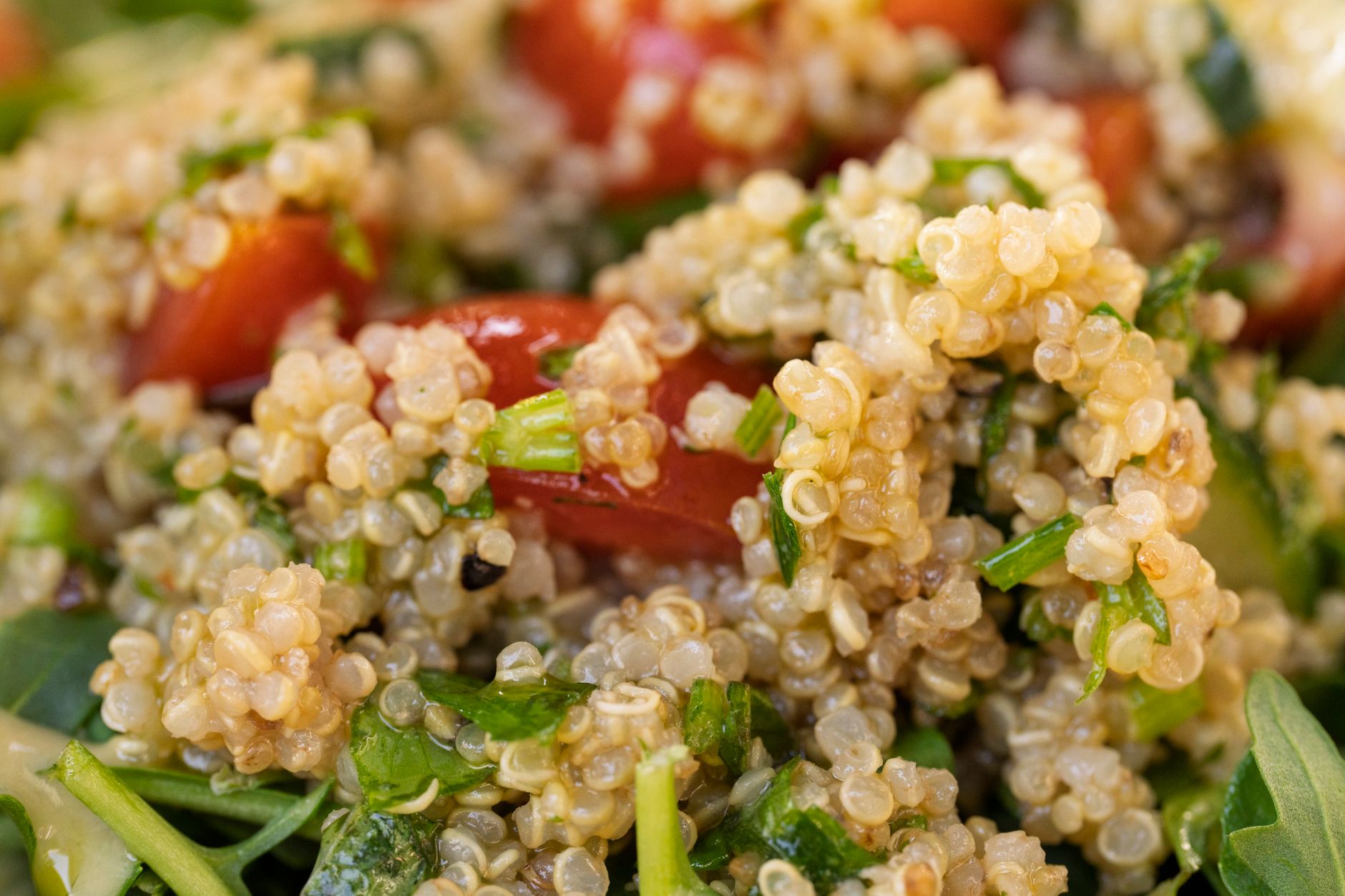
Sumac also pairs well with grains like quinoa and bulgur, and in dips such as hummus or yoghurt-based sauces, adding fresh bursts of tartness. Its use in Turmeric flavor recipes is common in fusion cooking, marrying earthiness with citrus balance.
Whole sumac fruits vs powder
Whole sumac berries are sometimes available but are less commonly used in everyday cooking. They require soaking or grinding to release their flavor. Ground powder is convenient, shelf-stable for up to two years when stored in airtight containers away from light, and instantly usable for seasoning.
Unless you enjoy experimenting, powdered sumac is best for quick, consistent results. Whole sumac fruit works well in infusions or slow-cooked recipes where gradual acidity is desired.
When is the best time to eat sumac fruit salad?
Sumac fruit salad is best enjoyed fresh, ideally within a day or two after preparation to enjoy maximum crispness and flavor. However, thanks to the dry nature of sumac, your salad can keep well refrigerated for up to 57 days without becoming soggy, unlike citrus juice-based salads. Serve chilled as a refreshing side or light dessert anytime you want a bright, tangy flavor.
Is sumac actually Halal what should I check?
Sumac itself is a plant-based spice, so inherently it is Halal. However, to ensure compliance, look for Halal certification logos from trusted bodies like JAKIM (Malaysia), HMC (UK), or IFANCA (US) on packaging. These confirm that no cross-contamination or non-Halal processing occurred. Also, verify the purity of sumacsome blends may contain non-Halal additives or fillers.
How do you balance flavors when using sumac?
Balance sumacs acidity with a touch of sweetness like honey or naturally sweet fruits. Adding fresh herbs such as mint or basil can soften the tartness while enhancing freshness. Start with small amounts of sumac and adjust gradually. Avoid combining it with overly sour ingredients that can create a sharp, confusing taste.
Can sumac be used in drinks?
Yes, sumac powder can flavor teas, lemonades, or spritzers for a tangy twist that is less acidic than fresh citrus juice. Steep sumac in hot water for 5 minutes to release flavor, strain, then chill or mix with sparkling water. Ensure sumac is food-grade and Halal-certified for safe consumption.
What are common mistakes when using sumac?
Sprinkling too much sumac at once is the most common error, which can lead to bitterness. Another mistake is substituting whole sumac fruit directly without preparationalways use ground powder or properly soaked berries for even flavor. Lastly, some users add sumac too early in salads that sit for days; its better added just before serving to keep the flavor vibrant.
How should sumac be stored?
Store sumac in an airtight container away from heat, sunlight, and moisture. Properly stored, it lasts 1224 months, retaining its rich color and fragrant aroma. Keep it in a cool pantry or spice drawer. Avoid humidity to prevent clumping and loss of potency.
Pro Tips for Using Sumac
- Always toast sumac lightly in a dry skillet for 1-2 minutes before adding to salads. This boosts its natural aroma without burning.
- Pair sumac with texturally crisp fruits to enhance contrast and prevent mushiness, like apples with berries.
- Mix sumac with a few drops of olive oil or honey before sprinkling to adhere it better and soften sharp edges.
- Avoid substituting liquid citrus directly with excessive sumac powder; adjust other acidic ingredients accordingly.
Keep in mind: Cheap sumac powders may contain fillers or stems that reduce flavor quality. Opt for trusted brands with clear sourcing and Halal certification to guarantee a clean label and pure taste.
More You Might Like
For another bright twist on seasoning, explore our guide to Turmeric flavor, which pairs beautifully with sumac in savory dishes.
If you enjoy fresh fruits with unique sweetness, check out tips on selecting Donut peaches, a tender fruit perfect for summer salads and desserts.
When is the best time to eat sumac fruit salad?
Enjoy sumac fruit salad fresh within 12 days for maximum crispness and flavor. However, refrigeration extends freshness up to 57 days without sogginess thanks to sumacs dry acidity.
Is sumac actually Halal what should I check?
Sumac is naturally Halal as a plant-based spice. Verify by checking for certifications from JAKIM, HMC, or IFANCA on packaging to ensure no cross-contamination with non-Halal substances.
How do you balance flavors when using sumac?
Balance sumacs tartness with honey, ripe fruits, or fresh herbs like mint. Start with small amounts and taste as you go to avoid overpowering bitterness.
Can sumac be used in drinks?
Yes, steep ground sumac for 5 minutes in hot water to make a tangy infusion, or add powder to lemonades for a unique citrus twist without juiciness.
What are common mistakes when using sumac?
Using too much sumac at once or substituting whole berries unprepared can cause bitterness or uneven flavor. Adding sumac too early in salads can dull its freshness over time.
How should sumac be stored?
Keep sumac in a sealed, opaque container in a cool, dry place. Proper storage retains its potency and color for 1224 months.
Can sumac cause allergies?
Sumac allergies are rare but possible, especially if you have sensitivity to related plants like cashews. Test a small amount before extensive use if you have concerns.
Conclusion
Sumac citrus replacement offers a smart way to add tangy zest to fruit salads without the soggy risk of fresh citrus juice. Its dry powder form, antioxidant content, and Halal-friendly nature make it a remarkable ingredient for healthy, flavorful meals. The next time you want fresh citrus flavor but want to keep your salad crisp and vibrant, give sumac a try. Feel free to experiment with fruits and seasonings, and share your delicious results with us!
FAQs
When is the best time to eat or drink sumac citrus replacement?
Sumac fruit salad is best enjoyed within 1 to 2 days for maximum crispness and freshness. However, thanks to its dry powder form, dishes with sumac can last well refrigerated for up to 57 days without sogginess, keeping flavors bright and textures firm.
How long does sumac last after opening and how should it be stored?
Properly stored in an airtight container away from heat, light, and moisture, ground sumac maintains its flavor and potency for 12 to 24 months after opening. Keep it in a cool, dry pantry or spice drawer to prevent clumping and loss of aroma.
How does sumac compare to common citrus fruits as a tangy flavor substitute?
Unlike fresh citrus juices, sumac provides tartness from dry, powdered organic acids without adding moisture. This prevents sogginess in salads and preserves a crisp texture, making it a superior choice in recipes needing acidity without dilution.
Is sumac citrus replacement safe for daily consumption?
Sumac is generally safe when used in culinary amounts and offers antioxidant and anti-inflammatory benefits. However, excessive intake (above recommended cooking amounts) could cause bitterness. People with allergies related to cashews or pistachios should test sumac cautiously.
Where can I buy quality sumac citrus replacement with Halal certification?
Look for food-grade sumac from reputable spice brands that include Halal certification logos like JAKIM, IFANCA, or HMC on the packaging. Quality sumac is often found in Middle Eastern grocery stores, online spice retailers, or specialty Halal food shops.