If youve ever glanced at a can of sardines and wondered about its real nutritional value, youre not alone. Canned sardines nutrition is surprisingly rich and offers a mix of health benefits you may not expect. From omega-3 fatty acids to essential vitamins, these small fish punch well above their weight. But what exactly makes canned sardines a wholesome choice? And are there any concerns you should know about? Whether youre a fitness enthusiast or just someone curious about nutrient-dense snacks, understanding canned sardines nutrition can help you make smarter food choices for your diet.
Nutritional Highlights
Which key nutrients do canned sardines provide?
Canned sardines are a fantastic source of several essential nutrients. Each typical 3.75-ounce (92 grams) can delivers approximately:
- Protein: Around 23 grams, making sardines a strong candidate among foods high in protein and low in carbs.
- Omega-3 fatty acids: About 1,000 to 1,500 mg, known for supporting heart health and reducing inflammation.
- Calcium: Roughly 325 mg, thanks to edible bones inside canned sardines, aiding bone strength and density.
- Vitamin D: Nearly 270 IU, helping your body absorb calcium and maintain immune function.
- Vitamin B12: Providing well over 100% of the recommended daily intake, crucial for nerve function and energy production.
- Other minerals: Phosphorus, selenium, and iron are present in good amounts.
Protein-packed foods like canned sardines fit well in balanced diets and can help with satiety and muscle maintenance. Their omega-3 content is especially notable, as its often hard to get enough from diet alone.

How does canned sardines nutrition compare to other canned fish?
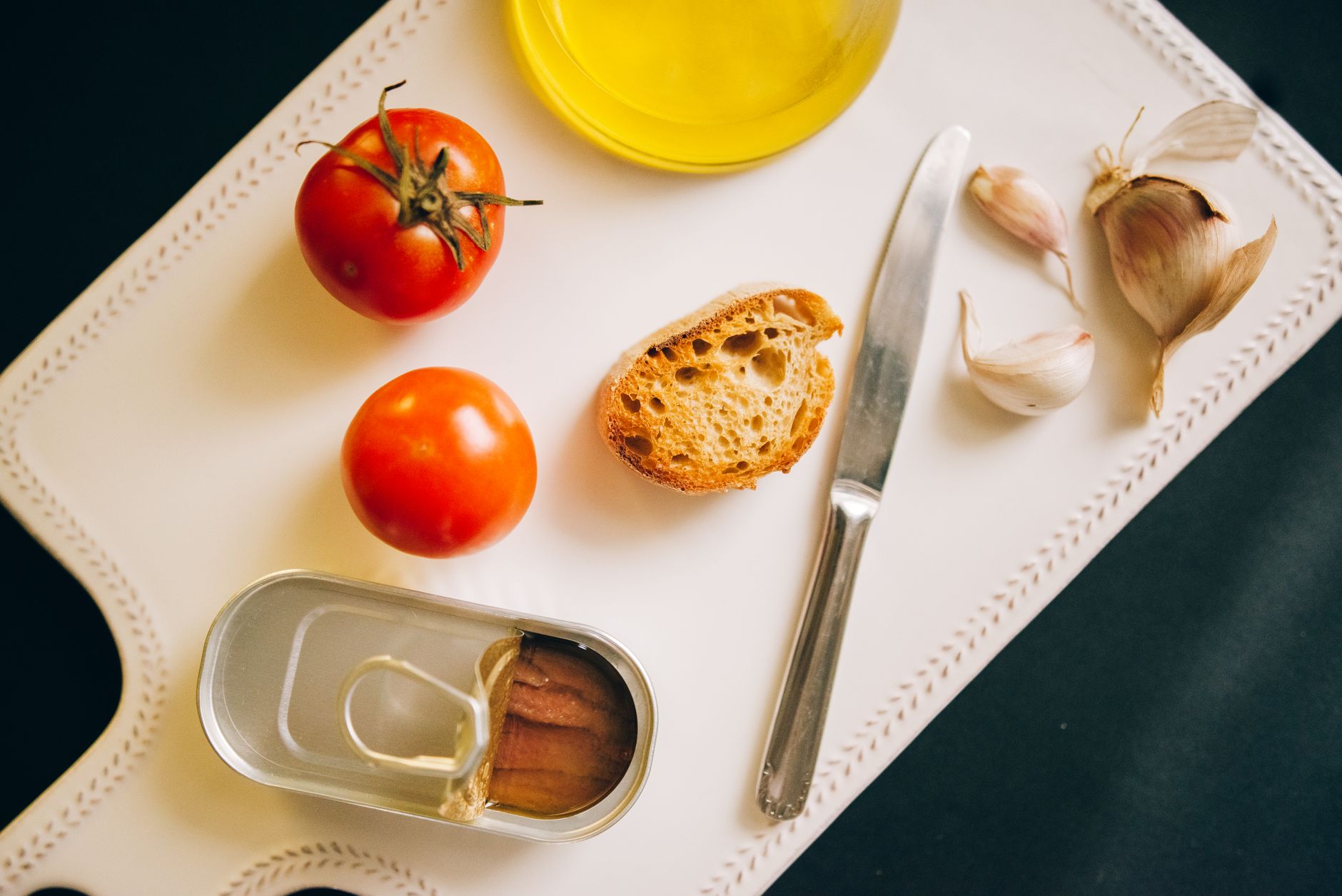
When you stack canned sardines against other canned fish like anchovies or mackerel, some clear differences arise. Sardines tend to have more calcium due to their soft, edible bones, while anchovies usually have a saltier profile with more sodium. Mackerel offers similar omega-3 levels but with higher calories and fat.
Nutrient Comparison Table: Sardines vs Anchovies vs Other Canned Fish
| Nutrient (per 100g) | Sardines | Anchovies | Mackerel |
|---|---|---|---|
| Calories | 208 kcal | 210 kcal | 262 kcal |
| Protein | 25g | 29g | 19g |
| Omega-3 fatty acids | 1,480 mg | 1,200 mg | 2,200 mg |
| Calcium | 382 mg | 147 mg | 12 mg |
| Sodium | 414 mg | 1,200 mg | 80 mg |
According to the USDA FoodData Central, these values give you an idea of which canned fish suits your nutritional needs best.
Nutrition Differences
What are the main nutritional differences between canned sardines and anchovies?
Sardines and anchovies share similarities but do differ in several key nutritional aspects. Sardines are richer in calcium and vitamin D, making them especially good for bone health. Anchovies have a higher sodium contentoften double sardines‘ levelsdue to preservation methods and brining. If youre watching your salt intake, sardines usually make a milder choice.
Which is healthier for specific health goals?
If heart health tops your list, both sardines and anchovies provide robust omega-3 fatty acids. Sardines offer a better mineral profile for bone strength, while anchovies shine in protein density. For weight management, sardines are often preferable because of their lower sodium and calorie counts. Your choice depends on personal health goalsmindful consumption is key.
Do culinary uses affect nutritional intake?
How you prepare and serve canned sardines affects both flavor and nutrition. Sardines canned in olive oil add healthy fats, while those canned in water keep calories leaner. Serving sardines with vitamin C-rich veggies like bell peppers can boost iron absorption. Anchovies, often saltier, are used sparingly as flavor enhancers, whereas whole sardines can star as a main protein.

Canning Impact
Does canning preserve or reduce sardines nutrients?
Canning generally preserves the core nutrients in sardines quite well. Protein, calcium, and omega-3 fatty acids remain largely intact through the process. However, some water-soluble vitamins like vitamin C may decrease slightly during heat treatment. Vitamin D and B12 remain stable, ensuring you still get most health benefits packed inside the can.
Are there additives or preservatives to watch for?
Sodium levels can vary widely depending on brand and added ingredients. Common additives include salt, water, and cooking oils like soybean or sunflower oil. If youre aiming for a clean label, look for canned sardines with minimal ingredients and recognizable oils such as extra virgin olive oil. Avoid products with artificial preservatives, flavor enhancers, or excessive salt to keep your diet healthy.
Tips for selecting the healthiest canned sardines
- Choose cans labeled in water or in extra virgin olive oil for cleaner profiles
- Look for Halal certification logos such as JAKIM or HMC for assured dietary compliance
- Check sodium content: under 400 mg per serving is preferable
- Prefer brands with transparent ingredient lists and no added MSG or preservatives
These straightforward label checks can save you from unnecessary additives. Always finalize your choice based on your personal nutrition goals.
Benefits and Risks
What are the main health benefits of eating canned sardines?
Regular consumption of canned sardines supports cardiovascular health through omega-3 fatty acids. These healthy fats help reduce bad cholesterol and improve artery function. High calcium and vitamin D content strengthen bones and may reduce osteoporosis risk. Sardines also pack vitamin B12, aiding brain health and energy metabolism. For anyone looking to enrich their diet with nutrient-dense protein, sardines are a practical, affordable choice.
What are potential risks or concerns?
Some caution with canned sardines is warranted. Mercury and other contaminants are generally low in sardines due to their small size and short lifespan, but its wise to consume in moderation. Sodium content can be a concern for those with hypertension. Always monitor your salt intake and prefer low-sodium options. Lastly, some people may have fish allergies or digestive sensitivities that require careful attention.
How to enjoy canned sardines safely?
Most health experts recommend limiting canned sardine consumption to 2-3 servings per week. Pay attention to serving sizes: a 3.75-ounce can per serving is common. Balance sardines with plenty of vegetables and grains to maintain diverse nutrition. For Halal consumers, verify certification on the label to ensure compliance with dietary laws. This way, sardines can be a safe and delicious addition to your meal plan.

Incorporate Sardines
Quick recipe ideas with canned sardines
- Sardine Salad: Toss canned sardines with mixed greens, cherry tomatoes, and lemon vinaigrette.
- Simple Sardine Toast: Spread mashed sardines on whole-grain bread, add sliced cucumber and a sprinkle of pepper.
- Pasta Sardine Topping: Mix sardines with sauted garlic, chili flakes, and olive oil over spaghetti.
- Sardine & Avocado Snack: Blend sardines into mashed avocado for a creamy dip.
Pair sardines for better absorption
Vitamin C enhances iron absorption, so pairing sardines with bell peppers, citrus fruits, or leafy greens is smart. Healthy fats in sardines also aid the uptake of fat-soluble vitamins. Use olive oil or avocado alongside sardines for a meal that maximizes nutrient benefits.
Storage tips
- Unopened canned sardines can stay fresh for up to 3 years if stored in a cool, dry place.
- Once opened, transfer leftovers to an airtight container and refrigerate for 3-4 days.
- Keep the sardines submerged in olive oil if packed that way to retain moisture and flavor after opening.
Is canned sardines actually Halal what should I check?
Canned sardines are Halal if certified by approved organizations such as JAKIM, HMC, or IFANCA. The key is to check for the official Halal logo on the can. This certification guarantees that no cross-contamination with Haram ingredients occurred during processing and packaging. Always buy from trustworthy brands to maintain your dietary integrity.
When is the best time to eat canned sardines?
Canned sardines work well any time of day. They make a quick protein-rich breakfast or snack. As part of lunch or dinner, sardines provide sustained energy and satiety. Avoid consuming large sardine portions late at night due to their protein and fat content, which can hinder sleep for some people.
Can canned sardines help with weight loss?
Yes. Thanks to their high protein and omega-3 content combined with relatively low calories, canned sardines fit perfectly into weight loss plans. Protein boosts metabolism and reduces appetite, while omega-3 helps regulate fat metabolism. Portion control remains essential.
Are there allergen concerns with canned sardines?
Fish allergies affect some individuals, and sardines are no exception. People with known seafood allergies should avoid canned sardines entirely. Cross-contamination during processing is rare but possible. Check labels for allergen warnings if you have multiple food sensitivities.
Does canned sardines contain BPA or other harmful chemicals?
Some canned fish products contain BPA in their linings, which has raised health concerns. Choose sardines in BPA-free cans if available. Many reputable brands have switched to safer packaging conforming to food safety standards.
What oil type is best in canned sardines?
Olive oil is preferred for its heart-healthy monounsaturated fats and clean label. Avoid canned sardines packed in soybean or sunflower oil if youre sensitive to omega-6 fatty acids or looking to reduce processed oils. Water-packed sardines offer the lowest calorie alternative.
Do canned sardines lose omega-3 over time?
Omega-3 levels remain mostly stable in unopened cans for up to three years. However, once opened, exposure to air begins to degrade omega-3 fats. Eating sardines within 3-4 days after opening preserves most of their nutritional benefits.
Most overlooked buying mistake
The biggest mistake is not checking sodium content. Many canned sardines contain high salt levels to preserve taste and shelf-life. Opting for no added salt or low sodium labels can help maintain better blood pressure control without sacrificing flavor.
Why do cheap canned sardines disappoint?
Low-priced sardines often come with poor-quality oils, excessive sodium, or unclear ingredient lists. They may also have smaller fish or less meat per can. This affects taste, nutrition, and even Halal certification reliability.
One expert tip
Try rotating canned sardines between plain water and olive oil-packed varieties. Water-packed sardines reduce calorie intake, while olive oil enhances flavor and adds healthy fats. This simple switch adds variety and balances nutritional intake through the week.

More You Might Like
For those interested in boosting protein while keeping carbs in check, check out our guide on foods high in protein low in calories for more snack and meal ideas.
If you want to explore other wholesome protein sources, see our list of foods high in protein and low in carbs that can complement your sardine-based meals.
Conclusion
Canned sardines nutrition offers a rich blend of protein, omega-3s, calcium, and vitamins D and B12, making them a smart choice for health-conscious eaters. Compared to anchovies, they often deliver more balanced nutrients and less sodium. Keep label reading and serving sizes in mind to enjoy sardines safely and deliciously. Next time you shop, look for quality Halal-certified cans and give sardines a tryyou might just discover a new favorite pantry staple. Feel free to share your sardine recipes or questions below!
FAQs
Is Canned sardines nutrition actually Halal — what should I check on the label?
Canned sardines are Halal if they carry certification from recognized bodies like JAKIM, HMC, or IFANCA. Always look for the official Halal logo on the can to ensure compliance. This guarantees no Haram ingredients or cross-contamination during processing and packaging.
How long do canned sardines last after opening?
Once opened, transfer sardines to an airtight container and refrigerate. They typically stay fresh for 3–4 days. Keep them submerged in oil if packed that way to maintain moisture and flavor.
How do canned sardines' nutrition compare to anchovies?
Sardines have higher calcium and vitamin D for bone health, while anchovies contain more sodium and protein. Sardines generally offer a more balanced nutrient profile with lower salt, making them preferable for many health goals.
Is it safe to eat canned sardines daily?
Eating canned sardines 2–3 times per week is recommended. This limits exposure to sodium and contaminants while delivering consistent benefits from omega-3s and nutrients. Moderation and portion control help maintain safety.
Where can I buy quality canned sardines?
Quality canned sardines are available at supermarkets, health food stores, and online retailers. Choose brands with clear ingredient lists, minimal additives, and Halal certification for assured quality and safety.