If youve been curious about Dunkin Donuts matcha brand, youre not alone. Matchas vibrant green hue and unique flavor have boosted its popularity across coffee chains everywhere. But where exactly does Dunkin source the matcha used in their drinks? Understanding the origins and quality of Dunkins ground green tea is essential for health-conscious consumers and those looking for Halal-certified beverage options. Lets explore the secret behind Dunkins matcha brand and what makes it stand out in the crowd.
Matcha Brand & Source
Which Company Supplies Dunkins Matcha Green Tea?
Dunkin has not publicly disclosed the exact company supplying the matcha powdered green tea for their drinks. However, industry experts indicate Dunkins matcha is sourced through private-label suppliers specializing in culinary-grade Japanese matcha. These suppliers typically work with tea farmers in prestigious regions in Japan or occasionally China, blending based on flavor consistency and cost efficiency demanded by large-scale chains.
While not bearing a widely recognized consumer-facing brand name, Dunkins matcha is formulated to meet their taste profilemildly sweet and smooth with the characteristic vegetal notes. This private-label approach is common among fast-food brands aiming to maintain quality while controlling supply chain reliability. Rumors suggesting Dunkin uses popular commercial matcha brands like ITO EN or Matcha Love are unlikely because of trademark and exclusivity considerations.
Where Does Matcha for Dunkin Donuts Originate Geographically?
Dunkins matcha powder most likely derives from Japans tea-growing heartlands such as Uji, Shizuoka, or Nishio, all renowned for high-quality matcha production. These regions grow shade-grown green tea leaves, which develop higher chlorophyll and amino acid content, resulting in matchas bright green color and umami-rich flavor. Occasionally, supply diversification may include select farms in China or South Korea, but Japan remains the gold standard in culinary matcha.
The geographical origin influences the matchas flavor, quality, and ultimately, consumer satisfaction. Japanese matcha typically offers a cleaner, less bitter taste than some Chinese varieties, which can be rougher or more astringent. For health-conscious buyers, origin also signals farming practices, pesticide usage, and strict adherence to quality control.

Matcha Green Tea Source How Quality Is Ensured
Quality assurance of Dunkins matcha lies in several key factors: rigorous farm selection, hygienic processing, and blending for consistency. Typically, large suppliers adhere to international food safety certifications and third-party testing processes, including pesticides limits and microbial safety. Although specific organic or Halal certifications for Dunkins matcha powder arent publicly advertised, their beverages often conform to Halal standards depending on region verified by certification bodies like JAKIM or HMC.
The matcha used by Dunkin is classified closer to culinary-grade rather than ceremonial-grade, which explains the smooth but slightly mellow taste suited for mixed drinks. Culinary matcha involves a balance of quality and cost. This makes it perfect in lattes, iced beverages, or sweetened drinks without overpowering bitterness or price.
Unique Features of Dunkins Matcha
What Makes Dunkins Matcha Unique Compared to Other Brands?
Unlike premium loose-leaf matcha powders sold directly to consumers, Dunkins matcha blend is crafted for immediate beverage application. This means it may contain a proprietary blend including sugar, natural flavors, or stabilizers designed to deliver a uniformly smooth experience across thousands of stores.
Compared to widely known consumer matcha brands such as Encha or Jade Leaf, Dunkins matcha is milder, less grassy, and offers moderate caffeine content. This suits the general customer base who prefer sweeter, easier-to-drink matcha beverages without the pronounced bite of high-grade pure matcha. Price-wise, Dunkin sells their matcha drinks at a competitive point, leveraging bulk purchasing to keep costs moderate.
Consumer Experience Tasting Dunkin Donuts Matcha Drinks
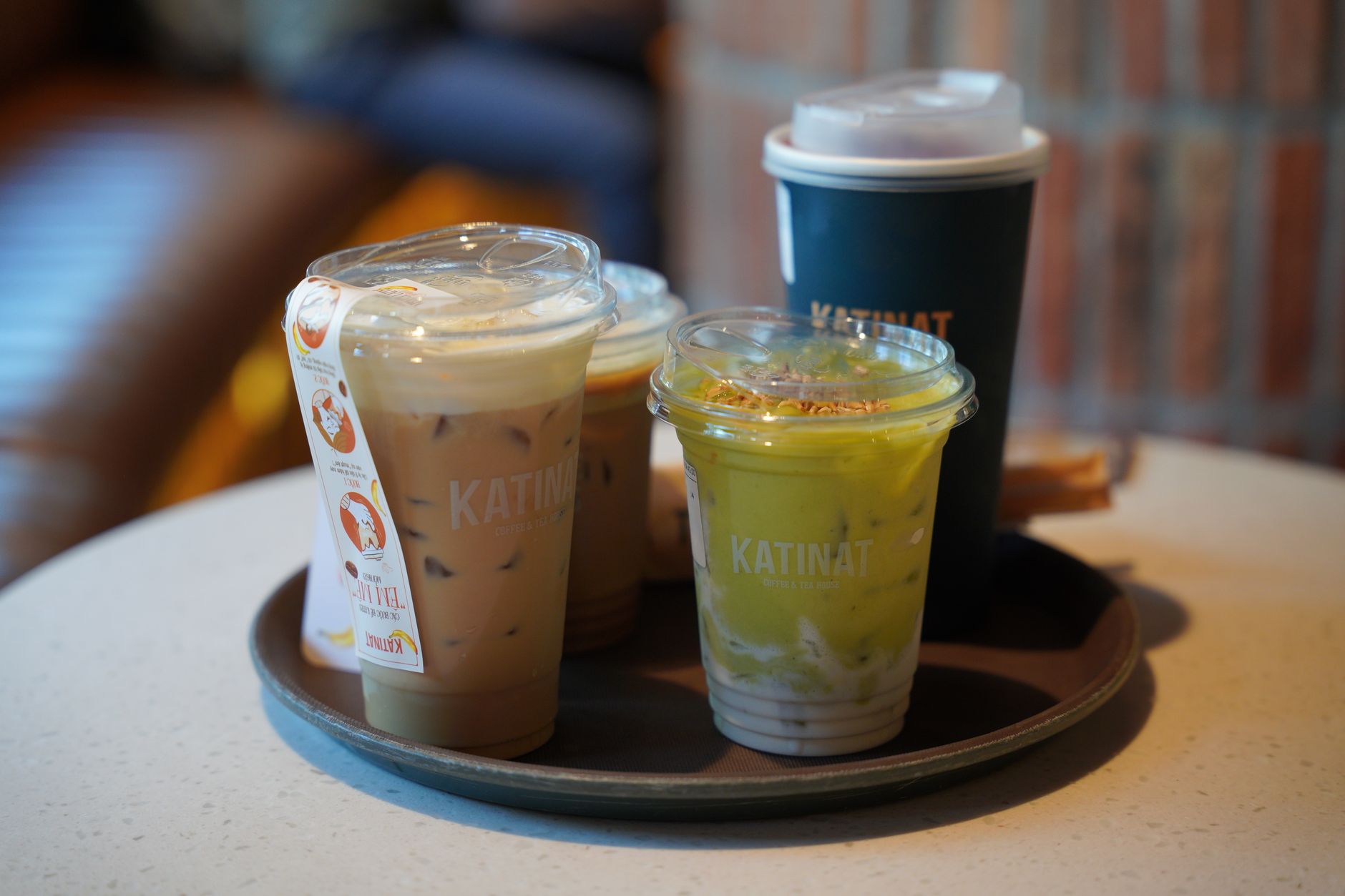
Many fans praise Dunkins matcha drinks for their creamy, smooth texture and the balanced sweetness. Baristas and matcha enthusiasts note the drinks tend to lean more towards dessert-like, with less bitterness compared to freshly whisked ceremonial matcha. The caffeine kick is noticeable but moderate, making it a popular choice mid-morning or early afternoon.
However, some matcha purists find Dunkins beverages lack the depth and vibrancy of higher-end matcha powders brewed traditionally. The sugar content and additives may also be a downside for those seeking clean-label products. Overall, Dunkins matcha is praised for convenience and consistency, fulfilling expectations for retail coffeehouse drinks rather than traditional tea ceremonies.
DIY vs Dunkin Donuts Matcha How Does It Stack Up?
Choosing to buy your own ground green tea powder means full control over quality, origin, and preparation. You can experiment with various grades and find one that suits your taste and health preferences. Making matcha at home offers a more potent antioxidant boost and fewer additives.
On the other hand, Dunkins matcha drinks offer convenience, consistent flavor, and professional preparation. If you value time and crave a quick, tasty matcha beverage, Dunkin is a reliable option. But be mindful: you pay a slight premium for convenience and may consume more sugar or fats than in your homemade version.
Health Benefits and Considerations
Matcha is widely celebrated for its rich antioxidants, especially catechins like EGCG (epigallocatechin gallate). According to USDA FoodData Central, matcha powders contain up to three times more antioxidants than steeped green tea. These antioxidants support metabolism, heart health, and improved focus.
Dunkins matcha drinks capture some of these benefits but are often sweetened, which may offset some health advantages. They also contain moderate caffeine levelsroughly 70mg per medium drinksimilar to a standard cup of coffee. For those sensitive to caffeine or mindful of sugar intake, monitoring consumption is advised.
Halal-conscious consumers will be pleased to know that many of Dunkins beverages undergo Halal certification, varying by country, certified by recognized bodies such as IFANCA or JAKIM depending on the region. Its best to check local store notices or packaging for official certification logos.
Choosing The Right Matcha Brand
Inspired by Dunkins approach, picking a matcha brand for yourself involves understanding what quality signals to watch for on the label and packaging. Whether buying for Halal, organic, or clean-label commitments, heres a quick guide.
| Certification | Price Range | Common Formats | Shelf Life | Key Allergens |
|---|---|---|---|---|
| JAKIM, IFANCA, USDA Organic | $12$30 per 30g tin | Powder in tins, sachets | Up to 12 months unopened, 3-4 months refrigerated once opened | None typical (check blends for additives) |
| HMC, Kosher | $10$25 | Loose powder, ready mixes | 1012 months sealed | Possible nuts/corn (in blends) |
Label Reading: What to Check
- Ingredient Order: Pure matcha powder should list 100% green tea leaves with no fillers.
- Certifications: Look for Halal (JAKIM, HMC), Organic, or Non-GMO labels for assured quality.
- Sugar Content: Some commercial matcha powders include sweeteners. For health, opt for unsweetened.
- Origin Details: Labels specifying Japan-grown typically indicate a higher-quality product.
- Added Flavors or Stabilizers: Natural flavors are okay, but avoid artificial dyes or preservatives.
Choosing wisely lets you avoid cheap imitations that disappoint with chalky taste or unhealthy additives.

Most Overlooked Buying Mistake
Many buyers pick the cheapest matcha powder without considering origin or purity. Cheap products often blend inferior tea leaves or include fillers that diminish both flavor and health benefits. Invest in brands with transparent labeling and solid reputations to avoid disappointment.
Why Cheap Versions Disappoint
Low-cost powders may lack umami, taste bitter, or produce a dull color. They might also contain contaminants or pesticides if not properly certified. These factors result in a subpar drinking experience, missing matchas signature vibrancy.
Expert Buying Tip
For serious matcha lovers, choose culinary-grade Japanese matcha sealed in air-tight tin containers. These maintain freshness and flavor. Store refrigerated and use within 3 months of opening for optimal taste.
If youre curious to try cocktails with a unique twist, check out our guide on Vodka drinks. Or if coffees your main focus, dont miss our comparison on Macchiato vs latte to refine your order.
Is Dunkin Donuts Matcha Brand Actually HalalWhat Should I Check?
Dunkins Halal certification varies by location. Look for official certification logos like JAKIM (Malaysia), HMC (UK), or IFANCA (USA) on the beverage container or store signage. Confirm that no non-Halal additives or alcohol-based flavorings are used, as per your dietary requirements.
How Should Dunkin Donuts Matcha Be Stored?
Dunkins matcha drinks should be consumed immediately for best taste and freshness. If purchasing matcha powder for home, store unopened in a cool, dry place. Once opened, keep powder refrigerated in an airtight container and use within 90 days to prevent oxidation and flavor loss.
Whats the Difference Between Culinary-Grade and Ceremonial Matcha?
Culinary-grade matcha suits cooking, baking, and mixed drinks, offering a balanced but milder flavor. Ceremonial-grade is premium, meant to be whisked and enjoyed pure, with an intense, vibrant umami taste. Dunkin uses culinary-grade matcha to ensure smooth, crowd-pleasing drinks.
Can I Make Dunkin-Style Matcha Drinks at Home?
Yes, by using culinary-grade matcha powder and following a recipe with milk, sweetener, and ice, you can replicate Dunkins matcha latte or iced matcha. Adjust sweetness and milk type to suit your taste and dietary needs.
Does Dunkin Donuts Matcha Contain Caffeine?
Yes, like all green teas, Dunkins matcha drinks contain caffeineusually around 70mg per medium drink. This level provides a gentle energy boost without jitters, suitable for those sensitive to high caffeine doses.
Are There Allergens in Dunkin Matcha Drinks?
Typically, matcha powder itself is allergen-free. However, Dunkins matcha beverages often contain dairy or plant-based milk alternatives, which may trigger allergies. Always check ingredients or request allergen information if you have sensitivities.
What Is the Typical Shelf Life of Matcha Powder?
Unopened, high-quality matcha powder lasts approximately 12 months. After opening, refrigeration is recommended, with a shelf life of 3 to 4 months for optimal flavor and nutritional value before oxidation dulls freshness.
Conclusion
Knowing the Dunkin Donuts matcha brand means recognizing it as a culinary-grade, privately sourced green tea powdermost likely from Japancrafted for smooth taste and consistency. This makes Dunkins matcha drinks a convenient choice for fans seeking Halal-certified, flavorful options without fuss. Next time you enjoy a matcha latte or iced drink, keep an eye on the label and origin, and perhaps try making your own at home to compare. Feel free to share your matcha experiences in the comments below!
FAQs
Is Dunkin Donuts matcha brand actually Halal — what should I check on the label?
Dunkin’s Halal certification depends on the region. Look for official certification logos like JAKIM, HMC, or IFANCA on the beverage packaging or store signage. Confirm that no non-Halal additives or alcohol-based flavorings are included to ensure compliance with your dietary requirements.
What is the typical shelf life of Dunkin Donuts matcha powder after opening?
Once opened, Dunkin’s matcha powder should be stored in a cool, airtight container and refrigerated. For best flavor and freshness, use within 3 to 4 months before oxidation diminishes quality.
How does Dunkin Donuts matcha brand compare to ceremonial-grade matcha?
Dunkin uses culinary-grade matcha, milder and tailored for mixed drinks with smooth sweetness. Ceremonial-grade matcha is more intense, vibrant, and suited for traditional whisked tea with stronger umami and caffeine.
Is it safe to consume Dunkin Donuts matcha drinks daily?
Yes, Dunkin’s matcha drinks contain moderate caffeine (about 70mg per medium drink), providing a gentle energy boost. However, watch sugar content and caffeine sensitivity when consuming daily to maintain a balanced diet.
Where can I buy Dunkin Donuts matcha drinks or powder?
Dunkin’s matcha drinks are available at participating Dunkin Donuts locations. Matcha powder similar in quality can be found online or at specialty tea shops, especially culinary-grade powders from reputable Japanese suppliers.