You open the fridge and see a pile of mismatched lids, stained plastic boxes, and a few containers without any cover at all. You wonder if the leftovers inside are still safe to eat. Choosing the right food storage containers matters more than most people realize, especially when you follow Halal dietary guidelines. The material your food touches, how long it stays fresh, and whether cross-contamination can occur all depend on the container you pick. Let us walk you through what actually works, what to avoid, and why a famous chef thinks most of us own too many.
Benefits vs. Risks of Storage Containers
What Are the Benefits of Using Food Storage Containers?
Good containers keep your food fresh longer. A sealed glass container can extend the life of cooked chicken by three to five days compared to leaving it in the original takeout box. They also help you organize your fridge and pantry, which means less waste and faster meal prep. For Halal households, dedicated containers for meat, dairy, and vegetables reduce the risk of cross-contamination. Reusable options also cut down on single-use plastic waste, which aligns with the Islamic principle of caring for the earth.
Stackable sets save cabinet space. A set of four rectangular glass containers takes up half the space of a jumble of round plastic ones. You can see what is inside without opening the lid, which means you grab what you need and close the door faster, keeping your fridge temperature stable.

What Are the Potential Risks and Downsides?
Not all containers are created equal. Cheap plastic options can warp in the microwave or dishwasher, and some contain BPA or phthalates that may leach into acidic foods like tomato sauce or citrus dressings. According to the FDA, BPA-free plastic is safer, but even then, repeated heating can break down the material over time. Glass and stainless steel carry no such risk.
Plastic containers also absorb odors and stains. A container that held a spicy curry may retain that smell for weeks, even after thorough washing. This can affect the taste of neutral foods like rice or yogurt stored later. For Halal kitchens where flavor purity matters, this is a real concern.
Expert Insight: What Scientists and Chefs Say About Container Safety
Food scientist Dr. Kantha Shelke explains that the main risk with plastic containers is thermal degradation. "When you heat plastic repeatedly, especially in the microwave, the polymer chains can break and release compounds into your food," she says. Her recommendation: use glass or ceramic for any food that will be reheated. Chef David Chang takes a more radical stance, arguing that most home cooks buy far too many containers and end up using only one or two reliable ones anyway. We will look at his reasoning next.
Why David Chang Chooses One Container
Why Does David Chang Say ‘No Reason‘ to Buy Multiple Containers?
David Chang, the Michelin-starred chef behind Momofuku, told an interviewer that he sees no reason to own a wide variety of food storage containers. His argument is simple: most people grab the same two or three containers over and over, while the rest gather dust in the back of a cabinet. He prefers a single type of container that fits multiple purposes storage, reheating, and even serving. This minimalist approach saves money, reduces clutter, and forces you to cook and store food more thoughtfully.
Chang specifically recommends deli containers the clear plastic quart and pint cups used by professional kitchens. They are cheap, stack perfectly, and are made from polypropylene, which the FDA considers safe for food contact. You can buy them in bulk for less than a dollar each. When one cracks, you toss it without guilt. For Halal home cooks, this means you can dedicate separate colors or labels for meat, dairy, and produce, keeping everything clearly separated.
Real-World Example: David Chang‘s Kitchen Setup Explained
In his home kitchen, Chang uses only two sizes: 16-ounce and 32-ounce deli containers. He stores leftovers, prepped ingredients, and even dry goods like flour and rice in them. He writes the date directly on the lid with a marker. When the container gets scratched or stained, he recycles it and opens a new one. This system costs about 30 dollars for a case of 200 containers and takes up one shelf. Compare that to a set of 20 glass containers that costs 80 dollars and takes up three shelves. The choice is clear for him and for any cook who values simplicity.
Best Alternatives for Halal Kitchens
What Are the Best Food Containers According to Experts and Reviews
If you prefer a more permanent solution than disposable deli cups, several options stand out. Glass containers with snap-lock lids are the top recommendation from Consumer Reports and America‘s Test Kitchen. They do not stain, do not absorb odors, and go from fridge to oven to table. For Halal kitchens, glass is especially useful because you can see the contents clearly, reducing the chance of mixing up meat and dairy containers.
Stainless steel containers are another strong choice, particularly for lunchboxes and travel. They are virtually indestructible, lightweight, and non-reactive with acidic foods. Brands like LunchBots and Eco lunchbox offer multi-compartment designs that keep different foods separate, which helps maintain Halal separation requirements.

What Are Some Practical Storage Container Alternatives
You do not have to buy a complete set to get organized. Mason jars work beautifully for dry goods, soups, and salads. A wide-mouth quart jar holds about four cups of liquid and seals airtight. Beeswax wraps are a reusable alternative for covering bowls and wrapping cheese or vegetables. Silicone stretch lids fit over any bowl or cut fruit and can be washed hundreds of times.
For Halal meal prep, consider using separate color-coded containers for different food groups: blue lids for raw meat, green for vegetables, red for cooked dishes. This visual system prevents mix-ups and makes it easy for everyone in the family to follow the rules without thinking twice.
Buyer‘s Checklist: Food Storage Container Materials Compared
| Certification | Price Range | Common Formats | Shelf Life | Key Allergens |
|---|---|---|---|---|
| BPA-free, FDA-approved, LFGB (European) | $5 $15 per set (plastic); $20 $50 per set (glass) | Sets of 320 pieces; individual quart/pint sizes | Plastic: 24 years; Glass: 10+ years (lids 12 years) | Silicone seals (rare); Latex in some lid gaskets |
| BPA-free, Propylene-based (deli cups) | $0.30 $1.00 per container | Pint (16 oz), Quart (32 oz), Half-gallon (64 oz) | Single use to 6 months if reused gently | None typically; check for phthalate-free labeling |
| Stainless steel: 18/8 food-grade, BPA-free lids | $10 $30 per container | Round, rectangular, compartment (bento style) | 1520 years (lids 23 years) | Nickel (trace); silicone seals (rare) |
Smart Kitchen Storage Tips
How To Organize Your Kitchen to Save Space and Reduce Waste
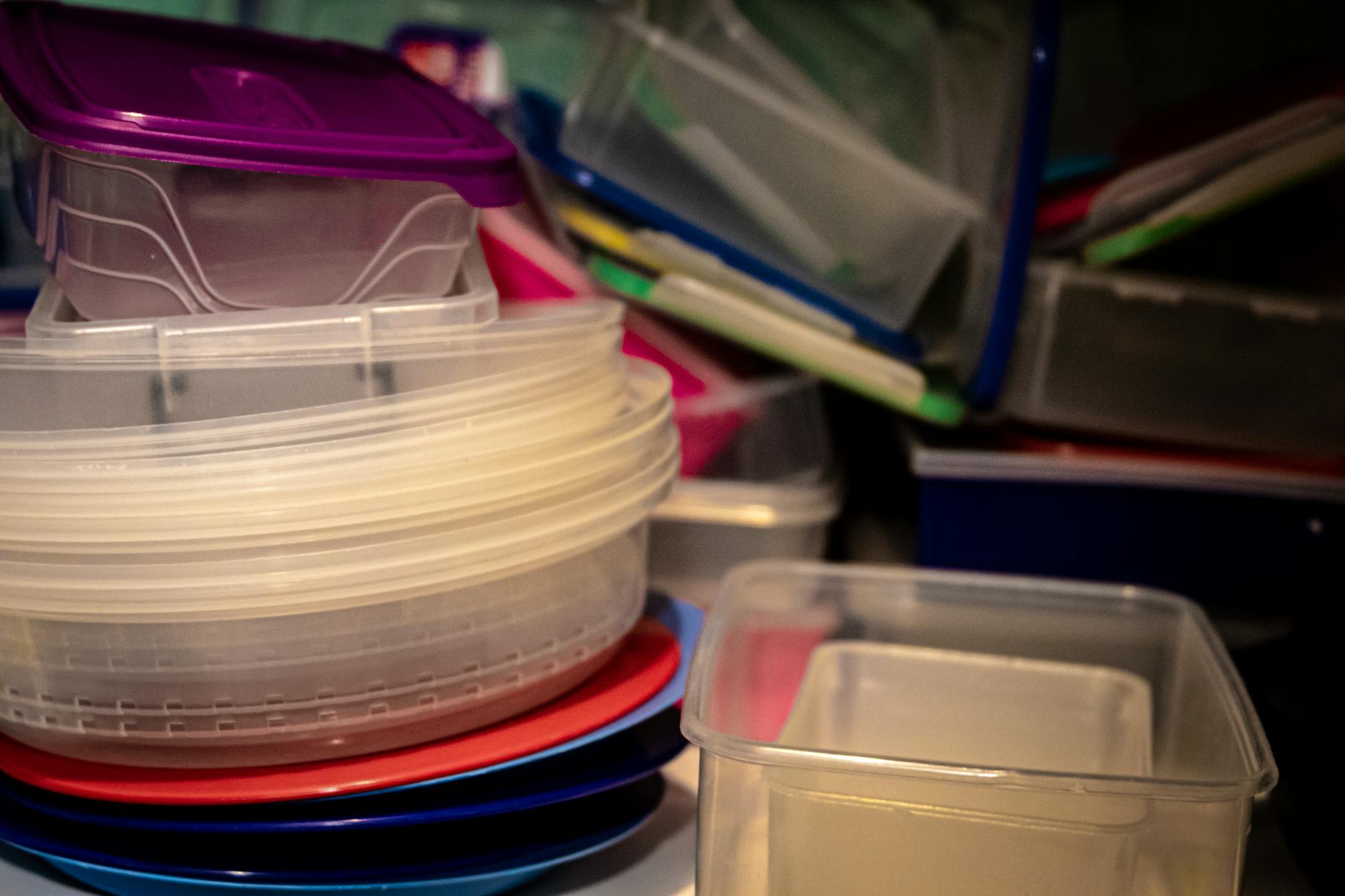
Start by taking everything out of your cabinets and grouping containers by size and type. Toss any lid that does not have a matching container and any container that is cracked, warped, or heavily stained. This one purge can free up an entire shelf. Then stack containers with their lids on, not nested. Nested containers collect dust and make it harder to grab the one you need.
Use a permanent marker to write the date and contents directly on the lid or on a piece of masking tape. This habit alone can cut food waste by up to 30 percent, according to a study from the University of Arizona. You will stop asking "When did I cook this?" and start knowing exactly what needs to be eaten first.
How to Properly Clean and Maintain Reusable Food Containers
Glass containers can go in the dishwasher, but let them cool completely before washing to avoid thermal shock. Plastic containers should go on the top rack only, away from the heating element. To remove tomato stains from plastic, soak the container in a solution of one part white vinegar to three parts warm water for 30 minutes, then scrub with baking soda. For stubborn odors, fill the container with warm water and two tablespoons of baking soda, seal it, and let it sit overnight.
Replace silicone seals when they lose their grip or develop cracks. A loose seal lets in air and bacteria, reducing shelf life from seven days to about three. If you notice condensation inside a sealed container in the fridge, the seal is failing and should be replaced.
Quick Hacks to Extend the Life of Your Food Storage Solutions
Store lids in a small bin or binder clip them to a cabinet door so you never lose them again. When freezing food in glass containers, leave one inch of headspace to allow for expansion otherwise the lid may pop off or the glass could crack. For plastic containers, freeze them no more than three-quarters full to prevent warping. Label every container before you freeze it; frozen food looks the same regardless of what is inside.
How to Tell If a Container Is Truly Halal-Friendly for Your Kitchen
Are food storage containers actually Halal what should I check?
Most food storage containers themselves are not Halal-certified because they are not food products. What matters is that the materials are food-grade, BPA-free, and free from any non-Halal additives like animal-derived stearates sometimes used in plastic manufacturing. Look for containers labeled "food-grade" or "FDA-approved." If the container is made from silicone, check that it is 100 percent pure silicone with no fillers. For extra confidence, choose brands that display Halal certification from recognized bodies like JAKIM, IFANCA, or HMC on their packaging.
Can I use the same container for raw meat and cooked food?
It is best to avoid using the same container for raw meat and cooked food without thorough washing between uses. In a Halal kitchen, cross-contamination between raw and cooked items, or between Halal and non-Halal foods, must be carefully managed. Use separate containers for raw meat and assign them a specific color or label. Wash them in hot, soapy water or the dishwasher on a sanitize cycle before reusing for any other food. Glass and stainless steel are easier to sanitize than plastic because they do not develop microscopic scratches where bacteria can hide.
What is the best material for freezing Halal meals?
Glass and thick plastic containers labeled "freezer-safe" are best. Glass does not absorb odors or leach chemicals, and it goes straight from freezer to oven or microwave. Leave one inch of headspace in glass containers before freezing to allow for expansion. Plastic containers with snap-lock lids can be used for freezing, but they become brittle over time and may crack if dropped. For long-term freezer storage, vacuum-sealed bags are an excellent option because they prevent freezer burn and take up very little space.
How long can I store cooked Halal food in a sealed container?
Cooked Halal food stored in a sealed container in the refrigerator stays safe for three to four days, according to USDA guidelines. Foods with high moisture content, like soups and stews, last four to five days. Dry dishes like rice or roasted vegetables last three to four days. For longer storage, freeze the food within two hours of cooking. In the freezer, properly sealed cooked food remains safe for two to three months, though texture and flavor decline after about six weeks for most dishes.
Is it safe to microwave food in plastic containers?
Only if the container is labeled "microwave-safe." Even then, avoid microwaving fatty or oily foods in plastic, because fat absorbs more heat and can cause the plastic to degrade faster. Transfer food to a glass or ceramic dish before reheating whenever possible. If you use plastic deli cups like the ones David Chang recommends, note that they are microwave-safe for single use but may warp after repeated heating. A 2023 study in Environmental Science & Technology found that even microwave-safe plastics can release microplastic particles into food when heated. Glass is the safer choice every time.
What should I look for on a container label before buying?
Check for these four things: BPA-free certification, microwave-safe and dishwasher-safe labels, a temperature range printed on the bottom, and the recycling number. Numbers 2 (HDPE), 4 (LDPE), and 5 (PP) are the safest for food storage. Number 7 often contains BPA unless specifically labeled otherwise. For glass containers, look for tempered glass, which resists thermal shock. Avoid lids with latex gaskets if anyone in your household has a latex allergy. For Halal assurance, look for IFANCA or JAKIM logos on the packaging.
How often should I replace my food storage containers?
Glass containers can last for decades if handled gently. Replace the lids every one to two years when the seal starts to weaken. Plastic containers should be replaced every six to twelve months if used regularly, or sooner if they become scratched, warped, or cloudy. Cloudiness is a sign of microscopic cracks where bacteria can grow. Stainless steel containers last 15 to 20 years with proper care. Deli cups, being disposable by design, are meant for single or limited reuse and should be replaced after three to four uses.
Pro Tips for Choosing and Using Storage Containers
The most overlooked mistake people make is buying a complete set before understanding their actual habits. You may love the idea of a 20-piece glass set, but if you rarely cook at home and mostly store takeout, a set of four deli containers and a few wide-mouth mason jars will serve you better. Start with what you actually use in a week, then add more as needed.
Cheap plastic containers from discount stores often contain fillers or lower-grade polymers that degrade faster and leach more compounds. Spending two to three dollars more per container on a reputable brand like Pyrex, Glasslock, or OXO pays off in durability and safety. For Halal households, these brands also offer clear labeling about their material composition, making it easier to verify food-grade safety.
One expert trick: use clear containers only, never colored or frosted ones. Seeing the food inside reminds you to eat it before it spoils. A 2019 study published in the Journal of Consumer Behaviour found that people are 47 percent more likely to eat leftovers when they can see them clearly. Visibility is the simplest waste-reduction tool you already own.
More You Might Like
If you enjoyed this guide, you might also find our article on best practices for Halal meal preparation helpful. It covers how to plan, store, and reheat meals while maintaining Halal integrity throughout the week. Another related read is our breakdown of pantry organization for Halal households, which includes shelf-by-shelf recommendations for dry goods, spices, and canned items. Both resources pair well with the container advice you found here.

Conclusion
Choosing the right food storage containers does not have to be complicated. Start with the material that matches how you cook and eat. Glass for reheating and long-term storage, plastic deli cups for short-term organization, stainless steel for lunch on the go. Keep separate containers for raw meat and cooked dishes to protect your Halal kitchen standards. Replace worn lids and scratched plastic before they compromise your food. Next time you shop for containers, check the label for BPA-free and food-grade certification, and buy only what you will actually use. A cleaner fridge, less waste, and safer meals start with that single choice.
FAQs
Is food storage containers actually Halal — what should I check on the label?
Most containers are not Halal-certified because they are not food products. Look for "food-grade" or "FDA-approved" labels. Avoid animal-derived additives like stearates. For extra confidence, choose brands with Halal certification from recognized bodies such as JAKIM, IFANCA, or HMC. Also verify BPA-free claims and the recycling number (2, 4, or 5 are safest).
How long can I store cooked Halal food in a sealed container after opening?
Cooked Halal food stays safe in a sealed refrigerator container for 3 to 4 days per USDA guidelines. High-moisture dishes like soups last 4 to 5 days. For longer storage, freeze within 2 hours of cooking. Properly sealed frozen food remains safe for 2 to 3 months, though texture and flavor decline after 6 weeks.
What is the difference between glass and plastic food storage containers?
Glass containers do not stain, absorb odors, or leach chemicals, and they go from fridge to oven to table. Plastic containers are lighter and cheaper but can warp in the microwave, absorb smells, and degrade with repeated heating. Glass is safer for reheating, especially for acidic foods. Plastic deli cups are best for short-term organization.
Is it safe to use plastic containers daily for food storage?
Only if containers are labeled "microwave-safe" and BPA-free. Avoid heating fatty or oily foods in plastic, as they absorb more heat and accelerate degradation. Even safe plastics can release microplastics when heated. For daily reheating, glass or ceramic is the safer choice. Replace plastic containers that become scratched, warped, or cloudy.
Where can I buy Halal-friendly food storage containers?
Look for reputable brands like Pyrex, Glasslock, OXO, or LunchBots that clearly label their materials. Check for IFANCA or JAKIM logos on packaging. For budget-friendly options, buy polypropylene deli cups from restaurant supply stores. Always verify BPA-free and food-grade certifications on the label before purchasing.