Hey if youve been told to watch your cholesterol and felt overwhelmed by conflicting advice, youre not alone. Ive been there: scrolling through endless lists, wondering which foods actually help and which are just trendy. Lets take a friendly, clear walk through the best foods to lower cholesterol practical, science-backed, and tasty enough that youll stick with them.
Why It Matters
High cholesterol can sneak up on you. Over time, it can contribute to clogged arteries and raise your risk for heart disease and stroke. The good news? Food is one of the most powerful tools you have. Small, consistent changes to your daily meals can make a real difference in lowering LDL (the bad cholesterol) and improving your overall heart health. And no you dont have to eat cardboard salads to get results.
Oats and Whole Grains
Lets start with a cozy classic: oats. A warm bowl of oatmeal in the morning does more than comfort your soul it provides soluble fiber (beta-glucan) which helps bind cholesterol in your gut so it can leave your body. Aim for at least 3 grams of soluble fiber daily from foods like oats, barley, and other whole grains.
Swap out sugary cereals for steel-cut oats or try overnight oats with fruit and a sprinkle of nuts. Youll feel full longer, and your arteries will thank you.
Legumes: Beans, Lentils, and More
Beans are quiet little superstars. Black beans, chickpeas, lentils theyre full of soluble fiber and plant protein, which can lower LDL without bumping up calories. Theyre also budget-friendly and versatile. Toss them into soups, salads, stews, or blend them into spreads like hummus.
If youre interested in exploring more protein-rich plant options, you might like this guide on Plant based food, which pairs well with a cholesterol-conscious diet.
Nuts and Seeds
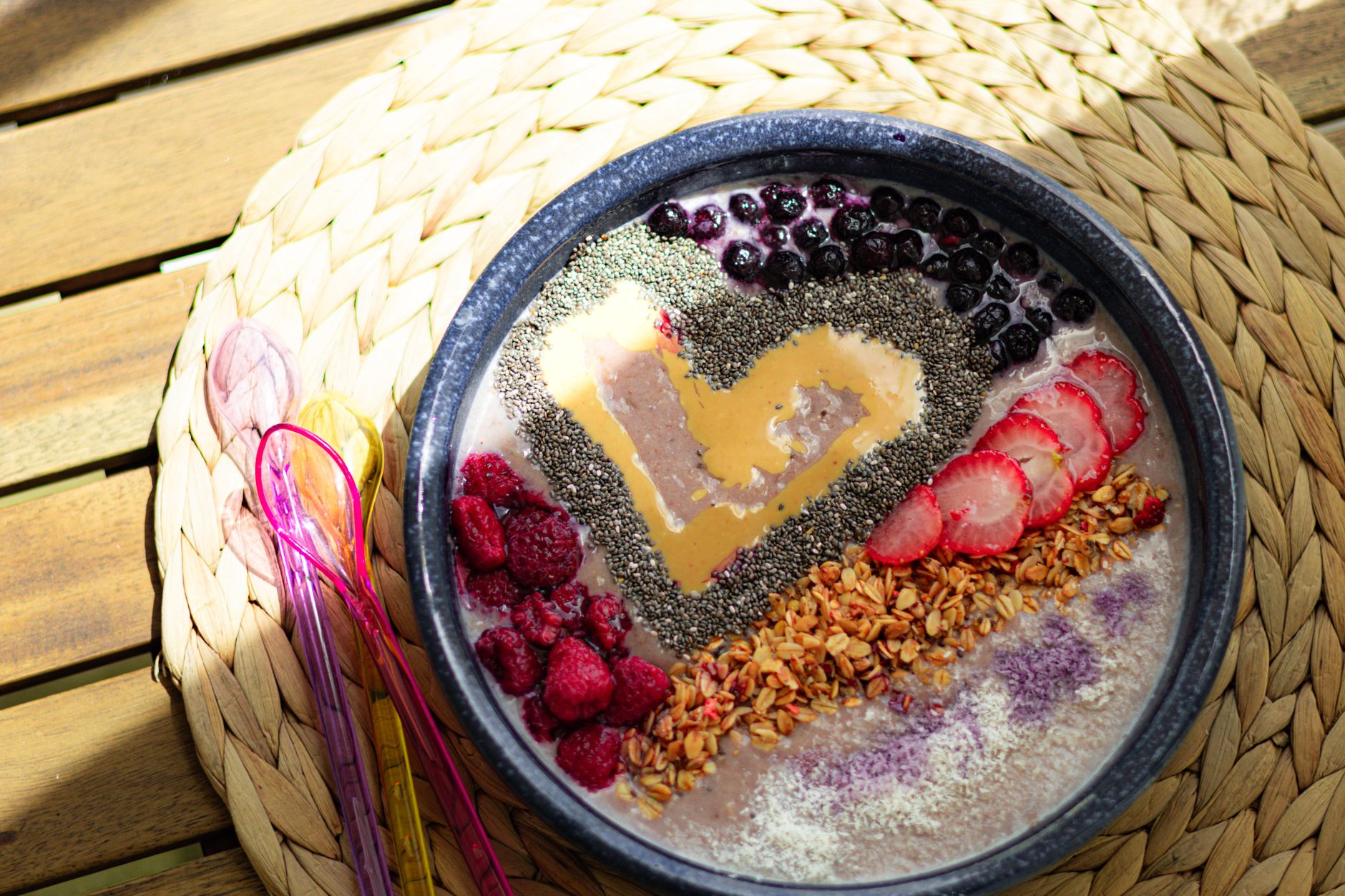
Walnuts, almonds, chia seeds and flaxseeds theyre tiny but mighty. These foods contain heart-healthy unsaturated fats, fiber, and plant sterols that can gently nudge cholesterol in the right direction. A small handful (about 1 ounce) most days is a great habit. Love crunchy snacks? Try roasted chickpeas or a mix of seeds and nuts with a pinch of paprika.
Fatty Fish and Omega-3s
Salmon, mackerel, sardines these fish are rich in omega-3 fatty acids, which dont directly lower LDL much but help reduce inflammation and triglycerides, which improves overall heart health. Aim for two servings of fatty fish per week. Not a fish fan? Ask your doc about omega-3 supplements.
Olive Oil and Healthy Fats
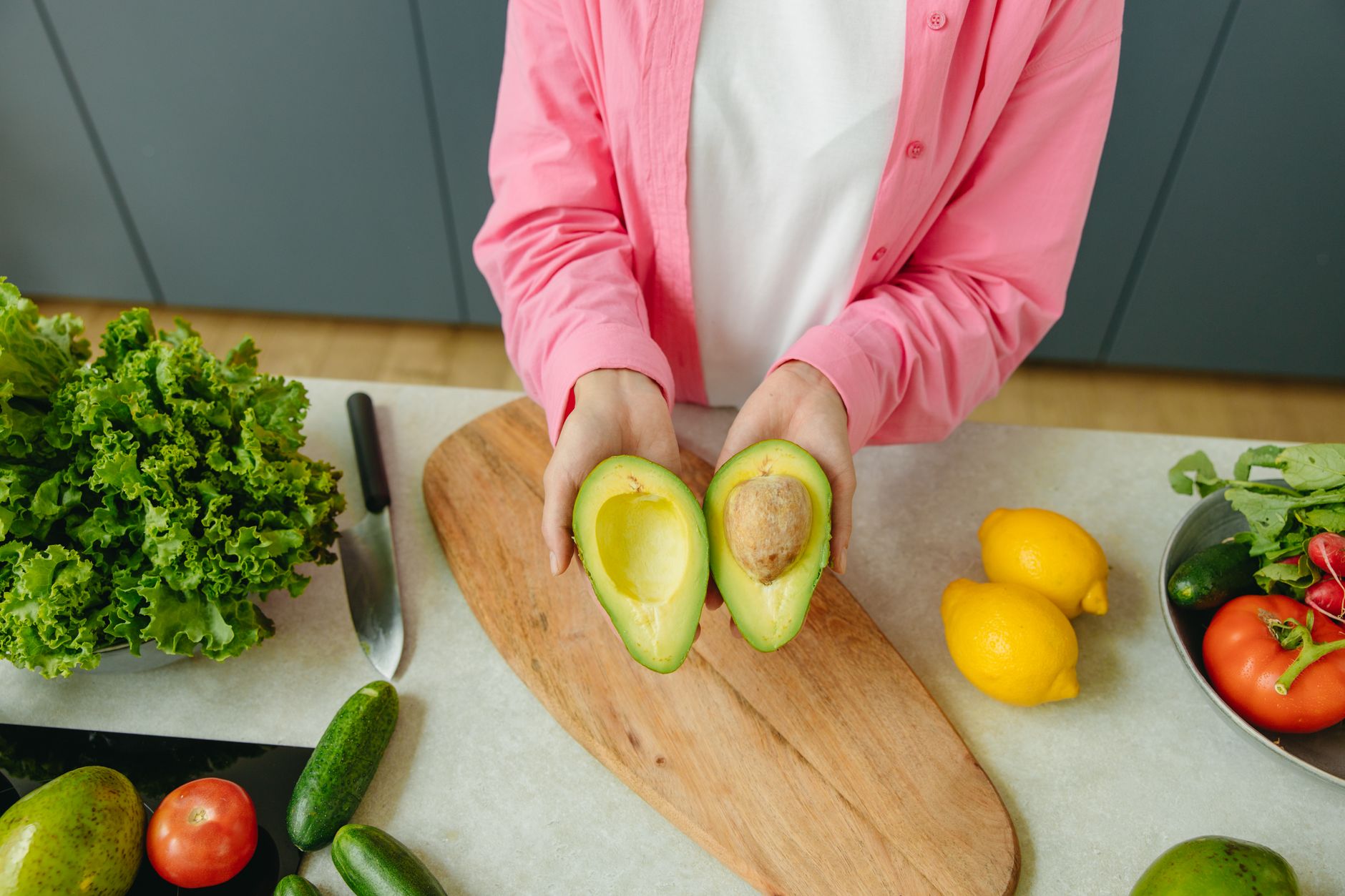
Replacing butter and lard with olive oil is one of the easiest swaps with big benefits. Extra virgin olive oil is full of monounsaturated fats and antioxidants that support healthy cholesterol levels. Use it in dressings, to saut veggies, or drizzle over roasted potatoes. It tastes delicious and is good for your heart a win-win.
Fruits That Fight Cholesterol
Apples, pears, berries, and citrus fruits are high in soluble fiber and flavonoids plant compounds that help lower LDL and protect blood vessels. Apples, in particular, contain pectin, a form of soluble fiber thats great for cholesterol control.
Try topping your morning oats with berries or keeping an apple in your bag for a sweet, heart-healthy snack.
Vegetables: More Than Just Sides
Greens like spinach and kale, cruciferous veggies like broccoli and Brussels sprouts, and colorful peppers are all part of the cholesterol-lowering toolkit. Theyre high in fiber, vitamins, and antioxidants. Vegetables also make your plate more satisfying so youre less likely to reach for processed snacks.
Sterol- and Stanol-Fortified Foods
You may have seen spreads, orange juice, or yogurts fortified with plant sterols or stanols. These compounds mimic cholesterol and prevent some dietary cholesterol from being absorbed. If you enjoy these products, they can be a helpful addition, especially if used alongside other heart-healthy foods.
Green Tea: A Gentle Helper
Sipping green tea daily can offer modest benefits. It contains catechins, antioxidants that may help reduce LDL cholesterol. Its not a miracle cure, but its a calming habit that complements other healthy choices.
Simple Meal Ideas to Get You Started
Okay, so you know what works. Lets put it together into meals that taste good and are easy to prepare.
- Breakfast: Oatmeal topped with blueberries, a tablespoon of ground flaxseed, and a few chopped almonds.
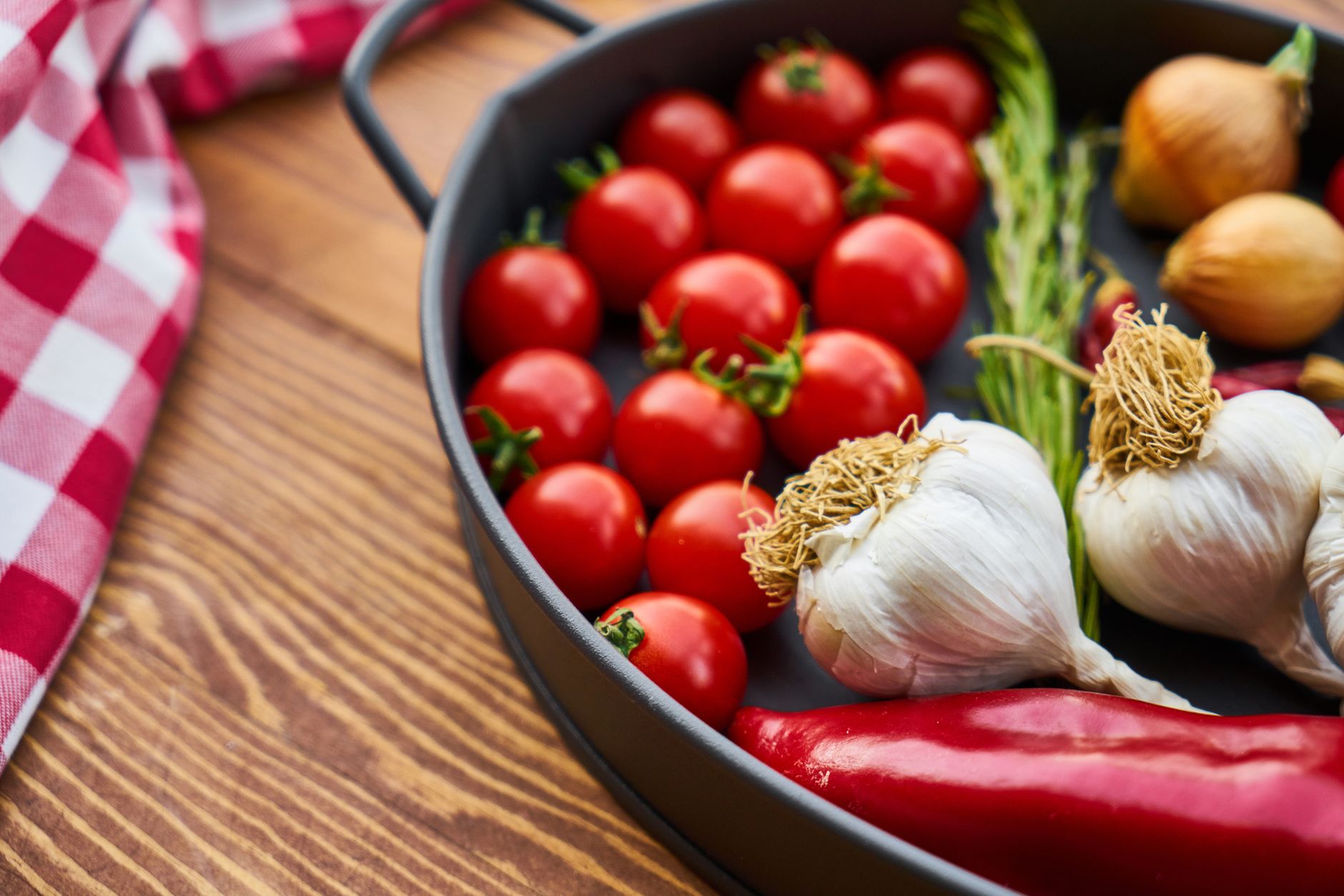
- Lunch: Chickpea salad with mixed greens, cherry tomatoes, cucumber, a drizzle of olive oil, and lemon juice.
- Snack: An apple with a small handful of walnuts.
- Dinner: Baked salmon with roasted Brussels sprouts and a quinoa side tossed with parsley and lemon.
These arent rigid rules think of them as friendly guidelines. Also, if youre curious about high-protein options that still support heart health, explore this helpful resource: What are foods high in protein.
What to Limit (Without Feeling Guilty)
No one expects perfection. Instead of demonizing foods, aim to limit saturated fats (found in fatty cuts of meat, butter, full-fat dairy) and avoid trans fats (often in fried and processed foods). Reduce intake of highly processed snacks and sugary drinks. Little swaps like choosing leaner meats, low-fat dairy, or plant-based spreads can add up.
Small Habits That Make a Big Difference
Food is powerful, but its part of a bigger picture. Here are gentle, sustainable habits that amplify the benefits:
- Move a bit each day: A brisk walk or dance around the kitchen helps raise HDL (the good cholesterol).
- Quit or cut back on smoking: This dramatically improves heart health.
- Manage stress: Sleep, meditation, or chatting with a friend can help keep hormones that affect cholesterol in balance.
- Watch portions: Even healthy foods can add up if you eat them in giant quantities.
When Food Isnt Enough
Sometimes lifestyle changes arent quite enough, especially if genetics play a role. If your numbers remain high despite eating well, your doctor might recommend medication. Thats okay using medication alongside healthy eating is common and smart. Keep an open dialogue with your healthcare team and celebrate the progress youre making along the way.
Real Talk: How Long Until You See Results?
Patience is a superpower here. Some people see modest improvements in cholesterol within a few weeks, but meaningful changes often take a few months. The key is consistency. Choose foods and routines you genuinely enjoy its the only sustainable way to stay heart-healthy for life.
Wrapping Up with Encouragement
If this feels like a lot, start with one swap: oatmeal for sugary cereal, olive oil instead of butter, or a bean-based meal once a week. Celebrate small wins they compound. And remember, every healthy meal is a vote for your future self.
What change will you try this week? Share your wins or questions Id love to hear what works for you. If you want more ideas for protein-packed choices that pair well with a cholesterol-friendly plan, check out this list of Healthy foods high in protein for inspiration.
Take care of your heart gently, kindly, and deliciously.
FAQs
What are the best foods to lower cholesterol?
Foods high in soluble fiber (oats, barley, beans) and healthy fats (olive oil, nuts) help reduce LDL and support heart health.
How much soluble fiber should I aim for daily?
Aim for at least 3 grams of soluble fiber daily from foods like oats, barley, and other whole grains.
Do plant sterols or stanols help lower cholesterol?
Yes, fortified foods with plant sterols or stanols can help reduce cholesterol when used alongside other heart-healthy choices.
How long does it take to see cholesterol changes from diet?
Most people see gradual improvements over a few weeks to months with consistent healthy eating.
Should I replace saturated fats rather than cut them out completely?
Yes, replace saturated fats with healthier fats like olive oil, nuts, and fatty fish to support heart health.