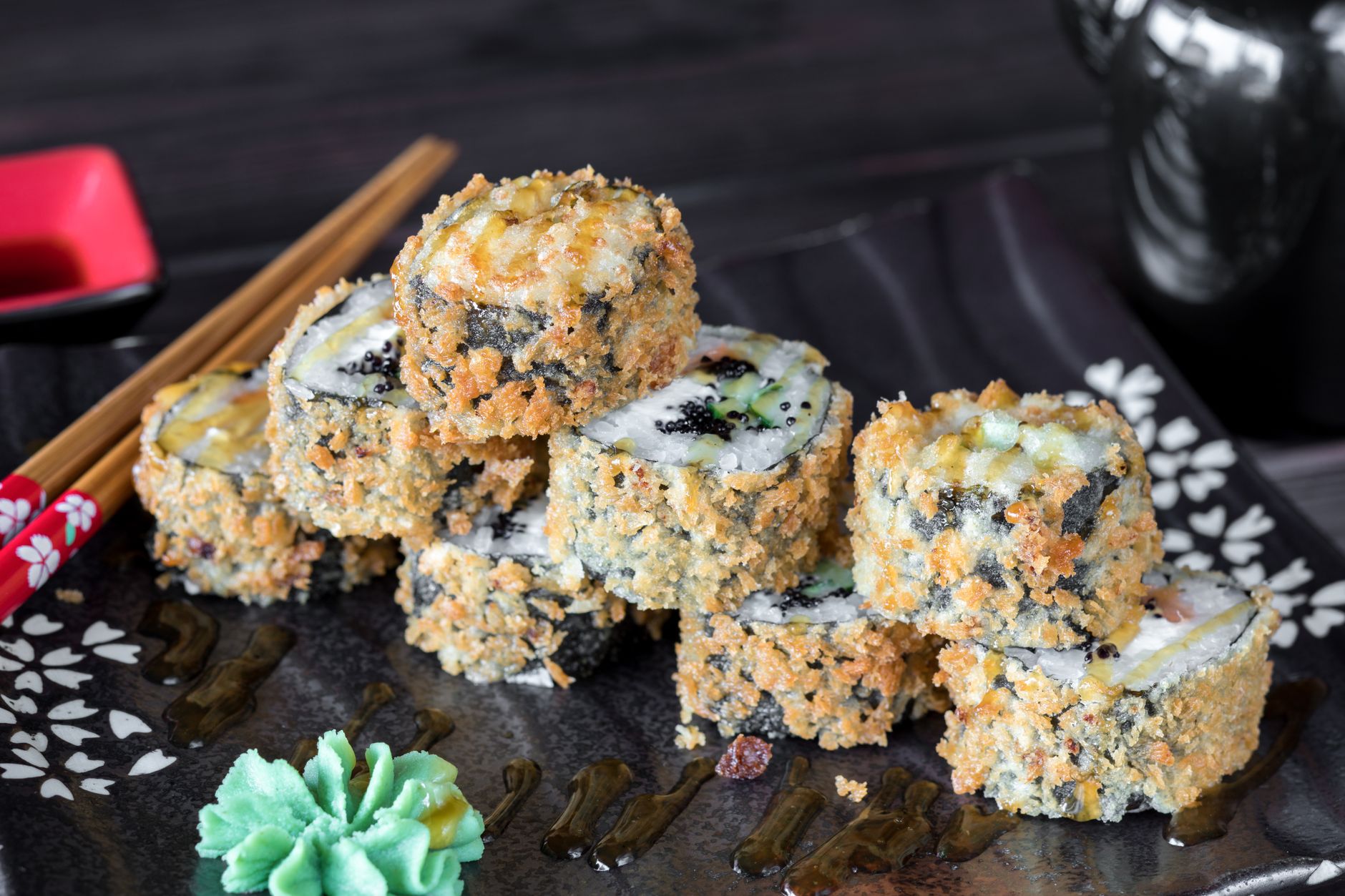
Okay, so heres a little secret that might just blow your sushi-loving mind the green paste you usually get with your sushi? Yeah, thats probably not real wasabi. Shocking, right? Most restaurants serve a less expensive mix of horseradish, mustard, cornstarch, and green food coloring instead of the real deal. Its kind of messy, but knowing the difference can totally change the way you experience your sushi night.
So, if youve ever wondered how to actually identify real wasabi and why it even matters, youre in the right place. Lets dig into this a little, and I promise, itll be a fun and tasty journey.
What Real Wasabi Is
First off, what exactly is real wasabi? Real wasabi comes from the Wasabia japonica plant, grown mostly in Japan, although some spots in the US and elsewhere have started cultivating it too. Its a rootlike gingerbut way more delicate and fussy. The flavor? Oh, its fresh, bright, with a sharp but fleeting heat that makes your nose tingle but doesnt burn your mouth into oblivion like fake horseradish-based stuff.
Heres a little chefs insider: real wasabis heat comes from compounds called allyl isothiocyanate. These molecules evaporate quickly, which is why the heat hits fast and then is gone in a blink. This ephemeral heat enhances food in ways that fake wasabi just cant mimic.
The tricky part is that this root is really hard to grow. It needs pristine mountain streams, a specific climate, and plenty of patience from farmers. Thats why real wasabi is scarceand expensive.
The Differences Between Fake Wasabi and Real Wasabi
Now, lets talk about the wasabi imposters. Have you looked closely at the stuff you get with your sushi? Fake wasabi typically contains horseradish, mustard powder, cornstarch, and green food coloring. Thats it. No fancy mountain streams or delicate hand-harvesting involved.
This fake stuff is pungent, it can be downright harsh, and that bright green color is totally artificial. You wont get the subtle vegetal sweetness or the smooth, creamy texture of real wasabi with this impostor.
Wondering why restaurants use fake wasabi instead of the authentic stuff? Well, its mostly about cost and convenience. Real wasabis pricey and perishable, while fake wasabi can be mass-produced and kept in the fridge for months without losing its zing. Many places just arent set up to handle the fresh root, so they play it safe.
Heres a quick handy comparison to help you spot some differences:
| Feature | Real Wasabi | Fake Wasabi (Horseradish) |
|---|---|---|
| Ingredients | Wasabia japonica root | Horseradish, mustard, starch, green dye |
| Flavor | Fresh, sweet, floral, fast heat | Sharp, biting, lingering heat |
| Color | Light green, natural | Bright neon green |
| Texture | Creamy, almost fluffy | Grainy or pasty |
| Price | High | Low |
How To Identify Real Wasabi
So, you may be asking: How do I actually identify real wasabi when Im sitting at the sushi bar or buying from the store? Great question! Here are a few easy tips to keep in mind next time youre staring down that little green blob:
Look Closely at Color and Texture
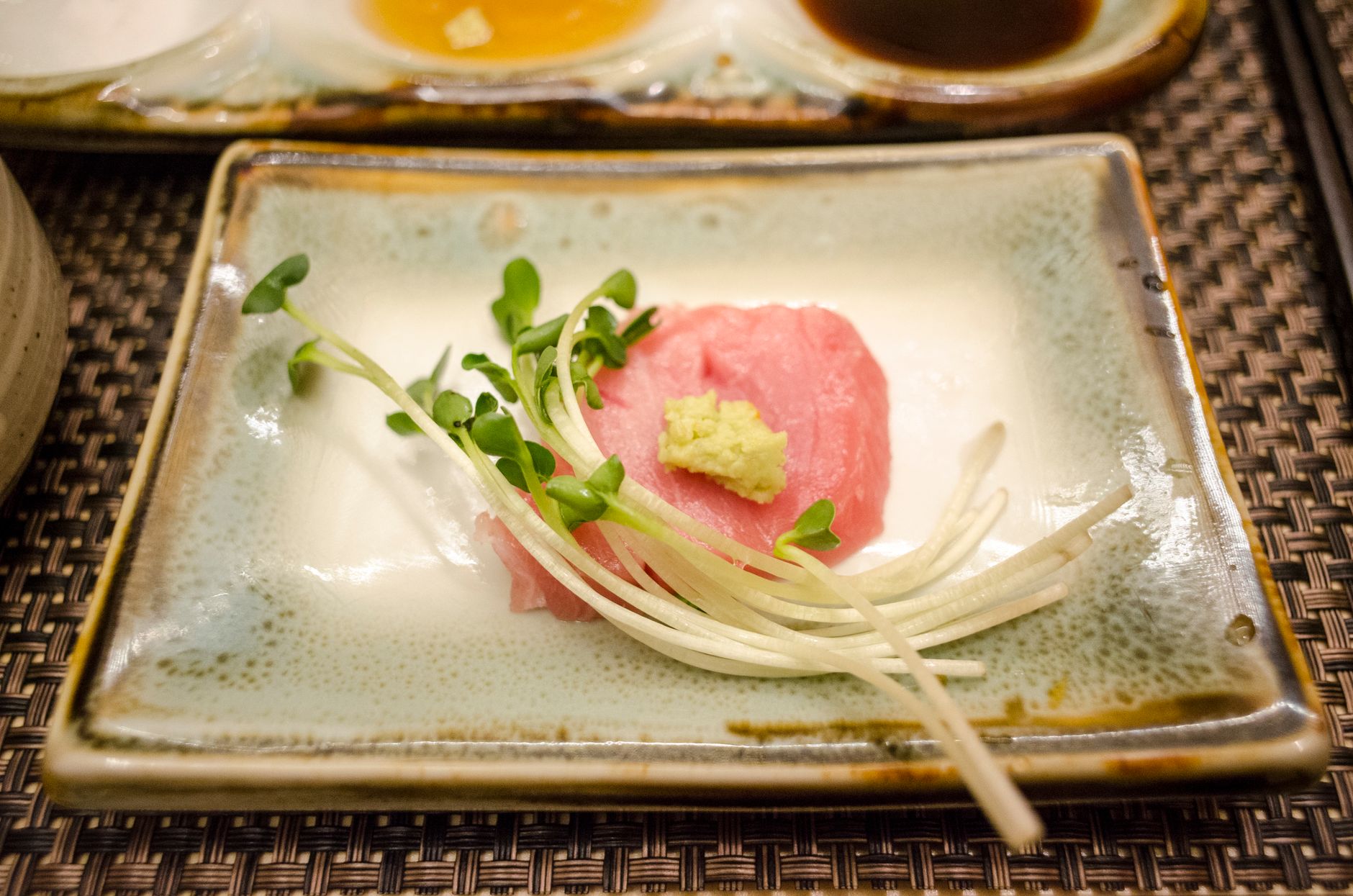
Real wasabi tends to have a pale, subtle green shadenot that blinding neon stuff you often see. Plus, its got a more fibrous, moist, even fluffy texture, almost like freshly grated horseradish. Fake wasabi? Often too smooth or pasty, and the color looks artificial.
Give It a Sniff
If youre lucky enough to have an opportunity to smell it, fresh wasabi has a bright, vegetal aroma with a hint of sweetness. Fake wasabi often smells more like vinegar or spicy horseradish, sometimes even with artificial notes.
Try a Tiny Taste
This is where things get really interesting. Real wasabis heat hits your nose sharply but disappears within seconds, leaving a pleasant, slightly sweet aftertaste. Fake wasabis burn lingers, sometimes even making your eyes water long after you've swallowed.
Wasabi Authenticity Test at Home
Want to play scientist at home? Heres a simple wasabi authenticity test you can try:
- Grate a small amount of the wasabi paste (if in root form) or observe the paste closely.
- Smell it - is it fresh and earthy?
- Place a tiny bit on your fingertip and touch to the roof of your mouth or just under your nose.
- Notice how fast the heat fades.
- If you experience a lingering, harsh burning, its probably fake.
These little experiments help because wasabi vs horseradish flavor and heat are fundamentally different, and knowing the difference can really upgrade your sushi game.
Why Its Worth Seeking Real Wasabi
Besides just impressing your friends with your food smarts, pursuing real wasabi has some pretty cool perks that go beyond just taste. Real wasabi contains compounds known for their antibacterial and anti-inflammatory properties, so its a little health boost too. Some research suggests it can even help with digestion and might have antioxidant benefits (which sounds fancy, but its basically giving your body some good vibes).
Of course, like any spicy food, real wasabi isnt for everyone. Some folks might find it a bit intense or have some allergies, so having a balanced view is key. If you want to know more about how to tailor your diet with nutrient-rich and safe options, check out this great guide on best foods for diabeticsits packed with useful tips that many find surprisingly helpful.
Where and How to Buy Real Wasabi
Now, your next question might be, Where the heck can I find this elusive, fancy root? Real wasabi is out there, but its definitely not your corner grocery store find. Specialty stores, upscale Japanese markets, or online shops that focus on fresh or frozen wasabi roots are your best bets.
Keep an eye out for fresh roots rather than pastes or powders labeled as real wasabi. Remember, freshly grated is bestonce grated, wasabis flavor fades pretty quickly, often within 1520 minutes.
When it arrives, store the root wrapped in damp paper towels inside an airtight bag in your fridge. If you really want to get fancy, you can plant one, but thats a whole adventure on its own!
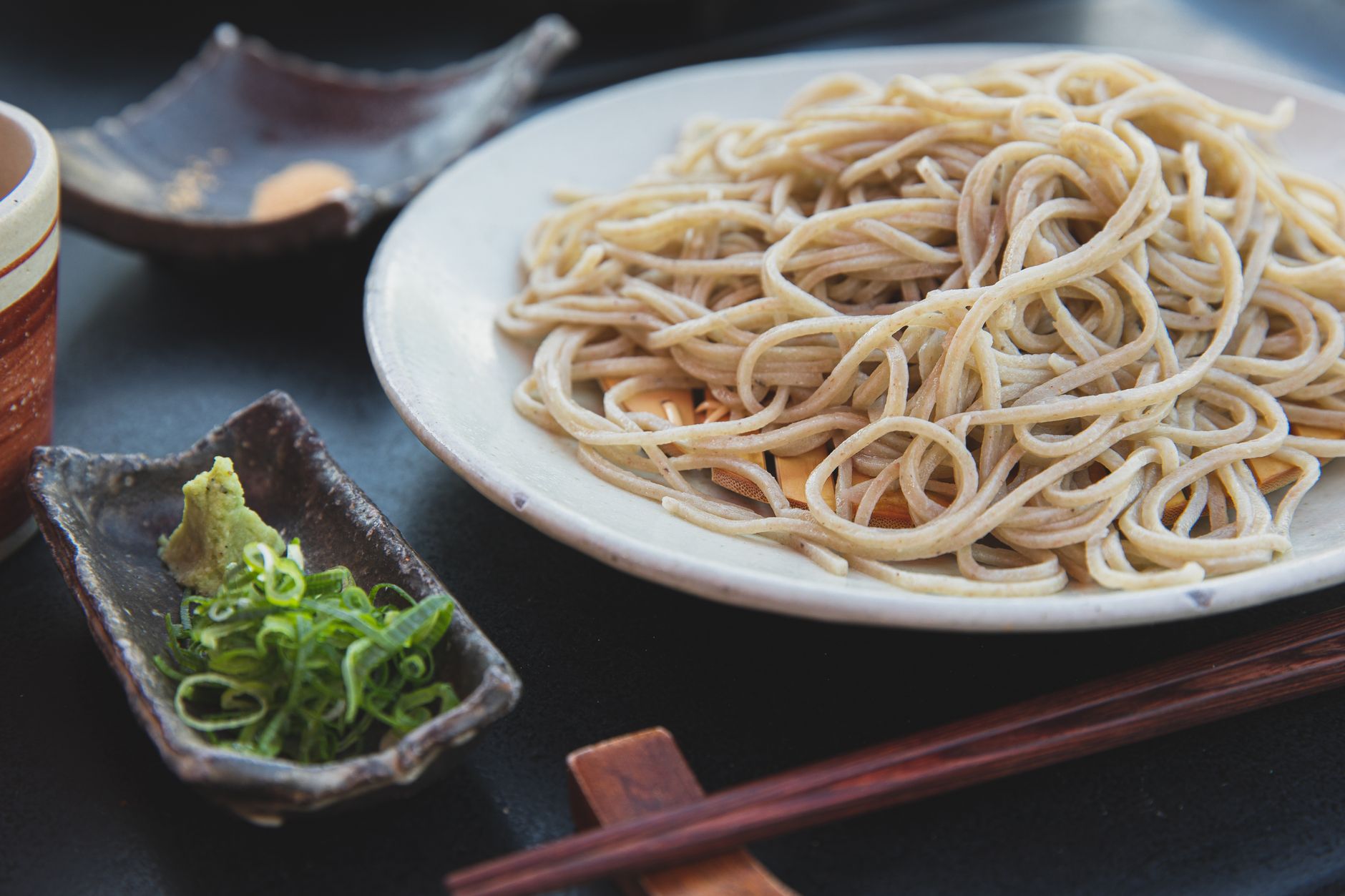
And if you want your sushi night to be next level, grate the real wasabi fresh on a fine sharkskin or ceramic grater, and see your meal transform in ways you didnt expect.
Wrapping Up the Wasabi Mystery
So, is your wasabi real? If its bright green, pasty, and makes your eyes water for a while, odds are its the usual fake mix. If its paler, fresh-smelling, and offers a quick little kick - congrats, youre probably dealing with the real thing.
Real wasabi isnt just a fancy ingredient; its a whole experience wrapped in a tiny, modest-looking root. Knowing how to identify it helps you appreciate your sushi, and heyfrom a food lover to anotherthose little details make all the difference.
If youre curious, why not give the wasabi authenticity test a try next time you order sushi? And if youre feeling adventurous, hunt down fresh wasabi roots and try grating your own. Its surprisingly fun!
Got your own wasabi stories or tips? Share them below Id love to hear what you discovered. And if you have any questions or want to geek out about sushi and seasoning, just ask. Because sharing this stuff? Thats what food friends are for.

FAQs
What makes real wasabi different from the fake kind?
Real wasabi is made from the Wasabia japonica root, offering a fresh, sweet, and floral flavor with a quick, sharp heat, unlike fake wasabi which uses horseradish, mustard, and artificial colorings with a harsh, lingering burn.
Why is real wasabi so expensive and hard to find?
Real wasabi requires very specific growing conditions like pristine mountain streams and a cool climate, making it difficult to cultivate and scarce outside Japan, which drives up its price.
How can I identify real wasabi at a sushi restaurant?
Look for a pale, natural green color and a creamy, almost fluffy texture. Real wasabi’s heat hits your nose fast but disappears quickly, leaving a pleasant aftertaste, unlike the lingering burn of fake wasabi.
Can I buy real wasabi to use at home?
Yes, real wasabi roots can be found at specialty Japanese markets or online. It's best to buy fresh roots and grate them just before serving, as the flavor fades within 15-20 minutes.
Are there any health benefits to eating real wasabi?
Real wasabi contains antibacterial and anti-inflammatory compounds, may aid digestion, and has antioxidant properties, making it a tasty addition with some health benefits.