Youve probably noticed your grocery stores dairy aisle is tucked away in the back left corner of the store, and thats not a coincidence. The dairy aisle location is a carefully planned choice that balances product freshness, customer behavior, and overall store layout strategy. Understanding why dairy products are placed where they are can change how you shop and appreciate the design behind your favorite store.
Dairy Aisle Placement
What Are the Main Reasons for Placing Dairy at the Back of the Store?
One primary reason the dairy aisle is located at the back of grocery stores is to ensure optimal cold chain logistics. Dairy productsmilk, cheese, yogurtrequire constant refrigeration to stay fresh and safe. Positioning them at the back allows stores to place large refrigeration units close to their cold storage and delivery areas. This setup minimizes temperature fluctuations during stocking, maintaining product quality better.
Another key factor is customer flow management. Placing dairy at the rear means shoppers must walk past multiple other aisles, increasing exposure to different products. This encourages impulse buys and increases time spent in-store, which is good for business. Retail experts often describe this as a destination item strategy staples like milk draw shoppers through the store, which boosts overall sales.
Lastly, perishability plays a big role. Dairy products spoil faster than many other groceries. Having their aisle near the back helps store staff prioritize restocking efficiently without disrupting customers near the entrance.
Why the Back Left Corner Specifically?
The choice to place dairy in the back left corner is influenced by shopper psychology and standard store layouts. Most people enter grocery stores on the right side or center near fresh produce. Naturally, customers tend to move to the left as they shop, so the dairy sections position aligns with this flow. The left turn tendency means placing dairy there doesnt feel intrusive but keeps shoppers moving smoothly.
Additionally, many stores follow a clockwise traffic flow design. Locating dairy at the back left corner provides a natural endpoint for this loop, with quick access to the store exit. This is especially convenient for families buying milk or yogurt last to keep products cold during checkout and transit home.
Regional layouts and store size come into play, too, but this pattern is widespread due to its effectiveness. While some stores might vary, the back left corner placement is a tried-and-true formula in grocery store design.
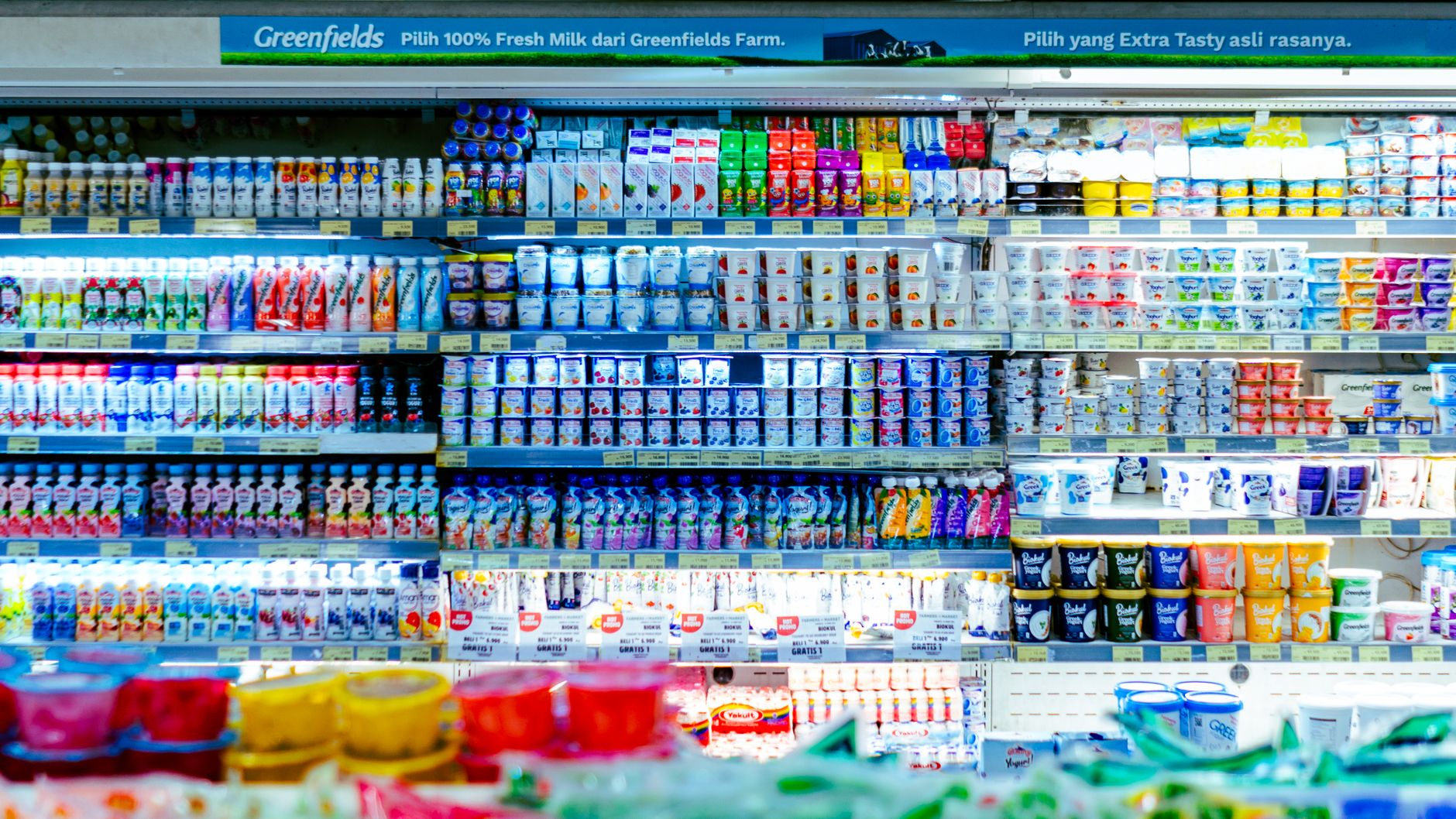
Store Layout Strategy
How Does Dairy Section Placement Affect Shopper Experience?
The layout of staple sections like dairy is crucial for shopper satisfaction. When placed at the back, dairy creates a structured shopping path that encourages customers to explore more aisles. However, it also means shoppers need to plan their trips, especially for cold foods, or risk leaving dairy items unrefrigerated too long.
For many, this deliberate design improves trip efficiency by clustering related items nearby cheese near deli meats, yogurt close to fresh produce offering a smoother experience. Plus, the predictable placement helps regular grocery buyers save time over repeated visits.
What Are the Benefits and Challenges of This Store Design Strategy?
- Benefits: Dairy products stay fresher longer with efficient refrigeration placement. The path through the store increases exposure to other products, fostering impulse purchases.
- Challenges: Customers in a hurry may find it inconvenient to reach the back for dairy, especially if they only need a few items. Accessibility can be tougher for elderly or disabled shoppers without assistance.
Many stores address these challenges with clear signage and helpful staff. Some chains introduce convenient grab-and-go dairy displays near entrances to reduce inconvenience for quick shoppers, balancing business goals with customer comfort.

Impact on Sales
How Does Dairy Product Placement Influence Purchase Decisions?
Dairy aisles benefit from smart cross-merchandising strategies. For example, placing milk near cereals and cheese near crackers boosts convenience and increases sales of complementary items. This makes it easier for shoppers to envision complete meals or snacks, leading to more thoughtful purchases.
Product visibility is another important factor. Stores often place popular or premium dairy brands at eye level to catch attention quickly. Seasonal products, like festive cheeses, receive special displays in these aisles as well, capitalizing on shopper interest.
What Does Research Say About Dairy Aisle Design and Shopper Behavior?
According to retail design studies, the location of high-turnover essentials like dairy significantly impacts how long customers stay in the store and their overall spending. Research shows customers who reach the dairy aisle inevitably pass other sections, encouraging unplanned purchases and generating an estimated 1015% sales bump beyond the staples.
Shopping psychology also reveals people tend to move counterclockwise in stores, supporting the placement in the back left to optimize shopping flow. This flow encourages natural breaks in the trip, letting customers absorb marketing displays without feeling rushed.
This strategic design applies equally to many supermarkets, including those specializing in Halal-certified products, which often prioritize clear labeling and separate ingredient sourcing along these paths for customer trust.
Tips for Shoppers Navigating Dairy Aisles Efficiently
- Make a mental or physical list grouped by grocery section to avoid backtracking.
- Save dairy last to keep items cold during your trip.
- Look for clearly marked Halal-certified labels (such as JAKIM or HMC logos) to ensure products meet dietary requirements.
- Check for promotional displaysthese often highlight new or seasonal items worth trying.
- Bring your preferred reusable shopping bag for chilled items to keep them insulated after purchase.
Balancing Convenience and Business
What Are the Advantages for Stores and Shoppers?
Stores benefit by keeping dairy products fresh through minimized temperature fluctuations. The layout also nudges shoppers through diverse departments, boosting sales beyond essentials. For shoppers, this structured flow can make trips predictable and help discover related products.
For Halal-conscious consumers, this allows ample time to review clear certifications and prioritize suitable dairy options without feeling rushed.
What Are the Drawbacks and Potential Risks?
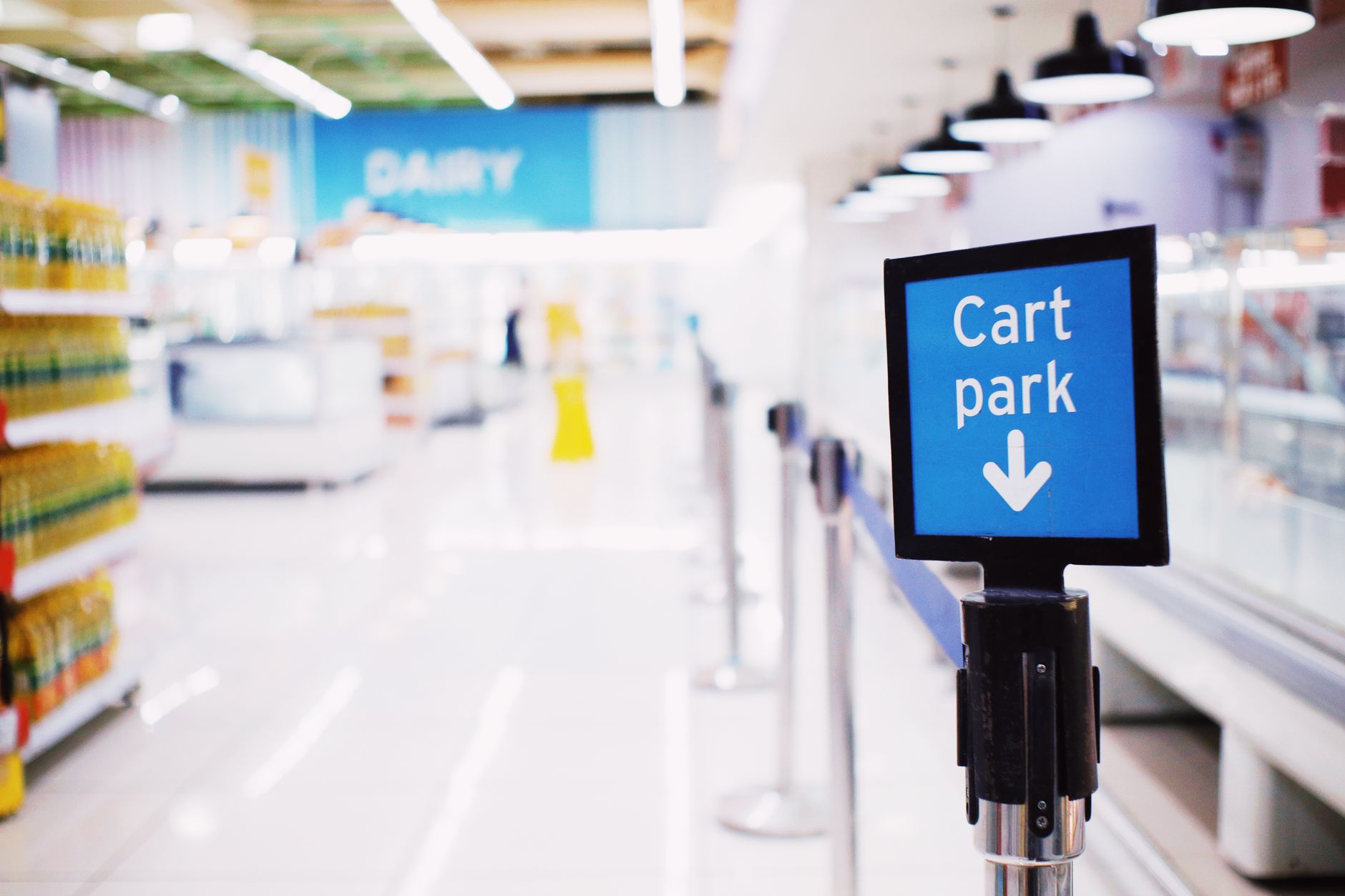
Convenience suffers for customers needing only dairy items, as the location demands walking through the entire store. This can frustrate those with limited time or mobility issues. Additionally, hidden dairy aisles risk seeming out of reach or hard to find for new customers.
How Stores Can Mitigate These Risks
- Adding overhead and aisle signage improves navigation.
- Offering quick-access mini-dairy sections near entrances for popular items.
- Providing store maps and mobile apps with aisle locations.
- Training staff to escort or assist customers searching for dairy or other essentials.

Is dairy aisle location actually Halal what should I check?
While the aisle itself is just a store layout, the crucial factor is the Halal certification of products within the dairy aisle. Look for trusted certification bodies such as JAKIM, HMC, or IFANCA on product packaging. These logos indicate compliance with Halal dietary laws, assuring you of permissible ingredients and processing methods.
Why is refrigeration important for dairy shelf life?
Dairy products are highly perishable and must be kept at temperatures around 4C (39F) or below. Proper refrigeration slows bacterial growth, preserving freshness and safety. Without adequate cooling, milk and cheese can spoil within hours, risking foodborne illness.
Can I find Halal-certified dairy in all grocery stores?
Availability depends on the region and store. Specialty and Halal-certified stores are your best bet for a wide variety of Halal dairy products. Larger supermarkets increasingly carry certified options labeled clearly for customer convenience.
How long does dairy last after opening?
Generally, opened milk lasts 57 days refrigerated tightly sealed. Yogurt can last about 710 days, while cheese types vary widely. Always check packaging instructions and trust your senses to spot spoilage signs.
Are plant-based dairy alternatives usually Halal?
Many plant-based milk products are Halal, but certification is key. Some brands may add non-Halal flavorings or processing aids, so review labels carefully or seek certified Halal options.
What common allergens are present in dairy products?
Dairy naturally contains milk proteins and lactose, which some people are allergic or intolerant to. Cross-contamination with nuts, soy, or gluten can occur in processing, so checking allergen statements on packaging is essential.
How can I plan quick grocery trips with dairy located at the stores back?
Make a focused shopping list grouped by department. Enter, get non-perishable essentials first, then proceed to the dairy aisle last to keep items chilled. Using store apps or maps helps locate products faster.
What is one expert tip for buying quality dairy?
Always check the sell-by datefreshness varies widely between brands and types. Certified Halal products often have strict quality controls, so prefer those with trusted certification for assurance.
More You Might Like
For safely slicing your favorite Halal meats or cheeses, be sure to check our Kitchen knives guideit covers essential knives and maintenance tips. Curious about spice varieties? Compare unique flavors in our Ancho vs pasilla article for your next recipe creation.
Conclusion
The dairy aisle location is a purposeful choice designed to maintain product freshness, guide shopper flow, and enhance salesall while balancing convenience and business needs. Next time you shop, take a moment to appreciate this strategic layout. With a clearer understanding, you can navigate your trip more efficiently and even discover new favorites. Dont forget to check the label carefully for trusted Halal certification when selecting dairy products.
FAQs
Is Dairy aisle location actually Halal — what should I check on the label?
The aisle itself is just a store layout; what matters is the Halal certification on dairy products. Look for trusted logos like JAKIM, HMC, or IFANCA to ensure the items comply with Halal dietary laws and permissible ingredients.
How long does dairy last after opening?
Opened milk lasts about 5–7 days refrigerated, yogurt 7–10 days, and cheese varies by type. Always keep dairy tightly sealed and check packaging instructions for freshness and spoilage signs.
Are plant-based dairy alternatives usually Halal?
Many plant-based milks are Halal but verifying certification is important as some brands use non-Halal additives. Look for certified Halal logos to ensure compliance.
Why is refrigeration important for dairy shelf life?
Dairy products require refrigeration around 4°C (39°F) to slow bacterial growth, preserve freshness, and prevent spoilage. Without proper cooling, dairy can become unsafe within hours.
How can I plan quick grocery trips with dairy located at the store’s back?
Make a shopping list by section and save dairy for last to keep items cold. Using store apps or maps can help locate products fast and avoid backtracking.