Vegetable oil is a kitchen essential, but did you know improper storage can ruin its taste and quality fast? Learning how to store vegetable oil correctly makes all the difference in keeping it fresh, flavorful, and safe for your cooking needs. This guide shares practical advice on preserving your oil, preventing rancidity, and making sure every drop delivers the clean, mild flavor you expect.
Why Storage Matters
What Happens When Vegetable Oil Goes Bad?
Vegetable oil can go rancid when exposed to air, heat, or light. Rancidity is the chemical breakdown of oils caused by oxidation, which produces off-flavors and unpleasant odors. Using rancid oil not only worsens your dishes taste but may also cause digestive discomfort or contain harmful compounds, according to food science research.
How Long Does Vegetable Oil Last Normally?
The shelf life varies by oil type and storage conditions. For example, refined canola or sunflower oils generally last 12 to 18 months unopened. Olive oil typically stays fresh for 18 to 24 months unopened, but often less after opening. Heat, light, and exposure to air shorten these timelines rapidly. Always check the best by date on packaging as a baseline.
Factors That Damage Shelf Life
Exposure to Light and Heat
Why Light and Heat Break Down Oils
Light, especially UV rays, and high temperatures accelerate oxidation in oils. This breaks down fatty acids, turning oils bitter and less nutritious. Keeping oil far from ovens or windows is key to preserving its natural quality.
Best Practices for Temperature and Lighting Control
- Store oil at a cool room temperature, ideally between 20C and 25C (68F77F).
- Use dark or opaque containers to block light. Glass bottles with UV protection help.
- Avoid placing oil in direct sunlight or near heat sources like stovetops or dishwashers.
Air and Moisture Exposure
How Oxygen Speeds Up Rancidity
Each time you open your oil container, oxygen enters and begins the spoilage process. Moisture contamination also promotes microbial growth. Minimizing air exposure slows oxidation dramatically.
Proper Sealing and Container Types
- Always tightly seal lids after use to keep air out.
- Choose containers with narrow necks to reduce surface area exposed to oxygen.
- Food-grade glass or stainless steel containers are ideal for long-term storage.
Contamination Risks
How Food Particles and Water Enter Oil
Using dirty utensils or pouring oil over wet ingredients contaminates the oil. This can introduce bacteria, causing it to spoil faster.
Tips for Clean Pouring and Storage
- Use clean, dry spoons or pour directly from containers without dipping utensils.
- Never return unused oil from pans back into bottles.
- Store oil separately from water or high-humidity areas.

Step-by-Step Storage Guide
Choosing the Right Container
Glass bottles are best because they dont react with oil and help retain flavor. Dark-colored glass offers UV protection. Plastic containers are lightweight and less fragile but may absorb odors or leach chemicals. Metal tins with airtight seals are excellent for bulk storage.
Ideal Storage Locations
Store vegetable oil somewhere cool and dark, such as a pantry cabinet away from stove heat and sunlight. Room temperature (20C25C) is best. Refrigeration is generally unnecessary for most oils but can extend shelf life of delicate oils like walnut or flaxseed. Keep oil out of humid places like near the sink.
Labeling and Monitoring
Note the purchase or opening date with a permanent marker or label. Use opened oil within 6 months for best quality. Check oil regularly for changes in smell (musty or bitter), color (darkening), or texture (cloudiness) these indicate spoilage.

Preventing Rancidity
Everyday Habits That Help
- Buy oils in quantities you use within 6 months to avoid stagnation.
- Keep the bottle tightly closed when not in use.
- Avoid heating oil excessively or multiple times to reduce oxidation.
- Store oils in their original containers rather than transferring to other vessels unless needed.
Signs Oil Has Gone Bad
Rancid oil smells sour, musty, or bitter rather than neutral or mild. It may darken or develop sediment. Taste testing a small drop can confirm spoilage if it tastes sharp or off, discard immediately.
When Oil Expires
Can Rancid Oil Be Salvaged?
Unfortunately, once vegetable oil goes rancid, the damage is irreversible. Heating or filtering does not restore its quality or safety. Cooking with rancid oil is best avoided.
Safe Disposal Methods
Dispose of vegetable oil by sealing it in a non-recyclable container and placing it in household trash. Avoid pouring it down drains to prevent plumbing issues. Many communities offer recycling or composting programs for cooking oilcheck local resources for eco-friendly options.
Recommended Storage Products
Top Storage Containers
| Container Type | Pros | Cons |
|---|---|---|
| Dark Glass Bottles | UV protection, inert, easy to clean | Fragile, heavier |
| Stainless Steel Tins | Durable, airtight, blocks light fully | Opaquecan‘t see content level |
| Food-Grade Plastic | Lightweight, inexpensive | Can absorb odors, less UV protection |
Oils With Longer Shelf Life
Refined vegetable oils like canola, sunflower, and safflower tend to last longest, typically 1218 months unopened. Extra virgin olive oil lasts well (~1824 months unopened) if stored properly. Avoid delicate oils like flaxseed or walnut for long storage; they expire within 36 months.
When buying, look for Halal certification logos such as JAKIM, HMC, or IFANCA to ensure the oils meet your dietary standards.
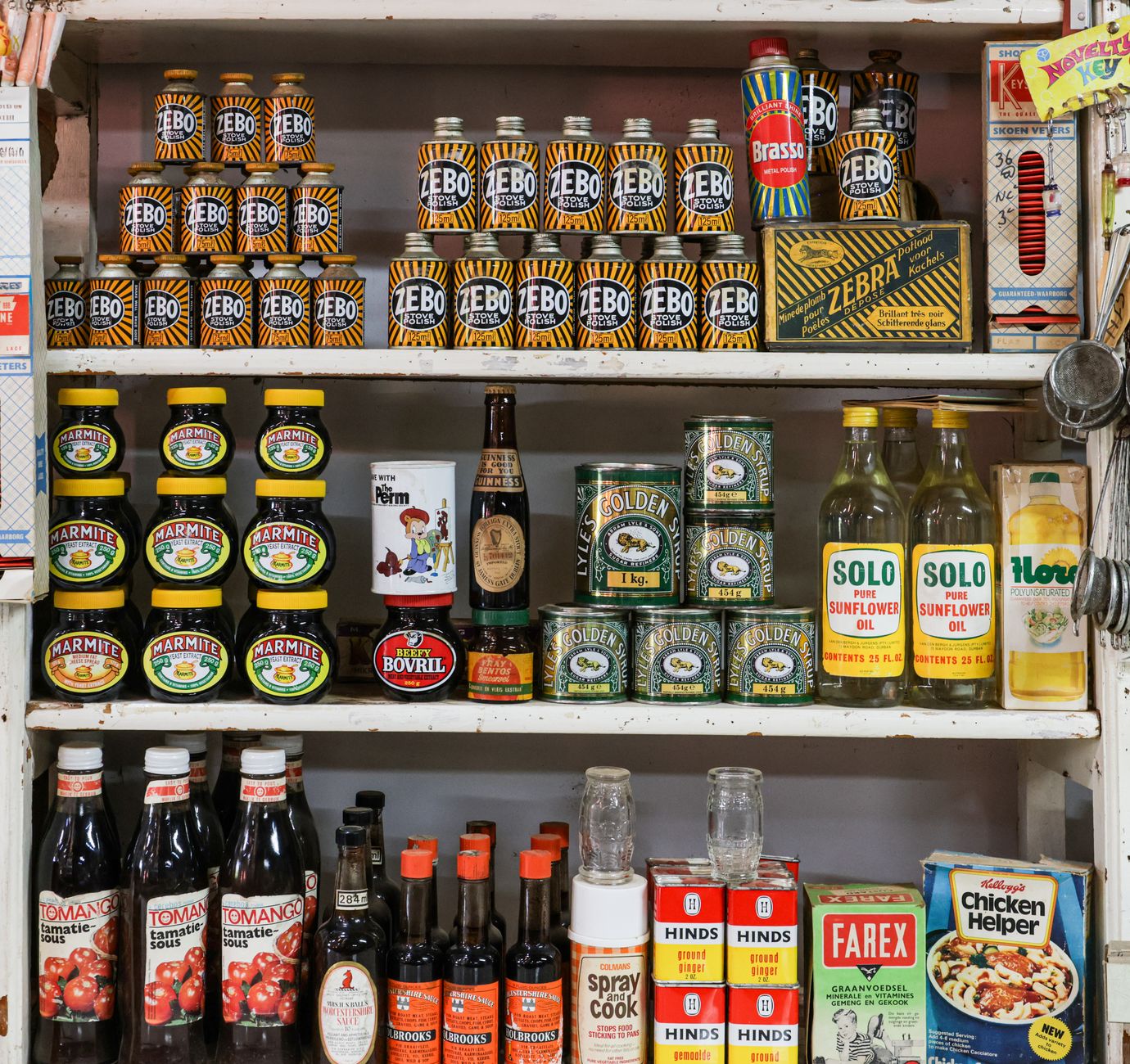
Whether you how to order groceries online or shop in person, check for sealed, well-labeled oils stored in cool, shaded spots.
Buying Tips
Many overlook that cheap vegetable oil often lacks clarity on source or purity, leading to tastes issues or premature spoilage. Always check expiration and certification labels carefully. One expert tip: buy smaller bottles if you use oil infrequently to avoid waste.
More You Might Like
- Learn best practices on how to order groceries online to get fresh oils delivered safely.
- Find out how to deliver groceries properly for the best food quality at home.
Is vegetable oil actually Halal what should I check?
Vegetable oils are plant-based and naturally Halal. Still, check for halal certification logos like JAKIM, HMC, or IFANCA on the packaging to ensure no non-Halal processing aids or cross-contamination occurred during production.
How long can opened vegetable oil last?
Opened vegetable oil should be used within 6 months for best quality. Store it tightly sealed in a cool, dark place to avoid rancidity during that time.
Can I refrigerate vegetable oil?
Most vegetable oils do not require refrigeration. However, refrigerating delicate oils like flaxseed can extend shelf life. Note that some oils may become cloudy or solidify when cold but will clear when warmed to room temperature.
What is the ideal temperature to store vegetable oil?
Store vegetable oil at room temperature between 20C and 25C (68F77F), away from heat sources and sunlight to maintain freshness.
How do I know if vegetable oil is rancid?
Signs include a sour or bitter smell, off taste, darker color, or cloudiness. If in doubt, discard the oil to avoid health risks.
Can vegetable oil be reused after frying?
You can reuse vegetable oil a few times if it is strained well and stored properly. However, repeated heating accelerates breakdown, so discard if the oil smells off or foams excessively.
What container is best for storing vegetable oil?
Dark glass bottles or stainless steel tins are best due to UV protection and airtight seals. Avoid clear plastic bottles which allow light exposure and may leach chemicals.
How do I avoid oil contamination during cooking?
Always use clean, dry utensils to avoid introducing water or food particles. Never pour leftover oil from pans back into storage bottles.
Conclusion
Learning how to store vegetable oil properly preserves its freshness and flavor, making your meals tastier and healthier. Keep it away from light, heat, and air; seal tightly; and use within six months after opening. Next time you shop, check the labels closely and choose oils stored in dark, sealed containers. Got a favorite storage tip? Feel free to share it in the comments!
FAQs
Is store vegetable oil actually Halal — what should I check on the label?
Vegetable oils are plant-based and naturally Halal. To ensure compliance, check for halal certification logos such as JAKIM, HMC, or IFANCA on the packaging. These verify that no non-Halal processing aids or cross-contamination occurred during production.
How long can opened vegetable oil last?
Once opened, vegetable oil should be used within 6 months for best quality. Store it tightly sealed in a cool, dark place to slow oxidation and maintain freshness during this period.
Can vegetable oil be reused after frying?
You can reuse vegetable oil a few times if it is strained well and stored properly. However, repeated heating accelerates breakdown, so discard the oil if it smells off, tastes bitter, or foams excessively.
What is the ideal temperature to store vegetable oil?
The best storage temperature for vegetable oil is at room temperature between 20°C and 25°C (68°F to 77°F). Keep it away from heat sources and direct sunlight to preserve quality.
Where can I buy high-quality vegetable oil with Halal certification?
High-quality Halal-certified vegetable oils are available in reputable grocery stores and online Halal food retailers. Always look for sealed packaging and proper certification logos like JAKIM, HMC, or IFANCA to ensure authenticity.