If youve ever wondered about the difference jam jelly brings to your breakfast table, youre not alone. Both delicious fruit spreads are popular choices, but their textures, ingredients, and making processes set them apart. Whether you prefer a chunky spoonful or a smooth glaze, knowing these differences helps you pick the perfect spread for your toast, baking, or Halal-friendly recipes.
What Is Jam?
What Is Jam Made Of?
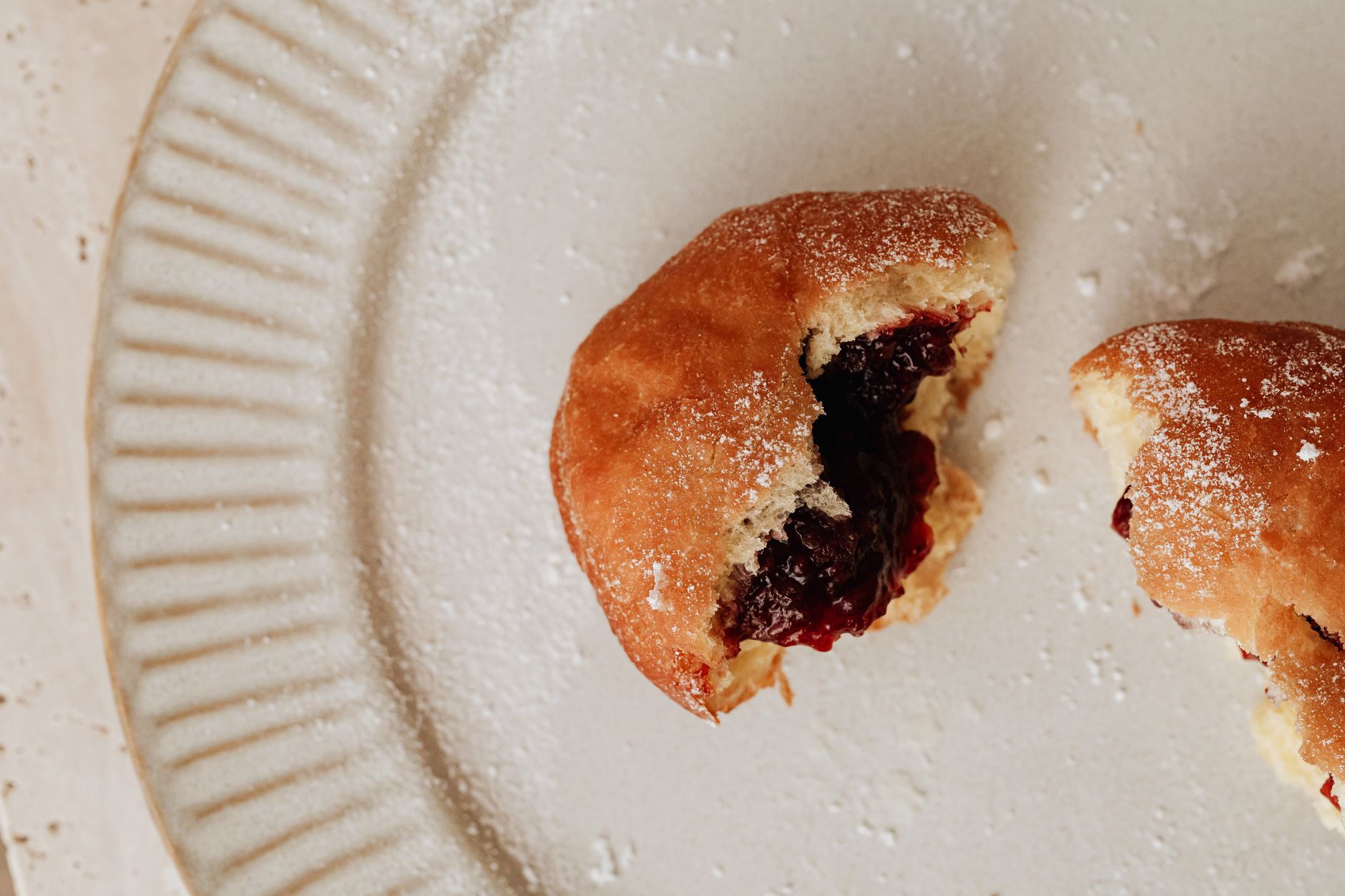
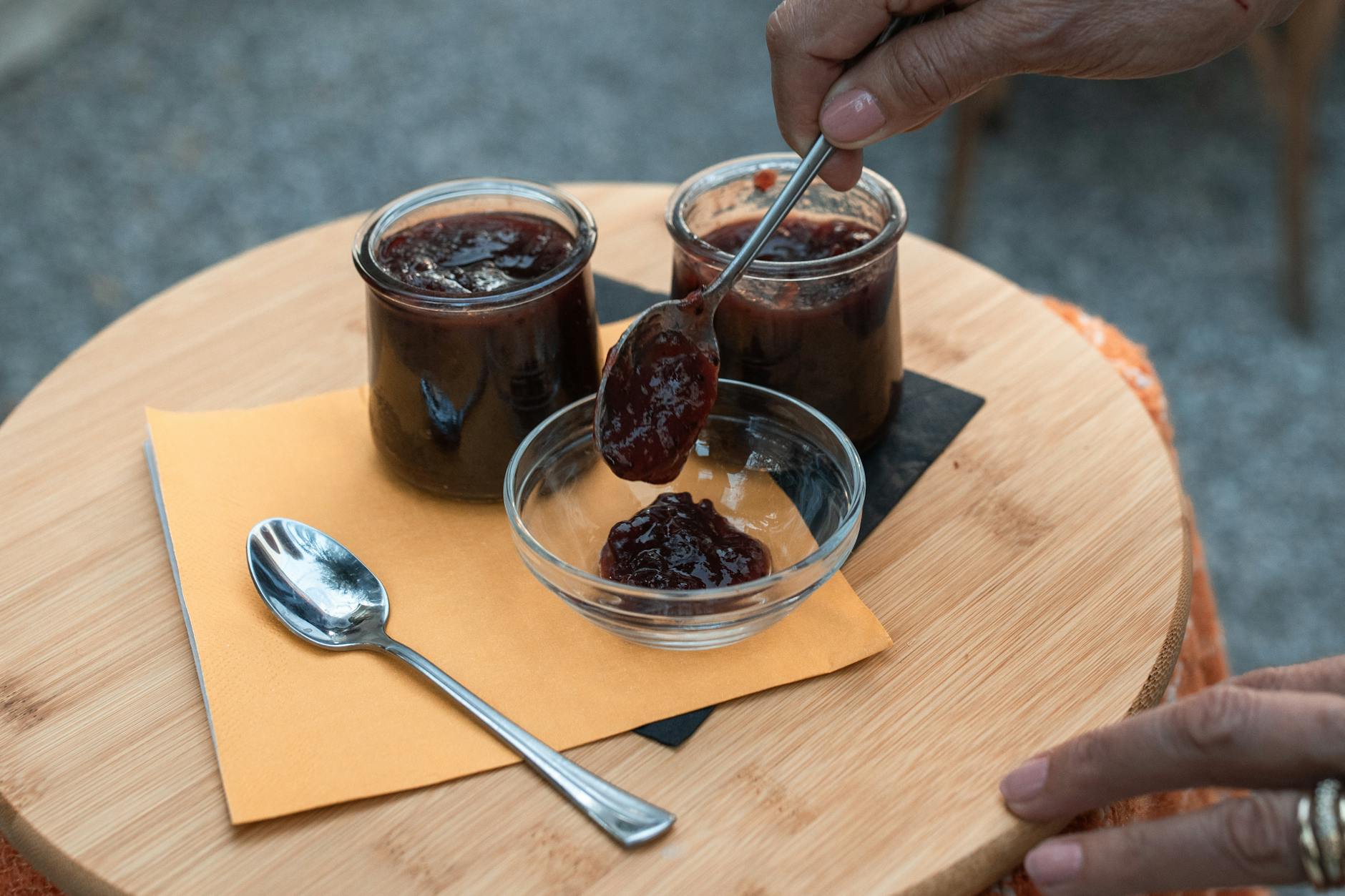
Jam is a fruit spread made by cooking crushed or chopped fruit with sugar and pectin until it thickens into a chunky, spreadable consistency. The presence of fruit pieces is the key to jams distinctive texture. Typically, jam uses whole or mashed fruits like strawberries, raspberries, or blueberries. The sugar not only sweetens but also preserves the jam, while pectin, a natural thickener found in fruits, helps it set.
Because jam contains real fruit pieces, it delivers a richer texture and bursts of natural flavor. Halal-certified jams especially are checked for permissible ingredients and often bear logos from certification bodies like JAKIM or IFANCA, assuring you of their compliance.
Examples of Popular Jam Types
- Strawberry Jam
- Raspberry Jam
- Mixed Berry Jam
- Apricot Jam
Tips to Choose Quality Jam
- Look for jams labeled "100% fruit" or "no artificial preservatives."
- Check the ingredient list for real fruit at the top and minimal additives.
- Prefer packs with Halal certification marks for assurance.
What Is Jelly?
How Is Jelly Different in Preparation?
Unlike jam, jelly is made from fruit juice rather than whole or crushed fruit pieces. The fruit juice is extracted, strained thoroughly to remove pulp, and then cooked with sugar and pectin until it reaches a firm, smooth consistency. This process results in a clear, shiny spread without bits or chunks.
Jelly‘s smooth texture makes it ideal for spreading evenly on bread or serving as a glaze. As a fruit juice-based product, it tends to have a lighter flavor compared to jam, but offers consistent sweetness and softness.
Common Uses for Jelly
- Sandwich spreads, particularly peanut butter and jelly
- Glazing meats or desserts
- Layering inside cakes or puddings
Health Considerations
Jelly often contains slightly less fiber than jam because the solids are removed during juicing. Check labels for sugar content; many commercial jellies contain 4050 grams of sugar per 100 grams. Homemade versions allow more control over sweetness and textures.

What Are Preserves?
How Are Preserves Different?
Preserves are fruit spreads with larger chunks or whole pieces of fruit suspended in a thick syrup or gel. They fall somewhere between jam and jelly in terms of texturechunkier than jam and visibly containing fruit pieces, but often less crushed than jam.
Preserves retain more of the fruits structure, making them excellent for recipes where a more substantial fruit presence adds texture and flavor.
Uses in Cooking and Baking
- Topping for cheesecakes or yogurt bowls
- Filling for tarts and pastries
- Accompaniment with cheese and crackers
Labeling Insights
Preserves are usually labeled clearly on store shelves but watch for terms like fruit spread or marmalade which have their own definitions. Certification for Halal products often appears near the nutrition info or on the jar lid.
Jam vs Jelly vs Preserves: Key Differences
Fruit Content and Texture
The main difference lies in fruit form:
- Jam: Crushed or chopped fruit with a chunky texture.
- Jelly: Clear, firm, and smooth spread made from fruit juice.
- Preserves: Larger, whole, or sliced fruit pieces in syrup.
Production Techniques
Jam uses whole fruit cooked down with sugar; jelly uses strained juice; preserves cook fruit pieces lightly suspended in syrup. Each method affects texture, flavor, and sweetness.
| Spread Type | Fruit Form | Texture | Common Uses | Typical Ingredients |
|---|---|---|---|---|
| Jam | Crushed or chopped | Chunky, spreadable | Toast, desserts, cooking | Whole fruit, sugar, pectin |
| Jelly | Juice only | Firm, smooth | Sandwich spread, glazing | Fruit juice, sugar, pectin |
| Preserves | Whole or large chunks | Chunky, syrupy | Toppings, baking, accompaniments | Fruit pieces, syrup, sugar |
Nutritional Differences
Jam and preserves contain more fiber from fruit pieces, whereas jelly has less. Sugar levels can vary widely depending on brand and recipe. Halal-certified brands often prioritize clean labels without alcohol-based flavorings or non-permissible additives.
Shelf Life and Storage
Unopened fruit spreads keep for 1218 months in cool, dark places. After opening, refrigeration is necessary, with jams and jellies lasting 68 weeks and preserves maintaining freshness for up to 4 weeks. Always use clean spoons to extend shelf life.
Choosing the Right Spread for You
Based on Taste and Texture
Care for a bite of fruit in every spoonful? Jam or preserves are your go-to. Prefer smooth, uniform spreads? Jelly will satisfy your cravings with its glossy texture. Think about what you enjoy on your morning toast or how you want the spread to behave in recipes.
For Specific Recipes
- Baking: Use preserves or jam to add texture and fruit bursts in pies and tarts.
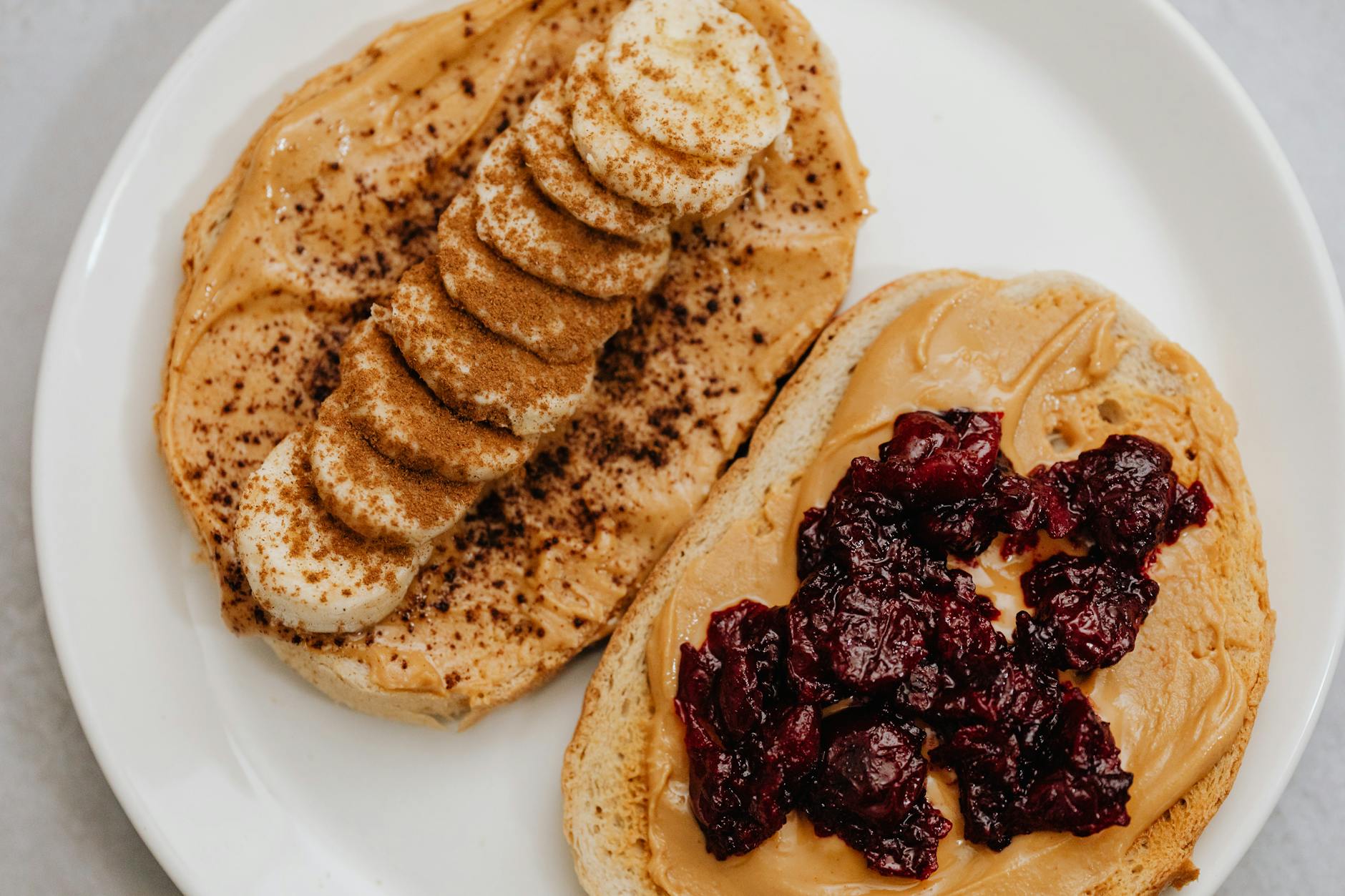
- Sandwiches: Jellys smoothness pairs perfectly with peanut butter or cold cuts.
- Cooking: Jelly works great as a glaze on meats, enhancing flavors without the fruit bits.
Planning your grocery trip soon? Tips on How to order groceries online can streamline picking Halal-certified spreads right to your door.
Dietary and Halal Considerations
Always check for certification logos like JAKIM, HMC, or IFANCA on labels to ensure Halal compliance, especially in mixed-ingredient fruit spreads. Ingredients should exclude gelatin or alcohol-based flavorings. Some brands also offer reduced-sugar or organic options for health-conscious choices.
Expert Tips From Home Cooks
- Store jams and preserves upright to avoid leaks and contamination.
- Use jelly for smoother layering when making Halal-friendly pastries or desserts.
- Experiment with homemade jams to control sugar and ingredients, ensuring they meet your Halal standards.
Is the Difference Jam Jelly Actually HalalWhat Should I Check?
Most commercially available jams and jellies are Halal, but certification is key. Look for logos from recognized bodies like JAKIM or HMC. Avoid spreads with gelatin or alcohol, which invalidate Halal status. Ingredient labels and certification claims offer helpful guidance.
Can I Substitute Jam for Jelly in Recipes?
You can swap jam for jelly, but expect texture and flavor changes. Jams chunkiness may affect smooth finishes, but it adds fruitiness. For glazes or smooth fillings, jelly remains the best choice.
Are Jam and Jelly Vegan?
Yes, most fruit spreads are plant-based and vegan-friendly unless they contain added gelatin or honey. Check labels carefully to confirm no animal-derived additives.
What Does Fruit Spread Mean?
Fruit spread is a general term for any fruit-based sweet spread. It often implies a lower sugar content and more natural fruit. However, definitions vary, so reading ingredients is vital.
How Can I Make My Own Jam or Jelly at Home?
Start with fresh fruit, sugar, and pectin. Cook crushed fruit and sugar together for jam. For jelly, extract and strain juice before cooking with sugar and pectin. Follow specific recipes for precise timings and ratios.
What Are Common Mistakes When Making Fruit Spreads?
Not using enough pectin leads to runny spreads. Overcooking can create a burnt flavor. Also, proper sterilization of jars prevents spoilage.
When Is the Best Time to Eat Jam and Jelly?
These spreads are great any timefrom breakfast to snacks. Jam and jelly add flavor to toast, pair well with cheeses at lunch, or boost desserts in the evening.
Pro Tips for Buying Fruit Spreads
- Most Overlooked Mistake: Buying spreads without checking for Halal certification or hidden ingredients such as gelatin.
- Why Cheap Versions Disappoint: They often contain artificial preservatives and low fruit content, resulting in bland taste and poorer texture.
- Expert Buying Tip: Always read ingredient lists carefully and look for "fruit percentage" on the label; higher fruit content means better flavor and nutrition.
| Certification | Price Range | Common Formats | Shelf Life | Key Allergens |
|---|---|---|---|---|
| JAKIM, HMC, IFANCA Halal | $3 - $10 per jar | Glass jars, plastic tubs | 12-18 months unopened; 6-8 weeks opened (jam/jelly) | Usually none; check for cross contamination warnings |
For easy access to Halal-certified groceries, consider tips on Order groceries online for pickup, making your shopping safe and convenient.
More You Might Like
- How to order groceries online Simplify your shopping with Halal and healthy options delivered straight to your home.
- Order groceries online for pickup Learn tips to easily collect your Halal grocery essentials without waiting in line.
Conclusion
The difference jam jelly makes is more than just texture it shapes flavor and use in your kitchen. Jam carries hearty fruit pieces, jelly offers a smooth, glossy glide, and preserves showcase chunky fruit. Next time you shop, check the label closely to match your needs, enjoy the authentic taste of Halal-certified brands, and dont hesitate to try making your own spreads at home. Share your favorite fruit spread or recipe with us below!
FAQs
Is difference jam jelly actually Halal — what should I check on the label?
Most jams and jellies are Halal if certified by bodies like JAKIM, HMC, or IFANCA. Check for certification logos and ensure ingredients exclude gelatin or alcohol-based flavorings that break Halal compliance.
What is the typical shelf life of jam and jelly after opening?
Once opened, jams and jellies should be refrigerated and can last 6 to 8 weeks if stored properly using clean utensils. Preserves last up to 4 weeks due to higher moisture and chunkier fruit content.
How do jam and jelly differ from common fruit preserves?
Jam contains crushed fruit pieces with a chunky texture, jelly is clear and smooth made from fruit juice, while preserves have larger whole or sliced fruit pieces in syrup, offering a thicker and chunkier texture.
Can I consume jam and jelly daily safely?
Yes, but moderate intake is recommended due to sugar content. Choose Halal-certified, low-sugar, or organic options for healthier choices and maintain balanced dietary habits.
Where can I buy Halal-certified jams and jellies?
Halal-certified fruit spreads are available at specialty grocery stores, supermarkets with Halal sections, and online Halal grocery platforms offering certified products for convenient purchase.