When it comes to making salsa, the best tomatoes for salsa can make all the difference. Using the right type of tomato enhances flavor, controls texture, and prevents watery or bland results. Whether you prefer a chunky pico de gallo or a smooth, roasted salsa, choosing tomatoes with the right balance of firmness, juiciness, and acidity is key to hitting the perfect note in your homemade salsa.
Why Tomato Choice Matters
What qualities make a tomato ideal for salsa?
The ideal salsa tomato should be firm yet juicy, providing good flesh without excessive water content. Tomatoes with a high flesh-to-juice ratio make chunkier salsas without turning watery. Flavor-wise, the right balance between sweetness and acidity is essential to complement other salsa ingredients like chili, onion, and lime. Freshness and ripeness also influence taste and texture profoundly. A ripe tomato has a vibrant aroma and rich color but remains firm to the touch, signaling it will hold well in salsa.
How do tomato choices affect different salsa types?
Chunky salsas such as pico de gallo thrive with tomatoes that keep their shape and texture, so they dont become mushy. For blended or roasted salsas, tomatoes with dense flesh and lower water content create a richer, thicker texture. Juiciness impacts salsa thickness and mouthfeeltoo much juice leads to a runny salsa, while too little can make it dry. The acidity level also shifts the flavor profile, making tomatoes a foundational ingredient for the salsas overall balance.
Expert Insight Tomato Chemistry and Salsa Taste
The interplay between sugar and acid in tomatoes affects salsa flavor depth. Tomatoes with higher acidity lend a bright, sharp bite that wakes up taste buds, while sweeter tomatoes soften spicy or citrus notes. According to agricultural flavor studies, plum tomatoes generally have a better sugar-to-acid ratio ideal for cooking and blending, while certain heirloom varieties offer complex flavors suited for fresh salsas.
Best Tomatoes for Pico de Gallo
Why firm, less juicy tomatoes work best for pico de gallo
Pico de gallo is all about fresh, chunky bites. Tomatoes that are too watery will dilute the salsa and make it soggy. Firm tomatoes maintain their shape when chopped, providing satisfying texture and preventing the salsa from becoming too liquid. A mild sweetness combined with balanced acidity enhances the fresh taste without overpowering other ingredients like onion, cilantro, and lime.
Top tomato varieties for homemade pico de gallo
- Roma (Plum) Tomatoes: Known for their dense flesh and low water content, Romas are a go-to choice for pico de gallo. They hold up well and add a subtly sweet flavor.
- Vine-Ripened Tomatoes: These tomatoes offer a bright, fresh flavor and are usually juicier than Romas. If you use vine-ripened, peel and deseed slightly to control moisture.
- Celebrity Tomatoes: A hybrid variety with a nice balance of sweetness and firmness, making them suitable for fresh salsas.
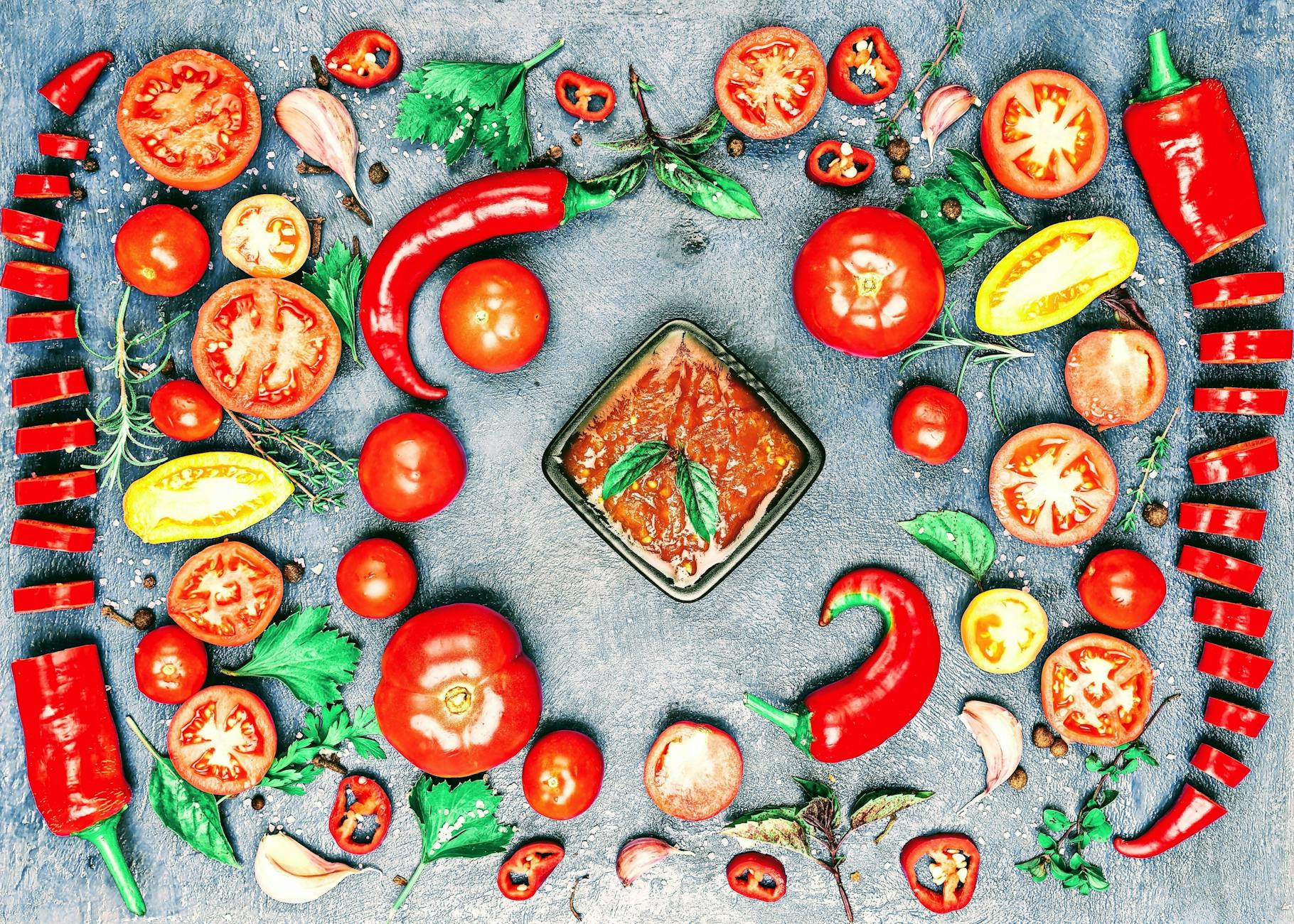
Quick Pico de Gallo Recipe Using Roma Tomatoes
| Prep time | Cook time | Total time | Servings | Calories | Diet tags |
|---|---|---|---|---|---|
| 10 minutes | 0 minutes | 10 minutes | 4 | 25 | Halal, Gluten-Free, Vegan |
Ingredients:
- 4 Roma tomatoes, diced
- 1/2 white onion, finely chopped
- 1/4 cup fresh cilantro, chopped
- 1 jalapeo, seeded and minced
- Juice of 1 lime
- Salt to taste
Instructions:
- Dice Roma tomatoes and place in a bowl, ensuring excess juice is drained.
- Add finely chopped onion, cilantro, and jalapeo.
- Pour fresh lime juice over mixture and sprinkle with salt.
- Stir gently but thoroughly. Chill for 1520 minutes before serving for flavors to meld.
Plum Tomatoes & Tomatillos for Roasted Salsas
What makes plum tomatoes ideal for blended salsas?
Plum tomatoes have thick flesh and minimal seeds, making them perfect for blending into smooth salsas. Their lower water content prevents the salsa from becoming watery. Roasting intensifies their natural sweetness and deepens flavor, adding smoky undertones that elevate your salsa.
How tomatillos add a unique tang to salsa verde
Though not a tomato, tomatillos provide a tart, slightly citrusy brightness that balances spicy chiles and herbs in salsa verde. Their firm texture holds up to roasting and blending, creating a salsa with a clean, tangy finish that‘s distinctly different from red tomato salsas.

How to Roast Plum Tomatoes and Tomatillos for Richer Salsa
- Preheat oven to 425F (220C).
- Wash and halve plum tomatoes and tomatillos.
- Arrange cut side down on a baking sheet lined with parchment paper.
- Roast for 25 minutes until skin blisters and flesh softens.
- Let cool, then blend with your favorite chili, onion, and seasoning for silky roasted salsa.
Pairing Tomatoes with Chiles for Hot Salsas
Which tomatoes stand up best to bold chili flavors?
Tomatoes used for hot sauce need to balance heat without becoming overshadowed. Varieties like Roma and plum tomatoes are dense enough to handle prolonged cooking with chiles, soaking up spicy, smoky flavors without turning watery or bitter.
Popular tomato varieties in hot sauce recipes
- Roma tomatoes due to their meaty consistency.
- San Marzano tomatoes, prized for cooking with a rich flavor and low acidity.
- Tomatillos, often paired with hotter chiles to make salsa verde varieties.
Balancing acidity and sweetness in hot salsa tomatoes
When selecting tomatoes for hot salsa, avoid overly acidic varieties that can make the sauce taste sharp or harsh. Look for tomatoes that offer natural sweetness to balance the heat, creating a smooth flavor transition. Adding small amounts of sweet ingredients like roasted bell peppers or carrots can also soften chili bite without dulling spice.
Selecting and Storing Salsa Tomatoes
How to select ripe tomatoes at the store or farmers market
Choose tomatoes that are firm but yield slightly under gentle pressure. The skin should be smooth, unblemished, and rich in color corresponding to the variety. Smell the tomato near the stem; a fresh tomato emits a sweet, earthy aroma. Certified Halal growers often label produce look for trusted logos such as JAKIM or IFANCA if certification is important.
Best storage practices for fresh salsa tomatoes
Keep tomatoes at room temperature away from direct sunlight to preserve texture and flavor. Refrigeration can disrupt cell structure and produce mealy textures. For sliced or chopped tomatoes intended for salsa, store in airtight containers in the refrigerator and use within 34 days to maintain freshness.
Common mistakes to avoid with fresh salsa tomatoes
- Using underripe tomatoes that are too firm and lacking sweetness.
- Choosing overripe tomatoes that are mushy and overly watery.
- Refrigerating whole ripe tomatoes before use, which dulls taste and texture.
- Ignoring certification when buying premade or processed salsa products, especially for halal compliance.
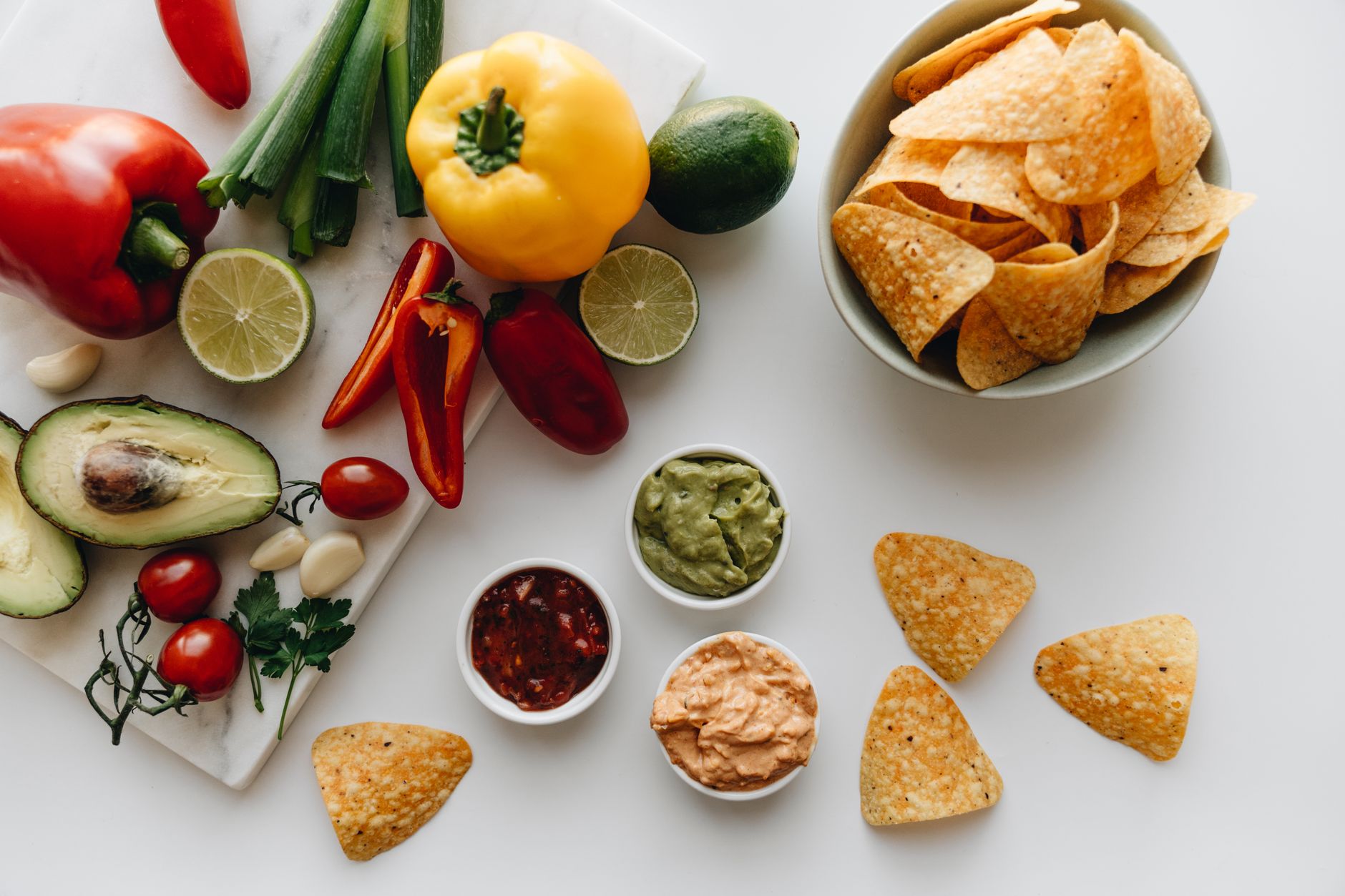
Tomato Variety Comparison for Salsa
| Tomato Variety | Best For | Key Benefits | Notes |
|---|---|---|---|
| Roma (Plum) | Pico de gallo, hot sauce, blended salsa | Firm, meaty, low water content | Most versatile and accessible variety |
| Vine-Ripened | Fresh salsas | Sweet, fresh flavor | Juiciermay need deseeding or draining |
| Tomatillo | Salsa verde, hot sauce | Tart, adds brightness and tang | Not a true tomato but essential for certain recipes |
| Heirloom Varieties | Fresh chunky salsa, specialty recipes | Unique complex flavors, colorful | Can be watery, requires handling care |
Choosing certified halal products ensures quality and compliance with dietary laws, an important consideration for many home cooks. When shopping, consider sourcing from online groceries that specialize in halal-certified fresh produce and ingredients.
Is the best tomato for salsa actually Halal what should I check?
Fresh tomatoes themselves are naturally Halal. However, if you buy pre-packaged or processed tomato products for salsa, verify certification from bodies like JAKIM, HMC, or IFANCA. Check for their logos on packaging and read ingredient lists to avoid additives derived from non-Halal sources.
When is the best time to eat salsa?
Salsa tastes best freshideally within 24 hours of preparation. Pico de gallo holds well refrigerated for 34 days, but texture and brightness decline after that. Roasted or cooked salsas develop deeper flavor after resting overnight in the fridge and can last 57 days safely.
Can I use canned tomatoes instead of fresh for salsa?
Canned tomatoes are suitable for blended or cooked salsas but less ideal for fresh styles like pico de gallo due to higher water content and softer texture. If using canned, opt for whole peeled tomatoes with no added salt or preservatives for best flavor.
What is the difference between plum and Roma tomatoes?
Roma tomatoes are a type of plum tomato. Generally, Roma refers to a specific variety that is firm and oval-shaped, while "plum" covers several varieties with similar characteristics. Both have low water content and dense flesh, ideal for salsa and cooking.
How do I prevent salsa from becoming watery?
Choose firm, low-water tomatoes like Roma, and remove seeds and excess juice before chopping. Also, drain tomatoes on paper towels after dicing to absorb moisture. Using fresh lime juice moderately and avoiding watery fresh veggies helps maintain salsa thickness.
Whats the shelf life of homemade salsa?
Fresh salsa like pico de gallo lasts 34 days refrigerated in an airtight container. Cooked or roasted salsas last 57 days. Always store below 5C (41F) and discard if it develops off smells or mold.
Can I freeze salsa made from the best tomatoes?
Freezing salsa is possible but may affect texture, causing it to become watery upon thawing. Blended salsas freeze better than chunky fresh ones. Use airtight containers, and thaw slowly in the refrigerator before use.
Pro Tips for Perfect Salsa
- Dont rush tomato selection: Feel them gently; firm but not hard is perfect. Avoid bruised or overly soft tomatoes to prevent unwanted mushiness.
- Drain excess juice for fresh salsa: Especially if using juicy tomatoes like vine-ripened or heirlooms, letting them sit on paper towels for 10 minutes reduces water content.
- Roast to amplify flavor: Roasting plum tomatoes and tomatillos caramelizes natural sugars and adds a smoky depth missed with raw mixtures.
- Store properly: Whole ripe tomatoes stay best at room temperature. Chop and refrigerate salsa in sealed glass containers for longevity.
- Upgrade with herbs and acid balance: Fresh cilantro, lime, and a pinch of salt brighten flavor. Adjust acidity with lemon or lime juice sparingly to suit heat levels.
For storing fresh salsa or leftovers, vintage kitchen staples like vintage tupperware provide airtight, reusable options that keep your salsa fresher longer and maintain your kitchens sustainability.
More You Might Like
- Explore our guide to online groceries for sourcing fresh, halal-certified produce delivered to your door.
- Discover how vintage kitchen containers can preserve your fresh ingredients with style in our post on vintage tupperware.
Conclusion
Finding the best tomatoes for salsa elevates every homemade batch. Firm varieties like Roma excel in fresh chunky salsas, while plum tomatoes and tomatillos enrich blended and roasted versions. Paying attention to texture, acidity, and freshness lets you craft vibrant salsa with confidence. Next time you shop, choose your tomatoes carefully, follow trusted tips, and enjoy salsa bursting with authentic flavor. Share your favorite tomato picks or salsa recipes with uswed love to hear from you!
FAQs
Is best tomatoes for salsa actually Halal — what should I check on the label?
Fresh tomatoes themselves are naturally Halal. When buying pre-packaged or processed tomato products for salsa, check for certification from trusted bodies like JAKIM, HMC, or IFANCA. Look for their logos and review ingredient lists for non-Halal additives to ensure compliance with dietary laws.
When is the best time to eat or drink best tomatoes for salsa?
Salsa tastes best fresh, ideally within 24 hours after preparation. Pico de gallo can be refrigerated in an airtight container for 3–4 days, while roasted or cooked salsas often develop deeper flavors if rested overnight and last 5–7 days.
What is the shelf life of homemade salsa after opening or preparation?
Fresh salsas like pico de gallo usually last 3 to 4 days refrigerated in an airtight container. Cooked or roasted salsas can stay fresh for 5 to 7 days. Always store below 5°C (41°F) and discard if mold or off smells develop.
What is the difference between plum and Roma tomatoes for salsa?
Roma tomatoes are a specific variety of plum tomatoes. Both have firm, dense flesh and low water content, ideal for salsa. Roma are typically oval-shaped and meaty, often preferred for their texture and subtle sweetness in fresh and cooked salsas.
Where can I buy the best tomatoes for salsa, especially halal-certified?
Look for fresh tomatoes at farmers markets, grocery stores, or specialty halal-certified online groceries. Trusted halal certification labels include JAKIM, HMC, and IFANCA. Specialty online grocers often provide fresh, halal-certified produce conveniently delivered to your door.