Hard-boiled eggs are a protein-packed snack loved by many. You might keep several on hand for quick meals or snacks. But when it comes to reheating, questions often arise: Can you reheat hard-boiled eggs safely? Is the microwave a good idea? This guide covers everything you need to know to reheat hard-boiled eggs without compromising taste, texture, or safety.
Risks of Reheating Eggs
What Happens When You Microwave Hard-Boiled Eggs?
Microwaving whole hard-boiled eggs can be a risky move. The yolk and white contain moisture that, when heated quickly in a microwave, turns to steam. Unlike scrambled eggs, where the steam can escape, hard-boiled eggs are dense and intact, causing pressure to build up inside the shell. This pressure often leads to an explosion. You may see eggs literally burst in the microwave, creating a mess and potential burns.
Besides the danger of bursts, fast microwave heating can change the taste and texture. The egg white becomes rubbery and tough, while the yolk sometimes develops an unpleasant sulfurous smell. Microwave reheating can also cause subtle chemical changes that affect flavor and moisture retention.
Is It Safe to Reheat Eggs at All?
Yes, reheating eggs is safe if done properly. According to the USDA Food Safety guidelines, cooked eggs should be reheated to an internal temperature of 165F (74C) to minimize risk of bacterial growth. However, since hard-boiled eggs are dense and surrounded by a shell, uneven heating can be a problem. Reheating improperly increases the chance for foodborne illness, especially if eggs have been stored for several days.
To avoid health risks, ensure eggs are stored in the refrigerator within two hours of cooking and consumed within 57 days. Always reheat thoroughly but gently to avoid overheating or hot spots.
Safe Reheating Methods
Best Ways to Reheat Hard-Boiled Eggs
- Boiling Water Bath: Bring a small pot of water to a boil. Turn off the heat, then add peeled or unpeeled hard-boiled eggs to the hot water. Let them sit for 57 minutes. This heats evenly and gently without risk of explosion.
- Oven Reheating: Preheat your oven to 325F (160C). Place peeled eggs on a baking sheet and warm for about 10 minutes. This method helps avoid rubbery whites and maintains a good texture.
- Steaming: Use a steamer basket over boiling water. Steam peeled eggs for 5 minutes. This keeps eggs moist and heats them evenly while preserving flavor.
These methods allow you to achieve a tender and warm egg without damaging it.
Microwave Tips if You Must Use One
If a microwave must be used, never heat hard-boiled eggs whole and in the shell. Instead, peel the egg, slice or cut it in halves, and cover it with a damp paper towel. Heat on medium power for short bursts of 15 seconds, checking in between. This approach helps release steam slowly and reduces the chance of explosions.
Remember, reheating peeled eggs heats much more evenly than whole eggs with shells.

Should You Avoid Reheating Hard-Boiled Eggs?
Benefits of Eating Eggs Cold
Hard-boiled eggs are nutritious and retain nearly all of their protein and essential nutrients when eaten cold. Chilling preserves the creamy texture of the yolk and the firm bite of the white. Cold eggs are also convenient for on-the-go snacks or adding to salads without extra preparation.
When Reheating Might Help
Some prefer warm eggs for taste or digestibility. Warm eggs can enhance flavors in certain dishes or feel comforting in colder weather. Reheating might also be necessary if eggs were refrigerated for hours and lose appeal when eaten cold.
Risks vs. Rewards
The main risk of reheating hard-boiled eggs is uneven heating or exploding shells, especially in microwaves. However, with safe methods like steaming or hot water baths, these risks are minimal. Food safety experts generally agree that reheating cautiously is fine, but cold consumption is the safest and most reliable choice.
Whether you reheat or not depends largely on personal preference balanced with safety. Remember to always store eggs properly to prevent bacterial growth no matter how you consume them.
Common Questions About Reheating Hard-Boiled Eggs
Can You Reheat Hard-Boiled Eggs in the Microwave if Peeled?
Yes, but only if you peel and slice the egg first. Then heat it in short bursts on medium power, covered with a damp paper towel to trap moisture. This prevents steam bubbles from building up and causing an explosion.
How Long Does It Take to Reheat Hard-Boiled Eggs Safely?
Using a boiling water bath, it takes about 5 to 7 minutes to reheat eggs evenly. Steaming requires roughly 5 minutes, and oven warming takes around 10 minutes at 325F (160C). Microwaving peeled eggs can be done in 1530 second bursts, checking after each.
Why Do Hard-Boiled Eggs Sometimes Smell Worse After Reheating?
The sulfur compounds in egg yolks intensify during heating, especially if overheated. This explains the "rotten egg" smell that can appear with microwaving or overheating. Gentle reheating prevents this issue.
Are Reheated Eggs Still Nutritious?
Yes, reheated hard-boiled eggs retain most of their nutritional value. Protein quality remains high if eggs are reheated gently. However, excessive reheating can reduce certain heat-sensitive vitamins slightly.

Reheating Methods Compared
| Method | Safety Level | Speed | Texture Impact | Recommended? |
|---|---|---|---|---|
| Boiling water bath | High | Moderate (57 min) | Minimal | Yes |
| Oven warming (325F) | High | Slow (10 min) | Good | Yes |
| Steaming | High | Moderate (5 min) | Moist & tender | Yes |
| Microwave (peeled) | Medium | Fast (1530 sec bursts) | Risk of dryness | Only with care |
| Microwave (whole) | Low | Fast | Very risky, rubbery | No |
Is Reheating Hard-Boiled Eggs Actually Halal What Should I Check?
Hard-boiled eggs themselves are naturally Halal. To confirm, look for certification from bodies like JAKIM, HMC, or IFANCA if you purchase pre-cooked or packaged versions. Check labels for clean ingredients without non-Halal additives or cross-contamination risks.
When Is the Best Time to Eat Hard-Boiled Eggs?
Hard-boiled eggs are ideal as a breakfast boost, quick snack, or part of a balanced lunch. Eating them within 57 days of cooking ensures freshness and safety. Cold or reheated, they provide a convenient source of protein and nutrients any time of day.
How Can I Avoid Egg Explosion in the Microwave?
Always peel your hard-boiled eggs before microwaving, or better yet, avoid microwaving whole eggs with the shell. Slice the egg, cover it with a damp paper towel, and heat in short intervals to release steam gradually.
Can I Reheat Eggs More Than Once?
It‘s best to reheat hard-boiled eggs only once. Multiple reheating cycles increase the risk of bacterial growth and degrade texture and flavor.
Why Do Some Reheated Eggs Feel Rubberier?
Overheating or fast microwave bursts can toughen the egg whites, causing a rubbery texture. Gentle and gradual reheating avoids this.
Can Hard-Boiled Eggs Be Frozen for Later Reheating?
Freezing hard-boiled eggs is not recommended. The whites become watery and rubbery after thawing, affecting taste and texture.
How Long Can Hard-Boiled Eggs Stay in the Refrigerator?
Store eggs in their shell in a sealed container in the fridge. They keep well for 57 days, according to the USDA Food Safety guidelines.
Pro Tips for Reheating
One common mistake is microwaving hard-boiled eggs whole, which increases risk of explosion and ruins texture. Using a boiling water bath takes a bit longer but results in perfectly warm eggs without dry or sulfurous notes. For best flavor, always peel eggs before reheating in any method except the water bath.
Buying Halal-certified eggs or pre-cooked products guarantees compliance with dietary laws. Look for trusted logos from JAKIM or IFANCA on packaging when shopping. This ensures traceability and a clean label.
For a snack that pairs beautifully with warm eggs, try gluten free popcorn. Its light crunch complements the creamy egg perfectly. You might also enjoy Kellogg‘s yogos as a refreshing dairy option alongside.
Summary
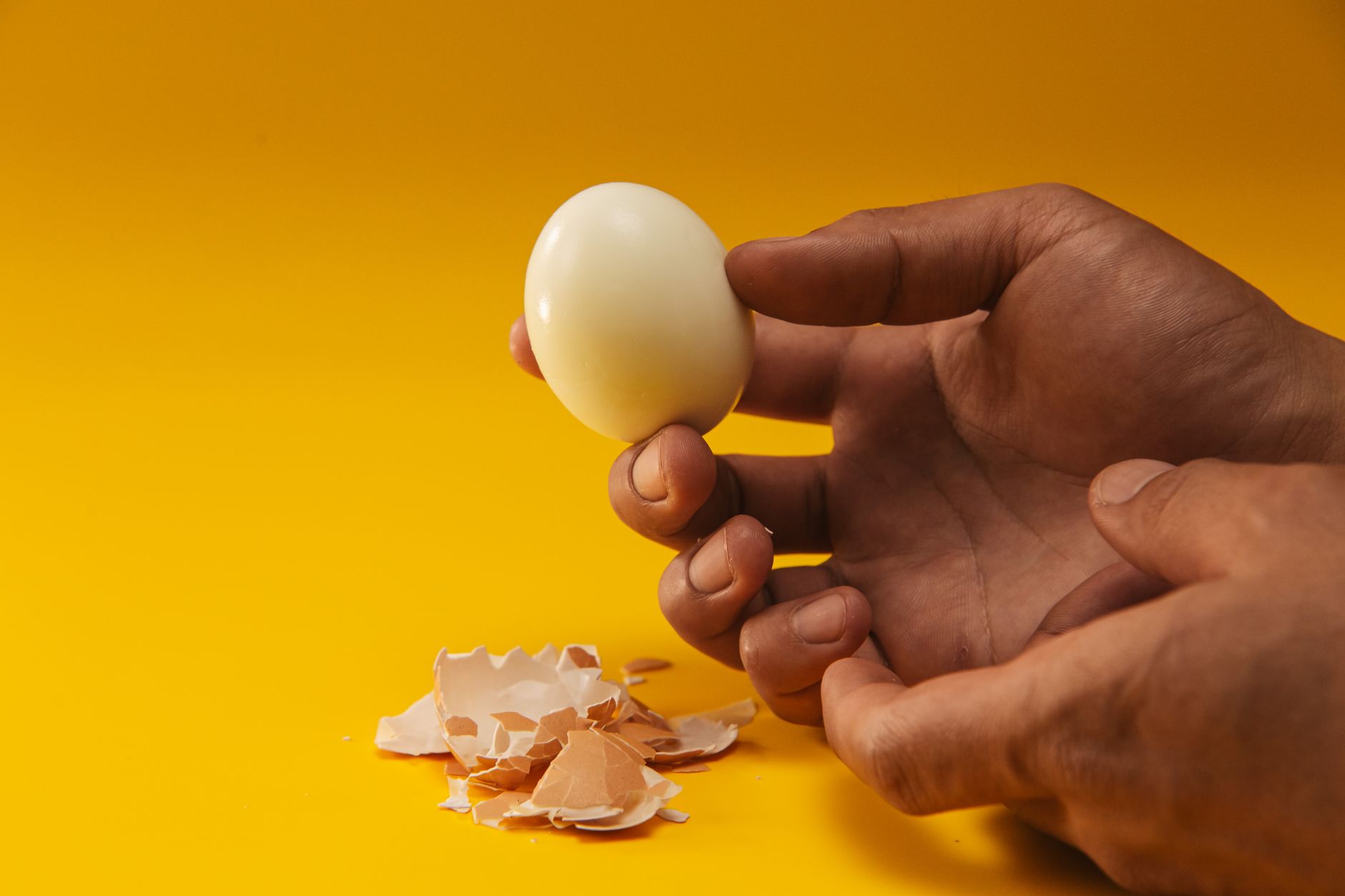
Reheat hard-boiled eggs carefully to avoid explosions and texture loss. The safest and most effective methods include using a boiling water bath, oven warming, or steaming. Microwaving whole eggs is risky, but peeled eggs can be reheated cautiously in the microwave. Remember, eating hard-boiled eggs cold is often best for taste and nutrition. Next time you enjoy this handy snack, try these techniques and feel confident in your food safety knowledge. Feel free to share your reheating tips or questions below!
FAQs
Is Reheat hard-boiled eggs actually Halal — what should I check on the label?
Hard-boiled eggs themselves are naturally Halal. When buying packaged or pre-cooked eggs, check for certifications like JAKIM, HMC, or IFANCA to ensure no cross-contamination or non-Halal additives. Always verify clean ingredient lists and reliable Halal logos on packaging.
How long can hard-boiled eggs be safely stored before reheating?
Store hard-boiled eggs in their shells in a sealed container in the refrigerator. They are safe to eat and reheat within 5 to 7 days, according to USDA guidelines, ensuring freshness and minimizing bacterial risk.
What is the safest way to reheat hard-boiled eggs without affecting texture?
The safest methods include using a boiling water bath (5-7 minutes), steaming (5 minutes), or oven warming at 325°F (10 minutes). These methods evenly heat eggs without causing rubbery whites or sulfurous smells.
Is it safe to reheat hard-boiled eggs every day for daily consumption?
It's best to reheat hard-boiled eggs only once to reduce risks of bacterial growth and texture degradation. Repeated reheating can increase food safety risks and negatively affect taste and consistency.
Where can I buy Halal-certified hard-boiled eggs or pre-cooked options?
You can find Halal-certified hard-boiled eggs at specialty grocery stores or online retailers that carry Halal products. Look for trusted certification logos from bodies like JAKIM or IFANCA on packaging to ensure compliance.